
NZXT to Grant Ownership of Rental PCs in $3.45M “Predatory” Lending Settlement
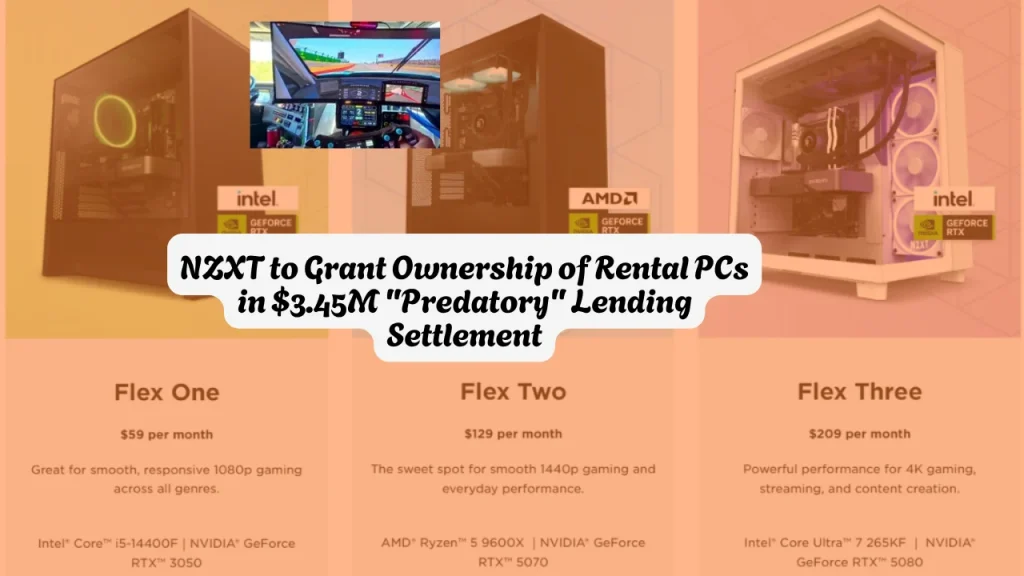
On April 7, 2026, PC hardware manufacturer NZXT and its billing partner, Fragile Inc., reached a preliminary $3.45 million settlement to resolve a high-profile class-action lawsuit. The suit, filed under the federal RICO Act, alleged that the “NZXT Flex” rental program was a deceptive and predatory scheme. The most significant outcome for consumers is that eligible long-term renters will finally be granted full ownership of their gaming PCs—a path that was previously denied under the original “subscription-only” terms.
Quick Facts for NZXT Flex Users
| Field | Detail |
| Settlement Amount | $3.45 Million |
| Class Period | October 19, 2023 – March 30, 2026 |
| Key Benefit 1 | Ownership Transfer for eligible 2-year renters |
| Key Benefit 2 | Debt Forgiveness up to $5,000 per person |
| Key Benefit 3 | Cash Payouts estimated at $450–$500 |
| Expected Portal Date | April 28, 2026 |
How to Keep Your Rental PC
The core of the lawsuit was that NZXT allegedly marketed the Flex program as a “rent-to-own” service (targeting younger gamers) while the fine print stated it was an indefinite lease with no end date.
To qualify for ownership:
- Duration: You must have been a subscriber and paid into the program for at least two years.
- The “Belief” Form: Eligible users must fill out a specific settlement form stating they entered the agreement under the belief it was a rent-to-own program.
- Valuation: The settlement has allocated approximately $1.21 million specifically to cover the hardware value of these PCs being transferred to users.
Debt Forgiveness & Cash Payouts
The settlement addresses aggressive collection tactics used by Fragile Inc. against customers who tried to cancel their subscriptions:
- Automated Debt Relief: A $923,117 pool is dedicated to debt forgiveness. Customers more than 90 days delinquent will see up to $5,000 of debt automatically erased from their records.
- Refunds for “Clean” Renters: If you rented a PC, returned it, and owe no debt, you are eligible for a cash payout. Depending on the number of claims filed, experts estimate these payouts will range from $450 to $500.
Related article: Chicago Finance Committee Backs $9.5M Settlement in Carl Reed Wrongful Conviction Case
The Allegations – Why the Lawsuit?
The legal action, championed by investigators at Gamers Nexus, detailed several “shady” business practices:
- Bait-and-Switch: NZXT allegedly advertised premium components (like an RTX 4090) but shipped inferior hardware (like an RTX 4080) while charging the premium price.
- RICO Violation: The suit alleged “mail and wire fraud,” claiming the two companies conspired to trap users in never-ending payment cycles.
- Predatory Marketing: Claims that influencer campaigns targeted children with the false promise that they could win a tournament and use the prize money to “buy” the rented rig.
Frequently Asked Questions
Is the settlement website active?
Not yet. Per court filings, the official site and phone number must go live within 21 days of the April 7 announcement. Expect the portal to open around April 28, 2026.
What if I just started my rental?
If you have been renting for less than two years, you are still part of the “Class” and may be eligible for a cash payout, but you likely won’t be granted immediate ownership of the PC unless you meet the 24-month threshold.
Do I need a lawyer?
No. If you are an eligible class member, you should receive an email or letter with instructions once the portal opens.
“Missing Pillars” of Legal Reporting
- Discovery Insights: Internal emails allegedly showed that NZXT’s “refurbishment” process was often bypassed, leading to “Like-New” rentals arriving with dust and performance-throttling thermal issues.
- Bellwether Context: This is a bellwether for the “Hardware as a Service” (HaaS) industry. It signals that companies cannot use subscription models to bypass consumer protection laws meant for traditional rent-to-own businesses.
- Objector Status: There are currently no formal objectors, though some consumer advocates argue $3.45M is low considering nearly 20,000 people were affected.
- Tax Implications: The $5,000 debt forgiveness may be considered “Cancellation of Debt” income by the IRS, which could be taxable. However, the hardware ownership transfer is generally not taxable.
- Attorney Fee Breakdown: Plaintiffs’ attorneys will seek a portion of the $3.45M fund, with a final hearing for fee approval scheduled for September 2026.
Last Updated: April 14, 2026
Disclaimer: This article is for informational purposes only and does not constitute legal advice. For advice regarding a particular situation, consult a qualified attorney.
About the Author
Israr Ahmad is a legal content researcher with 4+ years of experience covering class action settlements and consumer rights cases. He has researched and published coverage of 2,500+ settlements using verified court records, settlement administrator filings, and government sources. Learn more about Israr.