
Department of Labor PERM Overhaul 2026, 90-Day Recruitment, Two-Year Layoff Bar and End of Schedule A Explained
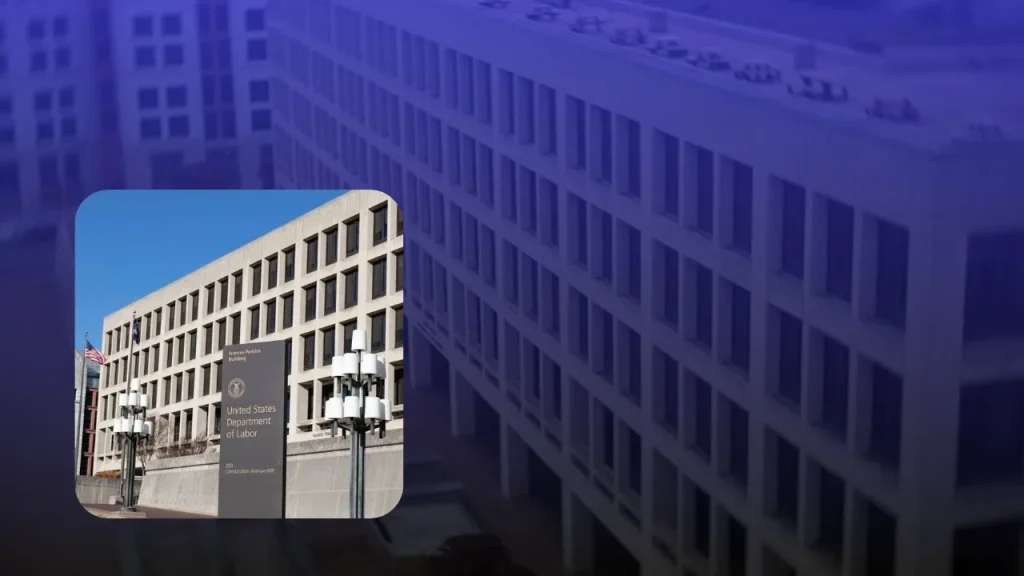
On November 16, 2026, the U.S. Department of Labor (DOL) proposed an overhaul of the PERM labor certification program that employers use to sponsor foreign workers for many employment-based green cards. DOL describes it as the first comprehensive proposed update to PERM recruitment regulations in nearly two decades. The proposal would require at least 90 days of recruitment, bar certain PERM filings after recent layoffs of U.S. workers, and eliminate Schedule A, the streamlined route used for nurses and physical therapists.
These changes are not in effect. This is a proposed rule. Current PERM regulations still apply, and the proposal does not automatically cancel pending green card applications or previously approved labor certifications.
Department of Labor PERM Proposed Rule: Quick Facts
| Question | Answer |
| Announced | November 16, 2026 |
| Federal Register publication | November 17, 2026 (scheduled) |
| Agency | U.S. Department of Labor |
| Proposed rule title | Modernizing the Labor Market Test and Improving Protections for U.S. Workers in the PERM Immigrant Visa Program |
| Docket | ETA-2026-0133 |
| RIN | 1205-AC29 |
| Federal Register document | 2026-23370 |
| Recruitment period | At least 90 calendar days |
| Layoff restriction | Two years, same or similar occupation and area of intended employment |
| Schedule A | Proposed to be eliminated |
| Public comment period | 60 days after Federal Register publication |
| Proposed timing | Effective 60 days after a final rule, then a 30-day transition before new requirements generally apply to filings |
| Rule status | Proposed, not final |
Sources: DOL’s proposed rule (Federal Register public inspection copy 2026-23370) and reporting by International Business Times on November 16, 2026.
Why Is the Department of Labor Proposing a PERM Overhaul?
DOL says the PERM recruitment framework no longer matches how employers hire. Current rules require a 30-day State Workforce Agency job order and newspaper advertisements, while many employers now recruit through company websites, job boards and social media. DOL also says it wants U.S. workers, including those recently laid off, to get real consideration before an employer obtains certification to sponsor a foreign worker permanently.
Employers and immigration lawyers may respond with concerns about cost, delay and genuine labor shortages. Those arguments are likely to appear in the public comments.
What Is PERM and How Does It Affect Employment-Based Green Cards?
PERM is the labor certification employers generally must obtain before sponsoring workers in the EB-2 and EB-3 categories. Under Immigration and Nationality Act § 212(a)(5)(A), 8 U.S.C. § 1182(a)(5)(A), the employer must show there are not enough able, willing, qualified and available U.S. workers for the job, and that hiring the foreign worker will not adversely affect the wages and working conditions of similarly employed U.S. workers.
PERM certification is not a green card. It is one stage. After certification, the employer generally files Form I-140 with USCIS, and the worker completes adjustment of status or consular processing when a visa number is available. Some applicants, such as certain EB-1 and EB-2 National Interest Waiver cases, do not need ordinary PERM certification.
What Would the Proposed DOL PERM Rule Change?
90-Day Recruitment Under the Proposed 20 CFR Part 656 Changes
Employers would have to advertise a position for at least 90 calendar days while actively recruiting qualified U.S. workers. If an employer normally advertises comparable jobs for longer, the longer period would apply. The 90-day period replaces the current 30-day job order as the baseline.
Online Recruitment Instead of Newspaper Ads Under the DOL Proposal
DOL proposes replacing the newspaper requirement with online recruitment through employer websites, job-search platforms and State Workforce Agencies. Employers would also have to use social media when they routinely use it for similar jobs. Other methods include job fairs, campus recruitment and educational placement offices.
Two-Year Layoff Restriction on PERM Filings
Employers that laid off U.S. workers in the same or similar occupation and area of intended employment during the preceding two years would generally be prohibited from filing affected PERM applications. Today’s rules generally require employers to consider U.S. workers laid off within the previous six months. The proposal would also require employers to notify DOL of certain layoffs that occur after filing, with those duties continuing through the immigrant petition process, including cases involving staffing companies.
This is not a blanket two-year ban on all green card sponsorship by any company that has had layoffs. It is tied to the occupation and area involved.
For a related enforcement action, see Microsoft H-1B Suspension News, J.D Vance Announces PERM Green Card Suspension, What Workers Need to Know. That is a separate, company-specific matter, not part of this rulemaking.
Elimination of Schedule A for Nurses and Physical Therapists
Schedule A currently covers professional nurses, physical therapists and certain workers of exceptional ability in the sciences, arts or performing arts. Employers can submit the labor certification documentation directly to USCIS with Form I-140 instead of completing the standard DOL recruitment process. DOL proposes eliminating Schedule A. It says it can no longer show nationwide shortages in these occupations and argues the Immigration and Nationality Act does not authorize exempting whole occupational categories from the labor market test.
Schedule A has not been eliminated as of November 17, 2026. The current rules stay available until a final rule changes them.
Who Would Be Most Affected by the Proposed PERM Changes?
| Group | Potential effect |
| H-1B workers seeking green cards | Longer employer recruitment before a PERM filing |
| EB-2 and EB-3 applicants | Possible delays in future PERM filings |
| Registered nurses | Loss of the Schedule A route |
| Physical therapists | Would generally need standard PERM recruitment |
| Technology employers | Longer advertising and added layoff-related limits |
| U.S. workers laid off in the same occupation | Stronger layoff safeguards |
| Employers and immigration attorneys | More recruitment and compliance work |
Actual effects depend on the final rule, the worker’s category and the stage of the case.
Will the DOL PERM Proposal Affect Pending PERM, I-140 and Green Card Applications?
No automatic effect. The proposal does not cancel pending green card applications or approved labor certifications. DOL has proposed a transition: applications submitted before the transition deadline would continue to be reviewed under existing rules. That structure could change before a final rule.
- PERM already filed or approved: the proposal does not by itself require a new filing.
- Recruitment started but PERM not filed: this is the riskiest middle ground, because the filing date may decide which rules apply.
For a separate USCIS dispute over adjustment of status, see Trump Green Card Policy Lawsuit, USCIS Rules Challenged Over Adjustment of Status and RFE Denials.
Does the DOL PERM Proposal Change H-1B Status?
No. The proposal does not directly amend the H-1B program or every category of employment-based permanent residence. H-1B is temporary status, while PERM concerns labor certification for permanent residence. Workers facing layoffs should separately review H-1B 60-Day Grace Period 2026, Has DHS Ended the Time Workers Get After Losing a Job?.
Longer recruitment could still push back a future PERM filing, and the PERM filing date generally sets the priority date in PERM-based cases.
When Would the DOL PERM Rule Take Effect?
No effective date exists yet.
| Stage | Timing |
| Proposal announced | November 16, 2026 |
| Federal Register publication | November 17, 2026 |
| Public comments | 60 days after publication (about January 16, 2027; confirm on Regulations.gov) |
| Final rule | Not yet issued |
| If finalized | Effective 60 days after publication, then a 30-day transition before the new requirements generally apply to filings |
How Can You Comment on DOL Docket ETA-2026-0133?
- Go to Regulations.gov.
- Search for docket number ETA-2026-0133.
- Open the proposed PERM rule and choose the option to comment.
- Explain which provision you support or oppose and why.
- Submit before the closing date shown on the docket.
Comments may be posted publicly, so leave out confidential employment records and sensitive personal details.
Could the DOL PERM Overhaul Be Challenged in Court?
A final rule could be challenged, but no court has ruled on this proposal. The Administrative Procedure Act requires notice and comment under 5 U.S.C. § 553 and allows courts to review final agency action under 5 U.S.C. § 706. Possible disputes include whether DOL justified ending Schedule A and whether the new limits fit the Immigration and Nationality Act. Those are open questions, not findings that the proposal is unlawful.
What Should Employers and Green Card Applicants Do Now?
Workers should confirm whether their employer has started recruitment, filed Form ETA-9089, received PERM approval or filed Form I-140. Employers should review recruitment records, prevailing wage determinations and any recent layoffs. Healthcare employers that rely on Schedule A should plan for its possible end. Anyone planning a filing should speak to a qualified immigration attorney rather than assume that filing quickly guarantees treatment under the old rules.
Frequently Asked Questions About the Department of Labor PERM Overhaul
Is the new PERM rule in effect in November 2026?
No. It is a proposed rule. Current PERM rules apply until a final rule takes effect.
Will every PERM application require 90 days of recruitment?
Under the proposal, employers would generally recruit for at least 90 calendar days, or longer if they normally advertise comparable jobs for longer.
Is DOL banning PERM filings after layoffs?
Not yet. The proposal would generally bar affected filings by employers that laid off U.S. workers in the same or similar occupation and area within the previous two years.
Are nurses losing the Schedule A exemption?
DOL proposes to eliminate Schedule A, but it remains available under current regulations.
Does the proposal cancel approved labor certifications or pending green card applications?
No. It does not automatically cancel them.
When is the comment deadline for ETA-2026-0133?
Comments are open for 60 days after the November 17, 2026 Federal Register publication. Confirm the exact date on Regulations.gov.
The Bottom Line on the DOL PERM Overhaul
The Department of Labor’s proposal would make employer-sponsored green cards slower and more scrutinized: 90-day recruitment, online advertising, a two-year layoff bar and no more Schedule A. But the essential fact is that none of it is law yet. Current PERM rules govern, the comment period is open, and the final rule may differ from this proposal. This article will be updated when the comment deadline passes or a final rule is issued.
Primary Sources and Federal Legal Authorities
- DOL Proposed PERM Rule, Federal Register Document 2026-23370 (public inspection PDF)
- DOL Office of Foreign Labor Certification: PERM Program
- 20 CFR Part 656: Labor Certification Process for Permanent Employment
- 8 U.S.C. § 1182(a)(5)(A)
- 5 U.S.C. § 553
- Regulations.gov, docket ETA-2026-0133
Disclaimer: AllAboutLawyer.com provides legal information, not legal advice. Immigration outcomes depend on individual facts. Consult a qualified U.S. immigration attorney before making filing or employment decisions.
Researched and written by Israr Ahmad, legal content researcher and founder of AllAboutLawyer.com. All facts verified against the Department of Labor’s proposed rule (Federal Register document 2026-23370, docket ETA-2026-0133) and the Immigration and Nationality Act, as of November 17, 2026. Last Updated: November 17, 2026.
About the Author
Israr Ahmad is a legal content researcher with 4+ years of experience covering class action settlements and consumer rights cases. He has researched and published coverage of 2,500+ settlements using verified court records, settlement administrator filings, and government sources. Learn more about Israr.