
The Container Store $780,000 Accessibility Settlement, Legally Blind Massachusetts Shoppers Can Claim $75 Per Purchase
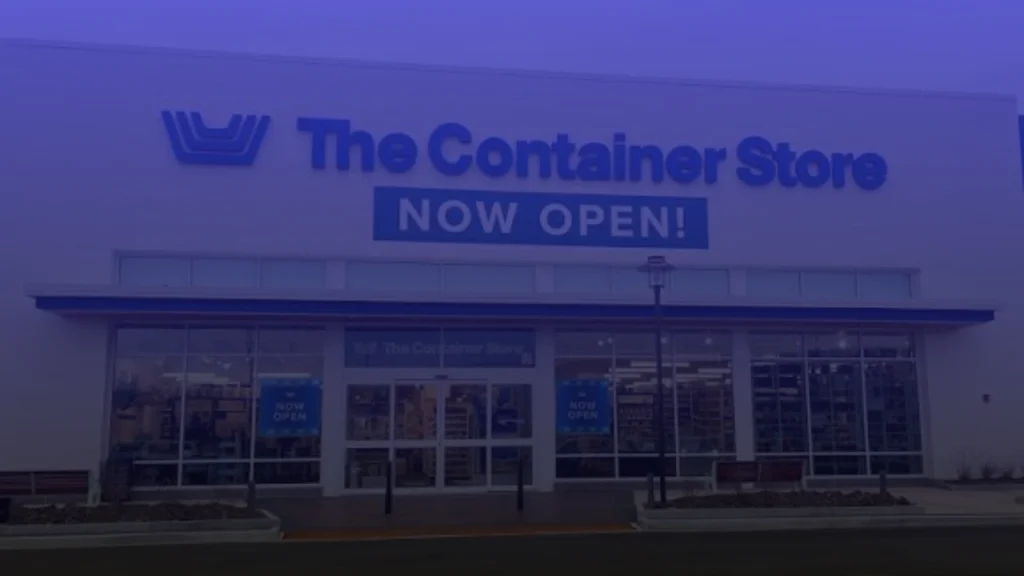
The Container Store has agreed to a $780,000 class action settlement over touch screen checkout devices that legally blind customers could not use on their own. Legally blind shoppers who bought something at a Massachusetts store and tried to credit the purchase to the company’s loyalty program may be able to claim $75 for each qualifying purchase. The claim deadline is December 20, 2026. The Container Store denies any wrongdoing.
Deadline alert: Anyone who wants to object to the settlement must have the objection received by the administrator by October 9, 2026. The settlement is not yet final.
Official settlement website: TCSSettlement.com | Official claim form: Claim form (PDF)
Container Store Accessibility Settlement Quick Facts
| Detail | Information |
| Case | Cadigan, et al. v. The Container Store, Inc. |
| Case number | 2084CV02119 |
| Court | Massachusetts Superior Court, Suffolk County |
| Defendant | The Container Store, Inc. |
| Total settlement | $780,000 |
| Damages fund for class members | $230,000 (administration costs are paid from it) |
| Payment | $75 per qualifying purchase, reduced pro rata if valid claims exceed the fund |
| Who is covered | Legally blind customers who made a Massachusetts store purchase between July 20, 2011 and August 12, 2026 and tried to credit it to the loyalty program |
| Proof required | Proof of legal blindness and details of each qualifying purchase |
| Objection deadline | October 9, 2026 (must be received by the administrator) |
| Final approval hearing | October 29, 2026, 2:00 p.m. ET |
| Claim deadline | December 20, 2026 |
| Official settlement website | TCSSettlement.com |
| Official claim form | Claim form (PDF) |
| Settlement administrator | CPT Group, Inc., 1-888-716-1143, [email protected] |
| Status | Preliminary approval granted; final approval pending |
What Is the Lawsuit About?
The lawsuit claims The Container Store used point-of-sale devices that blind customers could not use independently. The touch screens had no non-visual way to enter the information needed to credit a purchase to the loyalty program. The plaintiffs say that violated three Massachusetts laws: the Public Accommodations Act, the Equal Rights Act and the Consumer Protection Law.
Mark Cadigan and Mika Pyyhkala filed the case in Suffolk Superior Court on September 16, 2020. The Container Store disputes the allegations and denies any violation. The settlement resolves the case without a court finding that it broke the law.
This is a different matter from an earlier federal case in which the National Federation of the Blind and other plaintiffs challenged similar touch screen devices under the Americans with Disabilities Act.
Who Qualifies?
You are in the class only if all of the following apply:
- You made a purchase at a Container Store location in Massachusetts between July 20, 2011 and August 12, 2026.
- You were legally blind or had a vision-related disability requiring assistive technology to access visual information when you made the purchase.
- You tried to credit the purchase to a new or existing account in The Container Store’s loyalty program.
- You encountered a touch screen kiosk or other device with no non-visual method for entering the information.
The purchase does not have to be recent. A qualifying purchase from years ago can count if you meet the other requirements and can provide the required proof.
How Much Is the Payment?
Eligible claimants can receive $75 for each qualifying purchase. Two qualifying purchases could initially mean $150 and three could mean $225, before any reduction.
The $75 is not guaranteed. The damages fund is $230,000, and it also pays administration costs. If valid claims add up to more than the fund can cover, everyone’s payment is reduced pro rata based on the number of qualifying purchases claimed.
As a rough illustration, not an official figure: administration costs are estimated at no more than $12,500, which leaves about $217,500. That is enough for full $75 payments on about 2,900 qualifying purchases. If claims go beyond that, payments would shrink.
Checks expire 90 days after they are issued. If a check is lost or destroyed, you can ask for a replacement within that period.
Where the $780,000 Goes
| Item | Amount |
| Damages fund for class member payments (and administration costs) | $230,000 |
| Attorneys’ fees and costs | Up to $495,000, subject to court approval |
| Service awards to the two class representatives | $27,500 each ($55,000 total), subject to court approval |
Those three items add up to the full $780,000. If money is left after the damages fund is distributed, including from uncashed checks, the agreement says it goes to the Carroll Center for the Blind, subject to court approval. It does not go back to The Container Store.
What Proof Do You Need?
The claim form requires proof of legal blindness. Acceptable proof includes:
- A Certificate of Blindness
- A Massachusetts Commission for the Blind identification card
- Medical documentation showing legal blindness
You must also describe each qualifying purchase, including the approximate date, the Massachusetts store location and transaction details. The administrator can ask for more information, and claim forms are signed under penalty of perjury.
How to File a Claim
- Gather your proof of legal blindness and your purchase details.
- File online through the settlement website. If you received a settlement notice, you may need the ID and passcode printed on it. Or print the claim form and mail it with your proof to: Cadigan v. The Container Store, Inc., c/o CPT Group, Inc., PO Box 19504, Irvine, CA 92623.
- Sign under penalty of perjury and submit by December 20, 2026.
December 20, 2026 falls on a Sunday. The agreement says a deadline landing on a weekend or legal holiday moves to the next business day, but do not count on that. File earlier.
Questions go to CPT Group at 1-888-716-1143 or [email protected].
What Will The Container Store Change?
The settlement also requires changes at the stores, whether or not you file a claim:
- Install and use accessible kiosks with speech-guided interaction that meets WCAG 2.1 AA and ADA standards, so blind customers can independently enroll in the loyalty program and register purchases.
- Massachusetts stores get the kiosks within seven months of final approval. The rest of its continental U.S. stores follow within ten months after that, except California, which is covered by a separate agreement.
- Keep at least one working accessible kiosk in every store, including new stores opened through December 31, 2027, and keep maintaining one afterward.
- Train employees on the kiosks and on helping blind customers, including telling them where the kiosk is and inviting them to use it.
- Let class counsel’s accessibility expert test the kiosks.
Your Options and Deadlines
| Option | What it does | Deadline |
| Submit a claim | The way to receive money | December 20, 2026 |
| Object | Ask the court to reject or change the settlement while staying in the class | Received by the administrator by October 9, 2026 |
| Attend the hearing | Optional; you do not have to attend even if you object | October 29, 2026, 2:00 p.m. ET |
| Do nothing | No money; you are still bound by the settlement and its release | None |
How to object: Send a written objection to the administrator by mail or email. It must be received by October 9 and include your name, mailing address, email address and phone number; a clear explanation of why you object; whether you or someone for you plans to appear at the hearing; and your signature.
About opting out: The settlement agreement lets class members request exclusion from the money portion only. No one can opt out of the release for the injunctive relief (the store changes). The official notice does not give separate exclusion instructions. If you want to keep your right to seek damages on your own, call the administrator right away at 1-888-716-1143 and consider talking to your own lawyer.
If you stay in the class, you give up claims against The Container Store over inaccessible point-of-sale devices, including claims under the three Massachusetts laws above.
Final Approval Hearing
The fairness hearing is set for October 29, 2026, at 2:00 p.m. ET at Suffolk Superior Court, 3 Pemberton Square, 12th Floor, Boston, MA 02108. The court will decide whether to grant final approval. The settlement is not yet final.
When Will Payments Go Out?
There is no payment date yet. Payments depend on final court approval and on the resolution of any appeal. Valid claims are processed after that. Check the settlement website for updates.
Key Dates
| Date | Event |
| July 20, 2011 | Class purchase period begins |
| September 16, 2020 | Lawsuit filed |
| August 12, 2026 | Class purchase period ends |
| October 9, 2026 | Objection deadline |
| October 29, 2026, 2:00 p.m. ET | Final approval hearing |
| December 20, 2026 | Claim deadline |
Frequently Asked Questions
What is the Container Store accessibility settlement about?
It resolves claims that The Container Store’s touch screen checkout devices in Massachusetts could not be used by blind customers to enroll in the loyalty program or register purchases to it.
How much can I get?
$75 for each qualifying purchase, reduced pro rata if valid claims exceed the damages fund.
Who is eligible?
Legally blind people who bought something at a Massachusetts Container Store between July 20, 2011 and August 12, 2026, tried to credit the purchase to the loyalty program, and encountered a device with no non-visual input method.
Do I need to live in Massachusetts?
The class is defined by purchases made at Massachusetts stores, not by where you live.
Do I need proof?
Yes. You must provide proof of legal blindness, such as a Certificate of Blindness, a Massachusetts Commission for the Blind ID card or medical documentation, and details of each qualifying purchase.
What is the claim deadline?
December 20, 2026.
Can I still object?
Only until October 9, 2026. The administrator must receive your written objection by then.
Do I have to go to the hearing?
No. The hearing is October 29, 2026 in Boston, but you do not have to attend, even if you object.
What happens to leftover money?
It goes to the Carroll Center for the Blind, subject to court approval, not back to The Container Store.
Will the stores change?
Yes. The company must install accessible, speech-guided kiosks, starting in Massachusetts, and train employees.
Is The Container Store admitting wrongdoing?
No. It denies the allegations, and the court has not ruled on them.
What if I do nothing?
You get no money and are still bound by the settlement and its release if it is approved.
Sources
- Court-authorized settlement website, Cadigan, et al. v. The Container Store, Inc.: https://www.tcssettlement.com/
- Settlement documents page: https://www.tcssettlement.com/Documents
- Settlement dates page: https://www.tcssettlement.com/Dates
- Long Form Notice, Civil Action No. 2084CV02119: https://www.tcssettlement.com/Content/Docs/Long%20Form%20Notice%20%28Accessible%29.pdf
- Class Settlement Agreement: https://www.tcssettlement.com/Content/Docs/Settlement%20Agreement%20%28Accessible%29.pdf
- Claim Form: https://www.tcssettlement.com/Content/Docs/Claim%20Form%20%28Accessible%29.pdf
- Claim Depot, “The Container Store $780,000 Accessibility Settlement,” October 7, 2026: https://www.claimdepot.com/settlements/tcs-settlement
- CourtListener, Nat’l Fed’n of the Blind v. Container Store, Inc. (1st Cir. 2018): https://www.courtlistener.com/opinion/4535465/natl-fedn-of-the-blind-v-container-store-inc/
Disclaimer: This article is for general information only and is not legal advice. AllAboutLawyer.com is not a law firm and does not provide legal representation. Settlement terms, deadlines and payment amounts can change, so confirm the latest information on the official settlement website before filing a claim or objecting.
By Israr Ahmad, Legal Content Researcher | Published October 8, 2026
About the Author
Israr Ahmad is a legal content researcher with 4+ years of experience covering class action settlements and consumer rights cases. He has researched and published coverage of 2,500+ settlements using verified court records, settlement administrator filings, and government sources. Learn more about Israr.