
Al Gore Warns Congress Against the BAAJA Permitting Bill, What the Bipartisan American Affordability and Jobs Act Would Change
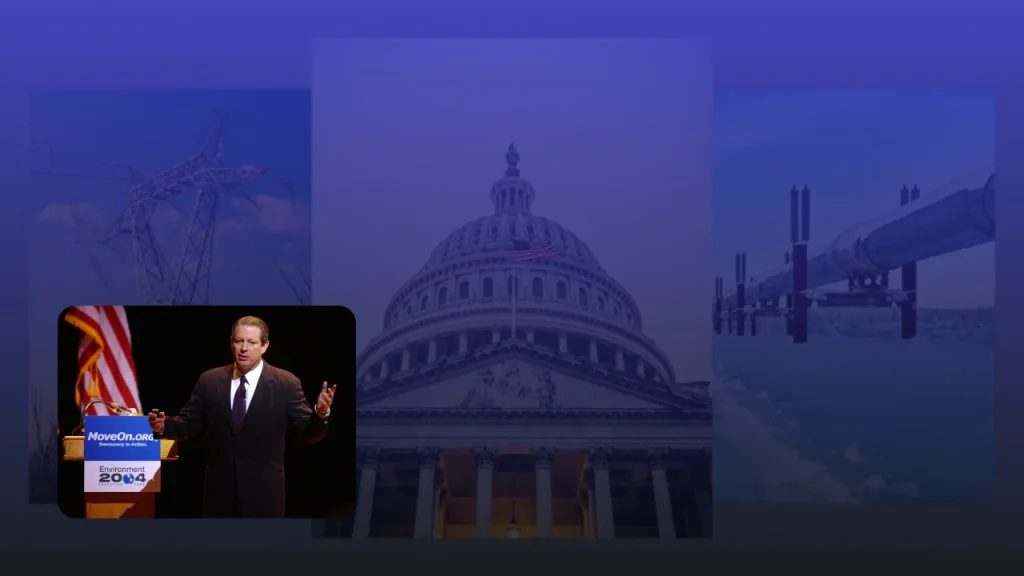
Updated November 19, 2026. Former Vice President Al Gore is urging Congress not to pass the Bipartisan American Affordability and Jobs Act of 2026 (BAAJA) during the lame-duck session. The bill would rewrite how federal agencies review and approve pipelines, power lines, mines, data centers and other major projects. The Senate has advanced it, but it is not law.
Where it stands: The Senate voted 73–25 on November 9 to begin debate. On November 18 it adopted a substitute amendment, 69–27, and voted 65–31 to move toward a final vote. Final Senate passage has not been confirmed in the sources checked for this update. The House has not acted, and no permitting rule has changed.
BAAJA Environmental Bill 2026: Quick Facts
| Question | Answer |
| Official name | Bipartisan American Affordability and Jobs Act of 2026 (BAAJA) |
| Bill number | S. 5653 (introduced September 30, 2026) |
| Senate vehicle | H.R. 2347, with a substitute amendment |
| Sponsors | Sens. Mike Lee (R-Utah), Shelley Moore Capito (R-W.Va.), Sheldon Whitehouse (D-R.I.), Martin Heinrich (D-N.M.) |
| November 9 vote | 73–25 to begin debate |
| November 18 votes | 69–27 to adopt the substitute; 65–31 to move toward final passage |
| Al Gore’s position | Opposes the bill as written |
| President Trump’s position | Supports passage |
| Laws affected | NEPA, Clean Water Act, Endangered Species Act, National Historic Preservation Act, Federal Power Act |
| Is BAAJA law? | No |
| Next step | Final Senate vote, then House approval, then presidential signature |
Why Is Al Gore Opposing BAAJA?
Gore came out against the bill on November 9 and repeated his concerns from the COP31 climate summit in Antalya, Turkey, in mid-November. He agrees the United States needs faster permitting for clean energy. His objection is to this version of the bill.
His main points:
- The bill gives too much discretion to the Trump administration.
- It does not separate clean-energy projects from fossil-fuel projects, so gas pipelines and similar projects would also move faster.
- Congress should wait until the Democratic majorities elected in November 2026 take office in January 2027.
Environmental, civil-rights and tribal groups share these concerns, including Earthjustice, the Sierra Club, the Natural Resources Defense Council, the ACLU and the National Congress of American Indians.
What Is the Bipartisan American Affordability and Jobs Act?
BAAJA is a four-senator compromise on federal permitting. Supporters say long reviews and court fights delay power lines, grid upgrades, wind and solar projects and fossil-fuel projects alike. Heinrich and Whitehouse argue that Democrats should secure transmission and permitting reform now. Capito, Lee, business groups and President Trump back it as a way to speed up domestic energy production.
How Would BAAJA Change the National Environmental Policy Act (NEPA)?
NEPA generally requires federal agencies to study the environmental effects of major actions before approving them. Under BAAJA:
- The scope of reviews would be narrowed and some exclusions expanded.
- Review procedures and timelines would be tightened.
- Challenges to agency decisions would face stricter rules.
- Courts would face limits on halting or vacating a permit when a review is found defective. An agency could fix its analysis while construction continues.
That last point is the most disputed. A court finding that a review was inadequate would not always lead to the same practical result as under current law. The outcome would depend on the specific action and the court’s order.
Would BAAJA Make It Harder to Sue Over Federal Permits?
For some challenges, yes. The revised bill sets 150-day deadlines for certain lawsuits against federal authorizations and limits some remedies. It does not end all environmental litigation, and state-law and other claims would need separate analysis.
For a current example of environmental litigation that BAAJA would not decide, see SpaceXAI Mississippi Data Center Lawsuit, Judge Rejects xAI’s Bid to Dismiss NAACP Clean Air Act Case as Southaven Residents Pursue Noise Claims. That case involves Clean Air Act and community claims, not BAAJA.
What Would BAAJA Change Under the Clean Water Act and Endangered Species Act?
- Clean Water Act: The bill would narrow what states and tribes can consider in certain Section 401 water-quality reviews and extend some discharge permits from five to ten years.
- Endangered Species Act: It would shorten certain consultation timelines.
- Federal Power Act: It would expand transmission planning and cost-allocation provisions.
Supporters say this gives regulatory certainty. Opponents say it reduces chances to catch new pollution risks. The bill amends these laws. It does not repeal them.
Why Are Native American Tribes Concerned About BAAJA?
Tribal groups, including the National Congress of American Indians, say the bill could limit consultation and legal remedies involving cultural sites, water and historic places under the National Historic Preservation Act. Sen. Heinrich has said the substitute amendment added tribal feedback and stronger consultation language, but disagreement remains. Sen. Catherine Cortez Masto (D-Nev.) has said she could oppose final passage if the historic-preservation changes are not addressed. Tribal rights also arise from treaties, trust obligations and other federal law, so the effect would depend on the provision and project.
Would BAAJA Lower Electricity Bills and Make AI Data Centers Pay More?
Electricity bills: The White House Council of Economic Advisers projects average household savings of roughly $178 to $251 per year. These are administration estimates, not guaranteed rate cuts. Actual bills depend on fuel prices, local demand, state utility regulation, weather and how fast new infrastructure is built.
Data centers: The bill directs the Federal Energy Regulatory Commission (FERC) to revise transmission pricing for large computing loads, to limit shifting costs onto households and other customers. It also proposes a Data Center Community Assistance Program, in which the Department of Energy would give state, local and tribal governments technical information on demand, infrastructure costs, water use and local tax effects. This is not a guarantee that every data center pays every local utility cost.
For a separate local dispute over a large data center, see OpenAI’s $20 Billion Project Camellia Lawsuit in Effingham County, Georgia, Residents Allege Secret Land Deal, Fraud and Racketeering. Can the Data Center Be Stopped?
Could BAAJA Speed Up Oil and Gas Pipelines?
Yes. The bill would streamline some approvals for natural gas and other energy infrastructure and extend “project certainty” protections. This is a central concern for Gore. A gas pipeline and a transmission line carrying wind and solar power could both be approved faster, but their climate effects differ. BAAJA is neither purely a clean-energy bill nor purely a fossil-fuel bill.
Why Are Senate Democrats Divided Over BAAJA?
Whitehouse and Heinrich say the current window is the best chance for bipartisan reform, and that waiting risks losing it. Gore and many environmental groups say the bill gives up too much and that a Democratic Congress in 2027 could negotiate a stronger version. Others, including Sen. Jeff Merkley (D-Ore.), have said they had reservations and hoped to improve the bill. This is a disagreement over how to expand clean energy while keeping oversight, not a split between supporters and opponents of the environment.
For broader context on federal energy-policy litigation, see Lighthiser v. Trump, 22 Young Americans Suing the President Over Fossil Fuel Executive Orders Here Is Where the Case Stands. That is separate constitutional litigation and would not be resolved by BAAJA.
Has Congress Passed the BAAJA Act?
No. The November 18 votes were procedural steps, not final passage. The Senate is using H.R. 2347, which originally concerned an unrelated tax matter, as its vehicle, so older records may show a different description. If the Senate passes it, the House must approve the same text before it goes to the President. If that does not happen before the 119th Congress ends, the bill dies and must be reintroduced in the new Congress in January 2027.
How Could BAAJA Affect Homeowners, Utilities, Tribes and Developers?
| Group | Possible effect if enacted |
| Homeowners near large projects | Different federal review and lawsuit procedures |
| Electricity customers | Possible cost-allocation protections and long-term grid benefits |
| Data center developers | New transmission pricing rules and faster permitting |
| Renewable developers | Faster approval for some facilities and power lines |
| Oil and gas companies | More predictability for qualifying federal approvals |
| Tribal governments | Changes to review, consultation and remedies |
| Local governments | New information and assistance on data-center proposals |
| Environmental groups | Shorter filing windows and changed remedies in some cases |
These are possible effects, not rules in force. Local zoning and state environmental laws still apply.
What Can Residents Do if a Large Energy Project Is Proposed Near Them?
- Identify the federal agency and review process for the specific project. Do not assume BAAJA controls it.
- Watch for agency notices and read the environmental documents.
- File specific, evidence-based comments before the deadline.
- Check the limitations period early if you may sue. Deadlines differ by statute and decision.
Until BAAJA is enacted, existing law governs.
BAAJA Timeline: September 30 to January 2027
| Date | Development |
| September 30, 2026 | S. 5653 introduced |
| November 7 | Substitute amendment released |
| November 9 | Senate votes 73–25 to begin debate; Gore publicly opposes the bill |
| November 16 | Gore repeats his opposition from COP31 in Antalya |
| November 18 | Senate adopts substitute 69–27; votes 65–31 to move toward final passage |
| November 19 | Final Senate vote not confirmed in sources checked |
| January 2027 | New Congress convenes |
Frequently Asked Questions About Al Gore and the BAAJA Bill
What bill is Al Gore opposing in 2026?
The Bipartisan American Affordability and Jobs Act of 2026 (BAAJA), a permitting and environmental-review overhaul.
Did Al Gore write BAAJA?
No. Sens. Lee, Capito, Whitehouse and Heinrich negotiated it. Gore opposes the current version.
Is BAAJA law yet?
No. The Senate has advanced it, but final passage, House approval and the President’s signature are all still required.
Would BAAJA repeal NEPA, the Clean Water Act or the Endangered Species Act?
No. It amends specific provisions and procedures.
Could the BAAJA bill save households $250 a year on electricity?
The White House projects $178 to $251 in average annual savings. That is an estimate, not a guaranteed cut or a payment.
Could environmental groups still sue under BAAJA?
Yes, but some federal permit challenges would face shorter deadlines and limited remedies.
What happens if the Senate passes BAAJA?
The House must pass the same text, and the President must sign it.
Bottom Line: Where the BAAJA Fight Stands on November 19, 2026
BAAJA could speed up transmission lines, renewable projects, pipelines and data centers, and it could also narrow environmental review and court remedies. Supporters and critics are both describing real provisions. As of November 19, 2026, Congress has not enacted it. The next milestone is the Senate’s final vote, then the House. This article will be updated as that happens.
Sources
- U.S. Senate Energy and Natural Resources Committee: sponsors’ announcement, September 30, 2026
- U.S. Senate Energy and Natural Resources Committee: November 7 substitute amendment (PDF)
- U.S. Senate Periodical Press Gallery: floor log
- Congressional Research Service: BAAJA Summary of All Sections, R49506
- White House: Statement of Administration Policy on S. 5653 (PDF)
- GovInfo: S. 5653 as introduced
- National Association of Counties: Senate advances BAAJA in initial procedural vote
- Al Jazeera: US Senate advances major bill boosting energy infrastructure
This article is general legal information, not legal advice.
Researched and written by Israr Ahmad, legal content researcher and founder of AllAboutLawyer.com. All facts verified against Senate records and committee releases, the White House policy statement and published news coverage, as of November 19, 2026. Last Updated: November 19, 2026.
About the Author
Israr Ahmad is a legal content researcher with 4+ years of experience covering class action settlements and consumer rights cases. He has researched and published coverage of 2,500+ settlements using verified court records, settlement administrator filings, and government sources. Learn more about Israr.