
Judge Charlotte Sweeney Finds ICE in Contempt Over Colorado Re-Arrests, What the November 18 Ruling Means
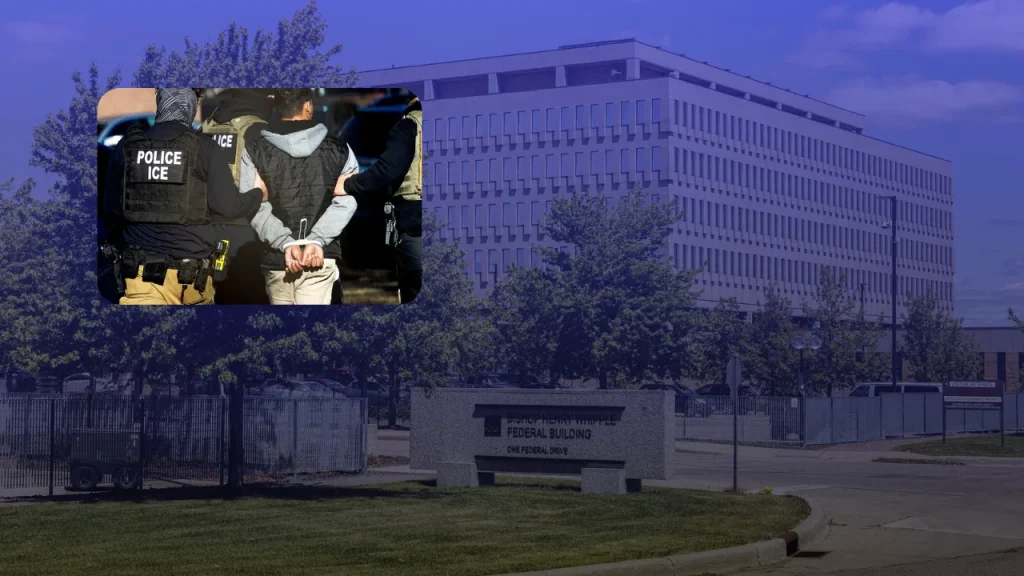
A federal judge in Colorado has found Immigration and Customs Enforcement (ICE) officials in civil contempt of court after agents immediately re-arrested an immigrant she had ordered released from detention.
In a 15-page ruling issued November 18, 2026, U.S. District Judge Charlotte N. Sweeney concluded that ICE Assistant Field Office Director Nichole Black and the federal government respondents violated a release order involving Ramon Quintero Alvarez, a Mexican national who has lived in the United States for more than 30 years. She wrote that the practice of immediately re-detaining released petitioners “made a mockery of court orders.”
The case is Quintero Alvarez v. Baltazar, No. 1:26-cv-04891-CNS, in the U.S. District Court for the District of Colorado. Court records identified 18 similar re-detentions in Colorado.
Sweeney found the conduct contemptuous but imposed no further sanctions, because ICE’s acting Denver field director testified under oath that the practice had stopped. Quintero Alvarez was released, and the judge closed his case.
The ruling is not a criminal conviction of any ICE official, and it is not a ban on lawful immigration arrests. It does say that an order to release someone isn’t satisfied by letting the person walk outside and then arresting them again right away.
Quick Facts
| Question | Confirmed information |
| Judge | U.S. District Judge Charlotte N. Sweeney |
| Court | U.S. District Court, District of Colorado |
| Case | Quintero Alvarez v. Baltazar |
| Case number | 1:26-cv-04891-CNS |
| Person ordered released | Ramon Quintero Alvarez |
| ICE official named in the contempt finding | Nichole Black, assistant field office director |
| Acting ICE Denver field director | Nathan Rasper |
| Original conditional release order | October 20, 2026 |
| Release and immediate re-arrest | October 27, 2026 |
| Evidentiary hearings | November 4 and November 9, 2026 |
| Contempt ruling | November 18, 2026 |
| Similar Colorado incidents identified | 18 |
| Fines or jail time imposed | None |
| Detainee released | Yes |
| Status of this habeas case | Closed |
| Compensation or class settlement | None |
The full text is in the November 18 federal court order.
Who Is Ramon Quintero Alvarez?
Ramon Quintero Alvarez was born in Mexico and entered the United States with his mother around 1993 or 1994. According to Judge Sweeney’s ruling, he has lived in the country for more than three decades, including about 12 years in Wyoming, and he has two sons who are U.S. citizens. He had been in immigration detention since February 2026, held at the privately run detention center in Aurora, Colorado.
He had earlier encounters with the criminal justice system, but the charges from his most recent arrest were dropped on April 24, 2026, according to the court record. That mattered at the contempt hearing. An ICE supervisor testified that certain detainees were targeted for immediate re-arrest because of criminality, but she agreed it was fair to say her information that Quintero Alvarez had pending charges was inaccurate.
Why did he file a habeas corpus petition?
Quintero Alvarez, who filed without a lawyer, challenged his detention through a federal habeas corpus petition. Habeas corpus lets a detained person ask a federal court whether the government has lawful authority to keep holding them. Federal habeas jurisdiction rests in part on 28 U.S.C. § 2241. The government did not file the required response explaining why he should stay detained, and the court’s order directed his release.
How Did ICE Re-Arrest Him After the Release Order?
Judge Sweeney’s October 20 order required the government to justify Quintero Alvarez’s continued detention by October 27. If it didn’t, he was to be released within 24 hours. The government didn’t provide the justification.
On October 27, ICE released him. The release lasted only moments. According to sworn testimony described in the ruling, agents returned his belongings, let him walk into a public area outside the facility, and took him back into custody.
What did the government’s November 3 report say?
In a status report, the government said Quintero Alvarez had been released on October 27 and “immediately re-detained,” and that he remained in custody. Its lawyers did not argue the new detention was lawful. That led Judge Sweeney to order an evidentiary hearing and to require senior ICE personnel to explain what happened.
The question before her wasn’t whether ICE has general authority to arrest people. It was whether ICE disobeyed a specific court order requiring release.
What Did ICE Official Nichole Black Tell the Court?
At the November 4 hearing, Black testified about instructions she received for detainees ordered released in habeas cases. She said they came through Deputy Field Office Director George Valdez and originated with Acting Field Office Director Nathan Rasper. She understood the policy to allow immediate re-arrest of certain people identified as having criminal histories or related concerns. She knew about the order requiring Quintero Alvarez’s release, and she said she did not believe re-detaining him would violate it, because ICE had let him enter a public area first.
Judge Sweeney rejected that reasoning. Moving a person outside a facility does not satisfy a release order if the government immediately resumes the same detention without an adequate legal basis. In her written ruling, she said a belief that agents could re-shackle a petitioner a minute after a court-ordered release has no support in the Constitution.
What Did Nathan Rasper Say?
Rasper testified at a second hearing on November 9. He acknowledged that he introduced the approach on October 27. According to the ruling and news coverage of the hearing, he said he had heard from ICE colleagues in Minnesota that immediate re-arrests after certain judicial releases were permissible. He said he consulted ICE’s legal advisors and believed agents could correct “paperwork errors” on arrest forms and then make a new arrest under statutory authority. He didn’t personally review Quintero Alvarez’s case before the re-arrest, and he said Black’s account of his instructions was an overly compressed version of what he told her.
Rasper also testified that after the November 4 hearing he directed the practice to stop and had detainees re-arrested under it released. He assured the judge that ICE would not continue immediately re-detaining people just ordered released in habeas cases. Judge Sweeney treated that sworn statement as binding, and it became the deciding factor on additional sanctions.
What Exactly Did the Judge Rule?
Sweeney found the three elements of civil contempt: there was a valid court order, the government knew about it, and the government disobeyed it. The evidence included the government’s own status report and testimony from ICE officials. She found Nichole Black and the respondents in contempt from the October 27 re-arrest until the government confirmed on November 9 that the practice had ended. A misunderstanding by an official, she explained, doesn’t automatically prevent a contempt finding.
Why no further punishment?
Civil contempt is generally used to compel compliance or remedy the effects of disobedience. Sweeney concluded the government had cured the contempt by ending the practice. With Quintero Alvarez released, she declined further relief and closed the case.
| Possible court action | What happened |
| Finding of civil contempt | Yes |
| Finding that the release order was violated | Yes |
| Government promise to stop immediate re-arrests | Yes, under oath |
| Monetary contempt fine | None |
| Jail sentence for ICE officials | None |
| Damages awarded to detainees | None |
| Petitioner’s release | Confirmed |
| Habeas case closed | Yes |
This was a civil contempt finding without further sanctions. It was not a criminal contempt conviction and not an order awarding damages.
How Many People Were Re-Arrested in Colorado?
The issue went beyond one man. In the November hearings, ICE officials acknowledged a practice affecting several detainees who had court release orders. The court first learned of about ten cases, and the number grew to 18. The ACLU of Colorado, which took part as a friend of the court (amicus curiae), described detainees taken outside the Aurora facility and quickly returned to custody. An amicus curiae is a person or group that offers information or legal argument to a court without being a party to the case.
Does the ruling cover all 18 people?
Not as individual judgments. The contempt order came from Quintero Alvarez’s own habeas case, and the figure of 18 documented the wider practice the judge examined. Other detainees may have their own petitions and orders. The ruling doesn’t create a class, resolve every detention case, or give all 18 people a right to compensation.
For the national background, see ICE Re-Arrests Immigrants After Court-Ordered Release, At Least 20 Cases Raise Habeas Corpus Questions.
The Colorado–Minnesota Connection and Other Courts
Rasper’s testimony tied the Colorado practice to what he’d heard from colleagues in Minnesota, and the question has come up in several courts:
- Colorado: Another federal judge in the district, S. Kato Crews, also ruled against an instant re-arrest, calling it an ongoing due process violation and warning that another arrest without a hearing could lead to contempt proceedings.
- Minnesota: Reports indicate at least eight men were re-arrested after judges ordered them released, and federal judges there have not agreed. Some condemned the practice, while others found it didn’t violate their specific orders.
The government’s position in these disputes is that a re-arrest can be lawful in some circumstances, for example after correcting paperwork and using proper statutory authority. Appeals courts haven’t settled the question, and further litigation or appeals are possible.
Can ICE Legally Re-Arrest Someone After a Judge Orders Release?
A later arrest may be lawful in some circumstances, but ICE can’t ignore or get around an existing court order. The answer depends on why the person was released, the exact wording of the order, whether new facts justify detention, and whether the government follows the legal requirements. A genuinely new, legally supported arrest raises different issues from immediately repeating a detention a judge has just ordered ended.
What does federal immigration law allow?
Several statutes govern detention and arrest, and which one applies depends on the person’s case:
- 8 U.S.C. § 1226 covers detention during certain removal proceedings.
- 8 U.S.C. § 1231 covers detention connected to final removal orders.
- 8 U.S.C. § 1357 sets out certain enforcement powers, including conditions on warrantless arrests.
People in immigration proceedings don’t automatically have a right to release in every situation. But the government must still follow the Constitution, the applicable statutes and binding court orders.
Is an ICE administrative warrant the same as a judicial warrant?
No. An administrative immigration warrant is issued within the executive branch, while a judicial warrant is issued by a court. The difference can matter when evaluating an arrest, an entry into a home or later detention. For a separate Colorado dispute over warrantless arrests, see ICE Violated a Federal Court Order on Warrantless Arrests of Ramirez Ovando in Colorado, which involves a different judge and order.
Does the Fifth Amendment Protect Noncitizens?
Yes. The Due Process Clause generally protects people within the United States, including noncitizens. Judge Sweeney’s order noted that due process isn’t limited to citizens, citing Zadvydas v. Davis, 533 U.S. 678 (2001). The scope of protection and the available remedy depend on the type of proceeding and other circumstances. Due process doesn’t grant lawful status or bar every deportation. In this case the immediate issue was failure to follow a specific habeas release order.
Could ICE Officials Face Criminal Charges?
Federal courts can punish certain contempt, including disobeying lawful orders, under 18 U.S.C. § 401. Civil and criminal contempt are different proceedings with different aims and protections. Civil contempt generally aims at compliance or remedying harm, while criminal contempt punishes past misconduct under its own procedures. Sweeney did not impose criminal contempt, and the order doesn’t establish that Black, Rasper or any other official has been convicted. It would be wrong to say an ICE official was sentenced or jailed.
Can Immigrants Sue ICE for Wrongful Detention?
Someone who believes they are unlawfully detained may be able to challenge that detention through habeas corpus, and other remedies may exist depending on the facts. But getting released is different from winning money. Damages claims against federal agencies or officers face major hurdles, including sovereign immunity, qualified immunity and limits on constitutional damages claims. This ruling contains no monetary award. For more, see Can I Sue ICE For Illegal Detention? Legal Options, Immunity Barriers, And What Courts Allow 2026.
What Should Families Do if Someone Is Re-Arrested After a Release Order?
When a judge has ordered someone released and they remain detained or are arrested again, time matters. Practical steps:
- Get the written release order. Check its exact requirements and any conditions about re-detention.
- Call the person’s immigration lawyer right away. The attorney can assess whether the new detention violates the order.
- Document everything. Keep dates, the facility, any officer names, and release or arrest paperwork.
- Ask about emergency relief. Counsel may seek enforcement of the existing order or file an emergency habeas motion.
- Ask for the legal basis for custody. The government may cite a different statute or new facts, which need to be evaluated.
- Don’t assume this ruling frees someone elsewhere. Other courts and individual orders can differ.
The ACLU of Colorado has immigration-rights resources at aclu-co.org. People in detention should seek individualized help from a licensed immigration attorney or accredited representative.
Timeline
| Date | Development |
| February 2026 | Quintero Alvarez is in ICE detention |
| April 24, 2026 | Charges tied to his most recent arrest are dismissed |
| October 20, 2026 | Judge Sweeney issues conditional release order |
| October 27, 2026 | Government doesn’t justify detention; ICE releases and immediately re-arrests him |
| November 3, 2026 | Government acknowledges the re-detention in a status report |
| November 4, 2026 | Sweeney questions ICE officials and orders him released |
| November 9, 2026 | Rasper testifies the practice has stopped |
| November 18, 2026 | Sweeney finds civil contempt, declines further sanctions, closes the case |
Frequently Asked Questions
Did Judge Charlotte Sweeney find ICE in contempt?
Yes. On November 18, 2026, she found Nichole Black and the federal government respondents in civil contempt for violating her release order.
Why was Ramon Quintero Alvarez arrested again?
ICE officials testified they believed certain habeas petitioners could be re-arrested after a brief release, based on statutory authority and concerns about criminality. The judge rejected that explanation in this case.
How many people were affected?
The court record identified 18 Colorado cases involving immediate re-detention. That isn’t a count of people who got damages or separate contempt judgments.
Was anyone from ICE sent to jail?
No. The court imposed no further contempt sanctions after finding the practice had stopped.
Is Quintero Alvarez still detained?
The order confirms he had been released and that his habeas case was closed. It doesn’t establish every aspect of his later immigration status.
Can ICE still make arrests in Colorado?
Yes, when the legal requirements are met. The ruling addresses evasion of a specific court order and the immediate re-arrest practice. It doesn’t end federal immigration enforcement authority.
Does this ruling apply nationwide?
No. It’s a federal district court order in one Colorado habeas case. It isn’t a Supreme Court decision or a class-wide injunction.
The Bottom Line
Judge Sweeney’s November 18 ruling found that ICE violated a federal court order by briefly releasing Ramon Quintero Alvarez and immediately taking him back into custody. The finding rests on the government’s own status report and sworn testimony from ICE officials, and the case revealed 18 similar re-detentions in Colorado. She imposed no further sanctions because ICE said under oath that the practice had ended and Quintero Alvarez had been released. The decision reinforces that federal officials must follow binding court orders even when they disagree with them. It doesn’t free every detainee, create a class action, or stop future arrests that rest on lawful grounds and proper procedures.
Primary Sources and Legal References
- Quintero Alvarez v. Baltazar, No. 1:26-cv-04891-CNS, Order of November 18, 2026
- ACLU of Colorado: Quintero Alvarez v. Baltazar amicus documents
- ACLU of Colorado: Emergency motion on immediate ICE re-arrests
- Colorado Politics: “New level of fear”: Judge interrogates Colorado ICE leader on tactics (Nov. 9, 2026)
- MPR News: Colorado judge finds ICE in contempt for instant re-arrests (Nov. 18, 2026)
- CBS Colorado: ICE official testifies re-arrests of detainees stopped
- U.S. District Court for the District of Colorado
- 28 U.S.C. § 2241: Federal habeas corpus
- 18 U.S.C. § 401: Federal court contempt authority
- 8 U.S.C. § 1226, § 1231 and § 1357
- Zadvydas v. Davis, 533 U.S. 678 (2001)
Editorial note: This article separates the formal civil contempt finding from the court’s decision not to impose further sanctions. The 18 related incidents were identified during the proceedings, and the court did not issue individual contempt or compensation decisions for all 18 cases. Details about other courts come from news reports and may change as litigation continues.
Disclaimer: AllAboutLawyer.com provides independent legal information and reporting, not individualized legal advice, and we are not a law firm.
About the Author
Israr Ahmad is a legal content researcher with 4+ years of experience covering class action settlements and consumer rights cases. He has researched and published coverage of 2,500+ settlements using verified court records, settlement administrator filings, and government sources. Learn more about Israr.