Walgreens Data Breach Class Action 2026, What the New Lawsuit Alleges About Patient Information
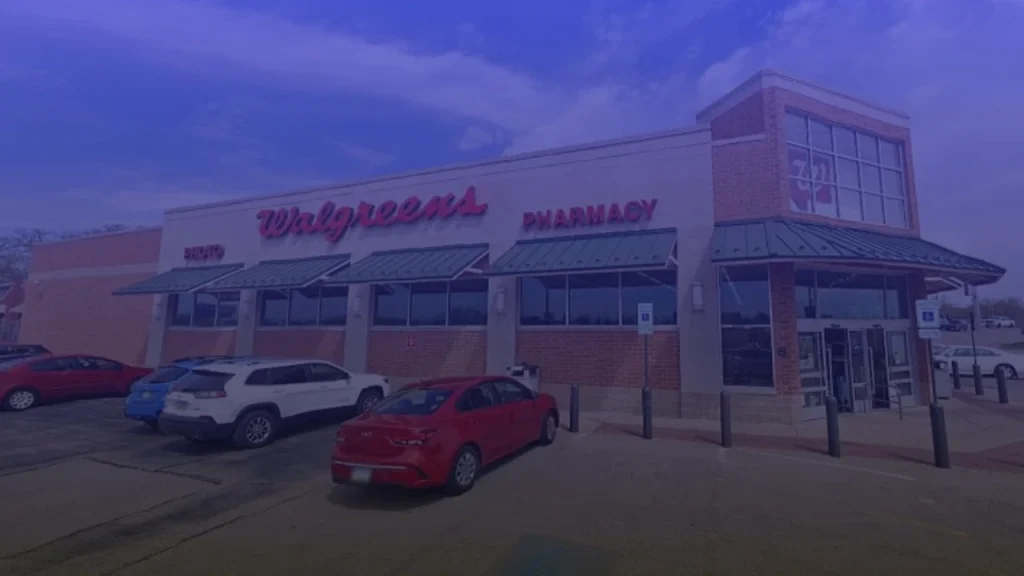
Walgreens is facing a new putative class action alleging that the pharmacy chain failed to adequately protect customers’ personal and medical information after a suspected ransomware incident in November 2026. The case, Mahoney v. Walgreen Co., No. 1:26-cv-14316, was filed on November 17, 2026, in the U.S. District Court for the Northern District of Illinois. Law360 reported it on November 18, 2026.
The lawsuit does not establish that hackers accessed Walgreens’ network, that a particular number of patients were affected, or that specific records or Social Security numbers were stolen. Those points are unverified. There is also no settlement, compensation fund, claim form or filing deadline for this case.
Walgreens Data Breach Lawsuit 2026: Quick Facts for Mahoney v. Walgreen Co.
| Detail | Verified information |
| Defendant | Walgreen Co. |
| Plaintiff | Patricia Mahoney |
| Case number | 1:26-cv-14316 |
| Court | U.S. District Court, Northern District of Illinois |
| Judge | Andrea R. Wood |
| Filed | November 17, 2026 |
| Reported | November 18, 2026 (Law360) |
| Alleged incident | Suspected November 2026 ransomware attack |
| Information at issue | Customers’ personal and medical information (per the reported allegations) |
| Confirmed breach size | Not established |
| Confirmed exposed data | Not established |
| Class certification | None |
| Settlement amount | None |
| Official settlement website | None. No settlement exists for this case. |
| Claim deadline | None |
| Status | Newly filed putative class action |
What Happened in Mahoney v. Walgreen Co. on November 17, 2026?
Patricia Mahoney filed a complaint against Walgreen Co. in federal court in Chicago on November 17, 2026. The public docket lists Judge Andrea R. Wood as the presiding judge.
Law360 reported the next day that the proposed class action concerns a suspected ransomware incident and claims that Walgreens failed to protect customers’ personal and medical information. The plaintiff also alleges that Walgreens did not adequately notify affected patients.
These are the plaintiff’s allegations, not a court finding that a reportable breach occurred. Walgreens has not yet answered the complaint in court. The full complaint text has not been independently reviewed for this article, so claims about specific security failures or stolen data should not be treated as established.
Was Walgreens Actually Hacked in November 2026?
A company-wide Walgreens breach has not been independently confirmed. Law360 describes a suspected ransomware attack. A claim posted by a ransomware group would not prove a breach either, since such groups can publish unsupported or exaggerated claims.
These questions remain unanswered:
- Did an unauthorized party actually access Walgreens systems?
- Was any patient information copied or publicly released?
- Which systems, if any, were affected, and did the incident involve Walgreens itself or a vendor?
- How many customers, if any, had information compromised?
No reliable victim count exists. Filling a prescription at Walgreens does not mean your information was stolen.
What Patient Information Could Be at Risk if Walgreens Systems Were Accessed?
No category of data can be confirmed as taken. Pharmacies handle information for prescriptions, insurance billing and patient accounts, and different data creates different risks if access is ever confirmed.
| Information category | Possible concern if compromised |
| Names, addresses, phone numbers | Impersonation and targeted scams |
| Dates of birth | Identity verification fraud |
| Prescription information | Exposure of sensitive treatment details |
| Health insurance information | Fraudulent medical claims |
| Social Security numbers | Identity theft and unauthorized accounts |
| Payment information | Financial fraud |
| Account credentials | Unauthorized account access |
This table describes possible consequences. It is not a list of data confirmed stolen from Walgreens.
Why Is Walgreen Co. Being Sued Over Patient Data Security and Notification?
The reported allegations raise two separate issues.
Failure to protect information. The plaintiff says Walgreens did not adequately safeguard sensitive customer records. Courts in data security cases look at whether a company used reasonable precautions for the information it held, such as access controls, multifactor authentication, monitoring and encryption. The public materials reviewed do not show which measures Walgreens used. Even a confirmed attack does not by itself prove negligence, and a plaintiff must still show the elements of a legal claim, including injury and causation.
Failure to notify patients. Notification duties under federal health privacy law depend on whether an incident meets the legal definition of a reportable breach of unsecured protected health information. A customer not yet receiving a letter does not show that a legal deadline has passed. The discovery date of a breach is what matters, and it may differ from the date of an attack or a ransomware group’s public claim.
Related article: $180 Million Opioid Settlement 2026, Health Insurers and Benefit Plans Must File Claims by December 1
What Does HIPAA Require Walgreens to Do After a Patient Data Breach?
Where the Health Insurance Portability and Accountability Act (HIPAA) applies to Walgreens’ pharmacy operations, three sets of rules matter.
- HIPAA Security Rule. Covered entities and business associates must protect electronic protected health information with risk-based administrative, physical and technical safeguards. It does not guarantee that no attack can happen.
- HIPAA Breach Notification Rule, 45 C.F.R. §§ 164.400–414. After a reportable breach of unsecured protected health information, affected individuals generally must be notified without unreasonable delay and no later than 60 calendar days after discovery. Notices must describe the incident, the information involved, protective steps and contact details.
- Reporting to regulators. A breach affecting 500 or more people generally must be reported to HHS without unreasonable delay and within 60 days of discovery. Breaches involving more than 500 residents of a state also trigger media notice. Smaller breaches can be reported to HHS annually.
These rules do not set a notification deadline for Walgreens here, because the discovery date and the existence of a reportable breach are unverified. See the HHS Breach Notification Rule for authoritative guidance.
Does the Illinois Personal Information Protection Act Add Protection for Walgreens Customers?
Yes. The Illinois Personal Information Protection Act, 815 ILCS 530, requires covered data collectors to notify affected Illinois residents in the most expedient time possible and without unreasonable delay. It has provisions for organizations subject to HIPAA, and for qualifying covered entities, compliance with federal requirements can satisfy parts of the Illinois law, with conditions that include reporting to the Illinois Attorney General when required.
Filing in Illinois does not necessarily limit the case to Illinois residents. Whether the proposed class could include customers in other states depends on the complaint, jurisdiction, applicable law and any later class-certification ruling.
How Can Walgreens Customers Check Whether Their Data Was Exposed?
No verified public lookup tool exists for this suspected incident. Sensible precautions:
- Look for an official notice. Check mail and email for a breach notice that names Walgreens and the incident. A real notice should describe what happened, the information involved and who to contact. Treat generic emails and unexpected texts with suspicion.
- Contact Walgreens through official channels. Use Walgreens.com or your regular pharmacy, and ask whether an incident-specific notice applies to your account.
- Review insurance statements. Check explanations of benefits and Medicare Summary Notices for providers, prescriptions or claims you do not recognize. The FTC warns that medical identity theft can involve fraudulent treatment or insurance claims.
- Protect your accounts. Use strong, unique passwords and turn on multifactor authentication for pharmacy, email and financial accounts.
- Consider a credit freeze if sensitive identity data is confirmed exposed. Freezes are free with Equifax, Experian and TransUnion, but they do not stop medical identity theft.
- Keep records. Save official notices, fraudulent bills, identity-theft reports and documented out-of-pocket losses. If identity theft occurs, IdentityTheft.gov provides a recovery plan.
For a case where a breach was confirmed and sized, see Prism Medical Products Data Breach, 1.33 Million People Affected, What Was Exposed and What to Do.
Can Walgreens Patients Get Compensation From Mahoney v. Walgreen Co.?
No compensation program exists as of November 19, 2026. The case is a putative class action, which means the plaintiff wants to represent a proposed group, but the court has not certified a class. Filing a lawsuit does not entitle customers to money.
In data breach cases, plaintiffs may seek reimbursement of documented losses, credit monitoring or other relief, depending on the claims and the law. Those are general possibilities, not confirmed terms or confirmed requests in Mahoney. HIPAA itself generally does not give individuals a private right to sue for damages, so private suits rely on other legal theories.
For a separate healthcare data case, see Veradigm Data Breach 2026, Vendor Hack Exposes Patient Data, Two Class Action Lawsuits Filed.
Is There a Walgreens Data Breach Settlement Claim Form?
No. There is no court-approved claim form, administrator or deadline for this lawsuit. Do not enter personal information on sites advertising a guaranteed Walgreens 2026 ransomware payout. Any real claims process would follow a settlement agreement and, where required, court approval. For how to tell legitimate notices from scams, read How to Claim a Lawsuit Settlement Money? Step-by-Step Guide (2026).
Is the 2026 Walgreens Data Breach Lawsuit the Same as the Russo v. Walgreen Co. Prescription Savings Club Settlement?
No. Russo et al. v. Walgreen Co., No. 1:17-cv-02246, is an older case about how Walgreens reported “usual and customary” prescription prices for reimbursement and involved a proposed $100 million settlement. Its separate administrator site is SavingsClubSettlement.com. Eligibility there says nothing about any future data breach settlement, and that portal should not be used for the November 2026 incident.
Other unrelated Walgreens cases, including securities and product lawsuits, also have no connection to Mahoney.
Walgreens Data Breach Lawsuit Timeline
| Date | Development |
| November 17, 2026 | Patricia Mahoney files a putative class action in the Northern District of Illinois |
| November 18, 2026 | Law360 reports the lawsuit and the alleged failure to safeguard data and notify patients |
| November 19, 2026 | Records reviewed do not establish a verified breach, victim count, certified class or settlement |
What Happens Next in Mahoney v. Walgreen Co.?
The next steps are Walgreens’ response to the complaint and any later filings. Expect possible motions challenging the allegations, including standing, then discovery if the case continues. The court would later decide whether to certify a class under Federal Rule of Civil Procedure 23.
In data breach cases, key questions include whether the plaintiff’s information was actually compromised, whether there is a legally recognized injury, and whether it ties back to the defendant’s conduct. The case could end in dismissal of some or all claims, amended pleadings, settlement talks or further litigation. None of those outcomes can be assumed from the first complaint.
Walgreens Data Breach Lawsuit 2026: Frequently Asked Questions
Did Walgreens suffer a data breach in November 2026?
A new lawsuit alleges inadequate protection of customer information tied to a suspected ransomware incident. The reviewed evidence does not independently confirm a company-wide breach or its scope.
Who filed the Walgreens data breach class action?
Patricia Mahoney filed Mahoney v. Walgreen Co., No. 1:26-cv-14316, on November 17, 2026, in the Northern District of Illinois.
Were Walgreens customers’ Social Security numbers stolen?
That has not been confirmed. No verified list of stolen data or affected customers exists.
How many Walgreens patients were affected?
No reliable count has been verified. The lawsuit does not show that every Walgreens customer was affected.
Is Walgreens offering free credit monitoring?
No incident-specific offer has been verified in the sources reviewed.
Can I file a Walgreens data breach settlement claim in 2026?
Not under this case. There is no certified class, settlement, claim form or deadline.
Can I file a HIPAA complaint over the alleged Walgreens incident?
You can submit a complaint to the HHS Office for Civil Rights if you believe a covered entity violated HIPAA. Complaints generally must be filed within 180 days of when you knew or should have known of the violation, with possible extensions for good cause. A complaint does not guarantee payment.
Bottom Line: Walgreen Co. Faces New Patient-Privacy Allegations, but Key Facts Are Unverified
The November 17, 2026 filing is a new legal challenge over how Walgreens protects sensitive customer information. It does not show how many people, if any, had data stolen, what data was involved or whether a reportable HIPAA breach occurred. No class is certified and no settlement exists.
Watch for official Walgreens communications, stay alert to identity-theft warning signs, and follow court filings for verified developments instead of unconfirmed breach claims or promised payouts.
Sources
- Mahoney v. Walgreen Co., No. 1:26-cv-14316 (N.D. Ill. filed Nov. 17, 2026), federal docket listing
- Law360, report on the Walgreens proposed class action (November 18, 2026)
- HHS, HIPAA Breach Notification Rule
- HHS, Ransomware and HIPAA Fact Sheet
- Illinois Attorney General, Data Breach and the Illinois Personal Information Protection Act
- FTC, What to Know About Medical Identity Theft
- HHS, How to File a Health Information Privacy or Security Complaint
- Official settlement website for this case: none exists. SavingsClubSettlement.com belongs to the separate Russo case.
Disclaimer: This is general legal information, not legal advice. Allegations in a complaint are not findings of wrongdoing.
Researched and written by Israr Ahmad, legal content researcher and founder of AllAboutLawyer.com. All facts verified against the federal docket listing for No. 1:26-cv-14316, Law360’s November 18, 2026 report, and the official HHS, Illinois Attorney General and FTC guidance, as of November 19, 2026. No official settlement website exists for this case. Last Updated: November 19, 2026.
About the Author
Israr Ahmad is a legal content researcher with 4+ years of experience covering class action settlements and consumer rights cases. He has researched and published coverage of 2,500+ settlements using verified court records, settlement administrator filings, and government sources. Learn more about Israr.