
Twitch AI Training Lawsuit, Were You Affected? Pandiscia v. Twitch Interactive, Inc. et al., No. 3:26-cv-08721
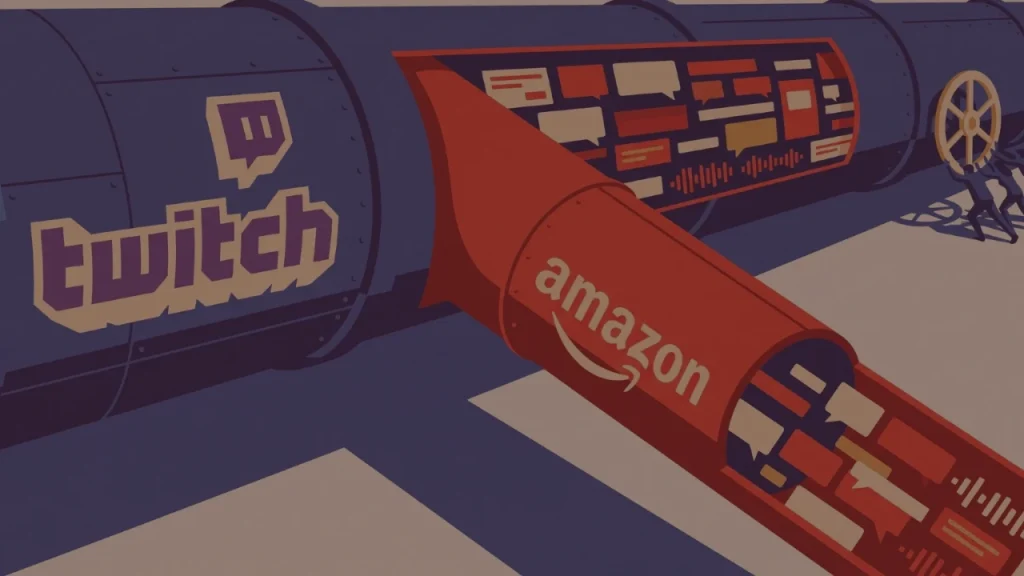
If you have ever streamed on Twitch — you were not imagining that something felt off about the “opt-out” setting the platform rolled out this month. Twitch and its parent company Amazon are now facing a class action claiming exactly that: Amazon used millions of Twitch streams, VODs, clips, and chat logs to train its generative AI products, without asking first. No settlement exists yet. Here’s what the lawsuit claims and what it means for you.
Twitch/Amazon AI Training Lawsuit — Key Facts
| Field | Detail |
| Lawsuit Filed | August 20, 2026 |
| Case Name | Pandiscia v. Twitch Interactive, Inc. et al. |
| Case Number | 3:26-cv-08721 |
| Defendants | Twitch Interactive, Inc.; Amazon.com, Inc. |
| Alleged Harm | Unauthorized use of streamer content to train Amazon’s generative AI models |
| Who Is Affected | Twitch content creators whose content was used to train Amazon’s AI products without consent |
| Court & Case Number | U.S. District Court, N.D. California, San Francisco Division — No. 3:26-cv-08721 |
| Current Stage | Complaint filed — pre-answer |
| Law Alleged | Breach of implied and express contract; unjust enrichment; California Unfair Competition Law, Cal. Bus. & Prof. Code § 17200 |
| Settlement Status | None — active litigation |
| Last Updated | August 24, 2026 |
Who Are Twitch and Amazon, and Why Are They Being Sued Over AI Training?
Twitch is the world’s largest live-streaming platform for gamers, with over 240 million monthly active users. Amazon bought it in 2014 for roughly $970 million — and now runs a commercial text-to-video AI model called Nova Reel through Amazon Bedrock, its enterprise AI platform. That combination is exactly what put both companies in this lawsuit together: Twitch controls the platform and holds the content, and Amazon needed massive amounts of video and audio to train and sell its AI products.
What Did Twitch and Amazon Do to Streamers Between 2024 and August 2026?
Plaintiff Warren Pandiscia, a Connecticut-based streamer with around 900 followers, says Amazon has been mining Twitch creators’ content since at least 2024 — years before anyone was told. On August 12, 2026, Twitch publicly confirmed the practice for the first time, announcing a new “Training for Generative AI” setting that streamers had to actively find and disable. Every channel was automatically opted in by default. Twitch’s own Chief Product Officer, Mike Minton, defended that design choice bluntly during a livestream Q&A: “If it was opt-in, nobody would opt in. That’s honestly the answer.”
Here’s the detail buried in the complaint that most coverage missed: on that same day, August 12, Twitch quietly rewrote its Terms of Service — changing the license purpose from “monetizing the Twitch Services” to the broader “Twitch and/or its affiliates’ business,” and adding a new clause claiming streamers “direct” Twitch to cache and store their content. The complaint argues that rewrite is itself evidence the old terms never covered AI training — if they had, no amendment would have been necessary. The Bartz v. Anthropic settlement, a related AI-training copyright fight, shows how expensive this kind of dispute can get once a court agrees creators weren’t properly compensated.
There’s also a gap in the opt-out itself: the setting is tied to the channel, not the person. If you opt out but chat on someone else’s channel that’s still opted in, your chat messages can still be swept up — your preference doesn’t follow you around the site.
Related article: Cleveland Ave. Restaurant $800,000 Settlement, Check If You Qualify, Hogan v. Cleveland Ave. Restaurant, Inc., No. 2:15-cv-2883
Are You Part of the Twitch/Amazon AI Training Lawsuit?
Here’s exactly how to know if this case includes you.
- Anyone who created and streamed content on twitch.tv, whose content was used to train Amazon’s AI products without consent
- Streamers whose live broadcasts, VODs, clips, chat logs, or channel images were collected under the “Training for Generative AI” setting
- Creators who were automatically opted in and never separately consented before August 12, 2026
- Viewers who chatted on channels that remained opted in, even if their own account settings were opted out
Not covered: people who never posted content on Twitch, or whose content demonstrably was never captured by the program — though the complaint alleges the class likely runs into the millions, since collection was default-on platform-wide.
Twitch Creators Outside the U.S. — Are You Still Covered?
The proposed class is nationwide, covering U.S.-based content creators. Twitch’s Terms of Service designate California law and courts for user disputes generally, which is part of why this suit landed in the Northern District of California — but the class as written targets U.S. creators, not a single state.
Not sure if you qualify? A free consultation with a consumer fraud attorney can help you sort out whether your content was likely swept into the program before any deadlines get set.
What Are Twitch Creators Asking the Court to Award?
No money yet. No claim form yet. Pandiscia is asking the court to certify a nationwide class and award actual, statutory, compensatory, and punitive damages, plus restitution and disgorgement of profits Amazon made training on creators’ content for free. He also wants the court to order Twitch and Amazon to stop the practice, delete unlawfully obtained data, and build a real opt-out — informed and person-scoped, including for chat participants.
The complaint points to an existing licensing market as a benchmark: it cites reporting that Google pays Reddit roughly $60 million a year to train AI on Reddit posts, and that Reddit has pulled in more than $200 million total from AI data-licensing deals. Pandiscia argues Amazon avoided exactly those costs by taking Twitch content for free.
What Could Twitch Creators Receive If This Settles?
Impossible to predict right now. It depends on class certification, what internal records show about how much creator content Amazon actually used, and whether this follows the same track as other AI-training disputes — like Meta’s ongoing fight with publishers over AI copyright infringement, which is still working through the courts. Talk to a class action lawsuit attorney if you want a read on your specific situation before this moves further.
What Should Twitch Streamers Do Right Now?
- Check your account settings now. Go to Security and Privacy and disable “Training for Generative AI” if you haven’t already — some users report the toggle reverting to enabled after being switched off, so check it periodically.
- Save records of your channel activity, streaming history, and follower count, along with any equipment or subscription costs tied to your content.
- Document when you first learned about the AI training program and when, if ever, you opted out.
- There’s no lead plaintiff deadline in this type of case, so there’s no clock running on your end right now.
- Monitor the docket — the case is pending as No. 3:26-cv-08721 in the U.S. District Court for the Northern District of California.
- If you’d rather not wait on a class outcome, an individual claim is an option, particularly if you have documented economic losses tied to your content.
Twitch/Amazon AI Training — Frequently Asked Questions, No. 3:26-cv-08721
Is there a class action lawsuit against Twitch and Amazon for AI training right now?
Yes. Warren Pandiscia filed a proposed class action in the N.D. California federal court on August 20, 2026, alleging Twitch and Amazon used streamers’ content to train generative AI without consent.
Do I need to do anything right now to be part of the Twitch lawsuit?
No. If your content was captured under the AI training program, you’re potentially part of the proposed class automatically — nothing to file yet.
When will the Twitch/Amazon case settle?
No timeline yet. The complaint was filed August 20, 2026, and class certification and discovery in cases like this typically take a year or more before settlement talks begin.
Can I file my own lawsuit instead of joining the class?
Yes. Anyone with documented losses can pursue an individual breach of contract or unfair competition claim, separate from the class.
How will I find out if the case settles?
If a class is certified and a settlement reached, notice typically goes out by mail or email, and AllAboutLawyer.com will update this page.
What laws do Twitch and Amazon allegedly violate?
Breach of implied and express contract, unjust enrichment, and California’s Unfair Competition Law, Cal. Bus. & Prof. Code § 17200 — all from the same undisclosed AI training practice.
Why did Twitch make the setting opt-out instead of opt-in?
Twitch’s own Chief Product Officer said publicly that if the setting were opt-in, “nobody would opt in” — which the lawsuit argues shows the company knew creators wouldn’t consent if properly asked.
Sources Used in This Twitch/Amazon Article
- Class Action Complaint — Pandiscia v. Twitch Interactive, Inc. et al., No. 3:26-cv-08721 (N.D. Cal., filed August 20, 2026), via Courthouse News: https://www.courthousenews.com/wp-content/uploads/2026/08/pandiscia-v-twitch-amazon-complaint.pdf
- Courthouse News Service, “Online streamers sue Twitch, Amazon over generative AI training,” August 21, 2026: https://www.courthousenews.com/online-streamers-sue-twitch-amazon-over-generative-ai-training
- Twitch, official help article, “Twitch Account Settings: Training for Generative AI”: https://help.twitch.tv/s/article/twitch-account-settings?language=en_US
Researched and written by Israr Ahmad, legal content researcher and founder of AllAboutLawyer.com. All facts verified against the filed class action complaint, Courthouse News’ court reporting, and Twitch’s official help documentation, as of August 24, 2026. Last Updated: August 24, 2026.
This article is for informational purposes only and does not constitute legal advice. Laws vary by state and individual circumstances differ. For advice about your specific situation, consult a qualified attorney.
About the Author
Israr Ahmad is a legal content researcher with 4+ years of experience covering class action settlements and consumer rights cases. He has researched and published coverage of 2,500+ settlements using verified court records, settlement administrator filings, and government sources. Learn more about Israr.