
LDS Lawsuit 2026, Mormon Church Legal Cases, Tithing Class Action, Abuse Suits and Latest Court Updates
There is no single “LDS lawsuit.” The Church of Jesus Christ of Latter-day Saints is involved in several unrelated legal disputes: a federal trademark case against the Mormon Stories podcast, a child abuse reporting case now before the U.S. Supreme Court, and a string of tithing fraud suits that courts have dismissed. Each has different rules, deadlines and possible outcomes.
Two developments matter most this week. On November 24, 2026, a federal judge in Utah heard the motion to dismiss in the Mormon Stories case and suggested the sides revisit settlement. Separately, abuse survivors have asked the U.S. Supreme Court to review an Arizona ruling on clergy reporting, a petition docketed as No. 26-651.
There is currently no verified nationwide LDS class action settlement accepting claims from members, former members or donors. Be cautious of any site offering one.
This guide separates each case, explains the laws involved, and says what readers can and cannot do. It is general legal information, not legal advice.
LDS Lawsuit Status at a Glance
| Case or issue | Latest status |
| Mormon Stories trademark and copyright case (D. Utah) | Motion to dismiss argued November 24, 2026; judge to issue a written ruling; no settlement confirmed |
| Arizona child abuse reporting case | Arizona Supreme Court ruled for the Church July 30, 2026; U.S. Supreme Court petition (No. 26-651) pending; review not granted |
| Consolidated tithing class action (10th Cir.) | Dismissal affirmed August 31, 2026 as filed too late |
| Huntsman individual tithing suit (9th Cir.) | Ninth Circuit ruled for the Church January 31, 2025 |
| Gaddy RICO class action | Tenth Circuit affirmed dismissal August 26, 2025; Supreme Court denied review March 2, 2026 |
| SEC Ensign Peak case | $5 million in penalties, announced February 2023 |
| Nationwide LDS compensation claim form | None verified |
Why Is the LDS Church Facing Lawsuits?
The disputes grew out of unrelated controversies: how donations are used, how leaders respond to abuse reports, and how the Church protects its name and branding. A win or loss in one case does not decide the others.
How the Church is organized, and why that matters in court
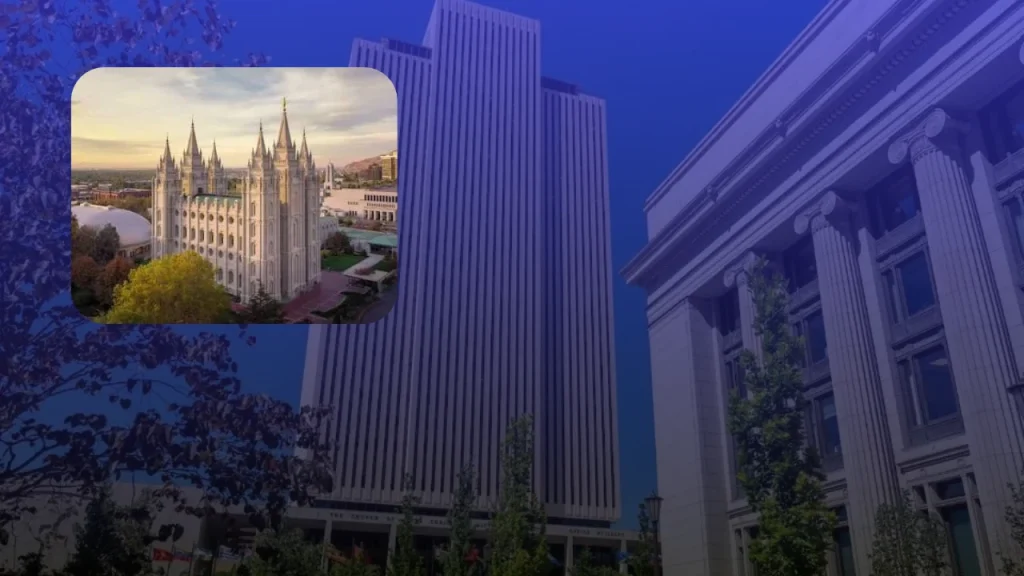
The Church is headquartered in Salt Lake City. Local congregations, called wards, are grouped into stakes, and many local leaders such as bishops and stake presidents are lay members rather than paid clergy. Separate legal entities hold certain assets. Intellectual Reserve, Inc. holds the Church’s intellectual property, and Ensign Peak Advisors is its investment affiliate.
Who gets named as a defendant depends on the legal duty alleged. Being connected to the Church does not make every affiliated entity or leader responsible for another person’s conduct.
Church vs. Mormon Stories Podcast: November 24, 2026 Hearing
In April 2026, the Church and Intellectual Reserve, Inc. sued Open Stories Foundation and podcaster John Dehlin in federal court in Utah, alleging trademark and copyright infringement tied to the branding of the Mormon Stories podcast, which has used that name for about 20 years.
| Detail | Information |
| Case | Intellectual Reserve, Inc. et al. v. Open Stories Foundation et al. |
| Case number | 2:26-cv-00321-RJS-JCB |
| Court | U.S. District Court for the District of Utah |
| Judges | Robert J. Shelby (district), Jared C. Bennett (magistrate) |
| Filed | April 17, 2026 |
| Motion to dismiss filed | June 22, 2026 |
| Hearing | November 24, 2026 |
| Status | Awaiting a written ruling; no settlement confirmed |
What is the Church actually claiming?
The Church says it contacted the foundation privately in November 2025 about branding it believes could confuse people into thinking the podcast is affiliated with the Church. At the hearing, the Church’s attorney said the case is about the combination of logos, colors, fonts and imagery, especially changes made in 2022, and not about the word “Mormon” itself. The Church has said it is not trying to change the podcast’s content.
Dehlin and the foundation dispute the claims and argue the Church cannot use trademark law to control how people discuss Mormon culture. The ACLU of Utah and the Electronic Frontier Foundation filed amicus briefs in August 2026 supporting the defendants.
What happened at the hearing?
According to Deseret News, the hearing lasted about two and a half hours. Judge Shelby said he did not think the defendants’ principal argument applied to the case, though he remained open to being persuaded. He also noted that only the complaint, the motion and the written responses were before him, and that discovery would happen only if the case survives dismissal.
The Church’s attorney said the Church would settle without a name change if the podcast added a spoken disclaimer that it is not affiliated with or endorsed by the Church. The podcast already posts a written disclaimer, and Dehlin has resisted an audible one. The judge suggested the parties may not be as far apart as they thought and said he will issue a written decision, which could take weeks or months.
These comments are not a ruling. No infringement finding has been made, and no settlement has been announced.
Related article: Wendy’s Class Action Lawsuit 2026, Alleged Menu Price-Fixing, Who Qualifies and Can Customers Get Money?
Which legal doctrines are at issue?
- Likelihood of confusion. Under the Lanham Act, 15 U.S.C. § 1114 covers registered marks and § 1125(a) covers false association. The central question is whether consumers are likely to be confused about who is behind the podcast.
- First Amendment screening. In Jack Daniel’s Properties v. VIP Products (2023), the Supreme Court held that the Rogers v. Grimaldi screen does not apply when a challenged mark is used as the defendant’s own source identifier. The defendants rely on Rogers. The judge indicated he does not think their principal argument applies. Whether Mormon Stories is expressive commentary or a source identifier is a key fight.
- Delay and abandonment. The defendants point to roughly 20 years of use and argue the Church abandoned rights after de-emphasizing “Mormon” in 2018. Under 15 U.S.C. § 1127, abandonment requires nonuse with intent not to resume, and three consecutive years of nonuse is prima facie evidence. The Church says it still uses the term, including in Book of Mormon Stories and historic sites.
- Copyright. The Church also alleges infringement of copyrighted images under 17 U.S.C. §§ 106 and 501, and the defendants can raise fair use under § 107.
Can the Church own the word “Mormon”?
Not as a general matter. Trademark law protects specific uses that identify the source of goods or services. It does not normally hand an organization unrestricted ownership of a historical, religious or descriptive word. Whether specific Church marks were infringed here is what the court has to decide.
Arizona Abuse Reporting Case at the U.S. Supreme Court
This case asks whether clergy who learn of child abuse outside the confessional must report it. It began in Cochise County, Arizona, where three children, represented by a conservator, sued the Church, local leaders and others in 2020, alleging bishops knew of abuse by their father and did not report it.
| Detail | Information |
| Case | Jane Doe I et al. v. Corporation of the President of the Church of Jesus Christ of Latter-Day Saints et al. |
| Supreme Court docket | No. 26-651 |
| Arizona Supreme Court decision | July 30, 2026 (unanimous) |
| Rehearing denied | August 21, 2026 |
| Cert petition | Filed in November 2026 |
| Review granted | Not yet |
What did the Arizona Supreme Court decide?
The court reinstated the trial court’s judgment for the Church defendants. It held that Arizona’s reporting statute exempts clergy from reporting abuse learned through confession or other confidential communications when withholding fits the clergy member’s religious duties, and that it is the religious institution, not a court or jury, that decides what counts as confidential under its own doctrine. The Church said it agrees with the decision and that it has no tolerance of abuse.
The plaintiffs’ lawyers argue this turns an exemption into immunity. Their petition asks whether a reporting statute can be read to exempt clergy even for information learned in conversations that were not confidential. The Church and the Arizona court counter that the First Amendment forbids courts from deciding religious doctrine, and say religious protections must be respected alongside the shared commitment to protect children.
What does a waiver or a pending petition mean?
Reports indicate the Church filed a waiver of its right to respond on November 24. Check the docket to confirm. A waiver is routine and is not an admission of liability. The Court can still request a response, and review is discretionary. The petition alone does not mean the Court will hear the case.
Are LDS bishops required to report child abuse?
It depends on the state and on how the information was learned. Arizona’s A.R.S. § 13-3620 generally requires reporting of suspected child abuse but carves out certain confidential clergy communications.
| Concept | Meaning |
| Mandatory reporting | Duty to notify authorities of suspected abuse |
| Clergy reporting exemption | Statutory exception for certain confidential religious communications |
| Clergy-penitent privilege | Protection against compelled testimony about qualifying communications |
| Negligent supervision | Possible institutional liability for failing to act with reasonable care |
| Church autonomy | First Amendment limits on courts deciding religious doctrine |
The Arizona ruling binds Arizona courts. It does not mean clergy everywhere are exempt, and other states have different statutes. Anyone who believes a child is in danger should call 911 or the state child protection agency directly. An internal church helpline does not replace a report to authorities.
Related reading: Greg Laurie Lawsuit, What The Negligent Supervision Claims Mean For Religious Organizations.
LDS Tithing Class Action: Can Former Members Get Donations Back?
No general refund program exists, and the major tithing lawsuits have been dismissed. A consolidated proposed class action in Utah alleged the Church and Ensign Peak Advisors misrepresented how tithing funds would be used. The district court dismissed it April 17, 2025.
| Detail | Information |
| Case | In re The Church of Jesus Christ of Latter-Day Saints Tithing Litigation |
| Appeal number | No. 25-4068 (10th Cir.) |
| Earliest consolidated suit filed | October 2023 |
| Appeal decision | August 31, 2026 |
| Outcome | Dismissal affirmed |
| Certified class | None |
| Settlement fund or claim form | None |
Why did the tithing class action fail?
The Tenth Circuit affirmed on timing. Utah’s three-year fraud limitations period under Utah Code § 78B-2-305 starts when a person discovers, or reasonably should have discovered, the facts. The panel agreed that publicity around the December 2019 whistleblower report gave plaintiffs notice well before October 2020, but the first suit came in October 2023.
The lesson for readers is that waiting for a government action does not necessarily pause a civil deadline. A limitations dismissal is not a ruling that the Church’s finances were lawful. It means those plaintiffs could not proceed.
What about the Huntsman and Gaddy cases?
James Huntsman sued individually to recover about $5 million, and in January 2025 the Ninth Circuit, sitting en banc, ruled for the Church. It was not a class action and created no fund for others. In Gaddy, former members brought RICO claims over Church history and tithing use. The Tenth Circuit affirmed dismissal in August 2025, and the Supreme Court denied review on March 2, 2026 (No. 25-911).
Did the Church pay $100 billion or settle with the SEC?
The roughly $100 billion figure came from a 2019 whistleblower’s allegations about investment holdings. It was not a damages award. Separately, on February 21, 2023, the SEC announced settlements totaling $5 million, with Ensign Peak paying $4 million and the Church $1 million, over its handling of institutional investor reports (Section 13(f) of the Securities Exchange Act and Rule 13f-1). The parties settled without admitting or denying the findings. Those were civil penalties, not a refund for members. See SEC Release 2023-35.
Can Abuse Survivors Sue the LDS Church?
Potentially, yes. The dismissal of tithing cases does not stop survivors from bringing personal injury or institutional negligence claims, which are separate. Outcomes depend on the facts and the state.
| Possible claim | What a plaintiff may have to show |
| Sexual assault or battery | Actionable nonconsensual conduct, usually against the abuser |
| Negligent supervision, hiring or retention | Failure to act on a known or foreseeable risk |
| Failure to warn | A duty to communicate a foreseeable danger |
| Fraudulent concealment | Actionable concealment of material information |
| Breach of fiduciary duty | A recognized fiduciary relationship and its breach |
| Failure to report | A reporting duty and a civil remedy under state law |
A reporting violation does not automatically create a private right to sue. Showing that an abuser belonged to the same church is not enough to hold the institution liable.
Does the First Amendment protect the Church from suit?
Religious organizations do not have blanket immunity. Courts can often apply neutral legal principles, such as ordinary negligence, contracts or financial transactions, without deciding religious doctrine. The First Amendment becomes decisive when resolving a claim would require a court to decide doctrine or internal church governance. Whether a claim is barred depends on the specific claim.
Similar institutional questions arise in other cases, including Kanakuk Lawsuit—Multiple Survivors Accuse Christian Camp Of Covering Up Serial Sexual Abuse For Decades, New Cases Filed 2025.
Filing deadlines for abuse claims
There is no nationwide deadline. States differ on limitation periods, delayed-discovery rules and temporary “lookback” windows, and some reforms do not revive claims already time-barred. The date of abuse, the survivor’s age, the date of discovery and any prior settlement or release can all matter, and a case filed in another state does not extend your deadline. A licensed attorney in the relevant state can assess this.
How much compensation is possible?
No universal amount exists, and many past settlements are confidential. Recoverable losses can include treatment costs, lost income, emotional distress and, where allowed, punitive damages. A law firm’s estimate is not a court-approved settlement offer, so be wary of ads promising guaranteed payouts.
Is there a $250 million Boy Scouts payout from the Church?
No LDS-specific claim form has been verified. The Church’s role in the Boy Scouts of America bankruptcy is a separate process, and survivors with Scouting claims should use the official Scouting Settlement Trust rather than unverified sites. See BSA Lawsuit Update (2026), Supreme Court Just Cleared $2.46 Billion For 82,000 Boy Scout Abuse Survivors.
How to Take Action: Donors and Survivors
If you are a former member who gave tithing
- Keep donation receipts, statements and correspondence.
- Note any specific statement you relied on when you donated.
- Record when you learned, or could have learned, of the alleged misrepresentation.
- Ask an attorney about deadlines and the adverse rulings above.
- Do not give personal data to sites promising an unverified tithing settlement.
Leaving the Church does not create a legal right to a refund.
If you are a survivor of abuse
- Seek medical, psychological or other support.
- Preserve records, messages and documents.
- Note the state and approximate time period of the abuse.
- Get independent legal advice on liability and deadlines.
- Review any earlier settlement or release before acting.
You do not have to publicly disclose your experience to learn about your rights. If you are in danger, call 911. RAINN offers confidential support at 800-656-HOPE (4673) or RAINN.org.
LDS Lawsuit Timeline
| Date | Development |
| December 2019 | Ensign Peak whistleblower allegations become public |
| 2020 | Arizona abuse reporting suit begins |
| February 21, 2023 | SEC announces $5 million settlement |
| October 2023 | First consolidated tithing suit filed |
| January 31, 2025 | Ninth Circuit rules for Church in Huntsman |
| April 17, 2025 | Consolidated tithing complaint dismissed |
| August 26, 2025 | Tenth Circuit affirms dismissal in Gaddy |
| March 2, 2026 | Supreme Court denies review in Gaddy |
| April 17, 2026 | Church files Mormon Stories suit |
| June 22, 2026 | Defendants file motion to dismiss and counterclaims |
| July 30, 2026 | Arizona Supreme Court rules for Church defendants |
| August 31, 2026 | Tenth Circuit affirms dismissal of tithing class action |
| November 2026 | Supreme Court petition filed in No. 26-651 |
| November 24, 2026 | Mormon Stories hearing |
Frequently Asked Questions About the LDS Lawsuit
Is there an LDS class action settlement in 2026?
No verified nationwide LDS settlement is currently accepting general claims. Individual settlements may exist, but many are confidential.
Can I get my tithing back?
There is no general refund program. The major tithing suits have been dismissed, including the consolidated class action on timeliness grounds in August 2026.
Is the Church trying to ban the word “Mormon”?
The Church says its case is about confusing logos, colors and branding, not the word itself. The defendants say the suit threatens lawful commentary. The court has not decided.
Has the Mormon Stories lawsuit settled?
No settlement has been confirmed. The judge suggested the parties revisit settlement and will issue a written ruling on the motion to dismiss.
Has the U.S. Supreme Court agreed to hear the Arizona abuse case?
Not yet. A petition is pending in No. 26-651, and review is discretionary.
Are bishops required to report abuse?
It depends on the state and on how the information was learned. In Arizona, the state supreme court held certain confidential clergy communications are exempt.
Can survivors sue over abuse that happened decades ago?
Potentially. It depends on state law, filing deadlines, any lookback windows and the facts.
Did the Church pay $5 million to the SEC?
Yes. In 2023, Ensign Peak and the Church agreed to $5 million in combined SEC penalties. It did not create a member refund fund.
Is the LDS Church the same as the FLDS Church?
No. The Fundamentalist Church of Jesus Christ of Latter-Day Saints is a separate organization.
Is there an official LDS lawsuit claim form?
No general claim form has been verified. Survivors should seek qualified legal help or use official court-authorized programs.
What Happens Next?
Watch for the written ruling on the motion to dismiss in the Mormon Stories case and any settlement. Watch the Supreme Court docket to see whether the Court asks for a response or grants review in the Arizona case. Other abuse-related cases are pending in multiple courts, and this article will be updated at this URL as rulings come in. The most important distinction for readers is between a court-authorized compensation program and unresolved litigation.
Sources and Court Records
- Mormon Stories case docket, 2:26-cv-00321
- Deseret News: hearing report, November 24, 2026
- Church newsroom statement on trademark and branding
- ACLU of Utah amicus brief
- U.S. Supreme Court docket, No. 26-651
- A.R.S. § 13-3620
- Tenth Circuit, tithing litigation, No. 25-4068
- Supreme Court docket, Gaddy, No. 25-911
- SEC Release 2023-35
Research note: No written ruling following the November 24 hearing has been issued. Confidential abuse settlement amounts are unavailable, and this article does not list every LDS-related lawsuit in the country. Some other reported cases, including abuse suits in other states and an insurance coverage dispute, are omitted because I could not verify their details.
Legal disclaimer: AllAboutLawyer.com provides independent legal information and is not a law firm. This article is not legal advice. Allegations in unresolved lawsuits are not findings of liability. Eligibility, compensation and deadlines depend on individual circumstances and applicable law.
About the Author
Israr Ahmad is a legal content researcher with 4+ years of experience covering class action settlements and consumer rights cases. He has researched and published coverage of 2,500+ settlements using verified court records, settlement administrator filings, and government sources. Learn more about Israr.