
Charlotte Teacher Kendrick Gonzalez Sues CMPD Police After a Stranger’s Crime Ended Up on His Record
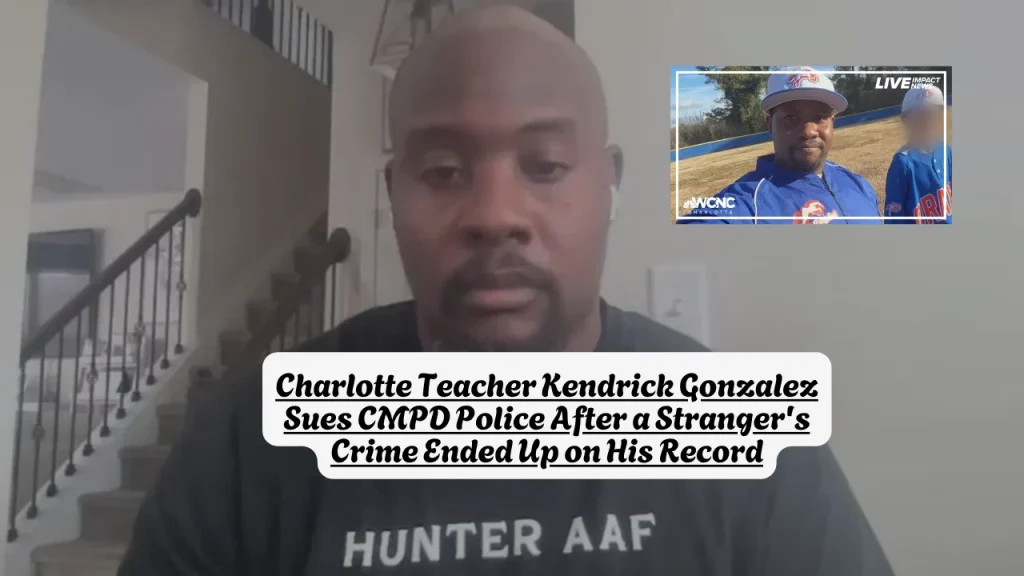
A former teacher and football coach from Graham, North Carolina, is suing the City of Charlotte and three of its police officers after a mistake resulted in a conviction on his record and cost him his career. The man did nothing wrong. Someone else gave police his name — and the system never caught it.
What Happened to Kendrick Gonzalez
On February 15, 2023, Charlotte-Mecklenburg Police Department officers arrested a man at a Charlotte-area hotel and charged him with breaking or entering, resisting police, possession of heroin, and possession of drug paraphernalia. The man in custody first gave officers someone else’s name, then lied again — this time giving the name Kendrick Gonzalez.
Officers ran the name and found a match in DMV records, but wrote on the arrest sheet that they did not believe the DMV photo matched the man in custody. The Mecklenburg County Sheriff’s Office then fingerprinted him, which is standard protocol, and obtained his correct name. Despite all of that, the wrong name stayed in the system.
Within two weeks, the man pleaded guilty to a breaking or entering charge — under Gonzalez’s name. Even a magistrate had noted the courts were “unsure” of the defendant’s identity at the time bond was set.
A Childhood Friend Was Behind It
Gonzalez’s shock deepened when he saw the mugshot online and recognized the face — it was Kemardrick Sherrod, his childhood friend. The two had grown up two doors down from each other, played baseball together, and were inseparable until middle school.
“Why would you say my name out of all people?” Gonzalez said. “I was immediately heartbroken.”
The Career He Lost
The conviction did not stay hidden. When the school district found out about the conviction on Gonzalez’s record, he lost his job. It then took him hundreds of applications and nearly a year to find new work. At one point, he said he feared losing his home and had to sell one of his cars. Today, he works at a daycare as an after-school teacher and van driver.
His attorney, Dominique Camm, spent more than nine months working to have the conviction expunged — meaning removed from Gonzalez’s record — before the courts finally granted it. Expungement clears the public record, but it does not undo the job loss, the financial damage, or the year of failed applications that came before it.
Related article: Trump Administration Sues Catholic Diocese to Seize Sacred Land for Border Wall Here’s the Legal Fight
What the Lawsuit Claims
The lawsuit accuses CMPD of negligence and malicious prosecution. Gonzalez’s attorney argues the ball was dropped in multiple places, starting with officers failing to properly identify the suspect at the scene.
Malicious prosecution is a civil legal claim that allows someone to sue when they were charged or prosecuted without proper cause. It goes beyond a simple mistake — it requires showing that the legal process was misused and caused real harm. This type of claim is one of the hardest to prove against law enforcement, but when a conviction ends up on an innocent person’s record, the harm is concrete and documented.
This case shares a direct parallel with the Bethany Farber wrongful arrest lawsuit, in which a California woman spent 13 days in jail because police confused her with another person of the same name — and courts ultimately shielded the officers from liability. Identity verification failures are a recurring pattern in wrongful arrest cases across the country. For a more recent example involving technology-driven misidentification, see the Angela Lipps wrongful arrest case, where a grandmother spent nearly six months in jail after AI facial recognition flagged the wrong person.
How the City Is Defending Itself
The City of Charlotte filed a motion to dismiss Gonzalez’s lawsuit on Friday. In its answer, the city denied that officers failed to properly investigate and argued that any alleged damages were not the result of police actions, but rather those of third parties — including the person who gave officers the wrong name.
The city said it admitted that DMV information was reviewed but denied that the information conclusively established the suspect was not Gonzalez. It further denied that officers acted recklessly, maliciously, intentionally, or in conscious disregard of Gonzalez’s rights.
A motion to dismiss is not a ruling on the merits of the case. It is the city arguing that even if everything Gonzalez alleges is true, it does not meet the legal standard for a viable claim. If the judge denies the motion, the lawsuit moves forward into full discovery.
Neither Office Has Explained the Record Gap
One detail stands out beyond everything else. Neither the Mecklenburg County Clerk of Superior Court nor the District Attorney’s office has been able to explain why the breaking or entering conviction is still not associated with Kemardrick Sherrod’s criminal history to this day. The man who committed the crime has no record of it. The man who committed no crime spent over a year fighting to remove it from his.
Frequently Asked Questions
What is malicious prosecution in North Carolina?
Malicious prosecution is a civil claim against a person or agency that initiated or continued criminal proceedings without proper cause, resulting in harm to the accused. In North Carolina, a plaintiff generally must show the charges lacked probable cause, ended in their favor, and caused actual damages.
What does expungement actually do?
Expungement removes a conviction or arrest record from public court records. Employers and background check services typically can no longer see it. However, expungement does not restore a job already lost or compensate for financial damage that occurred while the record was still visible.
Can you sue a city for a wrongful conviction caused by someone lying to police?
Yes, but it is legally complex. The city’s defense in this case argues that a third party — the person who lied — is primarily responsible. Courts weigh whether police had adequate procedures to catch the error and whether they acted reasonably given the information they had.
What law governs civil rights claims like this in the U.S.?
Federal civil rights claims against government officials are governed by 42 U.S.C. § 1983, which allows individuals to sue when a government actor violates their constitutional rights. State law negligence claims can be brought alongside federal claims.
Is the case over?
No. The city has filed a motion to dismiss. A judge must rule on that motion before the case proceeds. If dismissed, Gonzalez may appeal. If denied, the case enters the discovery phase.
Sources
- WCNC Charlotte — Former teacher sues Charlotte police for mistaken identity conviction that cost him his career (May 2026)
- WFMY News 2 — Same investigation (May 2026)
- Cornell Law LII — 42 U.S.C. § 1983: law.cornell.edu/uscode/text/42/1983
- North Carolina General Statutes § 15A-145 (Expunction of Records)
Prepared by the AllAboutLawyer.com Editorial Team and reviewed for factual accuracy against official legal sources on May 16, 2026. Last Updated: May 16, 2026.
Disclaimer: This article is for general informational and educational purposes only and does not constitute legal advice. Laws vary by state and jurisdiction. For advice about your specific situation, consult a qualified attorney.
About the Author
Israr Ahmad is a legal content researcher with 4+ years of experience covering class action settlements and consumer rights cases. He has researched and published coverage of 2,500+ settlements using verified court records, settlement administrator filings, and government sources. Learn more about Israr.