
Jalapeño Recall Grows as Chipotle, QDOBA Pull Peppers Over Salmonella
If you’ve eaten at Chipotle or QDOBA since mid-June, there’s something worth knowing: a Salmonella outbreak tied to jalapeños has sickened 345 people across 27 states, and the recall has since spread from restaurants into grocery store products. Here’s what’s actually recalled, what symptoms to watch for, and what to do if you think you were affected.
What’s Happening — Quick Facts
| Category | Detail |
| Illnesses | 345 confirmed, 27 states, 36 hospitalizations, no deaths reported |
| Illness Onset Dates | June 19 – July 20, 2026 |
| Reported Meal Dates | June 14 – July 14, 2026 |
| Source | Fresh jalapeños grown in Sinaloa, Mexico |
| Distributor | Coast Citrus Distributors |
| Strain | Salmonella Javiana |
| Restaurants Affected | Chipotle Mexican Grill, QDOBA |
| Grocery Recall | Taylor Fresh Foods products (salsa, guacamole, dips, prepared chicken items) |
| Grocery Retailers | Hannaford, Kroger, Stop & Shop, Target, Trader Joe’s, Walmart, Whole Foods |
| Current Restaurant Risk | None — both chains removed the affected jalapeños |
| Last Updated | August 14, 2026 |
How This Started
Health officials began investigating in late July after a cluster of Salmonella cases pointed back to jalapeño peppers. By August 5, the CDC had confirmed 345 illnesses in 27 states, with Minnesota and Colorado hit hardest — 110 cases each. Of the people interviewed, 93% said they’d eaten at a Mexican-style restaurant before getting sick, and investigators found 27 illness clusters specifically at Chipotle and QDOBA locations across seven states.
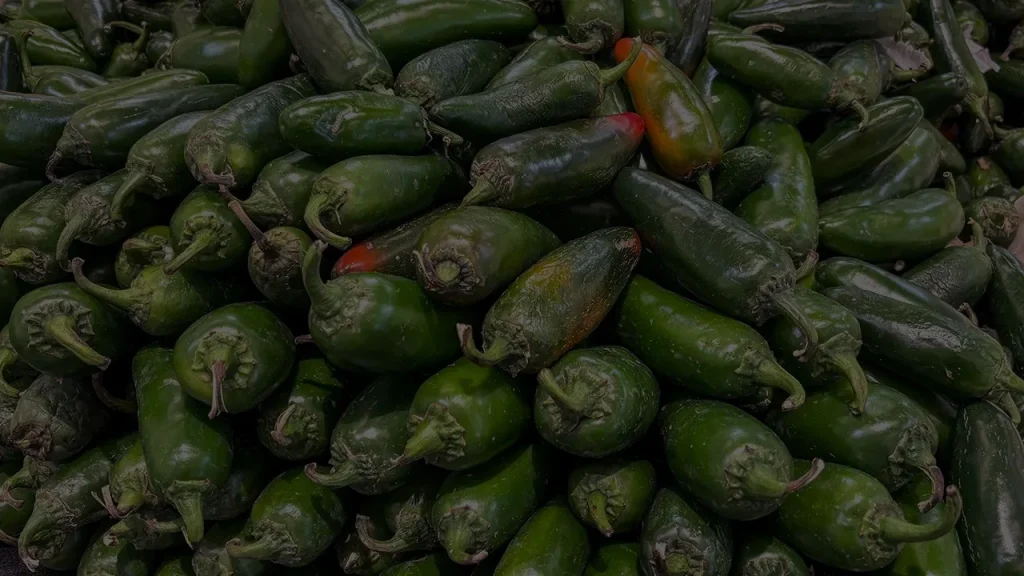
The FDA traced the source to a single grower in Sinaloa, Mexico, whose jalapeños were imported by Coast Citrus Distributors and shipped to restaurants, wholesalers, and food service companies nationwide. Coast Citrus has since recalled the affected lots and says it’s no longer sourcing from that grower.
Chipotle switched jalapeño suppliers at affected locations starting July 20. QDOBA went further and pulled jalapeños from every restaurant on July 28. Both chains say they’re no longer serving the recalled product, and the CDC and FDA agree there’s no current risk from eating at either chain now.
Related article: Sportsman’s Guide Firearm Privacy Settlement, Check If You Qualify — DeLong v. Sportsman’s Guide, LLC, No. CV-25-000911
Why the Recall Grew — Grocery Products Are Now Involved
The bigger risk right now isn’t the restaurants — it’s what might already be in your fridge. On August 8, Taylor Fresh Foods recalled a range of prepared foods made with the recalled jalapeños, including salsa, guacamole, dips, and prepared chicken items. Those products were distributed to retail chains including Hannaford, Kroger, Stop and Shop, Target, Trader Joe’s, Walmart, and Whole Foods, with “Best If Used By” dates up to and including August 16, 2026.
No illnesses have been linked to the Taylor Farms products specifically, but the FDA says more downstream products could still surface as the investigation continues. If you bought salsa, guacamole, or dip from any of those stores recently, it’s worth checking the packaging against the recall list before you eat it.
Symptoms to Watch For
Salmonella infection typically causes diarrhea, fever, and stomach cramps, usually starting somewhere between 6 hours and 6 days after eating contaminated food. Most people recover on their own within four to seven days without treatment.
Some people are at higher risk for a more serious illness — children under 5, adults 65 and older, and anyone with a weakened immune system. In rare cases, the infection can spread beyond the intestines and become life-threatening.
If you’ve had diarrhea and a fever for more than three days, blood in your stool, or signs of dehydration — reduced urination, dizziness, or a dry mouth and throat — contact a healthcare provider.
What To Do Right Now
- Check any salsa, guacamole, dip, or prepared chicken products in your fridge or freezer against the Taylor Fresh Foods recall list, especially anything with a “Best If Used By” date through August 16, 2026.
- Don’t eat, serve, or sell recalled jalapeños or products made with them — throw them out or return them to the store.
- Wash and sanitize anything that may have touched the recalled peppers — cutting boards, containers, refrigerator shelves.
- If you ate at Chipotle or QDOBA between mid-June and mid-July and got sick afterward, see a doctor and mention the exposure — testing can confirm whether your illness matches this outbreak’s strain.
- Report your illness to your state or local health department if you haven’t already been contacted as part of the investigation.
If you were hospitalized or seriously sickened after eating at one of these restaurants during the outbreak window, it’s worth knowing that a small number of lawsuits have already been filed over this outbreak — including one Minnesota case involving a customer who developed sepsis. A consultation with a food safety attorney is free in most cases and can help you understand whether your situation fits.
Sources Used in This Article
- FDA — Outbreak Investigation of Salmonella: Jalapeño (August 2026): https://www.fda.gov/food/outbreaks-foodborne-illness/outbreak-investigation-salmonella-jalapeno-august-2026
- CDC — Salmonella Outbreak Linked to Jalapeños: https://www.cdc.gov/salmonella/outbreaks/javiana-08-26/index.html
- CDC — Investigation Update, August 2026: https://www.cdc.gov/salmonella/outbreaks/javiana-08-26/investigation.html
Researched and written by Israr Ahmad, legal content researcher and founder of AllAboutLawyer.com. All facts verified against FDA and CDC outbreak investigation pages on August 14, 2026. Last Updated: August 14, 2026.
Disclaimer: This article is for informational purposes only and does not constitute medical or legal advice. If you believe you have a Salmonella infection, contact a healthcare provider. For advice about your specific legal situation, consult a qualified attorney.
About the Author
Israr Ahmad is a legal content researcher with 4+ years of experience covering class action settlements and consumer rights cases. He has researched and published coverage of 2,500+ settlements using verified court records, settlement administrator filings, and government sources. Learn more about Israr.