
Brian Sguros Arrested, Florida Officer Accused of Taking a Dead Man’s Home and Identity
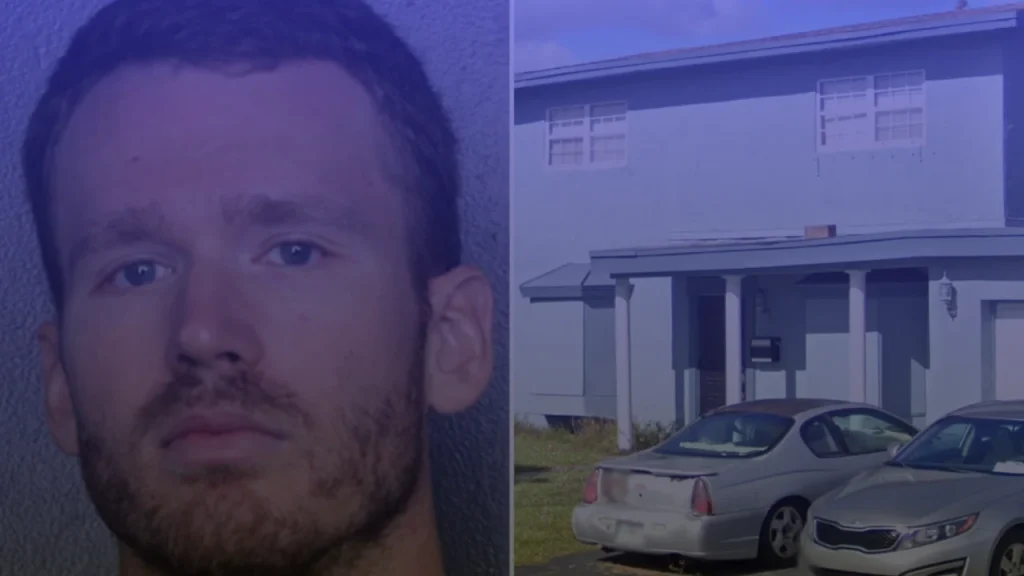
A Lauderhill, Florida police officer who helped find a 71-year-old man’s body during a welfare check is now accused of using that dead man’s identity to take over his house.
Brian Louis Sguros, 35, was arrested on October 20, 2026, and faces five felony charges. Investigators with the Broward Sheriff’s Office and the Broward County Property Appraiser’s Office say he told the medical examiner’s office he was the dead man’s friend, said the man had no living family, paid the home’s taxes and utilities in the dead man’s name, and used the man’s identity to pull a city building permit with a forged signature. They also say he searched law-enforcement databases for information about the man.
Sguros has not been convicted. He had not entered a plea at the time of the arrest reporting, and every allegation below is unproven until a court says otherwise.
Brian Sguros Case: Quick Facts
| Detail | Information |
| Defendant | Brian Louis Sguros, 35, officer with the Lauderhill Police Department |
| Deceased homeowner | Dennis Ionis West, 71 |
| Date West was found dead | July 11, 2022 (natural causes, per BSO) |
| Property | West’s single-family home in Lauderhill, Broward County, Florida |
| Arrest date | October 20, 2026 |
| Charges | Five felony offense categories (listed below) |
| Investigating agencies | Broward Sheriff’s Office and Broward County Property Appraiser’s Office, Crimes Against Property Unit |
| How it started | Lauderhill Police Department passed information about a possible crime to BSO |
| BSO investigative case number | 90-2607-011269 (a sheriff’s reference number, not a court docket number) |
| Court docket number | Not confirmed from a public court record |
| Bond | Reported at $25,000 (local reporting; confirm against the court file) |
| Employment status | Reported on administrative leave since July 2026; Lauderhill PD handles employment questions |
| Conviction | None |
| Investigation status | Ongoing, according to BSO |
| Primary source | Broward Sheriff’s Office announcement |
Update Log
| Date | Update |
| October 22, 2026 | Article published after the October 20 arrest and October 21 bond reporting. Court docket number and count-by-count charging document not yet confirmed. |
What Happened to Dennis West’s Home in Lauderhill?
July 11, 2022: Officers find Dennis West dead during a welfare check
Officers went to West’s Lauderhill home for a welfare check. Sguros responded as a backup officer. West was inside, dead of natural causes. Investigators say there is no indication Sguros knew West before that day.
What Brian Sguros allegedly told the Broward Medical Examiner’s Office
According to BSO, Sguros contacted the Broward County Medical Examiner’s Office and described himself as West’s friend. Investigators say he also stated West had no living family. They say that was false and that West had lawful heirs.
Why does that matter? Under Florida’s death-investigation and probate systems, relatives are supposed to be found and notified. A statement that nobody is left can steer that process away from the people with a legal right to be there.
How the alleged takeover of West’s house worked
BSO and the Property Appraiser’s Office describe a pattern that went well beyond sitting in an empty house:
- Paying property taxes and utility bills in West’s name
- Using West’s identifying information to make it look as if he were still alive
- Submitting a City of Lauderhill building permit application under West’s identity, with a signature a detective determined was forged
- Searching law-enforcement databases for information about West
- Filing paperwork with the Broward County Property Appraiser’s Office in February 2025 claiming he had possessed the property since August 2022, only weeks after West died
How the Brian Sguros case came to light
Reporting by WPLG and the Sun Sentinel describes a dispute that surfaced in 2025. A company called Equinox located West’s heirs. Sguros reportedly agreed to hand over the keys but wanted to be reimbursed for work he had done on the house. When the company would not pay, he filed a civil lawsuit in February 2026. That filing led Equinox to bring the matter to the Lauderhill Police Department, which referred it to BSO.
In plain terms: the civil suit meant to recover renovation costs is what drew law enforcement’s attention to the whole arrangement.
What Charges Does Brian Sguros Face in Florida?
BSO lists five felony offense categories. The public announcement does not give a count-by-count charging document, so the statute subsections below are the laws that fit the described offenses. The exact counts will be confirmed when the charging document is available.
| Offense category | Florida statute | Typical classification |
| Official misconduct | Fla. Stat. § 838.022 | Third-degree felony |
| Criminal use of a deceased person’s identification | Fla. Stat. § 817.568(8) | Third-degree felony, higher if the benefit or injury reaches statutory dollar thresholds |
| Criminal use of personal identification information | Fla. Stat. § 817.568 | Third-degree felony, higher with aggravating factors |
| Offense against a computer user | Fla. Stat. § 815.06 | Generally a felony, with the degree depending on the conduct |
| Unlawful use of a two-way communications device | Fla. Stat. § 934.215 | Third-degree felony |
Official misconduct under Florida Statute § 838.022
This law makes it a third-degree felony for a public servant to knowingly and intentionally obtain a benefit for anyone, or cause harm to another, by falsifying, concealing or altering an official record or document, or by obstructing the communication of certain information. The allegation here is that a forged signature on a city permit application was used to get renovation work approved at a house Sguros did not own. Prosecutors must prove the specific elements of the charged offense. Being an officer who used a database is not enough by itself.
Criminal use of a dead person’s identity under Florida Statute § 817.568(8)
Section 817.568 is Florida’s identity-theft statute, and subsection (8) deals specifically with fraudulently using personal identifying information of a deceased person. The baseline offense is a third-degree felony. The classification rises if the benefit, loss or injury reaches higher dollar thresholds set in the statute (in general, $5,000 and $50,000). Which tier prosecutors have charged is a detail to confirm in the charging document, because the maximum sentence depends on it.
Related article: Arthur Park Wrongful Death Verdict, Jury Awards $9.25 Million Over Deaths of Demi Dominguez and Her Newborn
Fraudulent use of personal identification under Florida Statute § 817.568
The general provisions of § 817.568 cover using another person’s identifying information without consent, and they apply to a living person’s data as well. The alleged use of West’s identity on a building permit and on tax and utility accounts fits this category.
Computer offenses under Florida Statute § 815.06
Florida’s Computer Crimes Act covers accessing a computer, system or network without authorization or beyond authorized access. The question here is not whether an officer may log in to a police database. It is whether a particular search served a legitimate police purpose. An officer’s general access does not authorize every search, and a personal-benefit search can be treated as exceeding authorized access.
Unlawful use of a communications device under Florida Statute § 934.215
Using a two-way communications device, such as a phone, to facilitate or further a felony is its own third-degree felony in Florida. The public announcement does not say which communications prosecutors rely on for this count.
Penalties for felonies in Florida (Fla. Stat. §§ 775.082 and 775.083)
| Felony degree | Maximum prison | Maximum fine |
| Third degree | 5 years | $5,000 |
| Second degree | 15 years | $10,000 |
| First degree | 30 years | $10,000 |
Maximums are not predictions. Actual sentencing in Florida follows the Criminal Punishment Code scoresheet, and nothing has been decided in this case.
Related laws that apply to cases like this but have not been reported as charged
- Forgery and uttering a forged instrument (Fla. Stat. §§ 831.01 and 831.02): The alleged forged signature on the permit could also fit these laws. Reports describe the forgery under the official-misconduct and identity charges, so treat this as context rather than a reported count.
- Civil theft (Fla. Stat. § 772.11): Allows a victim of theft to pursue three times actual damages, but only after a written pre-suit demand. This is a civil remedy for West’s heirs, not a criminal charge.
- Federal identity fraud (18 U.S.C. § 1028) and federal computer fraud (18 U.S.C. § 1030): Federal laws cover similar conduct. No federal charges have been reported.
- Driver’s Privacy Protection Act (18 U.S.C. § 2721 and following): Restricts how driver-record information may be accessed and used. Police-accessible driver databases are covered by this kind of rule, so unauthorized personal searches can create separate exposure.
Could Brian Sguros Claim Dennis West’s Home Through Adverse Possession?
No court has ruled that he has any ownership interest, and the alleged timeline appears to fall well short of Florida’s rules.
Adverse possession lets a person seek title to land they have occupied openly and continuously for a long time, but only if they satisfy the statute. It does not mean that anyone who moves into an empty house, pays the bills and fixes it up becomes the owner.
What Florida Statute § 95.18 requires
For adverse possession without color of title (meaning without a deed or similar document), § 95.18 requires:
- Actual, continuous possession for seven years
- Payment of all outstanding property taxes and assessments within the periods the statute sets
- Filing a return with the county property appraiser, sworn and containing the required details
BSO says Sguros claimed possession began in August 2022 and filed his paperwork in February 2025. That is about two and a half years of claimed possession, well short of seven. Whether the filing also met the statute’s filing deadlines is a question for a court, not something the public record has settled.
Why paying taxes and renovating the house does not create ownership
Tax payments and repairs can be evidence in some property disputes, but they do not create title on their own. Title comes from a deed, a valid transfer, inheritance under Florida’s estate laws, or a court judgment. The Broward Property Appraiser’s Office has also said it cannot decide whether a deed is fraudulent or resolve competing title claims. Those questions go to law enforcement and the courts.
Here, investigators allege the taxes, utilities and permit were handled under West’s identity. If proven, that is not a good-faith adverse possession claim. It is a different kind of case.
Can a good-faith renovator recover the cost of improvements in Florida?
Florida’s ejectment statutes (Chapter 66) contain provisions that, in limited circumstances, let a good-faith occupant seek credit for improvements. The operative word is good faith. A person accused of forging a signature and lying about the owner’s family would face a steep climb. Whether Sguros has any such claim in his civil suit is for the court to decide.
What Happens to a Home When the Owner Dies in Florida?
A home does not become ownerless when its owner dies. Florida law decides where it goes.
- With a valid will: Property passes under the will, usually through probate.
- Without a will: Under Fla. Stat. § 732.101, the estate passes to heirs under the intestacy rules, and the right to inherit vests at the moment of death.
- With no heirs at all: Under Fla. Stat. § 732.107, the estate goes to the State of Florida (escheat). A person cannot step in just because relatives have not shown up yet.
- Handling the estate: A court-appointed personal representative gathers assets, pays debts and distributes property under Chapter 733 of the Florida Statutes.
This is why the alleged statement that West had no family matters so much. It is the kind of claim that would make an empty home look unclaimed.
If a family member in Florida finds a deceased relative’s property occupied or retitled by a stranger, there are standard routes. A probate court can appoint a personal representative to recover estate property. A quiet-title action under Chapter 65 can resolve competing claims to ownership. An ejectment action under Chapter 66 can remove an occupant. A lawyer who handles probate and real property disputes can advise which applies.
Identity Theft or Property Fraud: Which One Is the Sguros Case?
Both. Identity theft is unauthorized use of someone’s identifying information. Property fraud involves falsified documents or statements used to take control of real estate. They overlap when a person allegedly uses another individual’s identity to create the appearance of authority over a house.
For the identity side, see Criminal Identity Theft, What to Do if Someone Uses Your Name During an Arrest. For the money side, including what victims can recover, see Can You Sue For Identity Theft? Legal Claims, Damages & Your Rights Explained.
What Are Dennis West’s Heirs’ Legal Options?
Nothing has been reported yet about civil action by the heirs, and no civil judgment or award has been confirmed. Depending on the property records and estate proceedings, heirs in a case like this can generally consider:
- Probate and title proceedings to establish who holds the estate and to clear any cloud on title
- Quiet title or ejectment to remove competing claims or an occupant
- Civil theft under Fla. Stat. § 772.11, which requires a written demand before suit
- Claims for conversion, trespass and damages tied to the property and any alleged loss
- Restitution in the criminal case, if there is a conviction and the court orders it
Any civil route is separate from the State’s criminal prosecution. A criminal conviction is not required to file a civil case, though the outcomes can influence each other.
What Can Happen to Brian Sguros’s Police Career and Pension?
Separate from the criminal case, three other processes can come into play.
- Employment: Lauderhill PD placed Sguros on administrative leave, reported as beginning in July 2026. BSO referred employment questions to the department.
- State certification: The Florida Criminal Justice Standards and Training Commission can discipline an officer’s certification, including revocation, for violations of the moral-character standards that apply to officers (Fla. Stat. § 943.1395 and the Commission’s rules in Fla. Admin. Code Chapter 11B-27).
- Pension forfeiture: Under Fla. Stat. § 112.3173, a public officer or employee convicted of a “specified offense” can forfeit retirement benefits. The list of specified offenses includes felonies under Chapter 838, which is where official misconduct sits. This applies only after a conviction or plea.
What Property Owners in Florida Can Do to Prevent Property Fraud
The Broward Property Appraiser offers a free Owner Alert service that notifies registered users when a document that could change ownership is recorded against their property. It is a monitoring tool, not a title search, and it does not decide whether a document is valid.
Practical steps for owners and families, especially when an older relative lives alone or a house sits vacant after a death:
- Register for Owner Alert with the county property appraiser.
- Check recorded documents on the property through the county records search.
- Keep copies of deeds, tax records, permits, utility bills and correspondence.
- Report suspected fraud to local law enforcement and the Property Appraiser’s Office.
- Talk to a probate or real property attorney early if a stranger claims the home, because deadlines and remedies depend on the facts.
If you think your own identity has been misused, our guide to reporting identity theft to police walks through the first steps.
Brian Sguros Case: Timeline of Key Dates
| Date | Event |
| July 11, 2022 | Sguros responds as backup officer to a welfare check; Dennis West found dead |
| August 2022 | Date Sguros later claimed his possession of the property began |
| February 2025 | Sguros allegedly files paperwork with the Property Appraiser’s Office claiming possession since August 2022 |
| Late 2025 | Equinox reportedly locates West’s heirs |
| February 2026 | Sguros files a civil lawsuit seeking reimbursement for work on the house |
| July 2026 | Local reporting says Sguros was placed on administrative leave with pay |
| October 20, 2026 | Sguros arrested on five felony charges |
| October 21, 2026 | Local reporting describes a bond hearing; bond reported at $25,000 |
| October 22, 2026 | BSO says the investigation is ongoing; no conviction |
Dates marked as local reporting have not been matched against a signed court order or public docket entry.
Frequently Asked Questions About the Brian Sguros Case
Was Brian Sguros convicted of stealing Dennis West’s home?
No. He has been arrested and charged. The allegations have to be proven in court, and the criminal case is separate from the question of who owns the house.
What charges does Brian Sguros face?
BSO lists five felony offense categories: official misconduct, criminal use of a deceased person’s identification, criminal use of personal identification information, an offense against a computer user, and unlawful use of a two-way communications device.
How was the alleged scheme discovered?
Reporting says it came to light after Sguros sued in February 2026 for reimbursement for work on the house. The company that located West’s heirs took the matter to the Lauderhill Police Department, which gave BSO information about a possible crime.
Who was Dennis West?
Dennis Ionis West was a 71-year-old Lauderhill resident found dead in his home on July 11, 2022. BSO says he died of natural causes.
Can someone claim a vacant Florida home after the owner dies?
Not just because it is vacant. Florida estate law sends the property to a will’s beneficiaries or to heirs, and adverse possession without color of title under Fla. Stat. § 95.18 requires seven years of possession plus tax and filing requirements.
Does paying property taxes make someone the owner of a Florida home?
No. Paying taxes does not create title. Ownership depends on a valid deed, inheritance or a court judgment.
What is Brian Sguros’s employment status with the Lauderhill Police Department?
Local reporting says he was placed on administrative leave in July 2026. BSO referred questions about his current status to the Lauderhill Police Department.
What is the official case number for Brian Sguros?
BSO’s investigative case number is 90-2607-011269. That is not necessarily the court’s criminal docket number, which has not been confirmed.
Can Dennis West’s heirs sue Brian Sguros?
They may have civil options, including probate and title actions and civil theft under Fla. Stat. § 772.11, depending on the property records and estate proceedings. No civil judgment has been reported.
What penalties could Brian Sguros face if convicted?
Third-degree felonies carry up to five years in prison and a $5,000 fine each, and higher classifications carry more. Actual sentences in Florida are guided by the Criminal Punishment Code scoresheet. A conviction could also affect his law-enforcement certification and retirement benefits.
Sources and Legal References
- Broward Sheriff’s Office: Lauderhill Police Officer Arrested After BSO, BCPA Joint Investigation (primary source for the arrest, offense categories and allegations)
- CBS12: Lauderhill police officer accused of using dead man’s identity to take over his home (October 20, 2026)
- Boca Post: Lauderhill Police Officer Arrested After BSO, Property Appraiser Probe Into Dead Resident’s Home (October 20, 2026)
- WPLG reporting carried by Yahoo News: Florida Officer Accused of Stealing Deceased Man’s Identity, Living in His House for 4 Years After Welfare Check
- Florida Statutes § 838.022 (official misconduct), § 817.568 (criminal use of personal identification information), § 815.06 (offenses against users of computers), § 934.215 (unlawful use of a two-way communications device), § 95.18 (adverse possession without color of title), § 732.101 (intestate succession), § 732.107 (escheat), § 772.11 (civil remedy for theft), §§ 831.01 and 831.02 (forgery and uttering), §§ 775.082 and 775.083 (felony penalties), § 943.1395 (officer certification discipline), § 112.3173 (forfeiture of retirement benefits), Chapters 65, 66 and 733 (quiet title, ejectment, estate administration), all at leg.state.fl.us
- Broward County Property Appraiser: Owner Alert and Owner Alert FAQ
- Federal law: 18 U.S.C. § 1028 (identity fraud), 18 U.S.C. § 1030 (computer fraud), 18 U.S.C. § 2721 and following (Driver’s Privacy Protection Act)
This article is for informational purposes only and does not constitute legal advice. Laws vary by state and individual circumstances differ. For advice about your specific situation, consult a qualified attorney.
Researched and written by Israr Ahmad, legal content researcher and founder of AllAboutLawyer.com. All facts verified against the Broward Sheriff’s Office (BSO) arrest announcement as reproduced by CBS12 and Boca Post, WPLG reporting carried by Yahoo News, and the current Florida Statutes, as of October 22, 2026. Last Updated: October 22, 2026.
About the Author
Israr Ahmad is a legal content researcher with 4+ years of experience covering class action settlements and consumer rights cases. He has researched and published coverage of 2,500+ settlements using verified court records, settlement administrator filings, and government sources. Learn more about Israr.