
Ian Huntley Murder, Why Anthony Russell Received a Second Whole-Life Order and Whether HMP Frankland Could Be Held Accountable
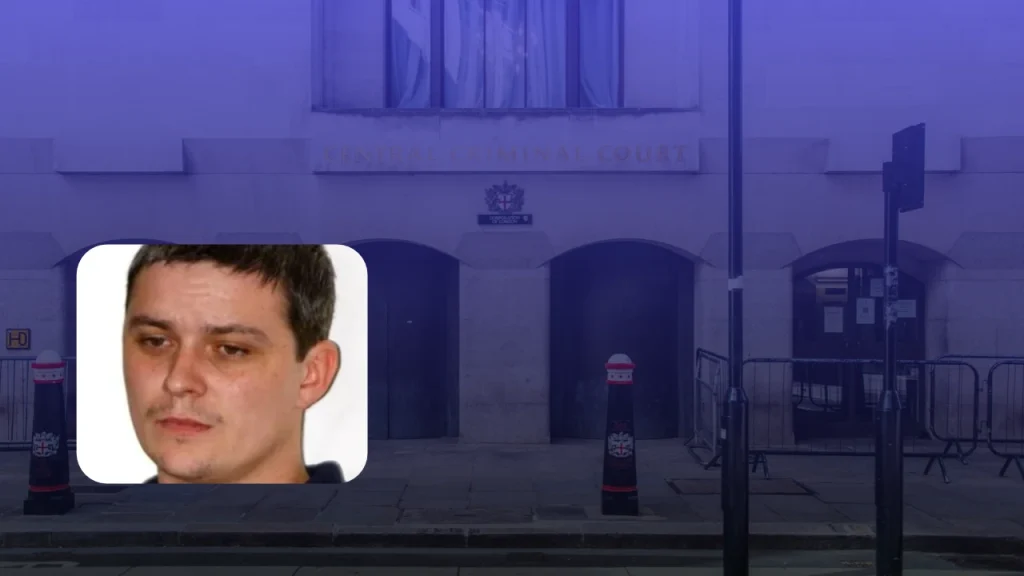
Anthony Russell, 44, was sentenced to a second whole-life order on Tuesday, November 24, 2026, after pleading guilty to the murder of Ian Huntley at HMP Frankland, a high-security prison in County Durham. Huntley, 52, was the former school caretaker convicted of murdering 10-year-old schoolgirls Holly Wells and Jessica Chapman in Soham, England, in 2002.
Russell changed his plea on the second day of his trial at Newcastle Crown Court. Mr Justice Hilliard told him: “You will never be released,” according to court reports. Russell was already serving a whole-life order for three murders in 2020, so the new sentence does not change his release prospects. It does record separate criminal responsibility for Huntley’s death.
The case also raises a wider question that a guilty plea does not answer: when someone in custody is killed by another prisoner, what duty did the prison owe, and who examines whether it was met? The Prisons and Probation Ombudsman is investigating.
This is a criminal prosecution in England and Wales, so there is no settlement fund or claim form.
Ian Huntley Murder Case: Quick Facts
| Detail | Information |
| Defendant | Anthony Russell, 44 |
| Deceased | Ian Huntley, 52 |
| Court | Newcastle Crown Court |
| Sentencing judge | Mr Justice Hilliard |
| Date of sentence | November 24, 2026 (second day of trial) |
| Plea | Guilty to murder (originally contested on diminished-responsibility grounds) |
| Sentence | Life imprisonment with a whole-life order |
| Prison | HMP Frankland, County Durham (high security) |
| Date of attack | Thursday, February 26, 2026 |
| Date of death | Saturday, March 7, 2026 |
| Weapon | Metal bar, about 4 kg, struck at least six times to the head (prosecution case) |
| Russell’s earlier sentence | Whole-life order, March 2022, Warwick Crown Court |
| Huntley’s original sentence | Life with a 40-year minimum term (2003) |
| Civil settlement or claim form | None |
What Happened to Ian Huntley at HMP Frankland on February 26, 2026?
The prosecution told Newcastle Crown Court that on the morning of Thursday, February 26, 2026, Russell hid a metal bar in the prison’s recycling workshop and attacked Huntley from behind. It said Russell swung the roughly 4 kg bar at least six times at Huntley’s head in what it called a “cold-blooded” murder that he planned for weeks. Huntley was taken to hospital and died on Saturday, March 7, 2026.
Russell told police he thought Huntley was arrogant and a bully, according to court reports, and that he had “nothing to lose” because he was already serving a whole-life term. The Crown Prosecution Service said it worked with Durham Constabulary to build the case that produced the guilty plea.
Why Did Anthony Russell Plead Guilty to Murdering Ian Huntley Mid-Trial?
Russell pleaded not guilty to murder and relied on diminished responsibility. The court heard he claimed mental health symptoms, including hearing voices, which prosecutors disputed. After the evidence outlined on the first day of trial, he changed his plea to guilty on day two. The jury never had to reach a verdict, and the judge moved straight to sentence.
What Is the Diminished Responsibility Defense Under Section 2 of the Homicide Act 1957?
Under section 2 of the Homicide Act 1957, as amended by the Coroners and Justice Act 2009, a person charged with murder can be convicted of manslaughter instead if a recognized medical condition substantially impaired their ability to understand their conduct, form a rational judgment or exercise self-control. The defendant must prove it. If it succeeds, the conviction drops from murder to manslaughter. Russell’s plea to murder ended that defense.
What Is a Whole-Life Order Under Schedule 21 of the Sentencing Act 2020?
The sentence for murder in England and Wales is life imprisonment. The judge sets a minimum term, unless the seriousness is exceptionally high, in which case Schedule 21 of the Sentencing Act 2020 points to a whole-life order. A murder by an offender who has previously been convicted of murder is among the cases that normally fall in that category.
A whole-life order means no minimum term and no Parole Board review. Release is possible only in exceptional circumstances, such as terminal illness, through the Secretary of State’s power under section 30 of the Crime (Sentences) Act 1997.
Related article: US Treasury Targets Iran’s Shadow Banking Network, What the $14.7 Billion FinCEN Finding and New OFAC Sanctions Mean Under U.S. Law
Why Can a Prisoner Already Serving a Whole-Life Order Receive Another One?
The second order does not lengthen Russell’s time in prison, since the first already means he will die there. A court still has to sentence every murder separately. A fresh whole-life order records the court’s judgment that this killing, too, was exceptionally serious, and it leaves no room for later arguments that his first sentence could be reviewed or reduced to make the second murder irrelevant.
Was Ian Huntley Serving a Whole-Life Order?
No. Huntley was sentenced in December 2003 to life imprisonment with a minimum term of 40 years for the 2002 murders of Holly Wells and Jessica Chapman. That is a minimum term, which is legally different from a whole-life order, and some reports blur the two. Russell, by contrast, was already serving a whole-life order.
Who Is Anthony Russell and What Were His Earlier Crimes?
Russell was convicted over a series of crimes in October 2020. He pleaded guilty to three counts of murder and three counts of robbery, and a jury at Warwick Crown Court found him guilty of the rape of Nicole McGregor in March 2022. The victims of the murders were Julie Williams, her son David Williams and Nicole McGregor. He was given a whole-life order.
Could HMP Frankland or the Prison Service Be Held Accountable for Ian Huntley’s Death?
That question is separate from the criminal case, and it has not been answered yet. The Prisons and Probation Ombudsman investigates every death in custody, and it has confirmed an investigation into Huntley’s death. Reports say it aims to issue an initial report within 26 weeks. Its reports set out key events, findings and recommendations, and the Ombudsman has no power to award damages.
An inquest and civil claims are other routes. Under Article 2 of the European Convention on Human Rights, given effect in the UK by the Human Rights Act 1998, the state has a duty to protect the lives of people it holds in custody, and that duty applies regardless of a prisoner’s past crimes. Whether it was breached here would depend on what staff knew and what steps they took, and no finding has been made. Reports before sentencing said the Ministry of Justice would not comment while court proceedings were active.
How Do UK Whole-Life Orders and US Life-Without-Parole Sentences Compare?
| Issue | England and Wales | United States |
| Life with no release | Whole-life order (Schedule 21, Sentencing Act 2020) | Life without parole, set by each state and the federal government |
| Release route | Narrow compassionate power held by the Secretary of State | Usually clemency or commutation |
| Capital punishment | None | Available in some states and federally |
| Prisoner safety duty | Article 2, European Convention on Human Rights; Human Rights Act 1998 | Eighth Amendment; prison officials may be liable for deliberate indifference to a substantial risk of serious harm (Farmer v. Brennan, 511 U.S. 825 (1994)) |
In both systems, a prisoner’s crimes do not remove the state’s duty to protect them from violence.
Ian Huntley and Anthony Russell Legal Timeline
| Date | Development |
| August 2002 | Holly Wells and Jessica Chapman murdered in Soham |
| December 2003 | Huntley sentenced to life with a 40-year minimum term |
| October 2020 | Russell commits three murders and a rape |
| March 2022 | Russell receives a whole-life order at Warwick Crown Court |
| February 26, 2026 | Huntley attacked at HMP Frankland |
| March 7, 2026 | Huntley dies in hospital |
| March 2026 | Russell charged with murder; Prisons and Probation Ombudsman investigation opened |
| November 23, 2026 | Trial begins at Newcastle Crown Court; Russell pleads not guilty |
| November 24, 2026 | Russell pleads guilty and receives a second whole-life order |
Frequently Asked Questions About the Ian Huntley Murder Sentence
Who killed Ian Huntley?
Fellow HMP Frankland prisoner Anthony Russell, 44, who pleaded guilty to murder on November 24, 2026.
What sentence did Anthony Russell receive for killing Ian Huntley?
Life imprisonment with a whole-life order, his second. He will not be released or be eligible to apply to the Parole Board.
How was Ian Huntley killed?
The prosecution said Russell struck him at least six times on the head with a roughly 4 kg metal bar in the prison workshop on February 26, 2026. Huntley died on March 7, 2026.
Was Ian Huntley serving a whole-life order?
No. He was serving life with a 40-year minimum term.
Is there an investigation into how Huntley was killed in prison?
Yes. The Prisons and Probation Ombudsman is investigating, as it does for every death in custody.
Is there a settlement or claim form connected to this case?
No. It is a criminal prosecution in England and Wales.
Bottom Line
Russell’s second whole-life order changes nothing practical about his future, but it closes the criminal case on a killing that followed a plea change on the second day of trial. What remains open is whether the prison system did enough to protect a man who, whatever he had done, was in its care. The Ombudsman’s findings will be the first public answer.
Primary Sources and Legal References
- LBC: Inmate Pleads Guilty to Murdering Soham Killer Ian Huntley
- Evening Standard (via AOL): Ian Huntley’s Murderer Given Second Whole-Life Tariff
- Channel 4 News: Prisoner Pleads Guilty to Killing Ian Huntley in Jail
- Shropshire Star: Who Is Anthony Russell?
- Prisons and Probation Ombudsman: HMP Frankland
- Sentencing Act 2020, Schedule 21
- Homicide Act 1957, section 2
Disclaimer: This article is legal information and news reporting, not legal advice. AllAboutLawyer.com is not a law firm. It covers the law of England and Wales.
Researched and written by Israr Ahmad, legal content researcher and founder of AllAboutLawyer.com. All facts verified against contemporary LBC, Channel 4, Evening Standard, Shropshire Star and Prisons and Probation Ombudsman reporting and records, and the cited UK statutes, as of November 25, 2026. Last Updated: November 25, 2026.
About the Author
Israr Ahmad is a legal content researcher with 4+ years of experience covering class action settlements and consumer rights cases. He has researched and published coverage of 2,500+ settlements using verified court records, settlement administrator filings, and government sources. Learn more about Israr.