
Ebola Outbreak 2026, More Than 10,000 Confirmed Cases and 4,964 Deaths, and What Americans Need to Know
The 2026 Ebola outbreak caused by the Bundibugyo virus has passed 10,000 confirmed cases. The CDC reports 10,224 confirmed cases and 4,964 confirmed deaths across its outbreak reporting countries, using data through October 27, 2026. Of those, 10,193 cases and 4,960 deaths are in the Democratic Republic of the Congo (DRC). That makes it the second-largest Ebola outbreak on record, behind the 2014–2016 West Africa epidemic.
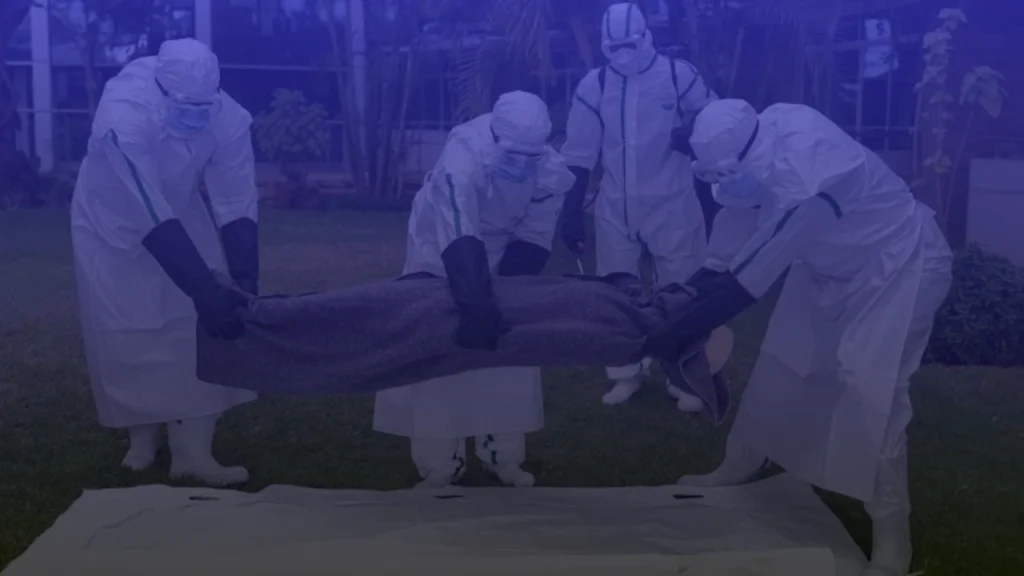
Headlines comparing this outbreak to COVID-19 need a correction. Ebola does not spread through the air the way COVID-19 does. It spreads mainly through direct contact with the blood or other body fluids of a person who is sick or has died of the disease, or through contaminated objects. The WHO declared a Public Health Emergency of International Concern (PHEIC) on May 17, 2026, but said the outbreak did not meet the criteria for a pandemic emergency.
The CDC says no outbreak-linked cases have been confirmed in the United States and rates the risk to the American public as low. A new federal rule does apply, though. Starting November 3, 2026, passengers boarding international flights to the U.S. must sign an attestation that they have not been in the DRC in the previous 21 days, unless an exemption applies.
Ebola Outbreak 2026: Quick Facts
| Detail | Latest verified information |
| Disease | Bundibugyo virus disease (BVD) |
| Main outbreak country | Democratic Republic of the Congo |
| Outbreak declared | May 15, 2026 |
| WHO international emergency (PHEIC) | May 17, 2026 |
| Confirmed cases, all reporting countries | 10,224 |
| Confirmed deaths, all reporting countries | 4,964 |
| DRC confirmed cases and deaths | 10,193 cases, 4,960 deaths |
| Other countries with recorded cases | Kenya, Nigeria, Uganda, France |
| U.S. outbreak-linked cases | None confirmed as of October 29 |
| Pandemic emergency status | WHO says criteria not met |
| Incubation period | 2 to 21 days |
| Licensed vaccine for Bundibugyo virus | None |
| Approved specific treatment for Bundibugyo virus | None |
| U.S. flight attestation requirement | Effective November 3, 2026, 11:59 p.m. Eastern Time |
Data cutoff October 27, 2026. The totals are cumulative. They include patients who have recovered and countries where earlier cases are resolved, so they are not a count of people currently infectious.
Where Is the Bundibugyo Ebola Outbreak Happening?
The DRC carries almost all of the burden, across eight provinces, many of them affected by armed conflict, displacement and weak medical infrastructure. The ECDC’s October 29 update, using DRC data through October 27, listed:
| DRC province | Confirmed cases | Confirmed deaths |
| Ituri | 7,278 | 3,407 |
| North Kivu | 2,361 | 1,325 |
| Haut-Uélé | 444 | 194 |
| Tshopo | 89 | 27 |
| South Kivu | 3 | 1 |
Other affected provinces include Bas-Uélé, South Ubangi and North Ubangi. Ituri and North Kivu are the main hotspots.
Which countries outside the DRC have reported Ebola cases?
| Country | Confirmed cases | Latest reported situation |
| Democratic Republic of the Congo | 10,193 | Ongoing community transmission |
| Kenya | 9 | Two deaths; cluster linked to an imported case |
| Uganda | 20 | Two deaths; outbreak has ended, last patient discharged July 16 |
| Nigeria | 1 | Confirmed October 20; patient medically evacuated to Switzerland |
| France | 1 | Imported case; patient discharged July 4 |
| Total | 10,224 | Cumulative confirmed cases |
Uganda also reported one probable case and one probable death, which are not in the confirmed totals. The Nigerian patient had a travel history to Uganda, tested positive in Abuja and was evacuated on October 26, and sequencing linked the case to the DRC chain. An infected patient receiving care abroad does not mean local community transmission has been established there.
Why Is the Ebola Outbreak in the DRC So Serious?
The DRC outbreak passed 1,000 confirmed cases within about 40 days of response activation, according to the CDC, compared with roughly 235 days in the 2018 DRC outbreak. The West Africa epidemic of 2014–2016 remains the largest, with about 28,600 cases and more than 11,000 deaths.
The crude case-fatality ratio in the DRC is about 49% (4,960 deaths among 10,193 confirmed cases). That is reported deaths divided by confirmed cases. It is not an individual’s chance of dying, and it can change as data are revised.
Several problems have kept the outbreak going:
- Untracked transmission: The Associated Press reported that fewer than a quarter of new confirmed cases came from known contacts.
- Delayed diagnosis: Early testing looked for Zaire Ebola virus rather than Bundibugyo virus, and early symptoms can resemble malaria.
- Armed conflict: Insecurity blocks response teams and contact tracing.
- Limited health infrastructure: Shortages of supplies, labs and treatment capacity delay care.
- Community mistrust: Some residents avoid testing or treatment, and misinformation has led to violence against patients and health workers.
- Health-worker infections: Staff without adequate protective equipment are exposed.
Related article: Sioux Falls Shooting Near 14th Street and Western Avenue, Home Hit by Gunfire, Police Seek Suspects
Is Ebola Spreading Like COVID-19?
No, not in how it transmits. International officials are warning about travel-related spread and preparedness, not airborne spread.
| Issue | Ebola | COVID-19 |
| Main route | Direct contact with infected body fluids or contaminated objects | Respiratory particles, including aerosols |
| Passing an infected person in public | Not a transmission route | Can spread through shared indoor air |
| When contagious | After symptoms begin, per current CDC guidance | Can spread before symptoms |
| Incubation | 2–21 days | Usually shorter |
| Vaccine for current strain | No licensed Bundibugyo vaccine | Multiple approved vaccines |
The CDC states that Ebola does not spread through the air like COVID-19 or influenza. The international concern is that someone infected could travel before illness is recognized and expose close contacts or health workers abroad.
What Is the Bundibugyo Virus?
Bundibugyo virus is one of the four orthoebolaviruses known to cause disease in humans, alongside Ebola (Zaire) virus, Sudan virus and Taï Forest virus. It was first identified in 2007 in Uganda’s Bundibugyo district, with a second outbreak in the DRC in 2012. Vaccines and antibody treatments approved for Zaire Ebola virus cannot be assumed to work against it.
How Does Ebola Spread, and What Are the Symptoms?
Ebola is zoonotic. Fruit bats are suspected natural hosts, and human infection can begin through contact with infected wildlife. Person-to-person spread then occurs through:
- Blood and body fluids: Contact with blood, vomit, feces, saliva, sweat, urine, breast milk or other secretions entering broken skin, eyes, nose or mouth.
- Contaminated objects: Bedding, clothing, medical equipment and needles.
- Unsafe funerals and burials: The virus can remain infectious after death.
- Survivors: Sexual transmission from male survivors has been documented.
There is no evidence that mosquitoes spread Ebola, and a person with no symptoms is not considered contagious under current CDC guidance.
Symptoms appear 2 to 21 days after exposure, on average around 8 to 10 days. Early signs include fever, severe fatigue, headache, muscle and joint pain, sore throat and weakness. Later signs can include vomiting, diarrhea, abdominal pain, dehydration, organ dysfunction and, in some patients, unexplained bleeding. Not every patient bleeds. Anyone who has been in an affected area or had a credible exposure and develops symptoms within 21 days should call a health provider or health department before going to a clinic, and explain their travel history. Symptoms alone cannot confirm Ebola; laboratory testing is required.
Is There a Vaccine or Treatment for Bundibugyo Ebola?
There is no licensed vaccine and no approved specific treatment for Bundibugyo virus disease.
- Ervebo: Licensed for Zaire Ebola virus. The WHO says there is not enough evidence to know whether it protects against Bundibugyo virus, and any use in this outbreak should be tied to a research protocol.
- Inmazeb and Ebanga: FDA-approved antibody treatments for Zaire Ebola only, not approved specifically for Bundibugyo.
- Supportive care: Fluids and electrolytes, treatment of vomiting, diarrhea, fever, pain and secondary infections, plus isolation. Early care improves survival.
- Candidates in development: ChAdOx1-BDBV (University of Oxford), an mRNA candidate associated with Moderna, rVSV-based candidates from IAVI and PHV, and MVA-CR19 from Minapharm. A Phase 2/3 trial called TUMAINI began in Bunia, DRC, on October 23.
These are research efforts. They do not mean an effective Bundibugyo vaccine is available.
What Did the WHO Declare Under the International Health Regulations?
On May 17, 2026, the WHO declared the outbreak a PHEIC under the International Health Regulations (2005). Those regulations require countries to notify the WHO of events that may constitute a public health emergency of international concern within 24 hours of assessing them. A PHEIC signals the need for coordinated international action. It is not a pandemic declaration, and the WHO said the outbreak did not meet the criteria for a pandemic emergency. Africa CDC separately declared a Public Health Emergency of Continental Security on May 18.
Is the 2026 Ebola Outbreak a Risk to the United States?
As of the CDC’s October 29 update, no outbreak-linked cases have been confirmed in the U.S., the likelihood of spread to the U.S. is considered very low, and the risk to the public and travelers is low. If a case were diagnosed here, the CDC considers further spread unlikely because of infection-control capacity. Imported cases remain possible, which is why travel rules have tightened.
New CDC Ebola Flight Attestation Order: What Changes on November 3, 2026?
The CDC issued an order on October 22 and amended it on October 28. Beginning 11:59 p.m. Eastern Time on November 3, 2026, everyone boarding an international flight to the United States must sign a statement that they have not been present in the DRC during the previous 21 days, unless a government exemption applies.
Who it covers: U.S. citizens, U.S. nationals, lawful permanent residents and other international passengers, on commercial flights, private aircraft and other covered aircraft.
The 21-day count: Day 0 is the day you leave the DRC. You may board a U.S.-bound flight starting Day 22, if other requirements are met.
Transit counts: The CDC treats a person as present in the DRC if they entered or travelled through it by air, land or sea, including a connection through a DRC airport.
Airline duties: Operators may not board passengers without a completed attestation or an exemption. The form can be paper or digital, and airlines must keep records for at least 42 days after arrival and provide them to the government on request.
Penalties for false statements: The CDC warns that knowingly and willfully giving false or misleading information can lead to fines and imprisonment under 18 U.S.C. § 1001, the federal false-statements law. Prosecutors would still have to prove the elements, including knowledge and intent, but passengers should treat the attestation as a formal legal declaration. It is a boarding restriction and declaration, not a blanket quarantine of everyone in the country. Check the CDC order page before relying on these details, because the rule has already been amended once.
What Should Travelers Do About Ebola in the DRC and Uganda?
The CDC currently recommends avoiding all travel to Ituri and North Kivu provinces, avoiding nonessential travel to Haut-Uélé and Tshopo, taking enhanced precautions elsewhere in the DRC and in Uganda, and monitoring health for 21 days after leaving an affected area. Travelers should avoid contact with sick people, body fluids, contaminated medical materials, bodies of the deceased and wildlife that may be infected. Anyone who becomes ill within 21 days of returning should call ahead to a provider or health department.
Can Governments Legally Require Quarantine or Isolation During an Ebola Emergency?
Public-health powers are real but limited. In the U.S., federal authority to prevent the introduction and spread of communicable diseases comes from Section 361 of the Public Health Service Act, 42 U.S.C. § 264, and its regulations at 42 C.F.R. Parts 70 and 71. States have their own isolation and quarantine laws. A WHO emergency declaration does not by itself place anyone in the United States under quarantine. Whether a person can be isolated depends on the authority used, their exposure or illness, and the procedures that apply, which may include notice and a right to challenge the order.
State rules differ. South Carolina Measles Outbreak, 111 Cases Force Legal Action as Hundreds Face Quarantine shows how one state’s statutes handle quarantine, court review and individual protections. Those rules do not automatically apply to federal Ebola measures or to other states.
Healthcare liability. Hospitals have infection-control duties, and failures with protective equipment or procedures can raise legal claims. Any claim would turn on duty, conduct, causation and damages. For a separate example of a suit over alleged infection-control failures, see Pima County Jail Inmate Sues Sheriff Nanos for $1.35M Over Alleged COVID-19 Safety Failures. That case involves a different disease and does not establish liability in this outbreak.
Vaccine policy. With no licensed Bundibugyo vaccine, any future authorization or mandate would be judged under its own legal authority and evidence. For background on an unrelated vaccine dispute, see Florida AG Sues Pfizer Over COVID Vaccine Safety Claims, State Seeks $10,000 Per Violation and Return of Profits. It concerns different allegations and has nothing to do with Ebola vaccine research.
Will the 2026 Ebola Outbreak Become the Worst in History?
That is uncertain. It is already second-largest on record but well below the West African epidemic. The Associated Press reported that weekly confirmed cases in the DRC have held at roughly 400 to 500, a high plateau rather than steady growth, with no consistent decline yet. Some researchers warn it could become the largest ever if transmission continues; others say it can still be controlled. Claiming it will definitely pass the 2014–2016 epidemic, or become a pandemic, goes beyond the current evidence.
What will decide the course of the outbreak: earlier detection and contact tracing, protective equipment and treatment access, international information-sharing, trial results for Bundibugyo vaccine candidates, and whether travel measures like the U.S. order change as officials reassess.
Frequently Asked Questions About the 2026 Ebola Outbreak
How many people have died from Ebola in 2026?
The CDC reports 4,964 confirmed deaths across its reporting countries through October 27, 2026, including 4,960 in the DRC.
Are there really more than 10,000 Ebola cases in the DRC outbreak?
Yes. The CDC reports 10,224 confirmed cases across reporting countries, 10,193 of them in the DRC. The figure is cumulative.
Is Ebola spreading like COVID-19?
Not in how it transmits. Ebola spreads through direct contact with infected body fluids or contaminated objects, not ordinary airborne contact.
Is Ebola in the United States?
No outbreak-linked cases had been confirmed in the U.S. as of the CDC’s October 29 update, and the CDC rates the risk to the public as low.
Can you catch Ebola by being near someone?
Not by merely passing an infected person or sharing a public space. Transmission generally needs contact with infected body fluids or contaminated objects.
Is there an Ebola vaccine for the Bundibugyo strain?
No. Ervebo is licensed for Zaire Ebola virus, and whether it protects against Bundibugyo is still being studied.
Is there a treatment for Bundibugyo Ebola?
There is no approved specific treatment. Patients get supportive hospital care.
Has the WHO declared an Ebola pandemic?
No. The WHO declared a PHEIC on May 17, 2026, and said the outbreak did not meet the criteria for a pandemic emergency.
Does the new U.S. Ebola travel rule apply to American citizens?
Yes. From November 3, 2026, all passengers boarding international flights to the U.S., including citizens and Green Card holders, must complete the attestation unless exempt.
What if I only changed planes in the DRC?
The CDC counts transit through a DRC airport as presence in the country, so the 21-day wait applies.
Can you be prosecuted for a false statement on the Ebola travel form?
Knowingly and willfully giving false information can trigger penalties under 18 U.S.C. § 1001, subject to the government proving the legal elements.
Sources
- CDC: Ebola Outbreak, Current Situation (October 29, 2026)
- WHO: Ebola Disease Caused by Bundibugyo Virus, Disease Outbreak News (October 23, 2026)
- ECDC: Multi-Country Ebola Outbreak Update (October 29, 2026)
- WHO: PHEIC Declaration (May 17, 2026)
- CDC: How Ebola Disease Spreads
- CDC: Ebola Disease Basics, Symptoms and Treatment
- WHO: Ebola Vaccines, Questions and Answers
- CDC: U.S. Flight Attestation Order (October 28, 2026)
- CDC: Information for Travelers Returning From Ebola-Affected Areas
- Associated Press: Experts Warn of Wider Spread as Ebola Outbreak Reaches Plateau (October 29, 2026)
- 18 U.S.C. § 1001, False Statements
- 42 U.S.C. § 264, Regulations to Control Communicable Diseases
For information only. AllAboutLawyer.com is a legal information website, not a law firm, and does not give medical or legal advice. Case counts and travel rules change; CDC, WHO and local health authorities control.
Researched and written by Israr Ahmad, legal content researcher and founder of AllAboutLawyer.com. All facts verified against the CDC outbreak summary and attestation order, WHO outbreak news and PHEIC statement, and ECDC situation updates, as of October 30, 2026. Last Updated: October 30, 2026.
About the Author
Israr Ahmad is a legal content researcher with 4+ years of experience covering class action settlements and consumer rights cases. He has researched and published coverage of 2,500+ settlements using verified court records, settlement administrator filings, and government sources. Learn more about Israr.