
California Aquarium Lobster Lawsuit, Inside the Maine Lobstermen vs. Monterey Bay Aquarium Defamation Fight
The “California aquarium lobster lawsuit” refers to a defamation case brought by Maine’s lobster industry against the Monterey Bay Aquarium Foundation, the nonprofit behind the Monterey, California aquarium and its Seafood Watch sustainability program. The industry says Seafood Watch’s 2022 decision to put American lobster on its “red list” — telling consumers to avoid it — was based on flawed science and cost fishermen money. The case is not a consumer class action with a claims process; it’s a business-to-business defamation suit currently before a federal appeals court, which appeared skeptical of the claim at oral argument on July 27, 2026.
Quick Facts
| Case name | Bean Maine Lobster, Inc., et al. v. Monterey Bay Aquarium Foundation |
| Court | U.S. District Court for the District of Maine; now on appeal to the 1st U.S. Circuit Court of Appeals (Boston) |
| Filed | March 13, 2023 |
| Plaintiffs | Maine Lobstermen’s Association, Maine Coast Fishermen’s Association, Bean Maine Lobster Inc., Atwood Lobster LLC, Bug Catcher Inc. |
| Defendant | Monterey Bay Aquarium Foundation (operator of Seafood Watch) |
| Claim type | Defamation / commercial disparagement — not a consumer class action |
| Related suit | A near-identical suit by Massachusetts lobstermen was voluntarily dismissed in January 2024 after they concluded a win was unlikely and too costly |
| Status as of August 2026 | Awaiting a ruling from the 1st Circuit Court of Appeals on whether the case can proceed at all |
| Is there a consumer claim to file? | No. This case does not involve consumer refunds, settlements, or a claims process |
What Is Seafood Watch, and Why Did It Red-List Lobster?
Seafood Watch is a sustainability rating program run by the Monterey Bay Aquarium Foundation. It grades seafood as “Best Choice,” “Good Alternative,” or “Avoid” (the red list), and the ratings are widely used by grocery chains, restaurants, and distributors deciding what seafood to stock.
In September 2022, Seafood Watch moved American and Canadian lobster caught by trap gear onto its red list. The stated reason was risk to the North Atlantic right whale, a critically endangered species — NOAA estimates fewer than 350 remain — that can become entangled in the vertical ropes used in trap-and-buoy lobster fishing. Some major retailers, including Whole Foods, pulled Gulf of Maine lobster from shelves after the listing.
Why the Lobster Industry Sued
Massachusetts lobstermen filed the first suit on March 3, 2023, followed just under two weeks later by the Maine coalition — the case now on appeal. Both argued the same core points:
- The red listing wrongly portrays lobster trap fishing as a major threat to right whales, when, they argue, no confirmed entanglement has ever been tied to Maine gear specifically.
- Seafood Watch allegedly omitted evidence pointing to other causes of entanglement, including gear from the Canadian snow crab fishery, and organizations representing the fishermen argue the industry has taken extensive steps to protect the whales, including seasonal closures and weaker rope requirements.
- The listing caused measurable economic harm, since it directly influenced purchasing decisions by major retailers.
The Massachusetts case sought $75,000 in damages for disparagement and interference with proprietary rights.
Related case: Grant Cardone Lawsuit, Everything Investors Need to Know About the Pino v. Cardone Capital Class Action
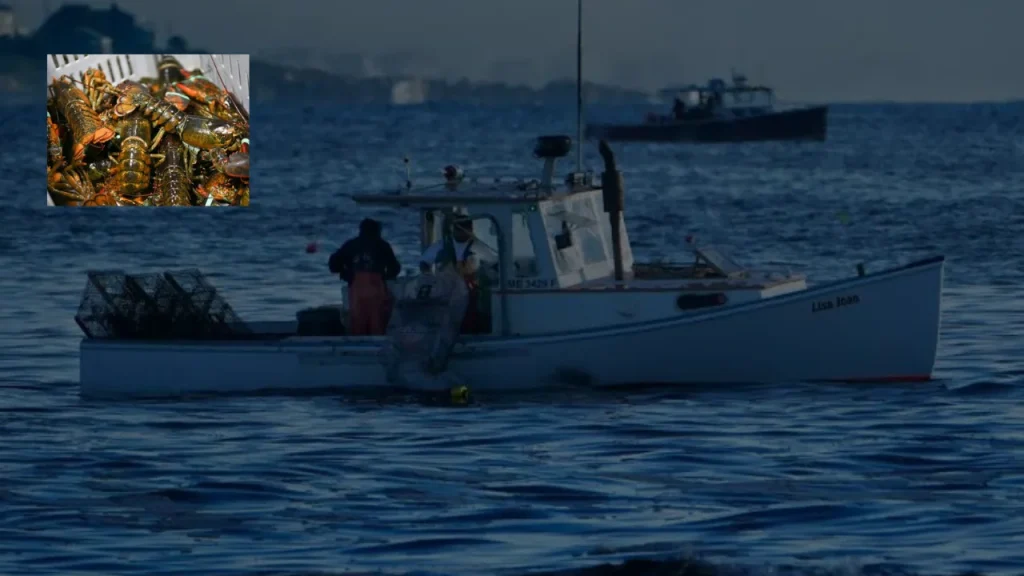
The aquarium’s position, echoed by its counsel throughout the case, is that the Seafood Watch rating reflects credible science, that the program is protected opinion and advocacy speech, and that neither lawsuit named or targeted any individual plaintiff directly — a point that matters a great deal for a defamation claim, which traditionally requires a false statement of fact “of and concerning” the specific plaintiff.
Case Timeline
September 2022 — Seafood Watch places American and Canadian trap-caught lobster on its “Avoid” red list, citing right whale entanglement risk.
March 3, 2023 — Four Massachusetts lobstermen, including Massachusetts Lobstermen’s Association president Arthur “Sookie” Sawyer, file a class action in the Northern District of California against the aquarium and the Marine Stewardship Council.
March 13, 2023 — Maine Lobstermen’s Association, Maine Coast Fishermen’s Association, and three lobster businesses file a separate defamation suit against the aquarium in the District of Maine.
January 8, 2024 — A federal judge in California dismisses the Massachusetts class action with prejudice after both sides agree to end it; the Massachusetts association concludes a win in California courts was unlikely and too costly to pursue, and says it will instead track the Maine case.
Early 2024 — The aquarium points to the death of a North Atlantic right whale found entangled in Maine fishing gear as further support for its rating.
February 7, 2025 — U.S. District Judge John Woodcock denies the aquarium’s motion to dismiss the Maine case, ruling that cutting the suit off before the defamation claim is tested on the merits would be premature. The Maine Lobstermen’s Association calls it a “crucial step” toward accountability.
Shortly after — The Monterey Bay Aquarium Foundation appeals Woodcock’s ruling to the 1st U.S. Circuit Court of Appeals.
July 27, 2026 — The 1st Circuit hears oral argument in Boston. Judge Seth Aframe expresses skepticism that the claim is really defamation at all, warning that broadening who can sue over a sustainability opinion risks turning nearly any critical statement into grounds for a lawsuit. Attorney Amy Saharia, representing the aquarium, argues Seafood Watch never singled out any specific plaintiff. Plaintiffs’ attorney Kevin Lipson maintains the aquarium omitted contrary evidence it had access to.
August 2026 — The case remains pending before the 1st Circuit, which has not yet issued a ruling on whether it can proceed.
The Core Legal Fight: Defamation vs. Free Speech
This case is being watched closely because it sits at the intersection of two competing interests:
The industry’s defamation theory: To win, the plaintiffs need to show the aquarium made a false statement of fact (not just an opinion), that it was about them specifically, that it was published to others, and that it caused real economic harm.
The aquarium’s First Amendment defense: Sustainability ratings and conservation advocacy are widely treated as protected speech, especially when they reflect a stated methodology and cite whale-conservation research rather than false factual claims about a specific company. During oral argument, the panel’s questioning suggested judges are wary of letting broad industry criticism function as a defamation claim, since that could expose environmental and consumer advocacy groups to suits any time their ratings hurt a company’s bottom line.
How the 1st Circuit resolves that tension will likely shape whether — and how — the case moves forward toward a trial on the merits.
Is There a Settlement or Claim Consumers Can File?
No. This is a common point of confusion. Unlike a consumer class action over a defective product or a data breach, this case is a defamation and commercial disparagement claim brought by industry associations and lobster businesses, not by everyday consumers. There is no consumer eligibility criteria, no claim form, and no settlement fund tied to this litigation. Lobster buyers and diners are not part of this case in any capacity.
If the case eventually settles or a court issues a final ruling, any outcome would run between the Monterey Bay Aquarium Foundation and the named lobster industry plaintiffs — not the public.
What Happens Next
The 1st Circuit Court of Appeals has not set a firm date for its ruling. Three outcomes are possible:
- The court could affirm Judge Woodcock’s decision, allowing the defamation case to proceed toward discovery and eventually trial in the District of Maine.
- The court could reverse and dismiss the case outright, likely on First Amendment or “of and concerning” grounds — ending the litigation.
- The court could send it back with instructions narrowing which claims, if any, may proceed.
This page will be updated once the 1st Circuit issues its ruling.
Frequently Asked Questions
Is Monterey Bay Aquarium being sued by lobster fishermen? Yes. A coalition of Maine lobster industry groups and businesses sued the Monterey Bay Aquarium Foundation for defamation after its Seafood Watch program red-listed American lobster in 2022. A parallel Massachusetts lawsuit was voluntarily dropped in 2024.
Why did Seafood Watch red-list lobster? Because of the risk that vertical trap-fishing ropes pose to the critically endangered North Atlantic right whale through gear entanglement.
Has a court ruled in favor of either side yet? Not on the merits. A district judge allowed the case to proceed in February 2025, but the aquarium appealed, and the 1st Circuit Court of Appeals is now deciding whether the lawsuit can continue at all. No trial has taken place.
Can consumers file a claim related to this lawsuit? No. This is not a consumer class action, and there is no claims process, refund, or settlement fund available to the public.
What is the Massachusetts lobster lawsuit, and is it still active? A separate but related case filed by four Massachusetts lobstermen in March 2023 was dismissed with prejudice in January 2024 after both sides agreed to end it; the Massachusetts Lobstermen’s Association said pursuing it further was unlikely to succeed and too costly.
Sources: Associated Press (Aug. 5–6, 2026); WBUR; SeafoodSource; Portland Press Herald; NPR; court filings in the District of Maine and 1st U.S. Circuit Court of Appeals. This article is for informational purposes only and does not constitute legal advice.
About the Author
Israr Ahmad is a legal content researcher with 4+ years of experience covering class action settlements and consumer rights cases. He has researched and published coverage of 2,500+ settlements using verified court records, settlement administrator filings, and government sources. Learn more about Israr.