
Baby Brezza Lawsuit 2026, Parents Allege Formula Makers Diluted Bottles and Put Babies at Risk
Baby Brezza is facing a proposed nationwide class action alleging that its automatic baby formula machines can dispense too little powdered formula, leaving bottles with an incorrect formula-to-water ratio even when parents follow the instructions. Four parents filed the lawsuit against Baby Brezza Enterprises LLC and The Betesh Group Holding Corporation in federal court in New York on September 1, 2026. The complaint alleges the companies marketed the machines as accurate and reliable while failing to disclose a recurring dispensing problem.
The lawsuit says the alleged defect left some babies hungry, caused weight loss or, in one account, led to hospitalization. Those accounts come from the parents’ complaint and have not been established as findings of fact by a court. The plaintiffs seek class certification and compensation for alleged economic losses, including the difference between what purchasers paid and what they say the machines were actually worth.
This is not a court-approved settlement. As of October 28, 2026, no certified class, guaranteed payment amount or public claim form has been identified. A lawsuit being filed does not mean every Baby Brezza machine is defective or that every family who owns one will receive money.
Parents should also separate the legal case from any immediate feeding concern. The U.S. Food and Drug Administration says infant formula must be prepared exactly as the label directs. If you suspect a machine is dispensing the wrong amount of powder, or your baby is not gaining weight as expected, contact your pediatrician promptly and prepare bottles by the formula label’s instructions in the meantime.
Baby Brezza Lawsuit 2026: Quick Facts
| Detail | Verified information |
| Case name | Levitas et al. v. Baby Brezza Enterprises LLC et al. |
| Case number | 1:26-cv-07465 |
| Court | U.S. District Court for the Southern District of New York |
| Complaint filed | September 1, 2026 |
| Named plaintiffs | Alexis Levitas, Caroline Somerstein, Dalia Horowitz and Anna Jubas |
| Defendants | Baby Brezza Enterprises LLC and The Betesh Group Holding Corporation |
| Products at issue | Baby Brezza Formula Maker models, including Formula Pro, Formula Pro Advanced and Formula Pro Mini |
| Main allegation | Machines allegedly dispense too little powdered formula, producing diluted bottles |
| Legal claims | Common-law fraud and breach of express warranty |
| Proposed class | U.S. purchasers of new Formula Makers, including people who selected one for their household and arranged for someone else to buy it |
| Claimed economic injury | Difference between the product’s value as represented and its alleged actual value |
| Amount alleged for federal jurisdiction | More than $5 million, according to the complaint (not a settlement amount) |
| Class certification | Not certified in the records reviewed |
| Settlement | None |
| Official settlement website / claim form | None exists. No settlement website or claim form has been opened, so there is nothing to file right now |
| Latest verified case stage | Complaint and summons requests filed; later docket activity should be checked on the live federal docket |
The public docket summary reviewed for this article showed the complaint, its exhibits and requests for issuance of summons, all dated September 1, 2026. It did not provide a reliable, current account of later docket events such as service, extensions or the defendants’ response deadline.
What Is the Baby Brezza Formula Maker Lawsuit About?
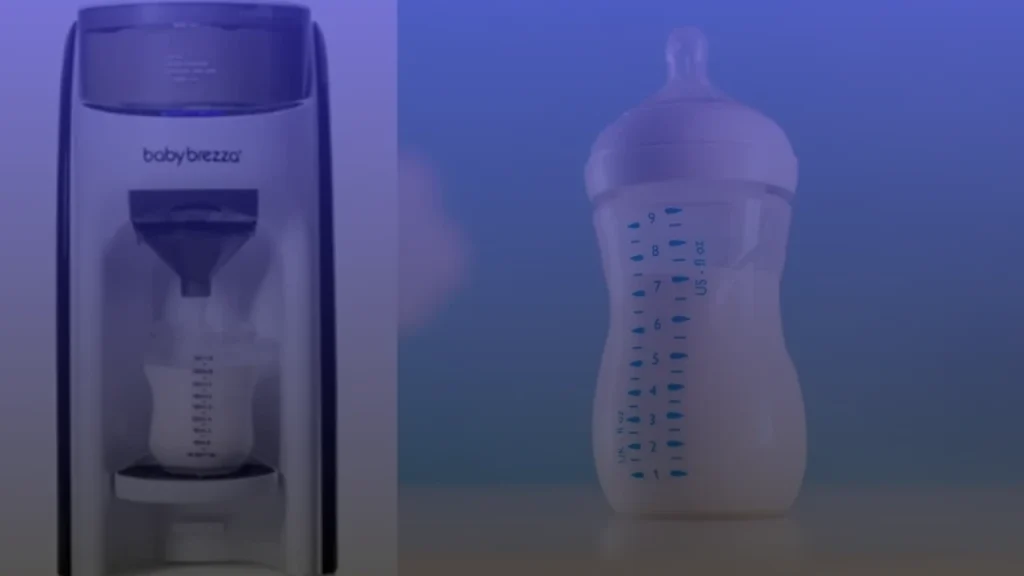
The Baby Brezza Formula Maker is an appliance that measures and dispenses powdered formula and water to prepare a bottle. Depending on the model, a user fills the powder container and water reservoir, selects the formula setting, chooses a bottle size and temperature, and starts the machine.
Convenience is the heart of the dispute. Parents buy an automated formula maker because it promises a consistent bottle without measuring every scoop by hand. The plaintiffs allege that the machine does not always deliver the amount of powder needed for the selected volume of water, so the resulting bottle can be more diluted than intended.
The complaint alleges this can happen even when a machine is properly set up, cleaned and operated according to the instructions. It also alleges that Baby Brezza advertised the product as making a perfectly mixed bottle every time and as being more accurate and consistent than preparing bottles by hand.
Baby Brezza has generally maintained that its machines work safely and effectively when the correct formula setting is selected and the machine is properly maintained. Its guidance stresses regular cleaning of the powder funnel and chute and choosing the correct setting for the specific formula. The plaintiffs counter that the problem persists even when those steps are followed.
No court has found the companies liable. The court has not ruled that the Formula Maker has the alleged defect, that the companies concealed it, or that any particular infant’s medical condition was caused by a machine.
Why Does the Formula-to-Water Ratio Matter?
Powdered infant formula is designed to be mixed using the exact water and powder amounts the manufacturer specifies. Changing the ratio changes the concentration of nutrients in the bottle.
The FDA explains that formula prepared with too much water may not provide enough nutrition and, over time, can contribute to slower growth, while formula prepared with too little water can cause dehydration. That is why an alleged measuring problem is potentially more serious than an ordinary appliance malfunction.
However, a possible risk does not prove the claimed defect exists in every machine or that it caused the health problems described in the complaint. The legal dispute will turn on evidence about the products, the alleged dispensing problem, what the defendants knew and said, the plaintiffs’ purchases and the losses claimed.
Which Baby Brezza Models Are Named in the Lawsuit?
| Model | How it relates to the lawsuit |
| Baby Brezza Formula Pro | An automatic powdered-formula dispensing machine identified in the complaint |
| Baby Brezza Formula Pro Advanced | A named product used by several plaintiffs |
| Baby Brezza Formula Pro Mini | A named model used by plaintiff Caroline Somerstein |
The complaint says the models include, but are not necessarily limited to, these products, and describes them as generally retailing for roughly $200. The actual price varies by model, retailer, purchase date and promotion.
The complaint does not establish that every unit of every model malfunctions. If you own a Formula Pro, Formula Pro Advanced or Formula Pro Mini, keep the exact model information. If you own a different Baby Brezza product, do not assume it is covered by the proposed class. That depends on the wording of the complaint and any future court ruling.
What Do the Four Parents Allege in the Complaint?
The complaint describes four named plaintiffs and their experiences with machines they bought or selected for their baby registries. These accounts are allegations, not court findings or independently verified medical conclusions.
Alexis Levitas: Formula Pro Advanced and Her Twins
Alexis Levitas, an Illinois resident, alleges she bought a Formula Pro Advanced on June 5, 2024 for $199.99. After her twins were born, she received another Formula Maker as a registry gift in October 2025. She says she followed the instructions, but after about three months of use became concerned that her babies stayed hungry even after drinking enough bottles that, if mixed correctly, would have exceeded the recommended daily amount.
According to the complaint, her pediatrician advised her to prepare bottles by hand. She says she noticed differences in the color and consistency of hand-prepared bottles and concluded the machine had been dispensing too little powder.
Caroline Somerstein: Formula Pro Mini and Alleged Hospitalization
Caroline Somerstein, a New Jersey resident who previously lived in New York, selected a Formula Pro Mini for her baby registry. The complaint says it was purchased as a gift for $229.99 on September 10, 2023. She alleges she used it as directed for about three months, after which her baby lost a significant amount of weight and was hospitalized.
The complaint says her pediatrician advised her to stop using the machine and prepare bottles by hand. The hospitalization and its alleged connection to the device are allegations, not a judicial determination of medical causation.
Dalia Horowitz: Two Formula Pro Advanced Machines
Dalia Horowitz alleges she bought a Formula Pro Advanced from Baby Brezza’s website on October 30, 2022 for $184, and another on November 27, 2023 for $179.40 as a gift for a friend. She says she became concerned after about six months because her second child was frequently hungry. After learning of other reports of dispensing problems, she began preparing bottles by hand and noticed a difference in consistency.
Horowitz says she notified Baby Brezza and followed its troubleshooting instructions, but the machine continued to dispense improperly.
Anna Jubas: Formula Pro Advanced and Weight-Gain Concerns
Anna Jubas alleges she received a Formula Pro Advanced as a registry gift in January 2023, purchased for $229.99. She says she used it for about three months while feeding her second child, who was not gaining weight as expected. According to the complaint, the baby’s weight percentile dropped from roughly the 45th to roughly the 5th percentile.
Jubas says her pediatrician advised her to stop using the machine and prepare bottles by hand. This is the plaintiff’s account in a court complaint, not proof that the device caused the weight change.
What Does Consumer Reports’ Testing Say About Baby Brezza Formula Makers?
The lawsuit points to independent testing published by Consumer Reports in 2024, which reported that some Baby Brezza models dispensed less powder than expected under its test conditions. In one two-ounce bottle assessment, Consumer Reports reported these averages:
| Machine | Powder amount compared with the stated reference |
| Formula Pro Advanced | 15.1% less powdered formula than the lab control; 9% less than the Similac measurement |
| Formula Pro Advanced WiFi | 22.7% less powdered formula than the lab control; 17.1% less than the Similac measurement |
These figures describe one controlled test. They do not prove every machine dispenses that much too little, that all production units behave the same way, or that the plaintiffs’ machines caused any infant’s medical condition. Test methods, formula brands, settings, bottle sizes, cleaning and calibration can all affect results. The plaintiffs argue the findings conflict with Baby Brezza’s claims about accuracy and consistency. Whether that evidence supports their legal claims is for the court to decide.
What Do Consumer Product Safety Commission Reports Say?
The Consumer Product Safety Commission’s SaferProducts.gov database contains reports from consumers and health professionals about Baby Brezza formula dispensers. A report is not a CPSC finding that a product is defective. It records what the submitter reported and, in some cases, the manufacturer’s response.
June 2025: Health-Professional Report About a Formula Pro Advanced
A health professional reported on June 25, 2025 that a three-month-old had poor weight gain while using a Formula Pro Advanced. The submitter said the baby began gaining weight after the family switched to hand-prepared bottles, whose consistency looked different, and that similar concerns had come from other patients. Baby Brezza responded that it was confident the Formula Pro operates safely and effectively when the correct formula setting is selected and the machine is properly maintained, and that it had tried to contact the reporter for more information.
December 2025: Consumer Report About the Formula Pro Mini
A consumer filed a report on December 10, 2025 about a Formula Pro Mini, alleging the machine was not dispensing the proper quantity of formula, that the baby’s weight percentile dropped sharply and that a healthcare provider was consulted. The incident was reported as occurring in November 2025, and the submitter said the baby’s weight improved after the family began measuring formula by hand.
Why These Reports Matter in the Case
The complaint alleges the companies had notice of dispensing concerns through consumer reports, regulatory complaints, public reviews, independent testing and earlier lawsuits. The CPSC entries are examples of complaints that predate the 2026 case. But the plaintiffs must still prove the elements of their claims, including whether the challenged statements were false or misleading, whether any omissions were material, and whether the conduct caused the economic loss claimed. The companies may dispute the reports’ accuracy, whether the devices were properly set up and maintained, and whether individual complaints can show a defect across a product line.
What Laws Do the Plaintiffs Say Baby Brezza Violated?
The complaint asserts two main causes of action: common-law fraud and breach of express warranty. It does not simply ask the court to declare all Baby Brezza products unsafe. It alleges that specific marketing statements and omissions harmed consumers economically.
Fraud Claim
The plaintiffs allege Baby Brezza made statements about the Formula Maker’s accuracy, consistency, testing and safety that were false or misleading because of the alleged dispensing defect. They also allege the companies concealed material information and attributed reports of inaccurate dispensing to user error rather than disclosing a recurring defect. To succeed, plaintiffs must establish the elements of fraud under the governing law, which generally involve a material misrepresentation or actionable omission, the required state of mind, reliance, causation and loss. The complaint alleges fraud; it does not establish that fraud occurred.
Breach of Express Warranty Claim
An express warranty is a promise or factual statement about a product that forms part of the basis of the sale. The plaintiffs point to statements that the Formula Maker delivers a perfectly mixed bottle, is more accurate and consistent than hand preparation, and has been tested to ensure correct preparation. They allege the product failed to meet those promises. The defendants may dispute whether the statements are enforceable warranties, whether they were breached and whether the claimed losses occurred.
Why the Complaint Mentions More Than $5 Million
The complaint alleges the amount in controversy exceeds $5 million for purposes of federal jurisdiction under the Class Action Fairness Act, and that the proposed class has more than 100 members from different states. That figure is not a settlement offer or the amount each family can claim. The complaint asks for damages to be determined through the litigation, plus fees, costs, interest and other appropriate relief.
Who Could Be Included in the Proposed Baby Brezza Class?
The plaintiffs ask the court to certify a nationwide class under Federal Rule of Civil Procedure 23. The proposed definition covers people in the United States who bought a new Formula Maker, or who selected a new one for themselves or their household and directed someone else to buy it for them, primarily for personal, family or household use rather than resale.
That proposed definition is not an eligibility ruling. It could be challenged, narrowed or rejected, and class certification requires a separate court decision.
Do You Need an Injured Baby to Be in the Proposed Class?
Not under the complaint’s wording. The proposed class rests on buying or selecting a new machine for household use and on alleged economic injury. It does not require every member to prove a child lost weight or was hospitalized. But that does not mean every purchaser will receive compensation. The court has not certified the class, and the plaintiffs must still prove their claims.
A family alleging a serious injury may have different legal questions than someone who simply believes the machine was worth less than represented. The two pleaded causes of action focus on fraud and express warranty and seek economic damages. An individual injury claim would involve different legal and evidentiary issues.
Are Used Machines or Gift Recipients Included?
The proposed definition refers to a new Formula Maker bought or selected for household use, not for resale, and it does not expressly cover secondhand purchases. It does cover people who chose a machine and had someone else buy it, which fits the registry-gift situations in the named plaintiffs’ accounts. Whether a particular transaction qualifies depends on the final class definition and court rulings.
Is There a Purchase-Date Cutoff?
The proposed definition does not state a beginning or ending purchase date. That does not guarantee every past purchase is included. The defendants may raise defenses such as statutes of limitations, and a court may modify the class definition. Do not assume that owning a machine guarantees inclusion, and do not wait to get advice if you believe you have an individual injury claim that could be subject to a legal deadline.
Is There a Baby Brezza Settlement, Refund or Claim Form?
No approved settlement or public claim process was identified as of October 28, 2026.
The plaintiffs have asked for class certification and monetary relief, but no settlement fund exists, and there is no court-approved claim form, administrator or consumer deadline for this case. If the parties later settle, a proposed agreement would have to define the class, the release, the benefits and the deadlines, and a court would review it. None of that should be assumed before it happens.
Be cautious of websites claiming every Baby Brezza owner can already claim a fixed payment. A law firm offering to evaluate an individual case is different from an official settlement program.
What Should Baby Brezza Formula Maker Owners Do Now?
You can take practical steps without assuming the allegations are proven.
- Keep purchase records. Save receipts, order confirmations, registry records, warranty information and the model or serial details. These may help show class membership if a class is certified.
- Keep the manual and communications. Preserve instructions, maintenance records and any messages with Baby Brezza. Keep the appliance if it may matter to a claim, but do not keep using a device you reasonably suspect is preparing formula incorrectly just to preserve evidence.
- Document concerns accurately. If you notice different bottle consistency or suspect a wrong ratio, write down the model, formula brand and setting, bottle size, cleaning history and what you observed. If you want to check dispensing, weigh the powder the machine dispenses on its own and compare it with the formula label’s amount, and discard that powder rather than feeding it. Never feed a bottle you suspect is improperly prepared.
- Talk to a pediatrician about feeding or growth concerns. If your baby is not gaining weight as expected or seems unwell, seek medical advice promptly. Seek urgent care if your baby appears seriously ill.
- Follow the formula label exactly. Use the exact water and powder amounts the label specifies. Do not add extra powder or water to a machine-prepared bottle to guess a correction. If you doubt the machine, set it aside and prepare bottles by hand according to the label.
- Watch the court docket, not social-media deadlines. The case number is 1:26-cv-07465. Check for class-certification motions, motions to dismiss, orders and any settlement. There is no claim form to submit now.
What Happens Next in Levitas v. Baby Brezza Enterprises LLC?
The complaint asks the court to certify a class, award damages and grant other relief. That is different from a case in which a court has already defined who is eligible. Possible next steps include:
- A motion to dismiss: The defendants could argue some or all claims fail as a matter of law.
- Discovery: The parties could seek internal testing, design records, complaint records, marketing documents and evidence about the plaintiffs’ purchases.
- Class certification: The court would decide whether the case can proceed for the proposed nationwide class.
- Expert evidence: The parties could dispute testing methods, product performance, the alleged defect and the calculation of economic loss.
- Settlement talks: The parties could negotiate, but no settlement is guaranteed.
- Trial or appeal: If claims survive and no settlement occurs, the case could proceed toward trial and possible appeal.
The publicly accessible docket reviewed did not show a confirmed defense response deadline or the latest service status. Check the live docket for those details. This uncertainty concerns court procedure, not a consumer claim deadline.
How the Baby Brezza Lawsuit Differs From Other Infant Formula Cases
Not every infant-formula lawsuit involves the same product or harm. The Baby Brezza case concerns a machine alleged to dispense the wrong amount of powder and relies on fraud and express-warranty theories. Other cases involve contaminated formula, alleged price-fixing, or nutritional and medical risks.
For example, our report on the Target Nara Organics infant formula lawsuit covers a separate dispute about Nara Organics powdered formula and alleged infant botulism exposure. It says nothing about how Baby Brezza dispensers perform.
Likewise, the Perrigo $10M baby formula settlement addresses a separate infant-formula pricing case, not a mechanical dispensing defect. And the ByHeart infant formula botulism class action concerns a bacterial outbreak and is legally distinct from the Baby Brezza machine case.
These cases have different defendants, evidence, statutes, procedural stages and remedies. Qualifying for one case’s class or settlement does not mean you qualify for another.
Baby Brezza Lawsuit Timeline
| Date | Event |
| July 21, 2016 | A consumer report later cited in the 2026 complaint described concerns about Baby Brezza formula dispensing |
| February 11, 2020 | The earlier Borgese v. Baby Brezza Enterprises LLC complaint was filed, according to the 2026 complaint’s history |
| 2020–2021 | Other litigation and public complaints raised similar allegations about formula-mixing accuracy |
| 2024 | Consumer Reports published independent testing results for certain formula-making machines |
| June 25, 2025 | A health professional filed a CPSC report about a Formula Pro Advanced and poor infant weight gain |
| December 10, 2025 | A consumer filed a CPSC report about a Formula Pro Mini, describing an incident in November 2025 |
| September 1, 2026 | Four parents filed the new federal putative class action in the Southern District of New York |
| October 28, 2026 | No class certification, approved settlement or public claim form identified in the records reviewed |
Frequently Asked Questions About the Baby Brezza Lawsuit
Is there a Baby Brezza class action lawsuit in 2026?
Yes. Levitas et al. v. Baby Brezza Enterprises LLC et al., No. 1:26-cv-07465, was filed September 1, 2026 in the U.S. District Court for the Southern District of New York. Four parents allege the Formula Maker can dispense too little powdered formula, producing diluted bottles. No class has been certified in the records reviewed.
Can I file a claim in the Baby Brezza lawsuit?
No public claim form or approved settlement process was identified as of October 28, 2026. The complaint asks for class certification and monetary relief, but that has not created an open claims program.
Which Baby Brezza models are named in the lawsuit?
The complaint names the Formula Pro, Formula Pro Advanced and Formula Pro Mini, while allowing that the line may include other Formula Maker models. The final class and any relief depend on court rulings.
Does the lawsuit say every Formula Maker is defective?
The complaint alleges a recurring dispensing problem across the product line, but no court has found that every machine is defective. Test results and consumer reports are evidence to be evaluated, not automatic proof that every unit performs the same way.
Did a Baby Brezza machine cause babies to lose weight?
The four plaintiffs allege their babies experienced persistent hunger, poor weight gain or, in one account, hospitalization while using the machine. These are allegations. Medical causation for any individual child depends on health records and evidence.
How much money can I get from the Baby Brezza lawsuit?
No payout amount has been approved or established. The complaint seeks damages based on the alleged difference between the product’s value as represented and its actual value, along with other relief permitted by law. The more-than-$5-million figure is not a settlement amount or per-person payment.
Does the lawsuit include people who got a machine as a registry gift?
The proposed class includes people who selected a new Formula Maker for themselves or their household and directed another person to buy it. The named plaintiffs’ accounts include registry gifts. Whether a particular person qualifies depends on the final class definition and court rulings.
Is there a recall of Baby Brezza Formula Makers?
No official recall for the alleged formula-dilution problem was identified in the records reviewed. A lawsuit is not a recall, and a CPSC incident report is not a recall order. Check official CPSC notices and the manufacturer’s safety information for any future action.
What should parents do if they suspect a machine dispenses too little powder?
Do not guess at adjustments or add extra water or powder. Set aside a machine you reasonably suspect is inaccurate, prepare bottles exactly as the formula label directs, and contact your pediatrician about any feeding or growth concerns. Seek urgent medical care if your baby appears seriously unwell.
When will the Baby Brezza lawsuit settle?
No settlement or trial date has been confirmed. The case must proceed through required steps, including any motions and a possible class-certification decision. The parties may settle, but there is no guarantee.
Bottom Line
The September 2026 Levitas lawsuit is a new proposed class action alleging that Baby Brezza Formula Makers under-dispense powder and produce diluted bottles. It rests on fraud and express-warranty claims and seeks economic damages, and the parents’ accounts of weight loss and hospitalization remain unproven allegations. The case is at an early stage, with no certified class, no settlement and no claim form.
For now, the most important steps are practical ones: keep your purchase records, follow the formula label exactly, and talk to your pediatrician about any feeding or growth concern.
Sources
- Complaint: Levitas et al. v. Baby Brezza Enterprises LLC et al., No. 1:26-cv-07465 (S.D.N.Y.), filed September 1, 2026 (PDF). https://pub-9f9cc3a1c4914c3ab426c986022da2d5.r2.dev/cases/levitas-v-baby-brezza-enterprises-llc/Dkt%201%20-%20Brezza%20Complaint.pdf
- Plaintiffs’ counsel case page: Bressler LLP, Baby Brezza Formula Maker. https://www.bresslerllp.com/cases/baby-brezza-formula-maker
- Federal docket: Levitas et al. v. Baby Brezza Enterprises LLC et al., S.D.N.Y. https://dockets.justia.com/docket/new-york/nysdce/1:2026cv07465/671755 (use the PACER Case Locator, https://pcl.uscourts.gov/pcl/index.jsf, for the current docket)
- Consumer Reports: Baby Brezza & Baby Exo Baby Formula Makers Didn’t Work Effectively in CR Evaluations. https://www.consumerreports.org/babies-kids/baby-formula/baby-formula-makers-didnt-work-effectively-in-cr-evaluations-a5992055511/
- U.S. Consumer Product Safety Commission: health-professional report on a Formula Pro Advanced, including the manufacturer’s response. https://www.saferproducts.gov/PublicSearch/Detail?ReportId=5370244
- U.S. Consumer Product Safety Commission: consumer report on a Formula Pro Mini. https://www.saferproducts.gov/PublicSearch/Detail?ReportId=5781970
- U.S. Food and Drug Administration: Handling Infant Formula Safely: What You Need to Know. https://www.fda.gov/food/buy-store-serve-safe-food/handling-infant-formula-safely-what-you-need-know
This article is for general informational purposes only. AllAboutLawyer.com is not a law firm and does not provide legal or medical advice. The claims in the Baby Brezza complaint have not been proven. No court has certified the proposed class or approved a settlement in the records reviewed as of October 28, 2026. Parents should contact a qualified healthcare professional about feeding or growth concerns and obtain legal advice about individual claims and applicable deadlines.
About the Author
Israr Ahmad is a legal content researcher with 4+ years of experience covering class action settlements and consumer rights cases. He has researched and published coverage of 2,500+ settlements using verified court records, settlement administrator filings, and government sources. Learn more about Israr.