
Timothy Busfield Charges Dismissed, New Mexico Judge Quashes Indictment, Prosecutors Can Refile
Quick Facts: What Happened in the Timothy Busfield Case?
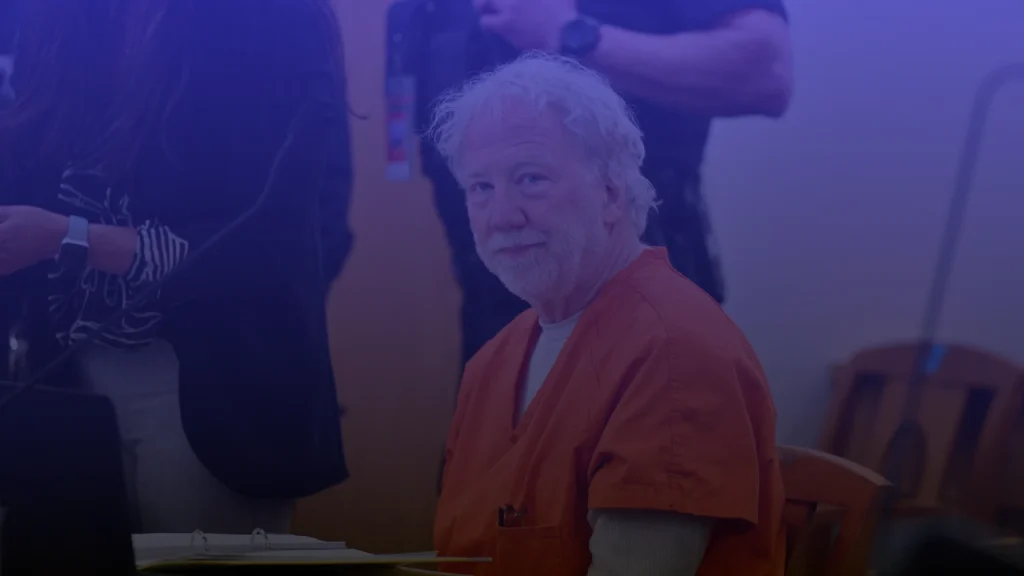
A New Mexico judge has dismissed the grand jury indictment against actor and director Timothy Busfield, who was charged with four counts of criminal sexual contact of a minor under 13. Judge Joseph Montano of the Second Judicial District Court (Bernalillo County) issued the order on October 16, 2026. He found that prosecutorial misconduct and procedural errors compromised the grand jury proceedings.
This is not an acquittal. No trial took place and no jury decided anything. The judge quashed the indictment because of how the grand jury process was handled, and the order expressly leaves the state free to begin new criminal proceedings. As of October 17, 2026, the Bernalillo County District Attorney’s Office had said it was reviewing the ruling and evaluating its options.
| Case detail | What the record shows |
| Defendant | Timothy Busfield, actor and director (age 68) |
| Case | State v. Timothy Busfield, No. D-202-CR-2026-00405 |
| Court | Second Judicial District Court, Bernalillo County, New Mexico |
| Presiding judge | Joseph Montano |
| Charges in the indictment | Four counts of criminal sexual contact of a minor under 13 (reported as third-degree felonies) |
| Indictment returned | February 2026 |
| Plea | Not guilty |
| Defense motion to quash | Filed June 2026 |
| Hearing on the motion | September 2026 |
| Dismissal order | October 16, 2026 |
| Reason | Prosecutorial misconduct and errors in the grand jury process |
| Can the state refile? | Yes. The order expressly permits new proceedings |
| Status | Indictment quashed; prosecutors reviewing options |
Why Did the Judge Dismiss Timothy Busfield’s Indictment?
Judge Montano ruled that the prosecutor did not act fairly and impartially before the grand jury. The ruling turns on how the prosecutor handled the grand jurors’ requests to hear more witnesses.
Grand jurors asked for more witnesses
According to the order, eight witnesses were present and willing to testify on the day of the grand jury hearing. Several grand jurors asked, more than once, to hear from additional witnesses. The grand jury never heard from them before it returned the indictment.
The prosecutor’s explanation of the procedure
The prosecutor told jurors that extra witnesses would require subpoenas with at least 36 hours’ notice, and described a required level of juror agreement before more testimony could be heard. The court found the explanation incomplete. It did not tell jurors that a judge can approve a shorter notice period, or that a subpoena is not needed for a witness who appears voluntarily. The judge concluded the prosecutor effectively kept requested witnesses from testifying and failed to properly instruct the grand jury.
What the state argued
The state argued that Busfield had not followed the right procedure for bringing favorable evidence to the grand jury, and that the information he wanted considered had been put before the panel through his own testimony. The judge treated that as separate from the later juror requests for more witnesses. Once jurors asked, the prosecutor could not block them with an incomplete description of the procedure.
Why that required dismissal
The judge found the proceedings violated statutes meant to protect the independence and integrity of the grand jury, and applied a presumption of prejudice from those violations. That is why the motion to quash was granted. It is a ruling about the process, not about whether the allegations are true.
What Was Timothy Busfield Accused Of?
The case arises from Busfield’s work directing the television series The Cleaning Lady, filmed in Albuquerque from 2022 through 2024. The parents of two boys who worked on the show alleged that Busfield inappropriately touched the children on set. Busfield was first charged in January 2026, surrendered to authorities, and was later indicted by a grand jury in February 2026.
According to reporting, the four counts in the indictment are third-degree felonies, relate to one of the two boys, and concern alleged incidents in October 2022 and September 2023. These are allegations in a charging document, not findings of fact.
Did Timothy Busfield deny the allegations?
Yes. He pleaded not guilty and has repeatedly denied wrongdoing. His defense has said the allegations are false and motivated by a grievance after the boys were removed from the show. The defense also pointed to an independent investigation and a polygraph examination. The judge’s ruling did not decide whether any of these claims are true, or whether the alleged conduct occurred.
Allegations, a denial and a ruling on prosecutorial procedure are three different things, and this ruling decided only the last.
What Does It Mean to Quash a Grand Jury Indictment?
An indictment is a formal accusation that lets a prosecution proceed. It is not evidence of guilt. To quash an indictment is to set it aside because of a legal defect.
The key distinction is between a dismissal without prejudice and with prejudice:
- Quashed or dismissed without prejudice: the charging document is thrown out, but the state may bring the case again through a proper process.
- Dismissed with prejudice: the case generally cannot be refiled.
The defense acknowledged at the September hearing that if the judge only quashed the indictment, prosecutors could refile and present the case to a grand jury again. The October 16 order expressly preserves the state’s ability to do so.
For background on how grand juries and indictments work, see All About Lawyer’s article Cassidy Hutchinson Faces Reported DOJ Indictment Push Over Her January 6 Testimony, What Federal Law Requires.
Can Prosecutors Refile Charges Against Timothy Busfield?
Yes. The order says the state remains free to institute new criminal proceedings. It does not require prosecutors to do so, and the decision is theirs.
What are the state’s options?
- Seek a new grand jury indictment. Under New Mexico’s Grand Jury Act (NMSA 1978, Sections 31-6-1 and following), the prosecutor could present the case to a new grand jury, this time following the required procedures for instructing jurors and handling witness requests.
- Proceed by criminal information. New Mexico’s Constitution (Article II, Section 14) also allows prosecution by information after a preliminary examination before a judge, as an alternative to a grand jury.
- Appeal the order. New Mexico law generally allows the state to appeal an order dismissing an indictment, usually within a short deadline (reported as ten days under the appellate rules). Check the docket for any notice of appeal.
- Decline to proceed. If the state does nothing, the indictment stays dismissed.
The ruling does not guarantee a new indictment, and it does not mean the state lacks evidence. Those questions are open.
Does double jeopardy block a new case?
No, not on the face of the order. Double jeopardy protection under the Fifth Amendment and Article II, Section 15 of the New Mexico Constitution generally attaches once a jury is sworn or a verdict is reached. This case never reached trial, and the judge expressly permitted new proceedings. A future defense could raise other legal objections, but the order itself does not bar a new case.
What about the statute of limitations?
New Mexico has special rules for sex offenses against children. For many of these offenses, the limitations clock does not start running until the alleged victim turns 18 (see NMSA 1978, Section 30-1-9.1). The alleged incidents date from 2022 and 2023, so timing is unlikely to stop a new case, but the exact calculation is a legal question that would be decided in court.
What Happens to Timothy Busfield’s Case Now?
The immediate result is clear: the February 2026 indictment has been quashed. The trial that had been scheduled for May 2027 cannot proceed on that indictment. What happens next depends on the state. Watch for:
- The district attorney’s decision to refile, appeal or drop the case.
- New court filings on the Second Judicial District docket.
- Further rulings on evidence, release conditions and scheduling if a new case is filed.
The status of any pretrial release conditions should be checked on the court docket, not assumed from the dismissal alone.
Why the Ruling Matters
A grand jury exists to independently decide whether probable cause supports charges. That depends on prosecutors giving jurors accurate instructions about their power to hear evidence. The judge found that this did not happen here. A defendant is entitled to a lawful process, and the state may still pursue a case through a proper one. Both points hold at once.
Timothy Busfield Case: Frequently Asked Questions
Were Timothy Busfield’s charges dismissed?
The grand jury indictment was quashed on October 16, 2026. That removes the current four counts, but the state can still bring new proceedings, so the case may not be over.
Why did the judge dismiss the indictment?
The judge found that the prosecutor failed to act fairly and impartially. This included giving the grand jury an incomplete explanation of how to call witnesses and effectively preventing requested witnesses from testifying.
Was Timothy Busfield found not guilty?
No. There was no trial and no verdict. The dismissal rests on defects in the grand jury process.
Can Timothy Busfield be charged again?
Yes. The order expressly leaves the state free to begin new criminal proceedings. As of October 17, 2026, prosecutors had not announced a decision.
Does the ruling prove the allegations were false?
No. The judge did not decide whether the allegations were true or false.
What were the charges?
Four counts of criminal sexual contact of a minor under 13, reported as third-degree felonies, tied to Busfield’s work on The Cleaning Lady.
What did the judge say about the witnesses?
The court found eight witnesses were present and willing to testify, and that the prosecutor’s explanation of the procedure effectively withheld testimony the grand jury had asked to hear.
Did the judge find prosecutorial misconduct?
Yes. The order found the prosecutor failed to act fairly and impartially and improperly instructed the grand jury on how to call witnesses.
What happens if prosecutors don’t refile?
The indictment stays dismissed. The order does not require the state to refile.
Is Timothy Busfield still presumed innocent?
Yes. Every defendant is presumed innocent unless proven guilty beyond a reasonable doubt in court. No court has found him guilty.
Where can I read the court order?
The order is on the Second Judicial District Court’s website, listed in the sources below.
Conclusion: The Indictment Is Dismissed, but the Case May Not Be Over
On October 16, 2026, Judge Joseph Montano quashed Timothy Busfield’s four-count indictment after finding the prosecutor’s handling of the grand jury violated protections meant to keep the process fair and independent. The state remains free to begin new proceedings, and the allegations have not been decided by any court. The next step is the district attorney’s decision.
Sources and Primary Records
- New Mexico Second Judicial District Court, Order on Defendant’s Motion to Quash Grand Jury Indictment (October 16, 2026): https://seconddistrict.nmcourts.gov/wp-content/uploads/sites/21/2026/10/61-Order-on-Defendants-Motion-to-Quash-Grand-Jury-Indictment-10.16.26.pdf
- New Mexico Second Judicial District Court, Grand Jury Indictment (February 2026): https://seconddistrict.nmcourts.gov/wp-content/uploads/sites/21/2026/02/0019-Grand-Jury-Indictment-2.6.26.pdf
- New Mexico Second Judicial District Court, High-Profile Cases page (State v. Timothy Busfield docket): https://seconddistrict.nmcourts.gov/about-this-district/news/high-profile-cases/
- Associated Press, New Mexico Judge Tosses Charges Against Actor Timothy Busfield: https://apnews.com/article/timothy-busfield-sexual-contact-charges-c7f72755f5b779c7f18db44c13bf6fb6
- Albuquerque Journal, Judge weighs challenge to Busfield indictment: https://www.abqjournal.com/news/judge-weighs-challenge-to-busfield-indictment/3128594
- New Mexico Grand Jury Act, NMSA 1978, Sections 31-6-1 and following; N.M. Const. art. II, Sections 14 and 15; NMSA 1978, Section 30-1-9.1
This article provides general legal information, not legal advice. Allegations are not findings of guilt. Details reflect public records and reporting available as of October 17, 2026. Verify the latest status on the official court docket.
About the Author
Israr Ahmad is a legal content researcher with 4+ years of experience covering class action settlements and consumer rights cases. He has researched and published coverage of 2,500+ settlements using verified court records, settlement administrator filings, and government sources. Learn more about Israr.