
The Shade Store Up-to-$375,000 Job Applicant Class Action Settlement, Who Qualifies, How to Claim, and the December 18 Deadline
Claim form required • Claim, opt-out and objection deadline: December 18, 2026 • Final approval hearing: February 19, 2027
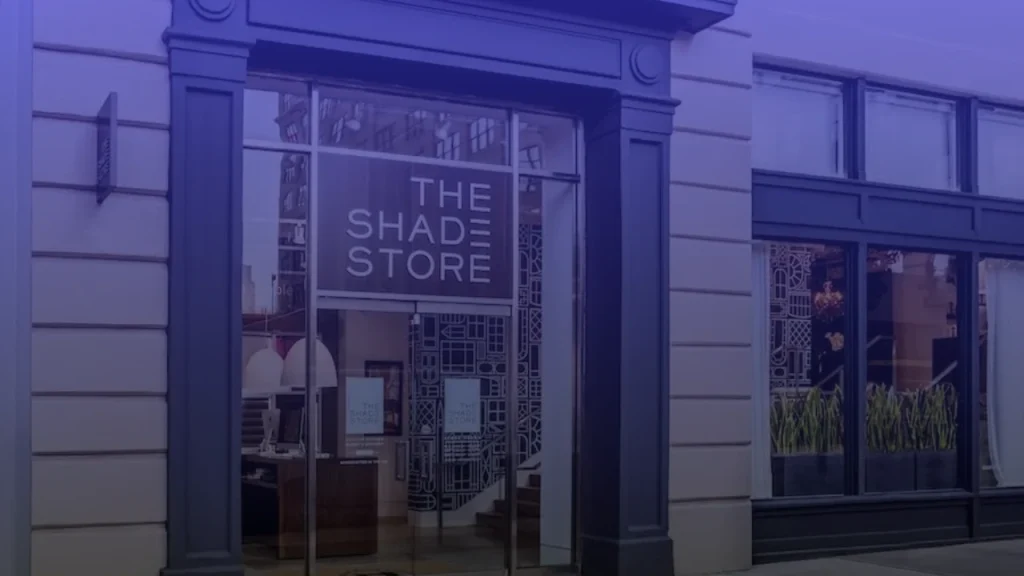
The Shade Store, LLC has agreed to a class action settlement worth up to $375,000 to resolve claims that its job postings for Washington positions did not disclose the wage scale or salary range, allegedly in violation of Washington’s pay transparency law, RCW 49.58.110.
Applicants who submit a valid, timely claim receive an equal share of the settlement fund after court-approved deductions. The estimate printed on notices is about $1,572.99 per person, but that is not guaranteed. The Shade Store denies wrongdoing, and the court has not found that it violated the law.
Important distinction: $375,000 is the maximum, not a guaranteed fund. Per the settlement structure, the fund starts at a minimum of $257,812.50 and rises with the number of valid claims, up to $375,000. The settlement is preliminarily approved but not final, and no payment date has been set.
Key Takeaways
- You do not need to have been hired. Applicants who completed a qualifying application can be included, even if rejected.
- A claim is required. Payment is not automatic. Use the Login ID and PIN from your notice, or file by email or mail.
- Claim, opt-out and objection deadlines are all December 18, 2026. As of today (November 9, 2026), that is about five and a half weeks away.
- Estimated payment: about $1,572.99. Final amounts depend on valid claims and court-approved deductions.
- Doing nothing is not neutral. You get no payment, and you remain bound by the release.
- No retaliation. The official FAQ says The Shade Store will not retaliate against anyone for participating, objecting or opting out.
- Payments are non-wage damages reported on a Form 1099.
The Shade Store Settlement: Quick Facts
| Detail | Information |
| Settlement amount | Minimum $257,812.50; maximum $375,000 (depends on valid claims) |
| Defendant | The Shade Store, LLC |
| Plaintiff / Class Representative | Jillian Cox |
| Lawsuit | Jillian Cox v. The Shade Store, LLC |
| Case number | 25-2-21151-7 SEA |
| Court | King County Superior Court, Washington |
| Judge | Jason Poydras |
| Lawsuit filed | July 21, 2025 |
| Preliminary approval | August 25, 2026 |
| Main allegation | Washington job postings allegedly omitted wage scale or salary range |
| Law involved | Washington Equal Pay and Opportunities Act, RCW 49.58.110 |
| Class period | January 1, 2023 – August 25, 2026 |
| Estimated class size | About 150 applicants (per settlement coverage; confirm with administrator) |
| Estimated individual payment | About $1,572.99 (on the Claim Form you received) |
| Claim form required? | Yes |
| Claim / opt-out / objection deadline | December 18, 2026 |
| Final approval hearing | February 19, 2027, 10:00 a.m. Pacific Time (1:00 p.m. Eastern Time), Courtroom W-719 |
| Settlement administrator | Simpluris |
| Check validity | 180 days from issuance |
| Tax reporting | Non-wage damages (Form 1099) |
What Is the Shade Store Settlement About?
Plaintiff Jillian Cox claims The Shade Store violated RCW 49.58.110 when it allegedly did not disclose the wage scale or salary range on job postings for open Washington positions. Washington requires covered employers to include pay information in postings so applicants can decide whether a job is worth pursuing before spending time on applications and interviews.
The Shade Store denies that it is or can be held liable. Both sides settled to avoid the cost, risk and uncertainty of continued litigation. The settlement is not an admission of wrongdoing.
Why Did Jillian Cox Sue The Shade Store?
Cox filed suit on July 21, 2025, on behalf of herself and other applicants who allegedly encountered postings without the required pay information. Washington’s expanded pay transparency requirements took effect January 1, 2023, which is why the class period begins on that date.
Applicants do not need to show they were hired, received an offer or lost money to fit the class definition. The key question is whether they completed an application for a qualifying Washington posting that arguably did not disclose the wage scale or salary range.
Which Law Is Involved? Washington’s Pay Transparency Statute
RCW 49.58.110: Job Posting Requirements
Under the Washington Equal Pay and Opportunities Act, as amended by Engrossed Substitute Senate Bill 5761 (effective January 1, 2023), an employer with 15 or more employees doing business in Washington (or recruiting for Washington-based or remote Washington jobs) generally must include in each posting:
- The wage scale or salary range for the position
- A general description of all benefits offered to the hired applicant
- A general description of other compensation (for example bonuses, commissions or stock options)
If the employer offers a single fixed wage, it generally discloses that amount. The requirement applies to electronic and printed postings, including postings on third-party platforms the employer authorizes. Employers are generally not responsible for unauthorized reposts by third parties.
What counts as a proper range?
Washington’s Department of Labor & Industries (L&I) guidance explains that a range should reflect the employer’s good-faith expectation when the job is posted. A clear range such as “60,000–80,000 per year” works. Open-ended statements such as “$60,000 and up” or “up to $29 per hour” are generally considered incomplete because they leave out one end of the range.
Remedies and Penalties
Washington law provides both administrative and private remedies, including statutory damages for violations of the posting requirement, plus reasonable attorneys’ fees and costs. Under the statute as amended in 2025, statutory damages range from $100 to $5,000, and courts may consider factors such as intent, repeat violations, employer size and the need to deter future violations. The $5,000 figure is a ceiling, not an automatic award, which is why this settlement pays a shared amount rather than $5,000 to everyone.
Who Can Sue? The Branson Decision
In 2025, the Washington Supreme Court (Branson v. Washington Fine Wine & Spirits, LLC) held that a job applicant need not prove they were a “bona fide” applicant, meaning they did not have to show a genuine intent to take the job, to bring a pay transparency claim. That ruling is a major reason these cases have multiplied.
The 2025 “Cure” Amendment (Senate Bill 5408)
In 2025, Washington enacted Senate Bill 5408, which gives employers a chance to fix certain posting violations before statutory damages apply. For postings made between July 27, 2025 and July 27, 2027, an applicant generally must give the employer written notice identifying the posting, after which the employer has five business days to correct it (and to request a correction from a third-party platform). A timely correction can prevent damages for that posting.
| Posting date | General legal treatment |
| January 1, 2023 – July 26, 2025 | Original posting requirements |
| July 27, 2025 – August 25, 2026 | Posting requirements plus the notice-and-cure process |
This matters because the class period runs through August 25, 2026. The Cox lawsuit was filed on July 21, 2025, just before the cure provisions took effect. The settlement has its own eligibility rules and resolves disputed claims for the entire class period. Whether an individual lawsuit would face different requirements depending on the posting date is a question for an attorney.
Related Procedure: Washington Superior Court Civil Rule 23
Class actions in Washington superior courts proceed under CR 23, which governs class certification, notice and opt-out rights, and the court’s duty to approve a class settlement only if it is fair, reasonable and adequate. That is the standard Judge Poydras will apply at the February 19, 2027 hearing.
Is This a Federal Discrimination Case?
No. This is a state-law posting-disclosure case. It is not a Title VII or federal Equal Pay Act lawsuit.
Who Qualifies for the Shade Store Settlement?
According to the official FAQ, you are in the Settlement Class if Defendant’s records show that, between January 1, 2023 and August 25, 2026, you applied for a job opening in Washington with The Shade Store through a job posted on its website or an authorized third-party recruiting platform, where the posting arguably did not disclose the wage scale or salary range.
If you received a Notice with a Login ID and PIN, the company’s records indicate you are a potential class member.
Do you have to be hired?
No. Rejected applicants, applicants who withdrew, and applicants who never got an offer can qualify.
Do all Shade Store employees qualify?
No. The class is job applicants for qualifying Washington postings. A current or former employee qualifies only if they also completed a qualifying application during the class period.
Does viewing a job posting count?
No. You must have completed an application.
Do you have to live in Washington?
The class definition focuses on applications for Washington job openings, not on where the applicant lived. If you applied from another state for a Washington position and are unsure, contact Simpluris.
What if you think you were left off the list?
Class membership is based on the company’s records. If you believe you completed a qualifying application but did not receive a notice, contact the administrator right away. Settlement coverage indicates the agreement includes a short window to dispute an omission with supporting records. Keep application confirmation emails and screenshots, and confirm the exact procedure in the Settlement Agreement.
How Much Money Can You Receive?
The FAQ says all class members who submit a timely, valid Claim Form receive an equal share of the Settlement Fund, and that your estimated payment appears on the Claim Form you received. Settlement coverage places that estimate at approximately $1,572.99.
How the Fund Grows With Claims
According to the settlement terms reported in public coverage, the fund works like this (confirm in the Settlement Agreement):
- The minimum fund of $257,812.50 covers the first 75 valid claimants.
- For each additional valid claimant above 75, The Shade Store adds $1,562.50.
- The fund is capped at $375,000.
| Valid claims | Fund |
| 75 or fewer | $257,812.50 (minimum) |
| 76 | $259,375.00 |
| 100 | $296,875.00 |
| 125 | $335,937.50 |
| 150 | $375,000.00 (maximum) |
Proposed Deductions From the Fund
Subject to court approval, the following are paid from the Settlement Fund before the remainder is divided:
| Item | Amount |
| Attorneys’ fees (Class Counsel request; Defendant will not oppose) | $110,625 |
| Litigation costs and expenses | Up to $5,000 |
| Service award to Jillian Cox | $10,000 |
| Settlement administration | Reported as up to about $15,000 (confirm in agreement) |
The court may award less than requested, and final approval does not depend on whether the court grants the requested fees, costs or service award.
Why the Add-On Is $1,562.50
If you subtract the deductions above from the minimum fund, you get about $117,187.50, which, divided by 75 claimants, is $1,562.50 each. The structure appears designed so that each additional claim adds roughly the same amount per person, keeping individual payments relatively steady as participation rises. The $1,572.99 estimate is in the same range, but the final amount can differ.
Payment Cap
Settlement coverage reports an individual payment cap of $5,000 (tied to the statutory damages ceiling), with any excess directed to the Legal Foundation of Washington.
Do You Need to File a Claim?
Yes. To get paid you must complete the Claim Form and submit it online, by email or by mail, submitted or postmarked on or before December 18, 2026. Claims go through a verification process, and the administrator may request more information.
Also tell the administrator if your address or phone number changes, or you may not receive your payment.
How to File Online
- Go to the official site: epoasettlementtssl.com
- Open the Claim Form
- Enter the Login ID and PIN printed on your notice
- Complete and confirm your information and choose a payment method
- Review, submit, and keep your confirmation
How to File by Email or Mail
Cox v. The Shade Store, LLC c/o Simpluris P.O. Box 26170 Santa Ana, CA 92799
Email: [email protected] Phone: (888) 369-3780
Lost your Login ID or PIN?
Contact Simpluris with your full name and mailing address to request replacement credentials.
Can You Opt Out?
Yes, by December 18, 2026 (postmarked). If you opt out, you receive no payment, you are not bound by the release, and you keep any right to sue on your own. Do not submit a claim if you opt out.
Your letter must include:
- Your full name
- Your address
- A statement that you wish to be excluded, for example: “I request to be excluded from the class action settlement in Jillian Cox v. The Shade Store, LLC, Case No. 25-2-21151-7 SEA.”
- Your (or your attorney’s) signature and date
Mail it to the Simpluris P.O. Box address above. You cannot opt out by phone or email, each person must send their own request, and group requests are not allowed.
Can You Object?
Yes, if you do not opt out. Your written objection must be filed with the court by December 18, 2026 by mailing it to:
King County Superior Court 516 Third Avenue, Room E-609 Seattle, WA 98104
(An attorney may e-file it for you.) You must also mail copies, postmarked by December 18, 2026, to:
| Class Counsel | Defendant’s Counsel |
| Timothy W. Emery, Patrick B. Reddy, Paul Cipriani<br>Emery Reddy, PC<br>600 Stewart Street, Suite 1100<br>Seattle, WA 98101 | Peter H. Nohle, Joshua H. Tinajero<br>Jackson Lewis P.C.<br>520 Pike Street, Suite 2300<br>Seattle, WA 98101 |
A valid objection must include:
- Your full name, address, telephone number and email address
- The case name and number (Jillian Cox v. The Shade Store, LLC, No. 25-2-21151-7 SEA)
- The reasons you object
- The name and address of your attorney, if any
- Whether you or your attorney intend to appear at the hearing
- A list of other class action settlements you objected to in the past three years, and a similar list for your attorney
- Your (or your attorney’s) signature and date
Objecting is not the same as opting out. If you object, you remain in the class and can still file a claim. You can ask the court for permission to speak at the hearing.
What Happens If You Do Nothing?
You receive no payment but remain in the class. If the court approves the settlement, you are bound by the judgment and release and, unless you excluded yourself, cannot sue The Shade Store or the other Released Parties over the released claims, even if you never file a claim.
What Claims Are Released?
Class members who do not exclude themselves release The Shade Store and the Released Parties from all claims that arose during the class period and were asserted in the lawsuit, including claims based on an alleged failure to comply with the Equal Pay and Opportunities Act’s job-posting requirements. According to the FAQ, the release covers:
- Failure to include a wage scale or salary range, and/or a general description of benefits and other compensation, in job postings
- Claims under RCW 49.58.110, and related claims under RCW 49.58.070 and 49.58.110
- Related interest, liquidated, exemplary and statutory damages, and attorneys’ fees and costs
The Released Parties are defined broadly, including The Shade Store’s affiliates, insurers, officers and employees, and those who helped create, publish or host its job postings. The full definitions are in Paragraph 18 of the Settlement Agreement. Participating does not waive claims outside the release.
Will The Shade Store Retaliate?
No. The FAQ states that The Shade Store supports the settlement and will not retaliate in any way against anyone for participating, not participating or objecting. Your choice will not affect any application for employment or your treatment as a current or former employee.
When Is the Final Approval Hearing?
| Detail | Information |
| Date | February 19, 2027 |
| Time | 10:00 a.m. Pacific Time (1:00 p.m. Eastern Time) |
| Judge | Jason Poydras |
| Court | King County Superior Court, King County Courthouse |
| Address | 516 Third Avenue, Courtroom W-719, Seattle, WA 98104 |
The hearing date and time are subject to change by court order. Check the settlement website or the court’s public docket. The judge will decide whether the settlement is fair, reasonable, adequate and in the class’s best interests, and will rule on fees, costs and the service award. You do not have to attend to receive a payment or have your timely objection considered.
When Will Payments Be Sent?
No payment date has been announced. Payments go to eligible claimants after the court grants final approval and after all appeals and other reviews are completed. Payments expire 180 days after issuance, so watch your mail and deposit promptly.
Are Payments Taxable?
The FAQ says payments are non-wage damages and will be reported on a Form 1099 (rather than a W-2). That does not mean the money is tax-free. Speak with a qualified tax professional about your situation. This article is not tax advice.
Contact the Settlement Administrator
Simpluris Phone (toll-free): (888) 369-3780 Email: [email protected] Mail: Cox v. The Shade Store, LLC, c/o Simpluris, P.O. Box 26170, Santa Ana, CA 92799 Class Counsel (Emery Reddy, PC): (206) 442-9106
Do not call the court, the clerk, the judge or The Shade Store with questions. The FAQ says to contact the administrator.
Is the Shade Store Settlement Legitimate?
Yes. A court authorized the notice, and there is no fee to file a claim. Be careful about anyone asking for payment or for sensitive information outside the official site. Use only epoasettlementtssl.com and the contacts above.
Other Washington Pay Transparency Settlements
Pay transparency lawsuits under RCW 49.58.110 have been filed against many Washington employers. Each settlement has its own class, deadlines and claim process.
- Emerald City Pizza $376,000 Job Posting Settlement
- Wiz $5M Washington Job Applicant Settlement (No Claim Form)
- Belcan Engineering Group $1.65M Pay Transparency Settlement
Official Resources
- Official Settlement Website
- Official Notice (PDF)
- Settlement Agreement (PDF)
- Online Claim Form
- Frequently Asked Questions
- Important Documents
- Contact Information
- RCW 49.58.110
- Washington L&I: Equal Pay and Opportunities Act
- 2025 Washington Senate Bill 5408
Frequently Asked Questions
1. Is the Shade Store settlement real?
Yes. It is documented on the official Simpluris website for Jillian Cox v. The Shade Store, LLC, No. 25-2-21151-7 SEA, in King County Superior Court. It has preliminary approval; final approval is pending.
2. Who qualifies?
People who completed an application for a Washington job opening with The Shade Store between January 1, 2023 and August 25, 2026, through its website or an authorized third-party platform, where the posting arguably did not disclose the wage scale or salary range.
3. How much can I receive?
The notice estimate is about $1,572.99. The final amount depends on valid claims and court-approved deductions.
4. Is $375,000 guaranteed?
No. $375,000 is the maximum. The reported minimum is $257,812.50.
5. Do I have to be hired?
No. Applicants qualify even if they were not hired.
6. Do I have to file a claim?
Yes. A timely, valid Claim Form is required.
7. What do I need to file online?
The Login ID and PIN from your notice. The administrator may ask for more information.
8. I lost my notice. What do I do?
Contact Simpluris at (888) 369-3780 or [email protected].
9. What is the claim deadline?
December 18, 2026 (submitted or postmarked).
10. Can I opt out?
Yes, with a signed letter postmarked by December 18, 2026. You get no payment if you do.
11. Can I object?
Yes, by filing with King County Superior Court and mailing copies to both sides’ lawyers, postmarked by December 18, 2026.
12. What if I do nothing?
No payment, and you are bound by the release.
13. Can The Shade Store retaliate?
No. The FAQ says it will not.
14. How will I be paid?
The Claim Form lets you choose from available payment methods. Checks expire 180 days after issuance.
15. Are payments wages?
No. They are non-wage damages reported on a Form 1099.
16. When will I get paid?
After final approval and any appeals or reviews. No date has been set.
17. When is the hearing?
February 19, 2027, 10:00 a.m. Pacific (1:00 p.m. Eastern), subject to change.
18. Did The Shade Store admit wrongdoing?
No. It denies liability, and the settlement is not an admission.
19. Can I sue on my own instead?
Only if you opt out by December 18, 2026. Talk to a lawyer first, since the law and timing for individual claims can be complicated.
20. Do attorneys’ fees reduce my payment?
Yes. Court-approved fees, costs and the service award come out of the fund before the net amount is shared.
Final Takeaway: What Should Applicants Do Before December 18?
The Shade Store settlement resolves claims that Washington job postings omitted required pay information. If you completed a qualifying application between January 1, 2023 and August 25, 2026, you may be eligible for an estimated $1,572.99.
- Find your notice and your Login ID and PIN.
- File your claim by December 18, 2026 if you want payment.
- Only if you want to sue on your own, send a proper opt-out letter by the same date, and do not file a claim.
- Keep your contact information current and cash any check within 180 days.
The court has not granted final approval, and no payment date has been set. The maximum is $375,000, but the actual payout depends on participation, court-approved deductions and the final ruling.
Official settlement website: epoasettlementtssl.com
Researched and written by Israr Ahmad, Legal Content Researcher, AllAboutLawyer.com. This article is for general informational purposes only and is not legal, tax or financial advice. AllAboutLawyer.com is an independent legal-information website and is not a law firm, is not affiliated with The Shade Store, the court, Class Counsel or Simpluris, and does not create an attorney-client relationship. Settlement terms, deadlines and hearing details can change. The official notice, Settlement Agreement and court orders control eligibility, deadlines, payment amounts and your legal rights. If you have legal questions, consult a licensed attorney.
Sources: Official settlement FAQ and website (epoasettlementtssl.com); Notice and Settlement Agreement (Simpluris); Cox v. The Shade Store, LLC, No. 25-2-21151-7 SEA (King County Super. Ct.); RCW 49.58.070 and 49.58.110; Washington ESSB 5761 (2022) and SB 5408 (2025); Washington L&I Equal Pay and Opportunities Act guidance; Washington Superior Court Civil Rule 23.
About the Author
Israr Ahmad is a legal content researcher with 4+ years of experience covering class action settlements and consumer rights cases. He has researched and published coverage of 2,500+ settlements using verified court records, settlement administrator filings, and government sources. Learn more about Israr.