
Squishy Toy Safety Alert, CPSC Warns of Counterfeit Toys After a UK Benzene Recall Sparked Warnings in Canada, the UK, and Now the US
If your kids have a drawer full of those squishy dumpling, bun, or butter-stick toys, there’s something you should check before they play with them again. On August 5, 2026, the U.S. Consumer Product Safety Commission issued a national safety alert about fake and counterfeit squishy toys — the same viral toy category that triggered a benzene recall in the UK this summer and dozens of complaint reports to Health Canada. Here’s exactly what regulators found, and how to tell if the toy in your house is one of them.
Squishy Toy Safety Alert — Key Facts
| Product Category | Squishy toys (animal, food, and character-shaped squeeze toys, including “squishy dumplings”) |
| Issuing Agency | U.S. Consumer Product Safety Commission (CPSC) |
| Alert Date | August 5, 2026 (Release No. 26-684) |
| Known Hazards | Small-part/choking risk, water-bead ingestion, excess lead or phthalates, chemical (benzene) exposure, severe burns from heated or microwaved toys |
| U.S. Enforcement So Far | 55 shipments of noncompliant squishy toys identified at U.S. ports; 355,683 units stopped from entering the country |
| Related International Action | UK Office for Product Safety and Standards recalled “Squeezy Dumplings” toys in June 2026 for excess benzene; local UK trading standards teams (Cornwall, Hull, Guernsey, Rhondda Cynon Taf, and others) have since seized additional unsafe stock |
| Canada Reports | Health Canada logged 36 reports on squishy dumpling toys between April 23 and August 24, 2026 |
| Named U.S. Recall? | No specific brand has been recalled in the U.S. as of this writing — CPSC’s action is a category-wide warning plus port enforcement, not a named product recall |
| Last Updated | August 28, 2026 |
What the CPSC Actually Said
CPSC’s alert covers two separate but related problems. First, counterfeit and noncompliant squishy toys are getting into the country despite federal safety rules that require children’s toys to be tested and certified before sale — rules covering water beads, small parts, lead, and phthalates. Second, CPSC is reiterating an earlier warning about a dangerous social media trend: kids and teens microwaving squishy toys to watch them expand or burst on video.
That second warning matters because of how these toys fail. Some squishy toys are filled with water beads, gel, or other loose material. When the outer shell tears — whether from normal wear or from being deliberately heated — that filling can escape. Water beads can swell after being swallowed, causing blockages or choking, and can cause injury if pushed into a nose or ear. If a toy is heated, the filling can reach temperatures high enough to cause serious burns, and because it’s often sticky, it keeps transferring heat to skin even after contact.
CPSC hasn’t named a specific defective toy or brand in this alert. Instead, it disclosed the scale of what customs officers are catching: 55 shipments and over 355,000 individual units stopped at U.S. ports so far, with notices of violation issued to the importers and sellers responsible.
Related article: Frigorífico Gorina Raw Beef Recall, Nearly 30,000 Pounds Pulled From Florida and Texas
How a UK Recall Turned Into a Global Warning
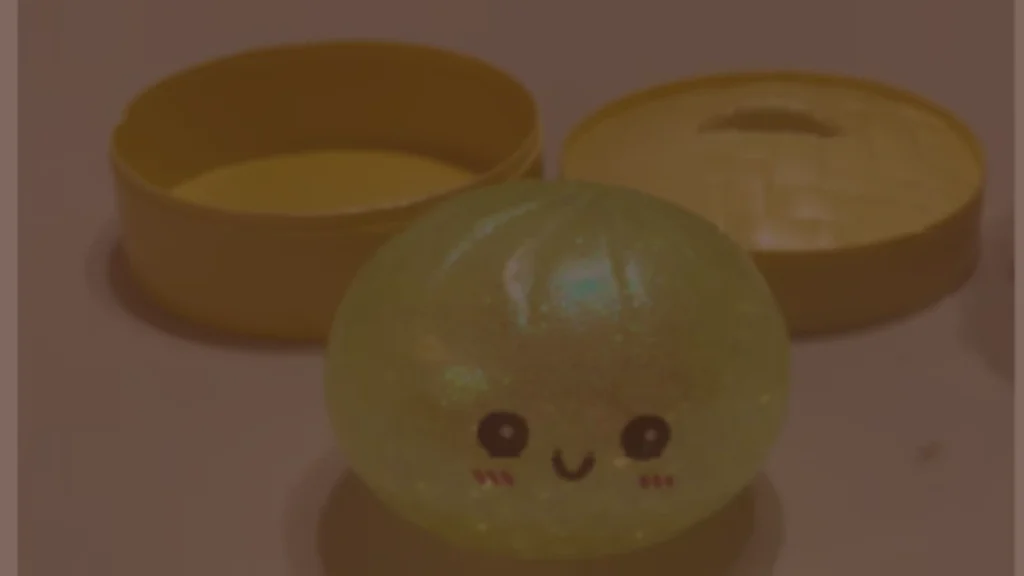
The specific toy that kicked off this chain of events is the “Squeezy Dumplings” — soft, palm-sized toys shaped like dumplings, sold inside basket-style pots designed to look like bamboo steamers. In June 2026, the UK’s Office for Product Safety and Standards recalled a version sold by Cardiff-based importer Samsons Cash and Carry Ltd after testing found the outer layer contained benzene at roughly four times the legal limit — a “serious chemical risk,” in the regulator’s words. Benzene exposure can irritate the eyes, nose, and throat, cause skin irritation, and produce a burning sensation if ingested.
That recall set off a wave of local enforcement across the UK. Cornwall’s Trading Standards team warned this month that squishy toys it tested failed UK safety standards. Hull City Council said it seized and destroyed toys from local retailers after its own testing turned up high benzene levels. Guernsey’s Trading Standards Service issued a public warning after the UK recall, even though it said it wasn’t aware of any unsafe stock actually sold locally. And in Rhondda Cynon Taf, council trading standards officers said more than 200 unsafe squishy toys — including dumpling and butter-stick styles — were voluntarily surrendered by local traders.
North of the border, Health Canada told reporters it logged 36 consumer reports about squishy dumpling toys between late April and late August 2026 — 30 involving strange odors, four about the toys being sold with no odor or injury reported, and two involving toys that exploded, including several reports of resulting headaches, skin rashes, or breathing difficulty.
In the U.S., the concern has shown up in poison-control call volume rather than a formal recall. Pittsburgh’s regional poison center told local reporters it fielded more than 180 calls this year from parents worried about leaking or broken squishy toys, and parents have separately filed complaints with CPSC describing chemical burns from toys that burst.
How to Tell If a Squishy Toy Is Fake
CPSC’s guidance, straight from its August alert:
- Buy from known sellers. Reputable retailers with clear contact and return information are less likely to carry counterfeits.
- Be suspicious of steep discounts. A price well below what established retailers charge is a warning sign.
- Read the packaging closely. Misspellings, poor print quality, and missing manufacturer information or age warnings are red flags.
- Check the toy itself regularly. Stop using anything that’s torn, leaking, sticky, unusually soft, discolored, or starting to break down.
- Never heat a squishy toy. Don’t microwave it, leave it in a hot car, set it near a heater, or leave it in direct sunlight — heated filling can burst out and cause severe burns.
If a Toy Has Already Caused a Burn
CPSC’s advice is specific: run the affected skin under cool running water for at least 20 minutes, gently wash off any remaining material with mild soap, and skip the ice. Once it’s cleaned and cooled, cover the burn with a nonstick sterile dressing. Get medical attention for any severe burn, any burn involving a young child, or any sign of infection.
Is There a Lawsuit Over This?
Not yet, and not in the way a settlement article on this site would normally describe. This is a safety alert and an enforcement action, not litigation — no company has been sued over a specific squishy toy injury that’s become public as of this writing, and CPSC’s alert doesn’t name a single defendant the way a product liability complaint would. That could change if injury reports keep mounting the way they have with poison-control centers and CPSC’s own complaint system.
If your child has been burned or otherwise hurt by a squishy toy, that’s a different situation from what this article covers — a defective or mislabeled product that caused a real injury can support an individual product liability claim, separate from any recall or agency warning. Save the toy, its packaging, any receipt, and your child’s medical records, and talk to a product liability attorney about your specific situation.
Sources Used in This Article
- U.S. Consumer Product Safety Commission, Consumer Safety Alert, August 5, 2026 (Release No. 26-684): cpsc.gov
- UK Office for Product Safety and Standards, Product Recall Notice — Squeezy Dumplings (PSD 2606-0196): assets.publishing.service.gov.uk
- CBC News, “Warnings over squishy toy hazards expand globally,” reporting on Health Canada complaint data and UK local trading standards actions: cbc.ca
Researched and written by Israr Ahmad, legal content researcher and founder of AllAboutLawyer.com. All facts verified against the official CPSC alert, the UK government’s product recall notice, and CBC News reporting on August 28, 2026. Last Updated: August 28, 2026.
This article is for informational purposes only and does not constitute legal advice. If you believe a product has harmed your child, consult a qualified attorney about your specific situation.
About the Author
Israr Ahmad is a legal content researcher with 4+ years of experience covering class action settlements and consumer rights cases. He has researched and published coverage of 2,500+ settlements using verified court records, settlement administrator filings, and government sources. Learn more about Israr.