
Ghost, Cameron and Holden Sue Rebel Wilson for Defamation Over The Deb As Wilson Fires Back With Countersuit and Targets Billionaire Backer
Producers Amanda Ghost, Gregor Cameron, and Vince Holden filed a defamation lawsuit against actress and director Rebel Wilson in Los Angeles Superior Court in July 2024, after Wilson publicly accused them of embezzling approximately AU$900,000 from the budget of her directorial debut The Deb and alleged Ghost sexually harassed the film’s lead actress. Wilson filed a countersuit in October 2024. The case has since expanded across two continents and pulled in a Hollywood PR network with ties to other high-profile celebrity litigation. No resolution has been reached, and a jury trial is tentatively scheduled for October 2026.
Quick Case Snapshot
| Field | Detail |
| Primary Plaintiffs | Amanda Ghost; Gregor Cameron; Vince Holden |
| Primary Defendant | Rebel Wilson (Melanie Elizabeth Bownds) |
| Counter-Plaintiffs | Rebel Wilson (via cross-complaint) |
| Counter-Defendants | Amanda Ghost; Gregor Cameron; Vince Holden |
| Additional Parties | Charlotte MacInnes (separate Australian defamation claim against Wilson); AI Film (commercial case against Wilson’s production company Camp Sugar); Melissa Nathan / The Agency Group (cited in discovery) |
| Court | Los Angeles County Superior Court, California |
| Case Number | Not yet publicly disclosed in available filings |
| Presiding Judge | Judge Thomas D. Long |
| Filing Date | July 12, 2024 (producers’ original defamation suit) |
| Claims Alleged | Defamation (by producers against Wilson); breach of contract; breach of contract; false imprisonment; fraudulent inducement; infliction of emotional distress (by Wilson in countersuit) |
| Damages Sought | Unspecified |
| Current Status | Active — Wilson’s anti-SLAPP motion denied; Wilson’s cross-complaint largely struck; discovery ongoing; jury trial tentatively scheduled October 2026 |
What the Lawsuit Alleges
The dispute traces back to July 12, 2024, when Wilson posted a video to her Instagram account — reaching approximately 11 million followers — publicly accusing the producers of The Deb of serious misconduct. Wilson accused the producers — whom she called “fuckwits” — of trying to block the film’s premiere at the Toronto International Film Festival, alleging they engaged in “inappropriate behavior towards the lead actress of the film [and] embezzling funds from the film’s budget,” conduct she described as “vile and disgusting.”
The producers filed their defamation lawsuit days after the video was posted, calling Wilson “a bully who will disregard the interests of others to promote her own.” The central claim is that Wilson’s public accusations were false and caused serious reputational and professional harm to all three producers.
Wilson’s October 2024 countersuit did not retreat from her original allegations. Her cross-complaint repeated many of her initial claims, while also accusing the producers of breach of contract, false imprisonment, fraudulent inducement, and infliction of emotional distress. She alleged the producers inflated The Deb‘s budget and divided the embezzled AU$900,000 among themselves.
The case took a significant turn in January 2026 when a separate cross-complaint brought by Amanda Ghost accused Wilson of orchestrating a coordinated smear campaign using anonymous websites. Ghost’s legal team alleged that defamatory websites describing Ghost as “the Indian Ghislaine Maxwell” — a reference to the convicted sex trafficker — and claiming she was involved in sex trafficking and pimping women emerged days after Ghost filed her original lawsuit. Ghost’s attorneys contended Wilson directed publicist Melissa Nathan to create this content.
A leaked audio recording, reported by The Hollywood Reporter in March 2026, captures what appears to be instructions relayed by digital strategist Jed Wallace to a publicist at The Agency Group to create websites with accusations against Ghost. Camp Sugar, Wilson’s production company, is named as an author of a document detailing the accusations the site ultimately alleged, according to court filings. Wilson has denied all involvement.
Defendant’s Response
Wilson has consistently and publicly denied the most serious allegations against her. She told Australian television program 60 Minutes Australia directly: “I had zero to do with the websites.”
In her own Instagram posts, Wilson defended her actions, saying “There was dodgy behaviour on my movie set by UK producers and I reported it,” and stated she believed speaking up would lead to “a better industry overall.”
Wilson’s attorney Bryan Freedman has argued aggressively throughout the litigation that the court made a legal error in denying the anti-SLAPP motion. Freedman stated: “Posting a video addressing the highly anticipated premiere of The Deb at the Toronto International Film Festival and widespread misconduct in the entertainment industry, which are unmistakably ‘matters of public interest,’ constitutes a protected activity.” Freedman indicated he would appeal that ruling.
Related article: Juul Antitrust Class Action,Federal Court Certifies Case Against Juul and Altria Over Alleged Price Fixing on Pods
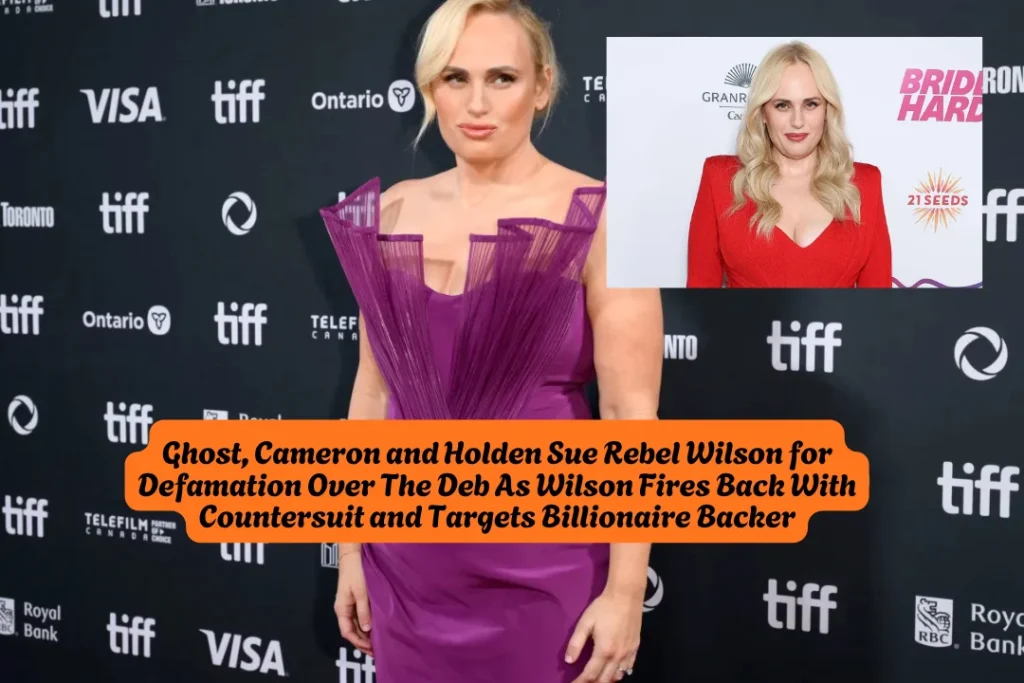
In her most recent public statements on March 17, 2026, Wilson escalated her public position significantly. Wilson claimed that billionaire Sir Len Blavatnik — whose investment company backs Ghost’s production operation — has funded “four lawsuits across two continents” against her. She stated: “Sir Len Blavatnik, it’s never too late to do the right thing and take action against the people who behaved inappropriately — maybe stop funding them for a start? Maybe stop these ridiculous lawsuits and crisis PR attacks that is costing millions.” A source cited in multiple reports disputed the number, saying it is three lawsuits, not four. Representatives for Blavatnik declined to comment on Wilson’s claims.
Legal Context
This case sits at the intersection of three significant legal principles that entertainment industry professionals and general audiences should understand.
Defamation and the anti-SLAPP statute. California’s anti-SLAPP law — the Strategic Lawsuit Against Public Participation statute under California Code of Civil Procedure § 425.16 — allows defendants to seek early dismissal of lawsuits that target protected speech on matters of public interest. Judge Long ruled that Wilson’s statements were “made in the context of a private business dispute” and therefore did not qualify as protected activity, rejecting Wilson’s argument that the film’s premiere and industry misconduct were matters of public significance. Wilson’s attorneys appealed that ruling.
Cross-complaints and smear campaign liability. Ghost’s cross-complaint introduces a separate and serious legal theory — that Wilson is civilly liable not just for her original Instagram video but for an alleged coordinated campaign to destroy Ghost’s reputation through anonymous defamatory websites. Courts increasingly examine whether PR campaigns and anonymous online content can constitute actionable defamation or tortious interference, particularly when communications link executives to the content.
Multi-jurisdictional complexity. A legal case in Australia is scheduled to begin on April 20, 2026, where actress Charlotte MacInnes is suing Wilson for defamation. A UK-based production company has also filed its own lawsuit, accusing Wilson of trying to sabotage the film’s release to force a buyout of the rights, alleging breach of contract, defamatory statements, and damage to the film’s market value. Managing parallel litigation across three countries — the United States, Australia, and the United Kingdom — creates unusual procedural and strategic complexity for all parties.
The case also intersects with the broader Blake Lively-Justin Baldoni litigation. Both cases involve Melissa Nathan and The Agency Group, and both involve allegations of coordinated anonymous smear websites used as tools in celebrity disputes. Courts and legal commentators are paying close attention to whether this pattern of conduct — using anonymous digital content as a litigation weapon — attracts new forms of legal accountability.
Current Status & What Happens Next
The Los Angeles case is moving toward a jury trial, which Judge Long has tentatively scheduled for October 2026. Before trial, several significant steps remain:
Discovery continues on the smear websites. The court has turned to discovery focused on the series of anonymous websites allegedly created at the direction of Wilson. Depositions, subpoenas of web hosting companies, and document requests related to The Agency Group and digital strategist Jed Wallace are expected to generate further revelations.
Wilson’s cross-complaint fate. Judge Long struck the majority of Wilson’s cross-complaint in January 2026. Wilson’s attorney promised a stronger second amended complaint in which Ghost would be more specifically named as a party to the alleged oral contract. The court has not yet ruled on whether to allow that amendment.
Australian trial begins April 20, 2026. Charlotte MacInnes’s defamation claim against Wilson will proceed to trial in Australia less than one month from now, creating an immediate pressure point for Wilson across two jurisdictions simultaneously.
UK commercial case ongoing. The breach of contract and market-damage case filed by the UK production company AI Film against Camp Sugar, Wilson’s production company, is proceeding on a separate track with no confirmed trial date.
Verdict or Settlement
No verdict or settlement has been reached in any of the active cases as of March 21, 2026. All matters remain in active litigation.
Frequently Asked Questions
What is the core allegation in the producers’ defamation lawsuit against Rebel Wilson?
Producers Ghost, Cameron, and Holden allege Wilson falsely and publicly accused them of embezzling AU$900,000 from The Deb‘s budget and of sexual harassment — statements they say were broadcast to Wilson’s 11 million Instagram followers and caused direct professional and reputational harm. No court has found these allegations to be true or false.
What is Wilson’s countersuit about?
Wilson’s cross-complaint accuses the three producers of breach of contract, false imprisonment, fraudulent inducement, and infliction of emotional distress — essentially arguing that the misconduct she alleged publicly was real and caused her harm. A judge struck most of this countersuit in January 2026, and Wilson’s attorney has indicated she plans to file an amended version.
Who is Sir Len Blavatnik and what is his alleged role?
Blavatnik is a billionaire investor who owns the majority of Warner Music Group and is an investor in Ghost’s production company. Wilson publicly accused him on March 17, 2026, of financially backing the lawsuits against her. His representatives declined to comment. There are no allegations of wrongdoing against Blavatnik, and the number of lawsuits he allegedly funds is disputed — Wilson says four; a source cited in reports says three.
Has Charlotte MacInnes, the lead actress of The Deb, confirmed Wilson’s harassment claims?
No. Sources close to Ghost adamantly deny the harassment claims, and multiple reports indicate MacInnes has publicly refuted Wilson’s claim that she was sexually harassed. MacInnes has in fact filed her own defamation lawsuit against Wilson in Australia, with that trial scheduled to begin April 20, 2026.
What is the connection between this case and the Blake Lively-Justin Baldoni lawsuit?
Both cases involve crisis publicist Melissa Nathan and The Agency Group, and both involve allegations that anonymous defamatory websites were used as tools in a PR war. Attorneys for Ghost have alleged that digital strategist Jed Wallace — also a figure in the Lively-Baldoni case — was involved in coordinating the publication of defamatory material targeting Ghost. Courts are examining whether these campaigns were connected.
Last Updated: March 21, 2026
This article is for informational purposes only and does not constitute legal advice. Allegations in a complaint are not findings of fact. All parties are presumed innocent unless and until proven otherwise in court.
About the Author
Israr Ahmad is a legal content researcher with 4+ years of experience covering class action settlements and consumer rights cases. He has researched and published coverage of 2,500+ settlements using verified court records, settlement administrator filings, and government sources. Learn more about Israr.