
Michaels False Discount Lawsuit, Were You Affected? Crow v. The Michaels Companies, Inc., No. 1:26-cv-03142
If you have gotten a Michaels email that screamed “LAST DAY” or “ENDS TODAY,” and then seen a nearly identical sale pop back up in your inbox a few days later — you were not imagining it. A new class action, Crow v. The Michaels Companies, Inc., No. 1:26-cv-03142, accuses the craft store chain of sending Washington residents commercial emails with fake discounts and fake deadlines. No settlement exists yet. Here’s what the lawsuit claims and what it means for you.
Who Is Michaels and Why Are They Being Sued for Fake Sale Emails?
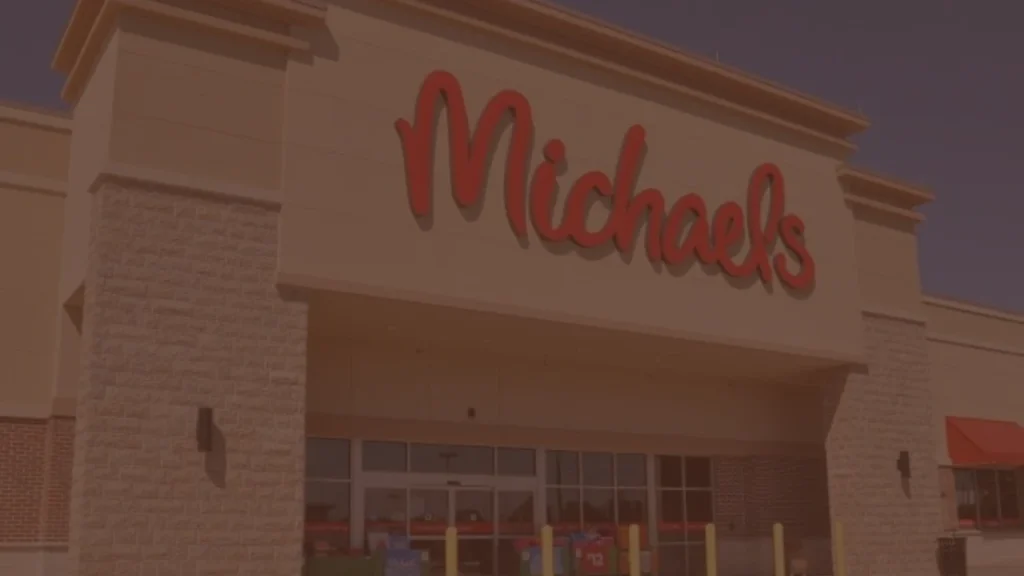
Michaels is a Texas-based arts-and-crafts retailer that runs over a thousand stores and a heavy email marketing operation aimed at driving traffic to michaels.com. That email list — built from in-store sign-ups, online accounts, and loyalty programs — is exactly what put Michaels in Washington’s crosshairs. The state’s email law only applies to messages sent to Washington residents, and the complaint says Michaels had the location data to know who those recipients were. That combination — a huge mailing list and a state law built around subject lines — is why Michaels, not a smaller competitor, is now defending a proposed class action.
What Did Michaels Do to Washington Consumers Between December 2025 and June 2026?
Plaintiff Cameron Crow, a Yakima County resident, says he signed up for Michaels’ mailing list at a store in 2022. Since then, he claims he received a steady stream of subject lines built around urgency: “LAST DAY for up to 50% off! This sale ENDS TODAY,” “DON’T MISS: 50% off Memorial Day Sale ends today,” “FINAL HOURS.” The lawsuit invokes Washington’s Commercial Electronic Mail Act (CEMA), which bars sending a commercial email to a Washington resident with a subject line that contains false or misleading information — no proof that anyone actually fell for it required.
Here’s where it gets specific. The complaint says Michaels emailed “ENDS TODAY: Up to 60% off trees online only!” on September 27, 2025 — then sent “EXTENDED: Up to 60% off Christmas trees online only!” four days later, on October 1. It logs a similar pattern around Memorial Day 2026: three separate “ends today”-style emails on September 20–21, 2025, followed the next day by an “Extended today online only” message for the same sale. According to a related Washington false-advertising lawsuit against Crocs over nearly identical “today only” language, this pattern has become a recurring target for Washington plaintiffs’ firms.
That pattern is the whole case. If a sale keeps reappearing under a new name days after it “ends,” the deadline was never real — and treating a permanent discount as a countdown is what the FTC calls a “false limited time message.”
Related article: Twitch AI Training Lawsuit, Were You Affected? Pandiscia v. Twitch Interactive, Inc. et al., No. 3:26-cv-08721
Are You Part of the Michaels Lawsuit?
Here’s exactly how to know if this case includes you.
- Washington residents who received a Michaels promotional email advertising a “% off” discount
- Anyone whose Michaels email said a sale, discount, or price would end on a specific date, but the same offer got extended
- Recipients whose emails tied a sale to a holiday or event, when Michaels reinstated the same or a comparable sale afterward
- People who signed up for Michaels emails online, in-store, or through the loyalty program while living in Washington
Not covered: shoppers outside Washington, or anyone who never received Michaels’ promotional emails at all. The proposed class period isn’t set yet — it runs from whatever date the court decides the statute of limitations allows (no more than four years before the June 8, 2026 filing) through class certification.
Michaels Shoppers Outside Washington — Are You Still Covered?
No. CEMA is a Washington-only statute, and the proposed class is limited to Washington residents who received the emails while physically in the state. If you live elsewhere and got the same “ends today” emails, this particular case does not cover you — though it’s worth watching, since similar fake-discount claims have also targeted Lowe’s under other states’ consumer laws.
Not sure if you qualify for the Michaels false discount lawsuit? A free consultation with a consumer fraud attorney can help you sort out whether your inbox history lines up with the proposed class before any deadlines get set.
What Are Washington Consumers Asking the Court to Award?
No money yet. No claim form yet. Crow is asking the court to certify a class, issue an injunction stopping Michaels from continuing the alleged practice, and award the greater of actual or statutory damages — plus treble damages under the state Consumer Protection Act (CPA).
Here’s the part worth knowing before you get your hopes up about a number: the complaint’s prayer for relief cites $500 per violating email. But Washington lawmakers cut that statutory figure to $100 per email in March 2026, after more than 100 CEMA suits piled up against retailers in a single year — a fact confirmed by law firm DLA Piper’s analysis of the 2026 amendment. Which figure actually applies here — UNVERIFIED, since it depends on how the amendment’s effective date interacts with a multi-year class period, a question the court hasn’t ruled on. Either way, this is early. Litigation over statutory damages like this typically runs for a year or more before any number gets close to real.
What Could Washington Michaels Customers Receive If This Settles?
Impossible to predict right now. It depends on how many people the court certifies as class members, what evidence Michaels’ internal email data shows, and how settlement talks — if any — eventually shake out. Talk to a class action lawsuit attorney if you want a read on your specific situation before this moves further.
What Should Michaels Email Recipients Do Right Now?
- Most Washington class members won’t need to do anything yet — no claim form exists.
- Save your Michaels promotional emails now, especially ones with “ends today,” “last day,” or “extended” language, along with the dates you received them.
- Note roughly how often you got these emails and over what period — volume matters under CEMA.
- There’s no lead plaintiff deadline in this type of state consumer-protection case, so there’s no clock running on your end.
- Monitor the docket — the case is pending as Case No. 1:26-cv-03142, removed to the U.S. District Court for the Eastern District of Washington from Yakima County Superior Court.
- If you’d rather not wait on a class outcome, an individual CEMA claim is an option — each violating email carries its own statutory damages figure.
Michaels False Discount — Frequently Asked Questions, No. 1:26-cv-03142
Is there a lawsuit against Michaels for fake discounts right now?
Yes. Cameron Crow filed a proposed class action against The Michaels Companies, Inc. in Yakima County Superior Court on June 8, 2026, later removed to federal court as Case No. 1:26-cv-03142, alleging its promotional emails used false or misleading subject lines.
Do I need to do anything right now to be part of the Michaels lawsuit?
No. If you’re a Washington resident who received the emails described in the complaint, you’re potentially part of the proposed class automatically — there’s nothing to sign up for at this stage.
When will the Michaels email case settle?
There’s no timeline yet. The case was only removed to federal court on July 22, 2026, and class certification, discovery, and any settlement talks typically take a year or more.
Can I file my own lawsuit against Michaels instead of joining the class?
Yes. CEMA allows individual claims, and each qualifying email carries its own statutory damages figure, separate from what a class recovers.
How will I find out if the Michaels lawsuit settles?
If a class is certified and a settlement is reached, notice typically goes out by mail or email to affected class members, and AllAboutLawyer.com will update this page.
What specific laws does Michaels allegedly violate?
The complaint alleges violations of Washington’s Commercial Electronic Mail Act, RCW 19.190.020(1)(b), and the Washington Consumer Protection Act, RCW 19.86 — both stemming from the same email subject-line claims.
How much could Washington Michaels customers get if this case settles?
Unknown. The complaint’s prayer for relief references $500 per violating email, but Washington’s 2026 amendment to CEMA lowered that statutory figure to $100 per email going forward — which number controls here is UNVERIFIED at this stage.
Why does this keep happening to retailers in Washington specifically?
Because CEMA doesn’t require proof anyone was actually fooled — only that a subject line was false or misleading. Washington courts confirmed that broad reading in Brown v. Old Navy, LLC, and more than 100 similar suits followed within a year.
Sources Used in This Michaels Article
- Class Action Complaint — Crow v. The Michaels Companies, Inc., Superior Court of Washington for Yakima County, No. 26-2-01916-39, filed June 8, 2026; removed to the U.S. District Court for the Eastern District of Washington as Case No. 1:26-cv-03142 on July 22, 2026: https://dw.courts.wa.gov/
- RCW 19.190.020 — Washington Commercial Electronic Mail Act, official statute text: https://app.leg.wa.gov/rcw/default.aspx?cite=19.190.020
- Brown v. Old Navy, LLC, No. 102592-1, Washington Supreme Court opinion, April 17, 2025: https://www.courts.wa.gov/opinions/pdf/1025921.pdf
- DLA Piper, “Washington’s Commercial Electronic Mail Act: Assessing potential retailer exposure following 2026 amendments,” April 29, 2026: https://www.dlapiper.com/en-us/insights/publications/2026/04/washingtons-commercial-electronic-mail-act-assessing-potential-retailer-exposure
Researched and written by Israr Ahmad, legal content researcher and founder of AllAboutLawyer.com. All facts verified against the class action complaint in Crow v. The Michaels Companies, Inc., the official text of RCW 19.190.020, the Brown v. Old Navy opinion, and DLA Piper’s April 2026 CEMA amendment analysis, as of August 24, 2026. Last Updated: August 24, 2026.
This article is for informational purposes only and does not constitute legal advice. Laws vary by state and individual circumstances differ. For advice about your specific situation, consult a qualified attorney.
About the Author
Israr Ahmad is a legal content researcher with 4+ years of experience covering class action settlements and consumer rights cases. He has researched and published coverage of 2,500+ settlements using verified court records, settlement administrator filings, and government sources. Learn more about Israr.