
Florida Pastor Convicted in Jovenel Moïse Assassination Plot, Why a Miami Jury Found Christian Sanon Guilty
A federal jury in Miami has convicted Christian Emmanuel Sanon, a 68-year-old Florida pastor with dual Haitian-American citizenship, on all eight charges arising from the conspiracy that ended in the July 2021 assassination of Haitian President Jovenel Moïse. The verdict came Wednesday, November 18, 2026, after a nearly eight-week trial in the U.S. District Court for the Southern District of Florida.
Sanon faces up to life in prison. Sentencing is set for February 10, 2027. His attorney, Zeljka Bozanic, said the defense was disappointed and will appeal at the appropriate time.
Prosecutors said Sanon was the conspirators’ first choice to replace Moïse, helped raise money for the plot, and arranged travel and lodging in Haiti. Sanon testified that he had been in contact with people trying to replace Moïse but denied knowing of any plan to kill him, and said the group had moved on to another candidate long before the attack. The jury rejected that defense.
Jovenel Moïse Assassination Case: Quick Facts on the Sanon Verdict
| Detail | Confirmed information |
| Defendant | Christian Emmanuel Sanon, 68, Florida pastor born in Haiti |
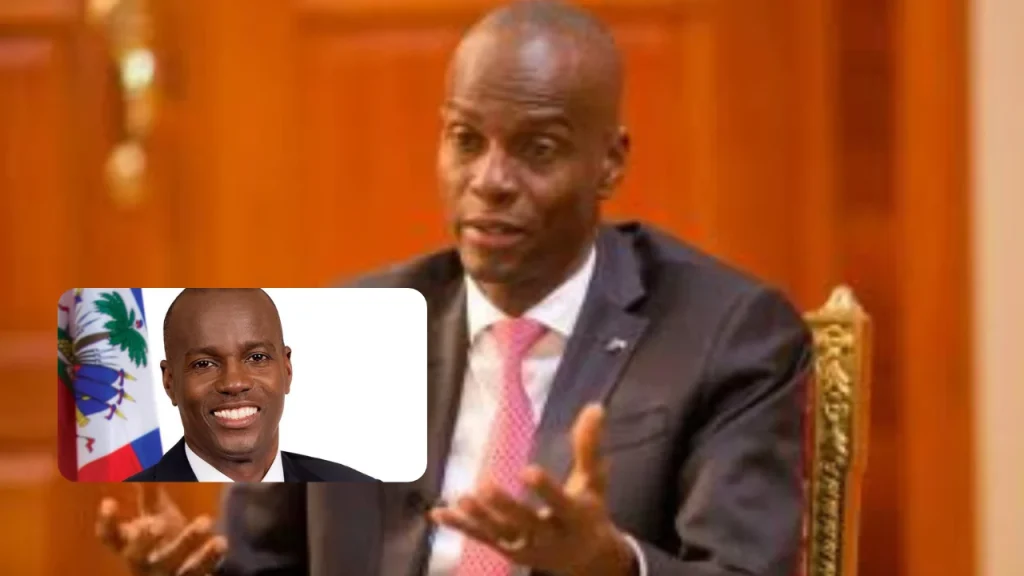
| Victim | Haitian President Jovenel Moïse, killed July 7, 2021 |
| Verdict | Guilty on all eight charges, November 18, 2026 |
| Court | U.S. District Court, Southern District of Florida (Miami), Case No. 22-cr-20104 |
| Most serious charge | Conspiracy to kill or kidnap a person outside the United States |
| Maximum penalty | Life imprisonment |
| Sentencing | February 10, 2027 |
| Custody | Remains in federal custody |
| Defense position | Denied knowing of any plan to kill Moïse; appeal planned |
| Type of case | Federal criminal prosecution, not a class action or settlement |
Who Is Christian Emmanuel Sanon, the Florida Pastor Convicted in the Moïse Case?
Sanon was born in Haiti and moved to the United States as a teenager. He testified that he worked with churches in Haitian immigrant communities in Florida and the Midwest. According to an indictment described by the Associated Press, the plot began taking final shape in April 2021, when Sanon met in South Florida with a former Haitian senator and several U.S. businesspeople.
Was Sanon Accused of Personally Shooting Jovenel Moïse?
No. Public reporting does not say Sanon was at Moïse’s home or fired a shot. The case against him rested on his role in the conspiracy. Federal law allows a conviction for joining an agreement to commit a killing abroad, or for knowingly providing material support for it, without proof that the defendant carried out the killing. The verdict should not be described as a finding that Sanon personally killed the president.
Why Did Prosecutors Say Sanon Wanted to Remove Haiti’s President?
Prosecutors said a group of political and business figures wanted to replace Moïse and profit from the new government. Under the alleged plan, firms tied to the plot would receive government contracts for infrastructure, security and military equipment once Sanon held power. Two South Florida security companies, Counter Terrorist Unit Federal Academy and Counter Terrorist Unit Security (together known as CTU), were central to the case.
Why Did the Conspirators Stop Backing Sanon Before the Attack?
By June 2021, according to prosecutors, the group concluded that Sanon lacked the political support and the constitutional eligibility to become president, and shifted to Wendelle Coq Thélot, a former Haitian Supreme Court justice. Sanon’s lawyers used that shift to argue he was out of the plan before July 7. Prosecutors argued his earlier role still made him criminally responsible.
How Was the Plot Against Moïse Planned and Financed From South Florida?
Federal prosecutors described South Florida as the hub for planning and financing. The evidence described in court and in press coverage includes:
- meetings in South Florida in 2021 to plan the removal of Moïse;
- recruitment of about two dozen foreign mercenaries, mostly retired Colombian soldiers, through the CTU companies;
- payment of those mercenaries with money obtained from U.S. government programs meant to help businesses during the COVID-19 pandemic; and
- equipment, including body armor, assembled for the operation.
The August 27, 2026 sixth superseding indictment, according to the Justice Department filing, alleges that Sanon signed a consulting agreement with CTU on May 17, 2021, and that ballistic vests were shipped on June 10, 2021 under paperwork that falsely described them as medical X-ray protection. Those allegations underlie the export-related counts. Check the indictment itself before quoting these details.
What Happened to Jovenel Moïse on July 7, 2021?
Shortly after midnight on July 7, 2021, armed attackers, mostly retired Colombian soldiers, stormed Moïse’s home near Port-au-Prince and killed the 53-year-old president. His wife, Martine Moïse, was wounded and flown to the United States for treatment. She was the first witness at the May 2026 trial of four other defendants, where she described waking to gunfire after midnight.
What Did the Miami Jury Find Sanon Guilty Of?
The jury convicted Sanon on all eight counts. The most serious was conspiracy to kill or kidnap a person outside the United States. According to the Justice Department’s indictment, the charges are brought under these federal laws:
| Federal law | What it covers |
| 18 U.S.C. § 956 | Conspiracy within U.S. jurisdiction to kill, kidnap or maim a person in a foreign country |
| 18 U.S.C. § 2339A | Providing material support or resources knowing they will be used to carry out certain federal crimes, here a killing or kidnapping conspiracy abroad |
| 18 U.S.C. § 960 | Organizing or supporting a military expedition from U.S. territory against a country at peace with the United States (the Neutrality Act) |
| 18 U.S.C. § 371 | Conspiracy to commit an offense against the United States, including export-related offenses |
| 18 U.S.C. § 554 and 13 U.S.C. § 305 | Smuggling goods from the United States and submitting false export information |
The exact count-by-count verdict will be set out in the court’s judgment, which was not yet available when this article was written. These are federal charges, not Florida state murder charges.
Why Was a Moïse Assassination Case Tried in a Miami Federal Court?
Congress has made it a federal crime to conspire in the United States to kill or kidnap people abroad and to organize military expeditions from U.S. soil against friendly nations. Because prosecutors alleged that meetings, financing, recruitment and equipment shipments took place in South Florida, they could bring the case in Miami. The U.S. Attorney’s Office for the Southern District of Florida brought the prosecution, with the FBI and Homeland Security Investigations.
For another example of a federal case reaching conduct abroad, see Amir Barati Extradited to US in Alleged $3.4 Billion Cyber Theft Case.
Why Was Sanon Tried Separately From the Other Defendants?
Sanon was first scheduled to be tried with four other men, but his case was separated and delayed for health reasons. Those four were convicted on May 8, 2026 of conspiring to kill or kidnap a person abroad and of providing material support, and of violating the Neutrality Act. The group included CTU’s Antonio Intriago and Arcángel Pretel Ortiz and financier Walter Veintemilla. They face possible life sentences and await sentencing.
Where Does the Wider Miami Federal Prosecution Stand After Sanon’s Conviction?
According to the Associated Press, U.S. prosecutors have charged more than 40 people in connection with the assassination, and about a dozen have been convicted, including five serving life sentences. In late September 2026, 18 suspects arrested in the case were brought from Haiti to the United States. Defendants who have not been convicted are presumed innocent unless prosecutors prove their guilt.
Will Christian Sanon Be Sentenced to Life in Prison?
He could be, but a statutory maximum is not a mandatory sentence. At the February 10, 2027 hearing, the judge must weigh the applicable statutes, the U.S. Sentencing Guidelines and the factors in 18 U.S.C. § 3553(a), including the nature of the offenses, the defendant’s history, and the need for punishment and deterrence. For an example of how a federal judge sets a prison term and financial penalties after a conviction, see Herb Kimble Sentenced to 20 Years in Medicare Fraud Case, $199 Million Restitution and $195 Million Forfeiture. That case involves different offenses.
Can Sanon Appeal His Conviction?
Yes. His lawyer has said an appeal will be filed. An appeal can challenge legal errors, procedural rulings or jury instructions. It is not a new trial and does not overturn the conviction on its own.
What Has Happened in Haiti Since Jovenel Moïse Was Killed?
Haiti has not had a president since the assassination, and gang violence has grown. A provisional council was appointed in September 2024 to organize new elections. The U.S. criminal case is separate from Haiti’s own political and judicial processes, and a Miami conviction does not by itself resolve the country’s political crisis. For South Florida’s large Haitian-American community, the verdict is a significant court development, but sentencing, appeals and the remaining defendants’ cases are still ahead.
Jovenel Moïse Assassination: Timeline of Major Events
| Date | Event |
| April 2021 | Sanon meets in South Florida with a former Haitian senator and U.S. businesspeople, per the indictment |
| May 17, 2021 | Alleged consulting agreement between Sanon and CTU |
| June 2021 | Conspirators allegedly shift support away from Sanon |
| July 7, 2021 | Moïse is killed; his wife is wounded |
| May 8, 2026 | Four other defendants convicted by a Miami jury |
| August 27, 2026 | Sixth superseding indictment filed |
| Late September 2026 | 18 suspects brought from Haiti to the U.S.; Sanon’s trial begins |
| November 18, 2026 | Jury convicts Sanon on all eight charges |
| February 10, 2027 | Scheduled sentencing |
Frequently Asked Questions About Christian Sanon and the Moïse Assassination Verdict
Who is Christian Emmanuel Sanon?
A Haitian-born Florida pastor with dual Haitian-American citizenship, convicted November 18, 2026 on eight federal charges tied to the plot to remove Jovenel Moïse.
Was Christian Sanon convicted of murder?
He was convicted of federal conspiracy, material-support, Neutrality Act and export-related offenses. The most serious charge was conspiracy to kill or kidnap a person outside the United States. He was not found to have personally shot Moïse.
How long will Christian Sanon go to prison?
That has not been decided. He faces up to life in prison, with sentencing set for February 10, 2027.
Who else has been convicted over the Jovenel Moïse assassination?
About a dozen people have been convicted, including four men convicted in May 2026 and five serving life sentences. More than 40 people have been charged.
Is there a Jovenel Moïse assassination lawsuit or settlement?
The Sanon case is a federal criminal prosecution. No class action, settlement claim form or compensation program tied to his conviction has been publicly verified.
The Bottom Line: Sanon Convicted, Sentencing Set for February 10, 2027
A Miami federal jury has found Christian Emmanuel Sanon guilty on all eight charges tied to the conspiracy behind Jovenel Moïse’s assassination. He denied knowing of any plan to kill the president, and the jury rejected that. His next court date is sentencing on February 10, 2027, and his defense says it will appeal.
Sources and Legal References
- Associated Press: Florida pastor convicted of US charges related to assassination of Haitian President Jovenel Moïse, November 18, 2026
- U.S. Department of Justice, Sixth Superseding Indictment, United States v. Christian Emmanuel Sanon et al., No. 22-cr-20104, filed August 27, 2026
- U.S. Attorney’s Office, S.D. Fla.: Four Defendants Convicted in Plot to Kill Haitian President Jovenel Moïse, May 8, 2026
- U.S. Attorney’s Office, S.D. Fla.: FBI and HSI Transport 18 Defendants from Haiti to South Florida, September 21, 2026
- 18 U.S.C. § 956 (Cornell LII)
- 18 U.S.C. § 2339A (Cornell LII)
- 18 U.S.C. § 960 (Cornell LII)
- 18 U.S.C. § 554 (Cornell LII)
Disclaimer: AllAboutLawyer.com provides legal information and court reporting, not legal advice. Allegations against defendants who have not been convicted remain unproven.
Researched and written by Israr Ahmad, legal content researcher and founder of AllAboutLawyer.com. All facts verified against Associated Press and local news reports of the verdict, the Justice Department’s indictment and press releases, and the cited federal statutes, as of November 19, 2026. Last Updated: November 19, 2026.
About the Author
Israr Ahmad is a legal content researcher with 4+ years of experience covering class action settlements and consumer rights cases. He has researched and published coverage of 2,500+ settlements using verified court records, settlement administrator filings, and government sources. Learn more about Israr.