
Hair Relaxer Cancer Lawsuit, Where Does MDL No. 3060 Stand in June 2026 and Are You Still Eligible to Join?
— In re: Hair Relaxer Marketing, Sales Practices, and Products Liability Litigation, MDL No. 3060
Hair Relaxer MDL No. 3060 — Key Facts, June 2026
| Field | Detail |
| Lawsuit Filed | MDL consolidated February 2023 |
| Defendant | L’Oréal USA, Revlon, SoftSheen-Carson, Strength of Nature, and others |
| Alleged Harm | Uterine cancer, ovarian cancer, endometrial cancer, uterine fibroids linked to chemical hair relaxers |
| Specific Law Alleged | Product liability — failure to warn, negligence, strict liability |
| Who Is Affected | Women who regularly used chemical hair relaxers and were diagnosed with uterine, ovarian, or endometrial cancer, or uterine fibroids |
| Court & Case Number | U.S. District Court, Northern District of Illinois — MDL No. 3060 |
| Cases Pending | 11,371 as of April 1, 2026 (15,504 total filed) |
| Current Court Stage | Bellwether discovery phase — fact discovery closes June 10, 2026 |
| Bellwether Trials | First trials expected mid-2027 |
| Special Master | Ellen K. Reisman (appointed April 2025 — facilitating settlement discussions) |
| Settlement Status | No settlement reached — active litigation |
| Lead Judge | Hon. Mary M. Rowland |
| Last Updated | June 2, 2026 |
June 2026 Update: Hair Relaxer Bellwether Discovery Closes June 10
Additional fact discovery for the bellwether trial cases closes on June 10, 2026. This is one of the most important near-term deadlines in the entire litigation. Once this window closes, the case moves firmly into expert challenges and pretrial motions — bringing the first trials measurably closer.
Daubert and summary judgment motions are due November 16, 2026, with first trials expected in mid-2027.
Who Is Behind the Hair Relaxer Lawsuit — and Why Does It Matter to You?
Lawsuits allege that exposure to chemical hair relaxers caused uterine, ovarian, and endometrial cancers and serious reproductive injuries. Plaintiffs claim manufacturers failed to warn consumers — many of whom are Black women — about the long-term health risks of repeated chemical exposure.
The litigation began after publication of a 2022 National Institutes of Health (NIH) study, which warned that women using chemical hair straighteners more than four times a year faced double the risk of uterine cancer.
Defendants named in the MDL include some of the most widely used hair care brands in Black households across America — L’Oréal USA, Revlon, SoftSheen-Carson (makers of Dark & Lovely), Strength of Nature (makers of Just for Me), and others. For context on how similar consumer product liability cases against major corporations have unfolded, our coverage of the Character AI lawsuit showing how federal judges are treating AI and consumer product liability claims involving teen harm shows the same principle these plaintiffs are fighting on: companies have a duty to warn about known risks to their users.
If you used chemical hair relaxers regularly for years and were later diagnosed with cancer — or you are still using them and are worried about what the science says — this case directly affects you.
How Chemical Hair Relaxers Were Allegedly Linked to Cancer
Hair relaxers contain chemicals that may be endocrine disruptors — meaning they impact the body’s hormone system. These endocrine-disrupting chemicals can be absorbed through cuts, burns, or lesions on the scalp, and frequent use may increase the risk of estrogen-dependent cancers.
The NIH study at the center of this litigation found that women who used chemical straighteners more than four times a year were at more than twice the risk of developing uterine cancer compared to women who never used these products. Plaintiffs argue manufacturers knew about these risks and said nothing.
Are You Part of the Hair Relaxer Cancer Lawsuit?
You may qualify to file a hair relaxer lawsuit if:
- You used chemical hair relaxers regularly — typically four or more times per year — over a sustained period of years
- You were diagnosed with uterine cancer, endometrial cancer, ovarian cancer, or uterine fibroids
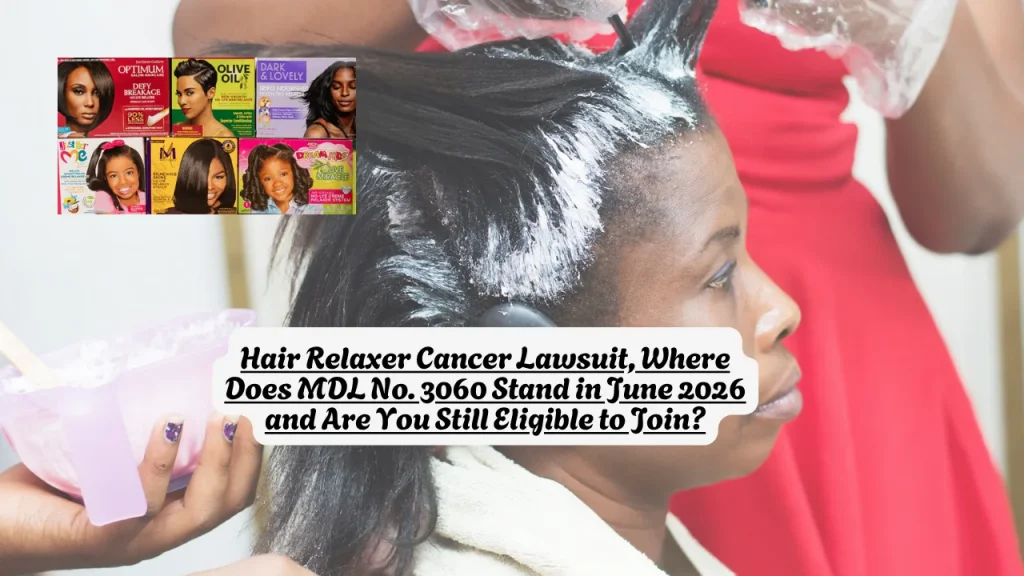
- Your relaxer use included products such as Dark & Lovely, Just for Me, Optimum Care, Soft Sheen Creme of Nature, Motions, ORS Olive Oil Relaxer, or other chemical straighteners
- You are a hair stylist or cosmetologist with long-term occupational exposure to these products
You are less likely to qualify if:
- You used heat-based or non-chemical straightening methods only
- You have not been diagnosed with any of the specific cancers or conditions listed above
- You used chemical relaxers only occasionally or for a very short period
Plaintiffs have also asked the court to approve “medical monitoring” classes in Arizona, California, Florida, Maryland, Nevada, Pennsylvania, and the District of Columbia — covering women who frequently used chemical hair relaxers but have not yet been diagnosed with cancer, to allow them to seek monitoring for long-term risks. If this class is certified, it could expand who qualifies significantly.
Do Hair Relaxer Lawsuit Plaintiffs Outside Illinois Still Qualify?
Yes. The MDL was centralized in the Northern District of Illinois in February 2023, and Pennsylvania state tort actions were consolidated in April 2025. Being filed in Illinois does not limit who can join. Women in all 50 states who meet the eligibility criteria can be part of this litigation. State court cases are also active in Cook County, Illinois; Georgia; and Canada, with two putative class actions pending there as well.
If you are unsure whether your diagnosis and hair relaxer use history make you eligible, a free consultation with a product liability attorney can help you assess your situation before the bellwether trials reshape the litigation landscape.
What Could Hair Relaxer Plaintiffs Receive If the MDL Settles?
No money is available yet. No settlement has been reached. This is still active litigation.
The most significant settlement payouts would go to the most severe cases — typically women diagnosed with uterine cancer or advanced-stage ovarian cancer. Less severe injury tiers or claims still pending documentation may take longer to process. Barring major delays or a breakdown in negotiations, 2027 is considered a realistic payout year by attorneys tracking the case.
What Are Plaintiffs Asking the Court to Award?
Plaintiffs are seeking compensatory damages for medical costs, lost income, and pain and suffering; punitive damages against manufacturers who allegedly knew about the risks and concealed them; and disgorgement of profits made while selling products they knew were dangerous.
Defendants like L’Oréal and Revlon are fighting hard to slow things down, but plaintiffs are pushing forward aggressively. The outcome of the upcoming Daubert hearings — where the court will decide which scientific experts can testify at trial — will be the single biggest factor in shaping any settlement talks.
At this stage, it is impossible to predict individual recovery amounts. Speaking with a product liability attorney who handles mass tort claims is the most useful step you can take right now.
What Should You Do If You Used Hair Relaxers and Were Diagnosed with Cancer?
- Do not wait. The MDL is still accepting new cases. As of April 1, 2026, there are 11,371 lawsuits consolidated in the hair relaxer MDL, and more women or their surviving loved ones can still join if they meet the eligibility criteria.
- Save your medical records. Gather your cancer diagnosis paperwork, treatment records, and any documentation showing when your diagnosis was made.
- Document your product history. Write down the brands you used, how often you used them, and for how many years. If you still have any product packaging, save it.
- Talk to a product liability attorney. Most hair relaxer attorneys work on contingency — meaning no upfront cost to you. An attorney can evaluate whether your specific diagnosis and usage history qualify.
- Monitor the bellwether trials. Bellwether trials in the MDL are expected to begin in late 2026 or 2027. These early trials will test evidence, help establish liability, and influence potential settlement negotiations. Their outcomes will directly affect what plaintiffs in similar cases can expect to recover.
- Do not miss state court options. If you are in Pennsylvania, Illinois, Georgia, or New York, state-level cases are running parallel to the federal MDL and may move on different timelines.
Hair Relaxer MDL No. 3060 — Full Litigation Timeline
| Milestone | Date |
| NIH study published linking hair relaxers to uterine cancer | October 2022 |
| MDL No. 3060 consolidated in Northern District of Illinois | February 2023 |
| Judge Mary M. Rowland assigned to preside | March 2023 |
| Defendants’ motions to dismiss largely denied | September 2024 |
| Special Master Ellen K. Reisman appointed | April 30, 2025 |
| Philadelphia lawsuits consolidated into state-level mass tort | June 2025 |
| Science Day held — court educated on medical/scientific evidence | January 8, 2026 |
| General causation expert discovery closed | March 2, 2026 |
| Defendants’ Daubert challenges to expert witnesses due | April 1, 2026 |
| Judge Rowland selects 10 bellwether cases personally | April 15, 2026 |
| Medical monitoring class certification sought (7 states + D.C.) | April 2026 |
| Bellwether fact discovery closes | June 10, 2026 |
| Summary judgment & non-causation Daubert motions due | November 16, 2026 |
| First bellwether trials expected | Mid-2027 |
| Global settlement (if reached) | TBD — not anticipated before end of 2026 at earliest |
Hair Relaxer Lawsuit — Frequently Asked Questions, MDL No. 3060
Is the hair relaxer cancer lawsuit still accepting new plaintiffs in June 2026?
Yes. The MDL is still open and accepting new cases as of April 2026, and women or their surviving family members who meet the eligibility criteria can still join. Filing now means your case will move through the MDL alongside the thousands of existing plaintiffs once bellwether trials begin shaping the settlement landscape.
Do I need to have been diagnosed with cancer to file a hair relaxer lawsuit?
Right now, the MDL primarily covers women diagnosed with uterine, ovarian, endometrial cancer, or uterine fibroids. However, plaintiffs have asked the court to also certify medical monitoring classes in seven states and D.C. for women who used hair relaxers frequently but have not yet developed cancer. If those classes are certified, eligibility would expand. Speak with an attorney about your specific situation.
Which hair relaxer brands are named in MDL No. 3060?
Defendants include L’Oréal USA, Revlon, SoftSheen-Carson (Dark & Lovely), Strength of Nature (Just for Me, Optimum Care), and others. Brands covered also include African Pride, Dr. Miracle’s, Elasta QP, Motions, Profectiv, SmartPerm, Soft & Beautiful, TCB Naturals, and UltraSheen.
When will the hair relaxer MDL go to trial?
The first bellwether trials in the MDL will not start until 2027. State court claims may move faster and could push earlier settlement talks than the federal 2027 trial date would suggest.
Is there a hair relaxer settlement right now?
No. None of the claims in the MDL have been settled as of the most recent updates. Special Master Ellen K. Reisman is facilitating settlement discussions, but no global resolution has been announced. Her appointment does not guarantee an imminent settlement.
What did the April 2026 bellwether update mean for plaintiffs?
In April 2026, Judge Rowland took over the bellwether selection process entirely — scrapping the original plan that had the parties picking cases themselves — and selected all 10 bellwether cases herself to ensure they genuinely represent the broader litigation. This is significant because it means the first trials will reflect the most typical plaintiff scenarios, making any jury verdict more predictive of what the broader MDL could settle for.
How much could a hair relaxer settlement pay?
No confirmed settlement amount exists. The most significant payouts are expected to go to the most severe cases — typically women diagnosed with uterine cancer or advanced-stage ovarian cancer. Individual recoveries will ultimately depend on diagnosis severity, product exposure history, number of claimants, and what is negotiated or decided at trial. Consult a product liability attorney for an honest assessment of your case’s value.
Can I file a hair relaxer lawsuit on behalf of a deceased family member?
Yes. Surviving family members — including spouses and children — can file wrongful death claims on behalf of women who passed away from uterine, ovarian, or endometrial cancer linked to hair relaxer use. An attorney can walk you through the process.
Prepared by the AllAboutLawyer.com Editorial Team and reviewed for factual accuracy against court records, MDL Update (MDL No. 3060), Motley Rice, and AboutLawsuits.com on June 2, 2026. Last Updated: June 2, 2026.
This article is for informational purposes only and does not constitute legal advice. Laws vary by state and individual circumstances differ. For advice about your specific situation, consult a qualified attorney.
About the Author
Israr Ahmad is a legal content researcher with 4+ years of experience covering class action settlements and consumer rights cases. He has researched and published coverage of 2,500+ settlements using verified court records, settlement administrator filings, and government sources. Learn more about Israr.