
Apple Hide My Email Lawsuit, Were You Affected? Alvarez v. Apple Inc., No. 3:26-cv-07274
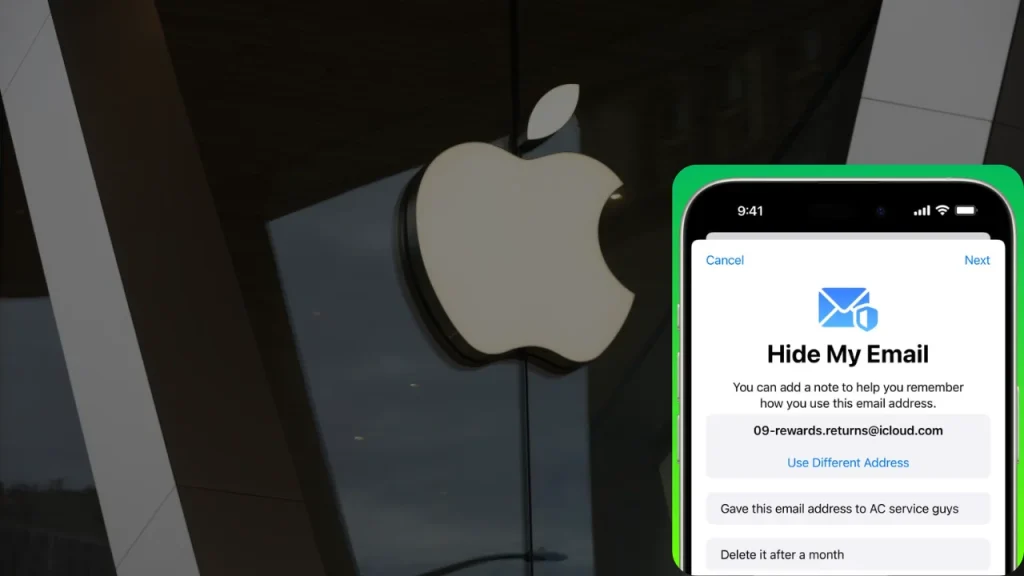
If you paid for iCloud+ or used Hide My Email to keep your real address private — you weren’t imagining the risk. Apple is now facing a class action, Alvarez v. Apple Inc., No. 3:26-cv-07274, in California federal court claiming the feature exposed users to the exact thing it promised to hide. Here’s what that means for you.
Apple Hide My Email Lawsuit — Key Facts
| Lawsuit Filed | July 15, 2026 |
| Defendant | Apple Inc. |
| Alleged Harm | Hide My Email failed to keep users’ real email addresses hidden, despite Apple’s privacy marketing |
| Law Alleged | California Unfair Competition Law, False Advertising Law, Consumers Legal Remedies Act, plus fraud, negligent misrepresentation, breach of contract, breach of implied warranty, and unjust enrichment |
| Who Is Affected | iCloud+ subscribers and Apple hardware users who used Hide My Email through Sign in with Apple |
| Court & Case Number | U.S. District Court, Northern District of California (San Jose Division), No. 3:26-cv-07274 |
| Current Stage | Complaint filed; no class has been certified |
| Lead Plaintiff Deadline | N/A — single-plaintiff complaint, no lead plaintiff deadline set |
| Settlement Status | No settlement. No claim form exists. |
| Last Updated | August 13, 2026 |
Who Is Apple and Why Are They Being Sued Over Hide My Email?
Apple built Hide My Email into iCloud+ and into every device that offers “Sign in with Apple,” selling it as proof that Apple protects your privacy better than anyone else. That promise is the reason people pay iCloud+ fees and, the lawsuit argues, part of why they pay a premium for Apple hardware in the first place. When a security flaw let outsiders trace a hidden address back to a real one, the lawsuit claims Apple was selling privacy it didn’t actually deliver.
What Did Apple Do to Hide My Email Users Between 2019 and 2026?
According to the complaint, a security researcher told Apple in June 2025 that Hide My Email addresses could be unmasked. Apple acknowledged the report about a month later. In March 2026, Apple said the issue had been fixed. It hadn’t. The researcher retested it, found the flaw still worked, and told Apple again — and Apple asked the researcher to stay quiet “to avoid placing our customers at risk,” according to the filed complaint.
That’s a strange thing to ask for. It only makes sense if Apple already knew customers were at risk and kept selling the feature anyway. The lawsuit says Apple never disabled Hide My Email, never paused new sign-ups, and never told existing subscribers there was a problem — all while continuing to advertise the feature as airtight.
There’s a detail in the complaint that most coverage of this case has skipped past. It isn’t just that an alias could theoretically be traced back to you. The complaint alleges that sending a message through Hide My Email with an attachment — a photo, for example — actually transmits your real email address to the recipient behind the scenes. When that person replies, the quoted text in their reply can show the message really came from your personal address, not the hidden one. In other words, using the feature exactly as Apple designed it could be the thing that exposes you.
Did you buy an iPhone or sign up for iCloud+ any time after Hide My Email launched, expecting the feature to actually hide your email? Then this lawsuit is about you.
Related article: Community Connections Data Breach Settlement, Check If You Qualify — Jefferson v. Community Connections Inc.
Are You Part of the Apple Hide My Email Lawsuit?
Here’s exactly how to know if this case includes you.
The complaint proposes four overlapping groups, and the openings below aren’t limited to any one type of Apple customer:
- Anyone in the U.S. who bought an Apple product and has used Hide My Email through “Sign in with Apple” — the free version bundled with every device
- iCloud+ subscribers nationwide who used the paid, unlimited version of Hide My Email
- California residents who fall into either group above, who may also have separate state-law claims
- People who never used Hide My Email at all are not included — using the feature at least once is central to the claims
Apple Hide My Email Users Outside California — Are You Still Covered?
Yes. The lawsuit proposes a nationwide class, not just a California one. Apple’s own iCloud Terms and Conditions say disputes are governed by California law regardless of where the customer lives, and the complaint leans on that clause to argue California consumer-protection law should apply to every class member, no matter their state of residence.
That’s 30 days from July 14, 2026 — the date Apple’s lawyers received formal notice under the Consumers Legal Remedies Act — before Plaintiff can add money damages under that specific law. Everything else in the case moves forward regardless.
Not sure if you qualify for the Apple Hide My Email lawsuit? A free consultation with a consumer fraud attorney can help you understand your options before evidence and testimony get locked in early in the case.
What Are Apple Hide My Email Users Asking the Court to Award?
No money yet. No claim form yet. This is a newly filed complaint, and Apple hasn’t been ordered — or agreed — to pay anyone anything.
What the lawsuit asks for is restitution of the price premium customers paid for privacy that didn’t work, disgorgement of what Apple made from selling the feature, punitive damages, and a court order forcing Apple to either fix Hide My Email or stop claiming it hides your email. The complaint states the combined value of the claims tops $5 million but doesn’t break that figure down by consumer.
What Could Apple Hide My Email Users Receive If This Case Settles?
It’s impossible to predict. Nothing has been negotiated, no expert has calculated per-user damages, and no judge has ruled on whether these classes can even be certified. Any number floating around online right now is a guess, not a fact.
That money doesn’t exist yet, and it may never exist if the case is dismissed or the classes aren’t certified. Filing a claim isn’t possible today — but keeping your own records is.
What Should Apple Hide My Email Users Do Right Now?
- Most affected users don’t need to do anything to preserve their rights at this stage. No panic, no forms.
- Save your Apple purchase records, iCloud+ subscription receipts, and any email showing you used Hide My Email.
- Write down when you started using the feature and why — the complaint centers on people who relied on Apple’s privacy claims when deciding to buy.
- The CLRA notice deadline (30 days from July 14, 2026) affects one specific damages claim, not your ability to join the case later.
- Watch the docket in Alvarez v. Apple Inc., No. 3:26-cv-07274, in the U.S. District Court for the Northern District of California, San Jose Division.
- If your situation is unusual — a documented instance of your address actually being exposed, for example — talk to a consumer fraud attorney about filing separately.
Apple Hide My Email Lawsuit — Full Timeline
| Milestone | Date |
| Hide My Email (bundled version) launches with iOS 13 | 2019 |
| iCloud+ and full Hide My Email version launch | September 2021 |
| Security researcher reports vulnerability to Apple | June 2025 |
| Apple acknowledges the report | UNVERIFIED — complaint says “approximately” July 2025, no exact date given |
| Apple claims the issue is fixed | March 2026 |
| Researcher retests and finds flaw still active | Spring 2026 |
| Apple asks researcher to delay public disclosure | May 2026 |
| Vulnerability goes public | July 1, 2026 |
| CLRA demand letter sent to Apple | July 14, 2026 |
| Lawsuit filed | July 15, 2026 |
| Next scheduled hearing | UNVERIFIED — no hearing date published yet |
| Expected resolution | UNVERIFIED — case is in its earliest stage, no timeline available |
Apple Hide My Email — Frequently Asked Questions, No. 3:26-cv-07274
Is there a class action lawsuit against Apple for Hide My Email right now?
Yes. Anthony Alvarez filed Alvarez v. Apple Inc., No. 3:26-cv-07274, on July 15, 2026, in the U.S. District Court for the Northern District of California, alleging Hide My Email failed to keep users’ real email addresses private.
Do I need to do anything right now to be part of the Apple lawsuit?
No. If you’re in one of the proposed classes — you bought an Apple product or iCloud+ subscription and used Hide My Email — you don’t need to file anything to be included at this stage.
When will the Apple Hide My Email case settle?
There’s no way to know. The complaint was only filed in July 2026, no class has been certified, and Apple hasn’t responded in court yet. Cases like this commonly take a year or more before any settlement talks begin.
Can I file my own lawsuit against Apple instead of joining the class?
Yes, especially if you have specific losses tied to your own use of Hide My Email. Talk to a consumer fraud attorney about whether an individual claim makes more sense than staying in the proposed class.
How will I find out if the Apple lawsuit settles?
Watch the docket for case No. 3:26-cv-07274 in the Northern District of California, or check back here — this article will be updated with the court’s proceedings as they happen.
What does “CLRA notice” mean for the Apple case and why does the deadline matter?
California’s Consumers Legal Remedies Act requires a formal 30-day notice before a plaintiff can seek money damages under that specific law. Apple’s notice period runs from July 14, 2026, and doesn’t affect the lawsuit’s other claims.
What specific laws does Apple allegedly violate?
The complaint cites California’s Unfair Competition Law, False Advertising Law, and Consumers Legal Remedies Act, along with common-law fraud, negligent misrepresentation, breach of contract, breach of implied warranty of merchantability, and unjust enrichment.
How much could Apple Hide My Email users get if this case settles?
Unknown. The complaint states the combined value of the claims exceeds $5 million but provides no per-person estimate. Any payout would depend on class certification, evidence, and negotiation — none of which has happened yet.
Sources Used in This Apple Hide My Email Article
- Class Action Complaint — Alvarez v. Apple Inc., No. 3:26-cv-07274, filed July 15, 2026: https://images.macrumors.com/article-new/2026/07/Alvarez-v-Apple.pdf
- MacRumors — “Apple Sued Over Reported ‘Hide My Email’ Flaw,” July 16, 2026: https://www.macrumors.com/2026/07/16/apple-sued-over-reported-hide-my-email-flaw/
- 9to5Mac — “Class action accuses Apple of misleading users about Hide My Email’s privacy protections,” July 16, 2026: https://9to5mac.com/2026/07/16/class-action-accuses-apple-of-misleading-users-about-hide-my-emails-privacy-protections/
- Fox Business — “Apple faces class action lawsuit over alleged ‘Hide My Email’ security flaw”: https://www.foxbusiness.com/technology/apple-hit-class-action-claiming-icloud-privacy-tool-exposed-users-real-emails-websites
- AppleInsider — “Hide My Email class action lawsuit seeks payout without evidence of any attacks,” July 16, 2026: https://appleinsider.com/articles/26/07/16/hide-my-email-class-action-lawsuit-seeks-payout-without-evidence-of-any-attacks
Researched and written by Israr Ahmad, legal content researcher and founder of AllAboutLawyer.com. All facts verified against the filed class action complaint in Alvarez v. Apple Inc., No. 3:26-cv-07274, and contemporaneous reporting from MacRumors, 9to5Mac, Fox Business, and AppleInsider on August 13, 2026. Last Updated: August 13, 2026.
Disclaimer: This article is for informational purposes only and does not constitute legal advice. Laws vary by state and individual circumstances differ. For advice about your specific situation, consult a qualified attorney.
About the Author
Israr Ahmad is a legal content researcher with 4+ years of experience covering class action settlements and consumer rights cases. He has researched and published coverage of 2,500+ settlements using verified court records, settlement administrator filings, and government sources. Learn more about Israr.