
Glucerna Class Action Lawsuit 2026, Abbott Accused of Misleading Consumers Over “1g Total Sugars” Shakes
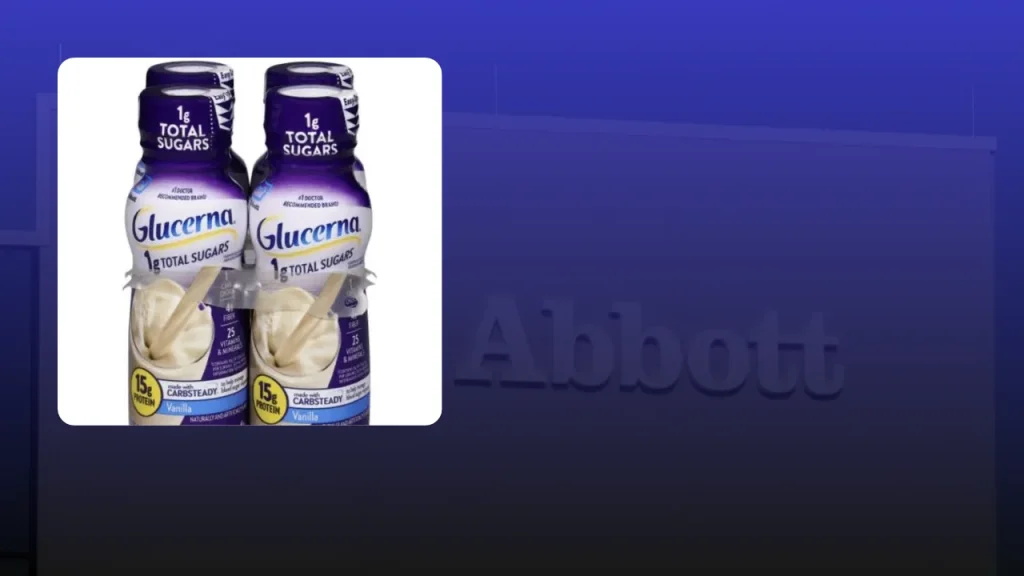
Abbott Laboratories faces a putative class action alleging that its Glucerna “1g Total Sugars” shakes contain more sugar than advertised. The reason, according to the plaintiffs, is that the one-gram figure leaves out allulose, a low-calorie sweetener that federal regulations classify as a sugar.
The lawsuit, Colby et al. v. Abbott Laboratories, was filed November 9, 2026. It targets the Vanilla and Milk Chocolate shakes and proposes separate classes of purchasers in California and Illinois.
This is not a recall, and no settlement, payment amount or claim form exists. No class has been certified, and none of the allegations have been proven.
Last updated: November 24, 2026 | By Israr Ahmad, Legal Content Researcher, AllAboutLawyer.com
This article is general legal information, not legal or medical advice. I am not an attorney.
Glucerna Class Action Lawsuit: Quick Facts
| Case detail | Information |
| Case name | Colby et al. v. Abbott Laboratories |
| Case number | 1:26-cv-13910 |
| Filed | November 9, 2026 |
| Plaintiffs | Sue Colby and Jawa Hodges |
| Defendant | Abbott Laboratories |
| Court | U.S. District Court, Northern District of Illinois, Eastern Division |
| Initially assigned judge | Charles P. Kocoras |
| Products | Glucerna 1g Total Sugars shakes (Vanilla and Milk Chocolate) |
| Ingredient at issue | Allulose |
| Proposed classes | California and Illinois purchasers |
| Alleged amount in controversy | More than $5 million |
| Plaintiffs’ attorney | Kevin Laukaitis, Laukaitis Law LLC |
| Class certified? | No |
| Settlement or claim form? | None |
| Recall? | None identified |
Why Is Abbott Being Sued Over Glucerna Shakes?
According to the original federal complaint, Abbott’s prominent “1g Total Sugars” statement understates the real sugar content because it excludes allulose. The plaintiffs say the claim influenced their purchases and that they overpaid as a result.
The marketing matters because Glucerna is aimed at people managing diabetes and blood sugar. But the lawsuit is about the accuracy of a number on the label. It does not claim the shakes are medically unsafe, and it does not establish that allulose affects blood glucose the way table sugar does.
Which Glucerna Shakes Does the Lawsuit Cover?
| Product | Bottle size | Abbott product number |
| Glucerna 1g Total Sugars Vanilla | 10 fl oz (296 mL) | 69086 |
| Glucerna 1g Total Sugars Milk Chocolate | 10 fl oz (296 mL) | 69088 |
Abbott’s product information lists allulose in both ingredient lists among ingredients present at less than 2%. So Abbott discloses the ingredient. The dispute is whether leaving it out of the advertised sugar number is misleading.
Does the Lawsuit Include Glucerna Original, Hunger Smart or Protein Smart?
Not automatically. The complaint targets the 1g Total Sugars range. Do not assume other Glucerna shakes, powders or therapeutic formulas are covered. Check the exact product name on your packaging.
How Much Sugar Do Glucerna Shakes Allegedly Contain?
Paragraphs 50–53 of the complaint estimate the allulose content:
| Per bottle | Vanilla | Milk Chocolate |
| Advertised total sugars | 1g | 1g |
| Estimated allulose (plaintiffs) | 5g | 3.89g |
| Estimated sugars including allulose | 6g | 4.89g |
The plaintiffs calculated these numbers from the declared carbohydrates and calories. They are allegations based on math, not laboratory results. Label rounding and assumptions about how carbohydrates contribute calories could change the estimates, and Abbott’s public product information does not state an exact allulose amount. Formulation records or independent testing could become important evidence.
What Is Allulose and Why Is It in Glucerna?
Allulose is a simple sugar found naturally in tiny amounts in some foods. Manufacturers use it because it tastes sweet but provides far fewer calories than sugar.
| Characteristic | Allulose | Table sugar |
| Chemical type | Monosaccharide | Disaccharide |
| Calories per gram | About 0.4 under FDA guidance | About 4 |
| Blood glucose response | Generally much smaller | Generally raises blood glucose |
| Federal regulatory classification | Sugar | Sugar |
This gap between what allulose is chemically and how the body handles it sits at the heart of the case. Five grams of allulose does not necessarily act like five grams of table sugar. The legal question is how a manufacturer must communicate that to shoppers.
Does FDA Guidance Let Abbott Leave Allulose Out of Total Sugars?
In October 2020, the FDA issued final guidance on allulose labeling. The agency said it would use enforcement discretion when manufacturers leave allulose out of the total and added sugars lines on the Nutrition Facts panel, and it allows 0.4 calories per gram. But the guidance did not formally change the regulatory definition of sugar.
Nutrition Facts Panel vs. Front-of-Package Claims
The plaintiffs argue that the FDA’s policy on the Nutrition Facts panel does not authorize a misleading numerical claim elsewhere on the package. Under 21 CFR § 101.13(i)(3), statements about the amount of a nutrient cannot be false or misleading. The complaint also cites 21 CFR § 101.9(c)(6)(ii), which defines total sugars, and 21 USC § 343, the federal misbranding provision.
The lawsuit challenges the accuracy of Abbott’s numerical statement. It does not allege that the shakes violate the separate rules for “sugar-free” products. We covered a similar dispute in Magic Spoon Class Action Lawsuits, Allulose, “0g Total Sugars” Claims and the Latest Court Updates.
Why the Seventh Circuit’s Franco v. Chobani Ruling Matters
On July 27, 2026, the Seventh Circuit decided Franco v. Chobani, LLC, No. 25-2087, a case about sugar-free yogurt marketing and allulose. The court found that allulose falls within the federal regulatory definition of sugars, distinguished the FDA’s enforcement policy from a binding amendment to the regulation, and reversed the dismissal on the grounds it considered, letting the case continue. You can read the Seventh Circuit’s decision.
It matters here because the Glucerna case was filed in the same circuit. But the cases differ. Chobani involved sugar-free claims, while Abbott’s case challenges a specific numerical sugar statement. The ruling supports the plaintiffs’ reading of allulose, but it does not decide whether Abbott’s labels are deceptive.
Who Could Qualify for the Glucerna Class Action?
Page 26 of the complaint proposes two state-based classes:
| Proposed class | Who it covers |
| California class | People who bought the challenged shakes in California for personal or household use, not resale |
| Illinois class | People who bought the challenged shakes in Illinois for personal or household use, not resale |
No start dates have been approved. The proposed periods run from the applicable limitations periods through class certification.
Can Glucerna Buyers in Other States Join?
Not under the current complaint, which does not propose a nationwide class. Buyers in Florida, Texas, New York and elsewhere should not assume they qualify. The proposed definitions focus on where the products were bought. The scope could change if the complaint is amended or the court approves different definitions.
Do You Need Diabetes to Qualify?
No. The proposed classes do not require a diabetes diagnosis. The case focuses on financial loss from allegedly misleading labeling.
Do Walmart Shoppers Qualify?
Possibly. Both named plaintiffs say they bought the products at Walmart, in Clovis, California and Chicago, Illinois. But the proposed classes are not limited to Walmart, so purchases at other stores could also fit.
Is Abbott Facing a $5 Million Glucerna Lawsuit?
The complaint invokes the Class Action Fairness Act and alleges the amount in controversy exceeds $5 million. That is a jurisdictional allegation, not a fund. Abbott has not agreed to pay anything, and no individual refund amount has been set. Any recovery would require the plaintiffs to prove liability, win class certification, and obtain a judgment or settlement.
Which Laws Does the Glucerna Complaint Cite?
The complaint asserts five claims:
| Legal claim | Class |
| Unjust enrichment and restitution | California and Illinois |
| California Consumers Legal Remedies Act | California |
| California False Advertising Law | California |
| California Unfair Competition Law | California |
| Illinois Consumer Fraud and Deceptive Business Practices Act | Illinois |
California consumers seek restitution and injunctions. Illinois consumers seek economic damages and potentially punitive damages if legally justified. The case relies on state-law claims and does not try to enforce the Federal Food, Drug, and Cosmetic Act directly.
Are Glucerna Shakes Safe for People With Diabetes?
The lawsuit does not establish that the shakes are unsafe. Abbott describes Glucerna as containing carbohydrates chosen to help limit blood sugar spikes compared with high-glycemic carbohydrates, and the FDA’s allulose guidance recognizes that allulose behaves differently from table sugar. No court has found that the products caused medical harm.
If you use Glucerna under medical supervision, talk to your healthcare provider about any dietary questions. Do not change diabetes medication or stop a recommended nutritional product because of this lawsuit.
Is There a Glucerna Recall in 2026?
No recall tied to these allegations was identified when this article was prepared. A consumer labeling lawsuit is not an FDA safety recall, and nothing here says allulose is banned or that you must discard your shakes. For official alerts, check the FDA recalls database.
Other allulose cases include Yoplait Zero Sugar Lawsuit 2026, General Mills Accused of Misleading Shoppers Over Allulose.
What Should Glucerna Buyers Do Now?
There is no claims process, so there is nothing to file. California and Illinois purchasers can prepare:
- Confirm the product. Check that it is from the Glucerna 1g Total Sugars line.
- Save proof of purchase. Keep receipts, online orders and payment records.
- Photograph the packaging. Capture the label, ingredient list and nutrition panel.
- Note where and when you bought.
- Keep any messages with Abbott or the retailer.
- Watch the docket for class certification or a settlement.
You do not necessarily need a lawyer to take part in a future certified damages class. Anyone who believes they suffered a physical injury should seek medical and legal advice, because this proposed class covers economic loss only.
Be wary of sites advertising a “Glucerna settlement refund.” None exists. Never give out a Social Security number, bank details or medical history to claim a payout.
Who Represents Consumers in the Glucerna Lawsuit?
Kevin Laukaitis of Laukaitis Law LLC represents the plaintiffs. Verify any firm’s current contact details before sharing records or signing an agreement. The same attorney is involved in other allulose cases, including the Costco Allulose Class Action Lawsuit Targets Kirkland Signature Sugar-Free Drink Mix.
Glucerna Class Action Lawsuit Timeline
| Date | Development |
| October 2020 | FDA issues final allulose labeling guidance |
| July 10, 2025 | Hodges alleges buying Glucerna in Chicago |
| July 27, 2026 | Seventh Circuit decides Franco v. Chobani |
| September 11, 2026 | Colby alleges buying Glucerna in Clovis |
| November 9, 2026 | Complaint filed |
| November 24, 2026 | No settlement or class certification confirmed |
The public federal docket shows the filing and judge assignment. Later proceedings may be available through PACER.
Frequently Asked Questions About the Glucerna Class Action Lawsuit
Why is Glucerna being sued in 2026?
Two consumers allege Abbott misstates the sugar content of its 1g Total Sugars shakes by leaving allulose out of the advertised amount.
Does Glucerna contain allulose?
Yes. Abbott’s ingredient lists show allulose in both the Vanilla and Milk Chocolate 1g Total Sugars shakes.
Is there a Glucerna settlement or claim form?
No. No settlement, compensation program or claim form has been confirmed.
Is Glucerna being recalled?
No. This is a labeling lawsuit, not a safety recall.
Can California and Illinois purchasers qualify?
Possibly. The complaint proposes classes for qualifying purchases in those two states, subject to court approval.
Can I join without a receipt?
No proof-of-purchase rules exist yet because there is no claims process. Keep any purchase records you have.
Is allulose illegal in Glucerna?
No. The lawsuit challenges the accuracy of sugar labeling, not whether allulose can be used.
Has Abbott responded to the lawsuit?
No formal defense response appeared in the public records reviewed for this article.
Bottom Line
Colby v. Abbott Laboratories asks whether Abbott can advertise Glucerna shakes as having one gram of total sugars while leaving allulose out of that figure. The Seventh Circuit’s Chobani ruling gives helpful context, but Abbott’s liability, the real allulose content and any recovery remain unresolved. California and Illinois purchasers should keep their records and follow the docket. There is no confirmed settlement, guaranteed payment or claim deadline.
Sources and Court Documents
- Colby et al. v. Abbott Laboratories, Original Complaint
- Colby v. Abbott Laboratories, Federal Docket
- Abbott Nutrition, Glucerna 1g Total Sugars Product Information
- Glucerna, Vanilla Product Page
- Glucerna, Milk Chocolate Product Page
- FDA, Declaration of Allulose and Calories from Allulose
- Seventh Circuit, Franco v. Chobani, LLC
- 21 CFR § 101.9, Nutrition Labeling of Food
- 21 CFR § 101.13, Nutrient Content Claims
Disclaimer: This article provides general legal information and news reporting, not legal or medical advice. Allegations in pending litigation have not been proven. Any compensation depends on the applicable law and later court proceedings.
About the Author
Israr Ahmad is a legal content researcher with 4+ years of experience covering class action settlements and consumer rights cases. He has researched and published coverage of 2,500+ settlements using verified court records, settlement administrator filings, and government sources. Learn more about Israr.