
Georgia Crypto Scam Recovery, Columbia County Victim Gets $151,000 Back After Fake Onchain App Scam
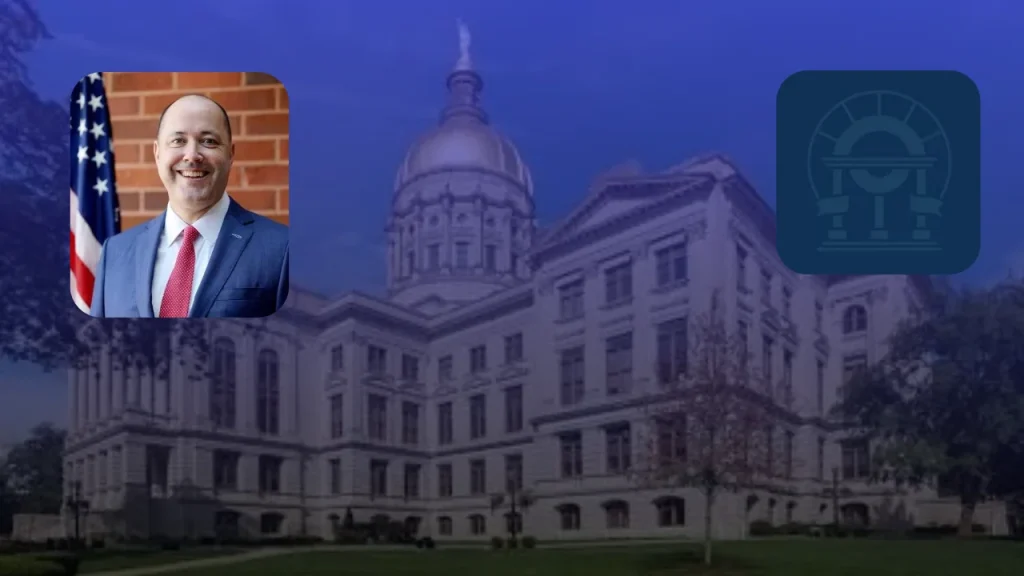
Georgia Attorney General Chris Carr announced on November 23, 2026, that investigators seized and returned about $151,000 in stolen cryptocurrency to a Columbia County woman. A scammer reached her on LinkedIn and pushed her to use a fake trading app presented as the real Onchain app.
If you lost money to a crypto investment scam in Georgia, stop sending money, save every transaction record, and report it right away to your local police or sheriff, the FBI’s IC3 (ic3.gov), the FTC (ReportFraud.ftc.gov) and Operation Shamrock. Speed matters.
This was a recovery for one victim. Georgia has not announced a statewide compensation fund, class action or public claim form tied to this case, and recovery is never guaranteed.
Columbia County $151,000 Crypto Recovery: Key Facts
| Detail | What officials announced |
| Amount returned | Roughly $151,000 |
| Announced | November 23, 2026 |
| Location | Columbia County, Georgia |
| Tracing and seizure | Georgia Bureau of Investigation (GBI), with assistance from the Columbia County Sheriff’s Office |
| Attorney General’s role | White Collar and Cyber Crime Unit verified the trace, assisted with the legal process and returned the crypto to the victim |
| How the victim was reached | |
| Scam method | Fake trading app marketed as the legitimate Onchain app |
| Funds recovered | A portion of the victim’s deposits |
| Total amount originally stolen | Not disclosed |
| Suspect identity | Not publicly disclosed |
| Criminal charges | Not specified in the announcement |
| Statewide claim fund | None announced |
How the Fake Onchain App Scam Worked in Columbia County
According to the Georgia Office of the Attorney General, the scheme followed the investment-scam pattern often called pig butchering, where a scammer builds trust first and steals later.
LinkedIn Contact and a “Crypto Investment” Pitch
The scammer approached the victim through LinkedIn and persuaded her to take part in a crypto investment.
A Download Link Instead of the Official App Store
She was steered to a fraudulent app marketed as the legitimate Onchain app. The scammer sent her a link to download it instead of having her get it from her phone’s app store. That detour is a common red flag.
Deposits Moved and Stolen as She Paid In
The scammer told her to make crypto deposits for her “investments.” As she deposited, the fraudster moved and stole the crypto.
How the GBI and Georgia Attorney General’s Office Recovered the Funds
Per the announcement, the GBI, with help from the Columbia County Sheriff’s Office, traced and seized a portion of the stolen crypto. The Attorney General’s White Collar and Cyber Crime Unit and its Investigations Section verified the trace, assisted with the legal process and returned the funds to the victim.
The announcement did not say how much she originally lost, what share was recovered, or which exchange or account held the seized funds. In the separate Cobb County case, officials said the GBI traced funds to a crypto exchange and a court order was obtained for their return. Officials did not say the same about the Columbia County case, so this article does not assume it.
Georgia’s 2026 Crypto Recovery Timeline: Oconee, Cobb and Columbia County
| Date | Event |
| July 1, 2026 | Governor Brian Kemp signs HB 945, which adds crypto kiosk protections (per the Attorney General’s office) |
| August 17, 2026 | Attorney General Carr announces return of crypto to elderly victims in Oconee County |
| August 25, 2026 | Attorney General Carr announces return of crypto to an investment scam victim in Cobb County |
| November 23, 2026 | Attorney General Carr announces the $151,000 return in Columbia County |
Oconee County Case: Fake Bank Alert and a Crypto Kiosk
Elderly victims were hit with a fake bank-breach alert and a scammer posing as the FTC, then deceived into depositing money at a cryptocurrency kiosk. Investigators tracked the crypto across multiple wallets and seized it, and a court ordered it returned.
Cobb County Case: Fake Trading Platform With Fake Returns
A victim was lured through social media to a fake trading platform that displayed fabricated returns. After depositing hundreds of thousands of dollars, the victim was told the money was gone. The GBI, working with Operation Shamrock, traced a significant portion to a crypto exchange, and a court order allowed its return.
Georgia HB 945: What the Crypto Kiosk Law Does and Does Not Cover
Georgia House Bill 945 added financial-exploitation protections, including rules for virtual currency (crypto ATM) kiosks.
Required Warning on Georgia Crypto Kiosks
Kiosks must display a warning that losses from fraudulent or accidental transactions may not be recoverable and that virtual currency transactions are irreversible.
72-Hour Refund Rule for New Kiosk Customers (O.C.G.A. § 7-1-699.9)
An operator must refund the full amount of transactions made during a customer’s first 72 hours after registering, if the customer was defrauded or deceived into the transaction and contacts both the operator and a government or law enforcement agency within five days of the last transaction in that window. The refund is due within 72 hours of the request. News reports on the law also describe an 18% cap on kiosk fees. Customers registered for more than 72 hours are not covered by this particular refund right.
Does HB 945 Apply to the Columbia County Case?
No facts in the announcement say the victim used a crypto kiosk, so the kiosk refund rule is not part of this case. It matters for Georgians who lost money at a kiosk, and the five-day reporting window is short.
Georgia and Federal Laws Used Against Crypto Investment Fraud
The Attorney General’s announcement did not list criminal charges. In general, crypto investment fraud can implicate laws such as:
- Theft by deception, O.C.G.A. § 16-8-3: obtaining property through deceit, including false impressions about an investment.
- Computer theft, O.C.G.A. § 16-9-93 (Georgia Computer Systems Protection Act, § 16-9-90 et seq.): computer-based schemes to take money or property.
- Georgia RICO Act, O.C.G.A. § 16-14-1 et seq.: coordinated criminal enterprises.
- Federal wire fraud, 18 U.S.C. § 1343: schemes using interstate electronic communications.
Which laws apply depends on the facts and on what prosecutors actually charge.
What Georgia Victims Should Do After a Crypto Investment Scam
Acting fast gives investigators the best chance of tracing funds before they move. If the scam also exposed your personal or financial information, the steps in What Happens If I’m a Victim of Identity Theft? cover fraud alerts, credit freezes and the FTC identity theft report.
Records to Collect Before You Report
- Transaction hashes (TXIDs) for every transfer you sent.
- Wallet addresses, both yours and every destination address the scammer gave you.
- Exchange, bank, card and kiosk receipts showing dates and amounts.
- Fake app or site details: the name, download link, any app-store page, URLs and screenshots of fake balances.
- Messages: screenshots or exports from LinkedIn, WhatsApp, Telegram, text or email, including usernames and phone numbers.
Do not send more money, even for “taxes,” “unlock fees” or “withdrawal fees.” Those are typical follow-on scams.
Where to Report Cryptocurrency Fraud in Georgia
The Attorney General’s office tells victims who sent crypto to report with as much detail as possible to these places:
| Where | Why it matters |
| Local police or county sheriff | Opens an official case and a case number that investigators can work from |
| FBI Internet Crime Complaint Center (ic3.gov) | Puts wallet addresses and transaction details in front of federal investigators |
| FTC (ReportFraud.ftc.gov) | Documents the fraud and helps track scam patterns |
| Operation Shamrock (operationshamrock.org) | Nonprofit resource for crypto scam victims that worked with the GBI on the Cobb County case |
If you used an exchange or kiosk, notify that company right away and ask about its fraud and refund process.
Crypto Recovery Scams Aimed at Georgia Victims
Victims are often targeted a second time by people who claim they can “hack back” or guarantee recovery of stolen crypto for an upfront fee. The FTC warns that only scammers demand payment in cryptocurrency, guarantee profits, or ask you to move money to “protect” it. Verify any recovery service independently before paying anyone.
How to Spot a Fake Crypto Trading App Like the Onchain Impersonation
- A stranger or new online contact pushes you toward crypto investing.
- You get a direct download link instead of being told to use an official app store.
- The app shows big gains, but you cannot withdraw freely or you are asked for more money first.
- Someone guarantees profits or pressures you to act fast.
- Friendship or romance is mixed with investment advice.
FAQ: Georgia Crypto Scam Recovery and the Columbia County Case
Is there a Georgia fund where crypto scam victims can apply for payouts?
No. The $151,000 went back to one victim through a specific investigation. No statewide fund or claim form has been announced. For a different kind of Attorney General recovery that does run through a restitution fund, see Alpha Dental Restitution 2026, Pennsylvania Patients Begin Receiving Refunds Over Medicare Dental Coverage Claims.
Who traced and seized the Columbia County crypto?
The GBI, with assistance from the Columbia County Sheriff’s Office. The Attorney General’s White Collar and Cyber Crime Unit verified the trace, assisted with the legal process and returned the crypto.
Was the real Onchain app involved in the Columbia County scam?
Officials said the victim received a fraudulent app marketed as the legitimate Onchain app. The announcement describes an impersonation.
Can Georgia crypto scam victims get their money back?
Sometimes, but not always. It depends on how fast you report and whether investigators can trace funds to an account they can reach. The Georgia recoveries announced so far returned a portion of the stolen amounts.
Does Georgia HB 945 cover my crypto loss?
Only if you used a Georgia crypto kiosk, were a new customer (registered 72 hours or less), were deceived into the transaction, and reported to the operator and a government or law enforcement agency within five days. Check the current statute text or ask an attorney.
What should I do first after realizing a crypto app is fake?
Stop sending money, preserve every transaction hash, wallet address and screenshot, and report to local law enforcement and IC3.gov.
Official Sources and Legal References
- Georgia Office of the Attorney General, “Carr: New Crypto Theft Case Results in $151k Returned to Columbia County Victim” (November 23-24, 2026): law.georgia.gov/press-releases
- Georgia Office of the Attorney General, Cobb County release (August 25, 2026): law.georgia.gov/press-releases/2026-08-25/carr-returns-stolen-crypto-investment-fraud-victim-cobb-county
- Georgia Office of the Attorney General, Oconee County release (August 17, 2026): law.georgia.gov/press-releases/2026-08-17/carr-announces-seizure-and-return-cryptocurrency-elderly-fraud-victims
- Georgia General Assembly, HB 945 (2026): legis.ga.gov/legislation/72143
- Georgia Department of Banking and Finance, proposed Rule 80-3-1-.07, which references O.C.G.A. § 7-1-699.9: dbf.georgia.gov
- FTC, “What to Know About Cryptocurrency Scams”: consumer.ftc.gov
Researched and written by Israr Ahmad, legal content researcher and founder of AllAboutLawyer.com. All facts verified against the Georgia Office of the Attorney General’s November 2026 announcement and its August 2026 Cobb County and Oconee County releases, Georgia HB 945 and Department of Banking and Finance rulemaking, and FTC guidance, as of November 24, 2026. Last Updated: November 24, 2026.
This article is for informational purposes only and does not constitute legal advice. Laws vary by state and individual circumstances differ. For advice about your specific situation, consult a qualified attorney.
About the Author
Israr Ahmad is a legal content researcher with 4+ years of experience covering class action settlements and consumer rights cases. He has researched and published coverage of 2,500+ settlements using verified court records, settlement administrator filings, and government sources. Learn more about Israr.