
Brident Dental Text Message Lawsuit, Can Patients Receive Compensation for Unwanted Dental Marketing Texts?
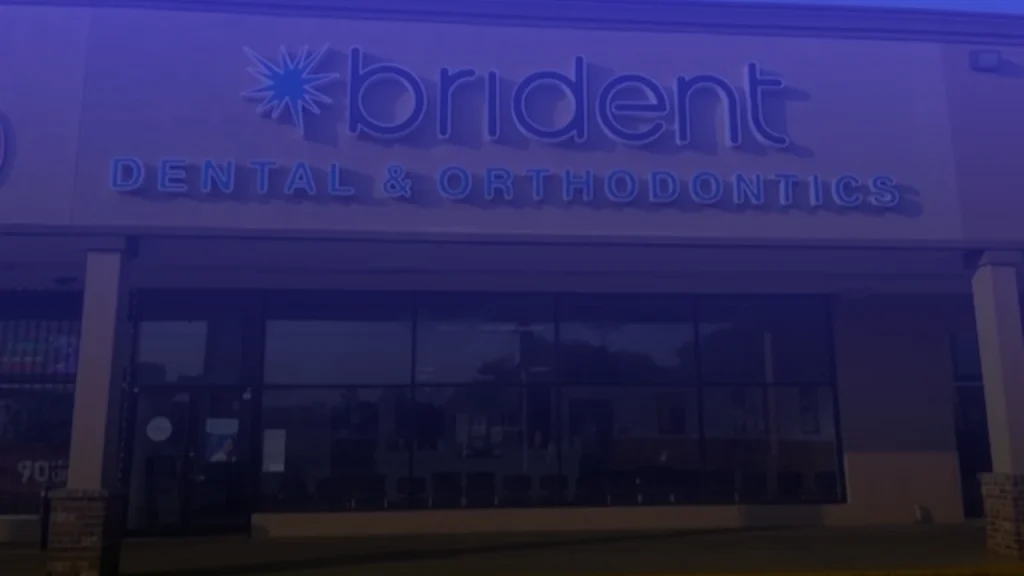
Brident Dental is facing a new federal putative class action alleging it sent unsolicited dental marketing text messages to consumers whose phone numbers were on the National Do Not Call Registry. Monique Gonzalez Ramirez, a Bexar County, Texas resident, filed Gonzalez Ramirez v. Brident, Inc. on November 19, 2026, in the U.S. District Court for the Western District of Texas (San Antonio Division).
The complaint alleges violations of the Telephone Consumer Protection Act (TCPA) and Texas telemarketing laws, and includes screenshots of texts claiming Medicaid had assigned Brident as the recipient’s family dentist. The plaintiff seeks statutory damages, including $500 per qualifying federal violation and up to $1,500 for knowing or willful violations.
There is currently no Brident Dental text message settlement, certified class, official settlement website, claim form, or guaranteed compensation. The allegations are unproven, and Brident has not been found liable.
Brident Dental Text Message Lawsuit: Quick Facts
| Case details | Information |
| Case name | Gonzalez Ramirez v. Brident, Inc. |
| Case number | 5:26-cv-07266 |
| Court | U.S. District Court, Western District of Texas (San Antonio Division) |
| Filed | November 19, 2026 |
| Plaintiff | Monique Gonzalez Ramirez (Bexar County, Texas) |
| Defendant | Brident, Inc. (principal location: Fort Worth, Texas) |
| Plaintiff’s attorney | Christopher Berman |
| Complaint length | 17 pages |
| Alleged text dates | April 24, 27, and 28, 2026, among others |
| Number registered on National Do Not Call Registry | September 26, 2024 (per complaint) |
| Claims | Three claims under federal and Texas telemarketing law |
| Proposed classes | Three separate consumer classes (not certified) |
| Damages sought | Statutory damages ($500 per violation, up to $1,500 if willful or knowing) plus related relief |
| Official settlement website | None exists |
| Claim form | None exists |
| Settlement amount | None announced |
| Claim deadline | None established |
| Current status | Newly filed putative class action; no ruling on liability |
Beware of scams: No official Brident text settlement website or claim form exists. Do not enter personal or financial information on any site claiming to offer a Brident payout.
What Does the Brident Dental Lawsuit Allege?
The April 2026 Marketing Texts
According to the complaint, the plaintiff received unsolicited dental marketing texts on April 24, April 27, and April 28, 2026. Screenshots on pages 6–7 reportedly show messages stating that Medicaid had assigned Brident as the recipient’s family dentist and encouraging her to schedule an appointment.
Do Not Call Registry and Consent Allegations
The plaintiff alleges she registered her number on the National Do Not Call Registry on September 26, 2024, had no established business relationship with Brident, and never gave prior express written consent to receive marketing texts.
Texas Telephone Seller Registration Allegation
Plaintiff’s attorneys allege that a November 16, 2026 search of Texas Secretary of State records found no required telemarketing registration for Brident, and that no exemption applies.
Status of the Allegations
Brident had not filed a response on the merits when this article was prepared. None of these allegations has been tested or proven in court. Details above are drawn from the 17-page complaint and should be read as the plaintiff’s claims, not established facts.
Were These Healthcare Notices or Marketing Texts?
The Medicaid wording at the center of the complaint raises the key legal question: were the messages legitimate healthcare notifications, or commercial solicitations meant to attract new dental patients? Courts generally separate the two:
| Message type | Examples | Typical legal treatment |
| Transactional or care messages | Confirming an existing appointment, post-visit care instructions tied to an active patient relationship | Generally treated as informational, if the message stays focused on existing care and contains no advertising |
| Promotional or marketing messages | Discounts, new-patient offers, whitening or orthodontic specials, urging non-patients to book services | Subject to consent, Do Not Call, and opt-out rules |
A message sent to someone with no existing patient relationship that urges them to schedule an appointment is the type of content plaintiffs argue is marketing. Brident will likely contest that characterization.
Which Laws Govern Marketing Text Messages?
Federal Law: TCPA and the National Do Not Call Rules
Under 47 U.S.C. § 227(c) and the FCC’s rules at 47 C.F.R. § 64.1200(c)–(d), telemarketing messages to numbers on the National Do Not Call Registry are restricted unless the sender has the recipient’s prior express written consent, an established business relationship, or another exemption. Businesses must also keep internal do-not-call procedures and honor opt-out requests.
Section 227(c)(5) allows a private lawsuit by a person who receives more than one qualifying call within 12 months. Courts may award actual damages or up to $500 per violation, and may increase the award up to three times (to $1,500) if the violation was willful or knowing. The plaintiff alleges at least three texts within five days.
Texas Law: Chapters 302, 304, and 305 and SB 140
Texas Senate Bill 140 took effect September 1, 2025. It amended the Texas Business and Commerce Code so that:
- Chapter 302 (telephone solicitation registration) now defines “telephone solicitation” to include text and graphic messages and image transmissions, bringing text marketers within the registration requirement.
- Chapters 302, 304, and 305 can be enforced through the Texas Deceptive Trade Practices-Consumer Protection Act (DTPA, Chapter 17, Subchapter E), giving consumers a private right of action.
- Prior successful claims do not limit recovery for later, separate violations.
SB 140 applies to conduct on or after September 1, 2025. The alleged Brident texts are dated April 2026, after that effective date.
Why SB 140 matters: Before it, a 2022 federal ruling (Powers v. One Technologies) held that a company sending only texts was not a telemarketer under Chapter 302, because the chapter did not cover texts. SB 140 was written to close that gap.
Could You Receive $500 or $1,500 Per Text?
Those figures are the federal statutory damages ceilings plaintiffs can seek under § 227(c)(5). They are not payments anyone is owed. The court must first decide whether texts qualify under the Do Not Call provision, whether the plaintiff and class members were covered, whether consent or an established business relationship existed, and whether any violation was willful. Federal courts have reached differing conclusions on parts of these questions, and Brident can raise defenses including consent records and arbitration agreements.
Even if a class is certified and the case settles, per-person payments in class settlements are typically far below statutory maximums.
Who May Be Included in the Proposed Classes?
The complaint reportedly proposes three consumer classes. Class definitions are not final, and the court may change or reject them. You may have a relevant experience if you:
- Received marketing texts from or on behalf of Brident
- Had your number on the National Do Not Call Registry for at least 31 days before receiving them
- Never signed up for or consented to Brident marketing messages
- Had no existing patient relationship with Brident
These are indicators, not court-approved eligibility requirements. Receiving a text alone does not entitle you to compensation.
Why There Is No Claim Form Yet
The case is at its earliest stage. Brident must be served and given time to respond, often through a motion to dismiss or a motion to compel arbitration. No class has been certified, no liability has been found, and no settlement has been announced. A claim form appears only after a settlement is reached and the court grants preliminary approval.
New FCC Opt-Out Rules Taking Effect November 25, 2026
The FCC adopted amendments to its TCPA consent-revocation rules (47 C.F.R. § 64.1200(a)(10)), published October 26, 2026 and effective November 25, 2026. They narrow the earlier “revoke all” requirement, so a revocation aimed at one category of informational messages may be applied only to that category, and allow callers to designate exclusive methods for revoking consent in certain circumstances.
These rules govern consent revocation. They do not change the National Do Not Call Registry protections at issue in the Brident complaint.
What to Do If You Receive Unwanted Dental or Marketing Texts
- Save evidence. Screenshot the sender number, full message, date and time, and any texts that continue after you opt out.
- Reply STOP to a clear opt-out request. Avoid clicking links in texts from unknown senders.
- Register your number for free at the National Do Not Call Registry (donotcall.gov) and keep the registration date.
- Check your paperwork. Businesses often point to online forms or patient intake documents as consent. Some also rely on arbitration agreements or class-action waivers signed at visits.
- File complaints. You can report unwanted texts to the FTC (donotcall.gov), the FCC, and the Texas Attorney General.
- Consider legal advice if you received repeated texts after opting out or registering.
Frequently Asked Questions
Is there a Brident Dental text message settlement or claim form?
No. Gonzalez Ramirez v. Brident, Inc. is newly filed. No class is certified, no settlement exists, and there is no official website or claim form.
Can I join the Brident Dental class action?
Potentially, if you fit a class definition the court ultimately approves. No class has been certified, and you do not need to take action now.
Is this a data breach?
No. The complaint concerns alleged unsolicited marketing texts and alleged failure to register as a Texas telephone seller, not a leak of patient records.
Are dentist appointment reminders illegal if I’m on the Do Not Call Registry?
Purely informational reminders tied to an existing appointment or patient relationship are generally treated differently from marketing. Promotional texts sent without required consent can trigger legal claims.
Can I sue a dentist for spam texts?
Federal and Texas law provide private remedies for qualifying violations, but outcomes depend on consent, business relationship, the number of messages, and defenses such as arbitration. Consult a qualified attorney about your situation.
Does Texas SB 140 apply to this case?
SB 140 took effect September 1, 2025, and the alleged texts are from April 2026. It expressly covers text messages under Texas’s telephone solicitation law.
Bottom Line
Gonzalez Ramirez v. Brident, Inc. tests how federal Do Not Call rules and Texas’s post-SB 140 text-solicitation law apply to dental marketing messages, including texts referencing Medicaid. The plaintiff’s claims remain allegations. No settlement, certified class, or claim form exists, and anyone offering one is not official.
Sources and Legal References
- Gonzalez Ramirez v. Brident, Inc., No. 5:26-cv-07266 (W.D. Tex. filed Nov. 19, 2026), Complaint (ECF No. 1)
- 47 U.S.C. § 227
- 47 C.F.R. § 64.1200
- Texas S.B. 140 (89th Legislature), enrolled text
- Texas S.B. 140 Bill Analysis
- Kelley Drye, Private Right of Action Exposure Increase: Texas Expands Damages for Telemarketing Violations
- Paul Hastings, Marketing Texts in Texas: SB 140 Broadens State Telemarketing Regulations
- FCC Consumer and Governmental Affairs Bureau, DA 26-12 (revoke-all waiver order)
- National Law Review, FCC Adopts Overhaul of TCPA Consent Revocation Rules
- National Do Not Call Registry
Legal disclaimer: AllAboutLawyer.com is an independent legal information website, not a law firm. This article provides general legal information and is not legal advice. Allegations in pending litigation are not established findings of wrongdoing.
About the Author
Israr Ahmad is a legal content researcher with 4+ years of experience covering class action settlements and consumer rights cases. He has researched and published coverage of 2,500+ settlements using verified court records, settlement administrator filings, and government sources. Learn more about Israr.