
Fontainebleau Miami Beach Condo Lawsuit, Are New Rental Rules Illegal?
The Fontainebleau Hotel in Miami Beach is facing a lawsuit from condo owners in its Tresor and Sorrento towers who claim new rules governing unit rentals have the potential to financially ruin them. This is not a class action. Six individual unit owners filed the lawsuit in Miami-Dade Circuit Court. No settlement exists. This article explains what the dispute is about, what the new rules require, and where the case stands right now.
Quick Facts
| Field | Detail |
| Lawsuit Type | Civil — Breach of Contract / Injunctive Relief |
| Plaintiffs | Six Condo-Hotel Unit Owners (Tresor & Sorrento Towers) |
| Defendant | Fontainebleau Miami Beach and Two Affiliates |
| Court | Miami-Dade Circuit Court |
| Complaint Filed | March 27, 2026 |
| Settlement | None — Active Litigation |
| Relief Sought | Court injunction to block new rules from taking effect |
| Rules Effective Date | April 15, 2026 |
| Fontainebleau Response | Filed motion to dismiss a related January lawsuit (March 30, 2026) |
Current Status
- The owners filed their complaint on March 27, 2026, and sought a court injunction to stop the new rules from taking effect on April 15, 2026.
- In a March 30 motion to dismiss a related January lawsuit, Fontainebleau Miami Beach argued the owners do not have a legal right to enforce the 2012 agreements.
- Fontainebleau Development declined to comment on the pending litigation. No ruling has been issued.
What Is the Fontainebleau Condo Lawsuit About?
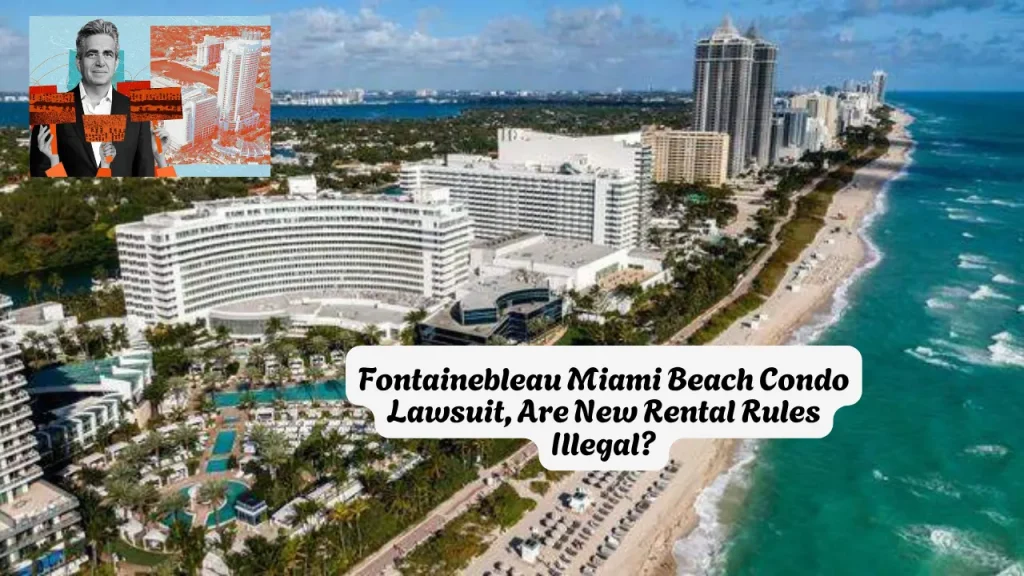
The Fontainebleau Miami Beach hotel sits at 4441 Collins Avenue and is owned by billionaire Jeffrey Soffer’s Aventura-based Fontainebleau Development. The property also includes the Tresor and Sorrento towers — two highrises at 4401 and 4391 Collins Avenue with a combined 748 condo-hotel units, completed in 2005 and 2008.
These condo-hotel units are privately owned, but the Fontainebleau operates an internal rental program for the building. About 674 unit owners are enrolled in the resort’s rental program, which gives Fontainebleau Miami Beach the exclusive right to lease the units. The six owners who filed this lawsuit chose to opt out of that program and manage their own rentals independently.
A 2012 agreement reportedly permits unit owners to opt out of the rental program “without interference, restriction, limitation, fee or cost imposed by the hotel.” The owners say the new rules Fontainebleau is now rolling out violate that agreement directly.
What Do the New Rules Actually Require?
The hotel introduced a series of new operational requirements that the lawsuit says specifically burden owners who are not part of its in-house rental program.
The new rules require non-program owners to be physically present — or use an approved agent — for every guest check-in. The hotel also added a $75 check-in fee, sharply raised housekeeping costs, restricted vendor access, limited valet access, and barred non-program owners from advertising any affiliation with the Fontainebleau name without prior approval.
The owners say the rules make independent operation essentially impossible. “The rule change made it almost impossible for our unit owners to operate and to make money on their units,” said Steve Davis, a partner with Miami-based Haber Law representing the plaintiffs.
Attorney David Haber, also representing the owners, said: “Our clients are facing the potential of economic disaster.”
What Does the Hotel’s Rental Program Cost?
For context, the owners who filed this lawsuit opted out of the hotel’s in-house rental program precisely because of its cost structure. The hotel’s internal rental program requires participating owners to share 55% of gross revenue, plus $180 per day and taxes.
The owners argue they have a legal right under the 2012 agreement to rent their units independently without the hotel penalizing them for doing so. The new rules, they say, are designed to pressure them back into the program by making independent operation too costly and logistically difficult to maintain.
What Process Did the Hotel Skip?
The owners also challenge how Fontainebleau introduced the new rules — not just what the rules say. They argue the hotel owner was required to obtain association-board approval and a unit-owner vote before changing services or privileges, and that Fontainebleau did not follow that process.
The lawsuit also names the condo associations for both the Tresor and Sorrento towers and demands they join the complaint.
How Does This Connect to the Brokerage Lawsuit?
This is not the first legal fight over how Tresor and Sorrento units get rented. There is a parallel dispute between Fontainebleau and three property management brokerages.
Fontainebleau Miami Beach sued Benichay Brothers Group, M.A.K. Realty Group, and Hillcrest Property Services in Miami-Dade Circuit Court, alleging the brokerages were stealing business from Fontainebleau’s condo-hotel rental program by booking guests on Airbnb, VRBO, and other online short-term rental sites for stays in their clients’ condo-hotel units.
Benichay, M.A.K., and Hillcrest collectively represent about 100 unit owners. The lawsuit against the brokerages alleges tortious interference — meaning they intentionally interfered with the hotel’s business relationships. That case is separate from the owners’ March 2026 lawsuit but involves the same towers and the same underlying tension over who controls rental activity at the property.
Who Are the Plaintiffs?
The six unit owners who filed the March 27, 2026 complaint are Tatiana Rybak, Alexander and Tatiana Dvorsky, Mustafa Hakim, Solaria Investments, and E&F Management. They own suites and junior suites in the Tresor and Sorrento towers and rent them out independently for income.
Important Dates
| Milestone | Date |
| Tresor Tower Completed | 2005 |
| Sorrento Tower Completed | 2008 |
| 2012 Opt-Out Agreement Signed | 2012 |
| Fontainebleau Sues Brokerages | March 21, 2025 |
| Owners File Related January Lawsuit | January 2026 |
| Fontainebleau Motion to Dismiss January Lawsuit | March 30, 2026 |
| Owners File March 27 Complaint | March 27, 2026 |
| New Hotel Rules Effective Date | April 15, 2026 |
| Court Ruling on Injunction | TBD |
Frequently Asked Questions
What is the Fontainebleau condo lawsuit about?
Six condo-hotel unit owners at Fontainebleau Miami Beach’s Tresor and Sorrento towers sued the resort in March 2026, alleging that new rental rules violate a 2012 agreement that gave them the right to rent their units independently without fees or restrictions.
What is a condo-hotel unit?
A condo-hotel unit is a privately owned condominium located inside a hotel property. The owner holds the title to the unit but the hotel typically manages building services. Owners can often rent their units to guests, either through the hotel’s own rental program or independently.
Can the hotel legally force owners into its rental program?
That is exactly what this lawsuit asks a court to decide. The owners say a 2012 agreement protects their right to opt out without any penalties. Fontainebleau says the owners do not have a legal right to enforce that agreement.
Is there any money available for unit owners to claim right now?
No. This is active litigation with no settlement, no claims process, and no payout. The owners are asking a court to block the new rules — not to distribute money.
Do I need a lawyer if I own a condo-hotel unit at Fontainebleau?
If you own a unit in the Tresor or Sorrento towers and the new rules affect your rental income, consult a real estate attorney familiar with Florida condo-hotel law. This article is informational only and does not constitute legal advice.
What happens if the court grants the injunction?
If the court agrees with the owners, Fontainebleau would be temporarily or permanently barred from enforcing the new rules — including the $75 check-in fee, the physical presence requirement, and the housekeeping cost increases — against non-program owners.
Is this the same as the Fontainebleau Las Vegas lawsuit?
No. This lawsuit involves the Fontainebleau Miami Beach property only. The Fontainebleau Las Vegas is a separate hotel with no connection to this dispute.
Last Updated: April 12, 2026
Disclaimer: This article is for informational purposes only and does not constitute legal advice. Legal claims and outcomes depend on specific facts and applicable law. For advice regarding a particular situation, consult a qualified attorney.
About the Author

Sarah Klein, JD, is a licensed attorney and legal content strategist with over 12 years of experience across civil, criminal, family, and regulatory law. At All About Lawyer, she covers a wide range of legal topics — from high-profile lawsuits and courtroom stories to state traffic laws and everyday legal questions — all with a focus on accuracy, clarity, and public understanding.
Her writing blends real legal insight with plain-English explanations, helping readers stay informed and legally aware.
Read more about Sarah