
CHI Health-Missouri Valley Lawsuit, Daughters Say Hospital Harvested Their Father’s Organs Without Their Permission
Prepared by the AllAboutLawyer.com Editorial Team and reviewed for factual accuracy against the federal court complaint and verified reporting from Iowa Capital Dispatch, KCRG, and 3 News Now on May 11, 2026. Last Updated: May 11, 2026
CHI Health-Missouri Valley, a hospital in Missouri Valley, Iowa, is facing a federal lawsuit after the family of a deceased patient alleges hospital staff removed his organs, skin tissue, and eyes without ever contacting the people who had legal authority to make that decision. The plaintiffs are Christina Gubbels of McLean, Nebraska, and Daun Stoddard of Norfolk, Nebraska — the biological daughters of the late Martin Gillespie of Missouri Valley. The case is in its earliest stage. No settlement exists and no claim form has been released.
CHI Health-Missouri Valley Organ Harvesting Lawsuit: Quick Facts
| Field | Detail |
| Lawsuit Filed | May 2026 |
| Defendants | CHI Health-Missouri Valley (Alegent Health-Community Memorial Hospital of Missouri Valley); Iowa Donor Network |
| Plaintiffs | Christina Gubbels (McLean, Nebraska); Daun Stoddard (Norfolk, Nebraska) |
| Deceased | Martin Kent Gillespie, 69, of Missouri Valley, Iowa |
| Alleged Violations | Medical malpractice; fraud; negligent infliction of emotional distress |
| Damages Sought | More than $75,000 |
| Court & Jurisdiction | U.S. District Court — jurisdiction TBD pending docket confirmation |
| Current Court Stage | Filed — early litigation, no response from defendants yet |
| Next Hearing Date | TBD — not yet scheduled |
| Official Case Website | TBD — none established |
| Last Updated | May 11, 2026 |
What the Lawsuit Against CHI Health-Missouri Valley Claims — Gubbels & Stoddard v. CHI Health-Missouri Valley
Martin Kent Gillespie was 69 years old — a Missouri Valley, Iowa, resident, a proud U.S. Air Force veteran, a truck driver, and a man his family remembered for his great sense of humor. He was a father, a grandfather of eight, and a man who enjoyed fishing, making art, and listening to the Beatles.
In the early hours of April 1, 2026, Gillespie arrived by ambulance at CHI Health-Missouri Valley and was pronounced dead. According to the lawsuit, Gillespie had never authorized anatomical gifts of his body in any manner. He was not a registered organ donor.
At 4:50 a.m. that morning, the hospital made what it characterized as a routine referral to the Iowa Donor Network. Within hours, the network had collected Gillespie’s organs, skin tissue, and eyes. His daughters say they were never contacted before any of that happened.
The central legal question in this case involves a procedural failure the family says violated Iowa law and caused them profound, irreversible harm. Under Iowa’s Uniform Anatomical Gift Act — the state law governing organ donation decisions — biological children of a deceased patient take legal priority over other relatives when no donor authorization exists. The hospital allegedly bypassed that hierarchy entirely.
This case sits in the same space as the broader national conversation about organ procurement oversight. In July 2025, the U.S. Department of Health and Human Services announced a major initiative to reform the organ transplant system after an investigation revealed disturbing practices by a major organ procurement organization, with Secretary Kennedy stating that hospitals had allowed the organ procurement process to begin when patients showed signs of life.
Why the Daughters Say the Hospital Bypassed Them
According to the plaintiffs, the hospital had access to information showing Gillespie had biological children. Despite that, staff determined his aunt, Karen Holst, was the next of kin with legal authority to make organ-donation decisions on his behalf.
That determination, the lawsuit argues, was legally wrong. Under Iowa law, a biological child of the deceased holds higher priority than an aunt in the next-of-kin hierarchy for organ donation decisions. Holst had no legal standing to authorize the donation over the daughters’ rights — and the daughters were never asked.
Related article: Musk v. Altman Trial Reveals the Email Where Gabe Newell Connected Hideo Kojima, SpaceX, and OpenAI, All in One Night
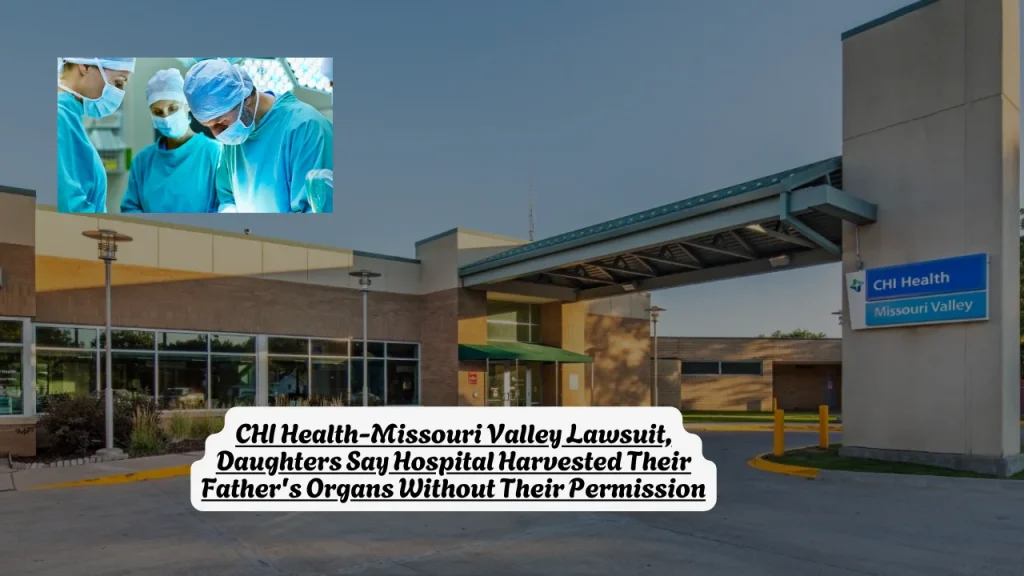
The lawsuit seeks more than $75,000 in damages for alleged malpractice, fraud, and negligent infliction of emotional distress. CHI Health-Missouri Valley officials did not respond to media requests for comment when the lawsuit became public. Iowa Donor Network has not issued a public statement.
Cases like this one — where a hospital’s failure to follow proper next-of-kin procedures causes irreparable harm to a family — fall into the category of cases where a medical malpractice attorney or wrongful death lawyer can help families understand their rights and options. For a sense of how courts evaluate hospital duty-of-care failures in similar circumstances, the Ethan Cantrell lawsuit against Good Samaritan Regional Medical Center in Oregon illustrates the legal standard hospitals are held to when their procedures fail a patient and family.
Are You Directly Affected by the CHI Health-Missouri Valley Lawsuit?
This is not a class action. It is a wrongful act lawsuit filed by two specific plaintiffs on behalf of their father’s estate and their own emotional harm. You cannot join this case or file a claim.
However, this case may matter to you if:
- You are a family member of a patient who died at CHI Health-Missouri Valley and believe organ donation decisions were made without your knowledge or legal authorization
- You are a next of kin of a deceased patient at any Iowa hospital where you were not contacted before an organ procurement referral was made
- You were bypassed as a higher-priority next of kin under Iowa’s Uniform Anatomical Gift Act when an organ donation decision was made for a family member
If any of those situations describe you, you may have independent legal options. Speak with a consumer rights lawyer or medical malpractice attorney. Most offer a free legal consultation, and wrongful act cases of this nature are typically handled on contingency — no upfront fees.
What the Gillespie Family Is Asking the Court to Award
The daughters are seeking more than $75,000 in federal court — the threshold required to file a diversity jurisdiction case in U.S. District Court. Their legal claims cover three distinct areas:
- Medical malpractice — the hospital failed to follow the legally required next-of-kin protocol before initiating organ procurement, breaching its duty of care to the patient and his family
- Fraud — the lawsuit alleges the hospital misrepresented who held legal authority to authorize the donation
- Negligent infliction of emotional distress — the daughters suffered serious psychological harm as a result of learning their father’s body was harvested without their knowledge or consent, and without any opportunity to intervene
The case also names the Iowa Donor Network as a defendant — placing legal accountability not just on the hospital that made the referral, but on the procurement organization that acted on it.
CHI Health-Missouri Valley Lawsuit Timeline
| Milestone | Date |
| Martin Gillespie arrives at CHI Health-Missouri Valley by ambulance and is pronounced dead | April 1, 2026 — early morning |
| Hospital makes routine referral to Iowa Donor Network | April 1, 2026 — 4:50 a.m. |
| Iowa Donor Network collects Gillespie’s organs, skin tissue, and eyes | April 1, 2026 — within hours of referral |
| Martin Gillespie’s obituary published; daughters listed as survivors | April 6, 2026 |
| Lawsuit filed in U.S. District Court by Christina Gubbels and Daun Stoddard | May 2026 |
| CHI Health-Missouri Valley response to complaint | TBD — not yet filed |
| First court date | TBD — not yet scheduled |
| Expected resolution | TBD — case is in its earliest stage |
Frequently Asked Questions
Is there a lawsuit against CHI Health-Missouri Valley over organ harvesting?
Yes. Christina Gubbels and Daun Stoddard, the biological daughters of Martin Gillespie, filed a federal lawsuit alleging the hospital harvested their father’s organs, skin tissue, and eyes without their authorization, despite the fact that they held legal priority over his aunt under Iowa law.
Do I need to do anything to join this lawsuit?
No — and you cannot. This is not a class action. It is a private lawsuit filed by two specific family members. Ordinary members of the public cannot join or file a claim in this case.
Did Martin Gillespie register as an organ donor?
No. The lawsuit specifically alleges that Gillespie had never authorized anatomical gifts of his body in any manner. The donation proceeded without his prior consent or his daughters’ authorization.
Why did the hospital contact the aunt instead of the daughters? According to the lawsuit, hospital staff determined that Gillespie’s aunt, Karen Holst, was the next of kin with legal authority to make organ donation decisions — even though the hospital had access to information showing Gillespie had biological children. The daughters allege this determination violated Iowa’s next-of-kin priority law.
When will this case settle?
TBD — the case was filed in May 2026 and is brand new. No response from the defendants has been filed yet. Cases of this nature typically take one to three years to reach a resolution through settlement or trial.
What should I do if something similar happened to my family at a different hospital?
You do not need to file anything related to this case. If you believe a hospital made organ donation decisions for a family member without contacting you as the legally authorized next of kin, speak with a medical malpractice attorney about your options. Iowa’s statute of limitations for medical malpractice is generally two years from the date of the injury or discovery.
Sources & References
- Iowa Capital Dispatch — Iowa Hospital Accused of Harvesting Patient’s Organs Without Authorization (May 7, 2026): iowacapitaldispatch.com
Disclaimer: This article is for informational purposes only and does not constitute legal advice. Legal claims and outcomes depend on specific facts and applicable law. For advice regarding a particular situation, consult a qualified attorney.
About the Author
Israr Ahmad is a legal content researcher with 4+ years of experience covering class action settlements and consumer rights cases. He has researched and published coverage of 2,500+ settlements using verified court records, settlement administrator filings, and government sources. Learn more about Israr.