
Berkey Water Filter Lawsuit Update 2026, Appeals Court Upholds EPA Stop-Sale Orders
This article covers three separate legal disputes involving Berkey water filters. The September 2026 ruling concerns interim relief and is not a final judgment on every claim in the underlying case.
- Did Berkey win in court? No. On September 18, 2026, the First Circuit affirmed the denial of Berkey International’s request to block EPA enforcement.
- Are the EPA stop-sale orders still in effect? Yes, unless the EPA revokes or changes them or a court blocks them.
- Do I have to stop using my Berkey? No. The orders restrict sales and distribution of covered products. They do not require owners to stop using or discard systems they already have.
- Is there a settlement or claim form? No. No public settlement, refund program or claim form has been verified for any Berkey case.
- Did the court find Berkey filters unsafe or ineffective? No. The dispute is about regulatory classification under federal pesticide law.
Berkey Water Filter Lawsuit: Quick Facts
| Detail | Latest verified information |
| Main regulatory case | Berkey International, LLC v. Environmental Protection Agency |
| First Circuit case number | 24-1917 |
| Underlying district court | U.S. District Court, District of Puerto Rico |
| District court case number | 3:24-cv-01106-CVR |
| Appeals court decision | September 18, 2026 |
| Appellate outcome | Denial of preliminary injunction affirmed |
| Main defendant (regulatory case) | U.S. Environmental Protection Agency |
| Earlier challenge to EPA orders | Shepherd v. Regan, No. 4:23-cv-00826-P (dismissed for lack of standing) |
| Consumer lawsuit | Farrell et al. v. New Millennium Concepts, Ltd., No. 3:22-cv-00728 |
| Main regulatory law | Federal Insecticide, Fungicide, and Rodenticide Act (FIFRA) |
| Main legal challenge | Administrative Procedure Act, including agency authority and procedure |
| Consumer settlement | None verified |
| Official settlement website / claim form | None |
| Class certification | None verified in the consumer case |
What Is the Berkey Water Filter Lawsuit About?
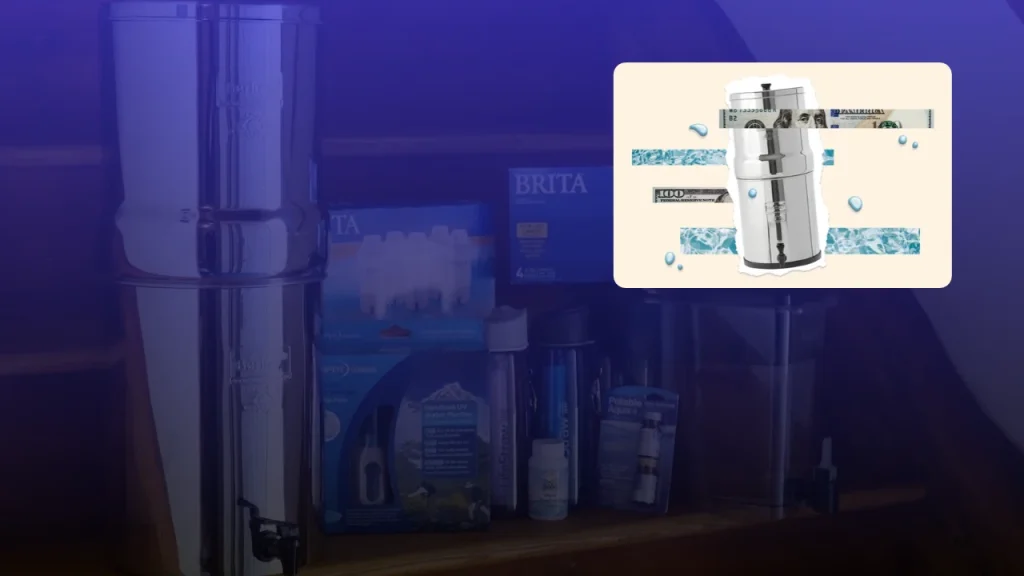
Berkey makes gravity-fed water filtration systems that use replaceable elements and need no electricity or plumbing connection. The dispute began when the EPA investigated the Black Berkey filtration elements, which contain silver, and reviewed claims on Berkey labels and websites about removing high percentages of viruses, bacteria and other contaminants.
The EPA concluded that the covered products fall within federal pesticide law and were sold without the required registration and labeling. Berkey International argues that its filters are mechanical filtration devices, that the silver protects the filter element itself, and that the EPA misclassified them.
The disagreement is not whether the filters physically strain contaminants. It concerns the intended purpose of the silver, the claims made when the products are sold, and the rules for products that make antimicrobial or pathogen-removal claims.
What Happened on September 18, 2026?
The First Circuit issued its decision in Berkey International, LLC v. EPA, No. 24-1917. It affirmed the district court’s refusal to grant a preliminary injunction that would have stopped the EPA from enforcing its orders while the lawsuit continued.
Why Did Berkey Lose Its Appeal for an Immediate Injunction?
To win a preliminary injunction, Berkey had to show, among other things, a likelihood of success on the merits. The appeals court concluded that Berkey:
- had not sufficiently substantiated its claim that the silver was not intended for a pesticidal purpose;
- had not established that the filters qualified for the exemptions it invoked;
- had not shown the EPA acted arbitrarily or contrary to law, since the agency had a sufficient basis to believe the covered products were unregistered or misbranded pesticides.
The court treated claims about removing viruses and pathogenic bacteria, made by Berkey and its distributors, as relevant evidence of pesticidal purpose.
Did the Court Finally Rule That Berkey Must Register Every Filter?
No. The ruling addressed only preliminary relief and is not a final judgment after trial. An appeals court can find that a company has not shown a likely win without resolving every issue that may arise later. Practically, though, Berkey did not obtain judicial protection from the EPA orders through this appeal. Berkey may still seek further review, such as rehearing or Supreme Court review, but no injunction is in place.
What Do the EPA Stop-Sale Orders Actually Cover?
The EPA issued stop-sale, use or removal orders under Section 13(a) of FIFRA (7 U.S.C. § 136k(a)), beginning in late 2022 with orders to various companies. The order to Berkey International (FIFRA-08-2023-0038) is dated May 8, 2023.
Scope matters. The orders target Black Berkey purification elements, and systems containing them, sold or distributed by the named companies, including James Enterprise and Berkey International. The EPA identified systems sold as Big Berkey, Travel Berkey, Royal Berkey, Imperial Berkey and Crown Berkey where they contained the covered Black Berkey elements.
In practical terms:
- Covered: sale and distribution of the covered Black Berkey elements, and systems containing them, by the entities named in each order.
- Not covered: an order addressed to one company does not automatically reach every product bearing the Berkey name, every stainless-steel housing or every unrelated filter.
- Owners: owning or using a system you already have is not banned.
- Availability: many retailers list original Black Berkey elements as out of stock or unavailable, and Berkey has offered alternative elements, including Phoenix-branded elements, on some systems. Buyers should verify current certifications and claims.
Always check the specific order’s terms, the named recipient and any later EPA authorization before deciding whether a product can lawfully be sold.
Why Did the EPA Classify Black Berkey Filters as Pesticide Products?
The EPA’s position rests on two linked points. First, silver is recognized as a pesticide when intended to prevent, destroy, repel or mitigate pests, including certain microorganisms. Second, the products’ marketing claimed to remove or reduce viruses and bacteria, and under EPA rules labeling and other marketing statements can show a pesticidal purpose. The agency concluded that the covered products were subject to FIFRA’s registration and labeling requirements.
Berkey disagrees, arguing the silver is meant to protect the filter itself. The appeals court found that position inadequately substantiated for purposes of preliminary relief.
Which Federal Laws Apply to the Berkey EPA Case?
- 7 U.S.C. § 136(u): defines a pesticide by whether a substance is intended to prevent, destroy, repel or mitigate a pest, which can include certain microorganisms.
- 7 U.S.C. § 136j(a)(1)(A) and (E): prohibit distributing or selling unregistered pesticides where registration is required, and misbranded pesticides.
- 7 U.S.C. § 136k(a): authorizes stop-sale, use or removal orders when statutory conditions are met. It is the direct authority cited in the Berkey International order.
- 40 C.F.R. § 152.15: explains when a substance is intended for a pesticidal purpose, including when a seller states or implies through labeling or otherwise that it can be used as a pesticide. This is why virus and bacteria claims became central.
- 40 C.F.R. § 152.25(a): the treated-article exemption Berkey invoked. It generally requires the incorporated pesticide to protect the article itself and to be registered for that use, and it is not a blanket exemption for products containing antimicrobials. The First Circuit found Berkey had not shown the conditions were met and noted the record did not show a formal EPA determination that the exemption applied.
- 5 U.S.C. § 706 (Administrative Procedure Act): sets standards for judicial review of agency action. The First Circuit found Berkey had not shown a likelihood of success on its arbitrary-and-capricious, notice-and-comment and due-process arguments for preliminary relief.
What Happened to the Earlier Lawsuit Against the EPA?
In August 2023, New Millennium Concepts, Ltd. (NMCL), the Berkey brand owner, and James B. Shepherd, on behalf of the James B. Shepherd Trust, filed Shepherd v. Regan, No. 4:23-cv-00826-P, in the Northern District of Texas, challenging the EPA’s orders and seeking an injunction.
In November 2023 the district court dismissed the case for lack of Article III standing, reasoning that NMCL and the trust had not themselves received the orders and had not shown the required connection between the EPA’s actions against others and their claimed injuries. The Fifth Circuit affirmed in August 2024, and the U.S. Supreme Court declined review in December 2024.
That was a procedural defeat, not a ruling on whether Berkey’s filters qualify as pesticides. It also explains why Berkey International, which received an order directly, filed its own case.
Why Did Berkey International File a Separate Lawsuit in Puerto Rico?
Berkey International, LLC, the Puerto Rico-based manufacturer of Black Berkey elements, sued the EPA in March 2024 (No. 3:24-cv-01106-CVR). It challenged the EPA’s actions under FIFRA and the Administrative Procedure Act, arguing the agency misclassified the filters, skipped required procedures and violated due process. The district court denied preliminary relief in 2024, and the First Circuit affirmed on September 18, 2026. The underlying case is still pending and has not reached a final decision on the merits.
Is There Also a Consumer Class Action Against Berkey?
Yes. Farrell et al. v. New Millennium Concepts, Ltd. is a proposed consumer class action alleging that Black Berkey elements did not perform as advertised. The original complaint was filed September 16, 2021 in the Eastern District of California and was transferred in 2022 to the Northern District of Texas (No. 3:22-cv-00728).
Plaintiffs Tara Farrell, Henly Velarde and Douglas Wells alleged that Berkey marketed its systems as able to process thousands of gallons while inadequately reducing certain contaminants. Their claims include breach of express and implied warranty, unjust enrichment and violations of California consumer-protection laws. This is a product-performance and advertising dispute, separate from the EPA’s registration and labeling case, and the First Circuit’s ruling did not decide it.
Has the Consumer Class Action Been Settled?
No settlement, approved class or claims process has been verified. The accessible docket snapshot is dated May 2022, so the case’s current disposition could not be confirmed. It would be inaccurate to call it definitely pending, dismissed or settled without checking the current PACER record.
Can Consumers File a Berkey Water Filter Claim?
No public Berkey settlement claim form has been verified. The EPA cases are regulatory challenges, not compensation programs, and the orders do not create a right to a refund or payment. Do not pay any website promising a Berkey lawsuit payout unless a court-approved settlement and official administrator can be verified.
If you believe a product failed to perform as advertised, keep receipts, packaging, the model information and any marketing claims you relied on. These may matter in an individual dispute, but they do not establish eligibility for a settlement.
Can You Still Buy Berkey Water Filters?
Berkey systems are still sold in various configurations, but availability of original Black Berkey elements is restricted. The First Circuit’s ruling means the existing orders remain enforceable unless the EPA revokes them or a court grants different relief.
Marketing claims about removing pathogens should not be treated as proof of independent certification. NSF/ANSI certification is specific to the product, component and standard tested. For example, certification for chlorine reduction does not establish certification for lead, PFAS or virus removal. Check the exact model and independently verified performance claims, plus the latest statements from the manufacturer and the EPA. For readers weighing water-quality concerns more broadly, see our coverage of the Edmonds School District PFAS lawsuit and the DuPont, Chemours and Corteva $590M North Carolina PFAS settlement, which involve different chemicals, defendants and claims.
What Happens Next in the Berkey Lawsuit?
- District court: the Puerto Rico case may continue unless it is resolved or dismissed. No trial date has been verified.
- Further review: Berkey may seek rehearing or Supreme Court review.
- EPA enforcement: the orders stay relevant unless revoked, modified or blocked.
- Consumer case: the current status of Farrell needs confirmation on the live docket.
- Product availability: it depends on each order’s scope, any authorization and the manufacturer’s current offerings.
For another case about pesticide-related labeling, see our report on the Driscoll’s berry pesticide residue lawsuit in Quebec. It concerns alleged residues in fruit and is not part of the Berkey litigation.
Berkey Water Filter Lawsuit FAQ
Did Berkey win its EPA lawsuit in September 2026?
No. On September 18, 2026, the First Circuit affirmed the denial of Berkey International’s request for a preliminary injunction. The company did not obtain an order blocking EPA enforcement.
Does the ruling mean all Berkey filters are illegal?
No. It concerns the covered products and enforcement orders. It is not a blanket ban on every Berkey component, every water filter or every product from another company.
Do I have to stop using my Berkey filter?
No. The orders restrict sales and distribution, and the EPA actions do not require owners to stop using or discard systems they already have.
Why did the EPA classify Black Berkey filters as pesticide products?
The agency relied on the filters’ silver content, its antimicrobial purpose and claims about removing viruses and bacteria, and concluded the covered products required registration and compliant labeling under FIFRA.
Does the ruling prove Berkey filters do not work?
No. The decision addressed Berkey’s challenge to the stop-sale orders and its request for preliminary relief. It was not a trial on whether every filtration claim was accurate.
What is the difference between the three Berkey lawsuits?
Shepherd was dismissed for lack of standing, and that dismissal was affirmed. The direct Berkey International case challenges the EPA’s orders and is a separate lawsuit. Farrell is a consumer class action over alleged misleading performance claims, and its current status could not be fully verified.
Has the Berkey consumer class action been certified?
No class certification was verified in the records reviewed. A proposed class complaint does not mean a class has been certified.
Is there a Berkey water filter settlement?
No public court-approved settlement or universal payout program has been verified. The EPA cases do not create a consumer compensation fund.
Can I get a refund for a Berkey filter?
No general refund or settlement program was identified. Whether an individual has a viable refund or warranty claim depends on the purchase, the seller, the product representation and applicable law.
When will Berkey be allowed to make Black Berkey elements again?
No date has been confirmed. Berkey did not obtain the injunction it sought, and the orders remain enforceable unless changed through a valid legal or regulatory process.
Where can I read the official ruling?
The First Circuit’s opinion in Berkey International, LLC v. EPA, No. 24-1917 (September 18, 2026), is listed in the Sources section below.
Sources and Primary-Record Verification
- First Circuit Court of Appeals, September 18, 2026, Berkey International, LLC v. EPA, No. 24-1917: https://www.ca1.uscourts.gov/sites/ca1/files/opnfiles/24-1917P-01A.pdf
- EPA administrative docket, Berkey International LLC, FIFRA-08-2023-0038: https://yosemite.epa.gov/OA/RHC/EPAAdmin.nsf/All%2BDockets%2Bby%2BCase%2BNumber/FIFRA-08-2023-0038
- EPA stop-sale, use or removal order, FIFRA-08-2023-0038: https://yosemite.epa.gov/OA/RHC/EPAAdmin.nsf/Filings/70BF71F4C6BC372C852589AA0000E556/%24File/FIFRA-08-2023-0038%20SSURO%20BerkeyInternational%202023.pdf
- 7 U.S.C. § 136: https://uscode.house.gov/view.xhtml?req=granuleid:USC-prelim-title7-section136&num=0&edition=prelim
- 7 U.S.C. § 136j: https://uscode.house.gov/view.xhtml?req=granuleid:USC-prelim-title7-section136j&num=0&edition=prelim
- 7 U.S.C. § 136k: https://uscode.house.gov/view.xhtml?req=granuleid:USC-prelim-title7-section136k&num=0&edition=prelim
- 40 C.F.R. § 152.15: https://www.ecfr.gov/current/title-40/chapter-I/subchapter-E/part-152/section-152.15
- 40 C.F.R. § 152.25: https://www.ecfr.gov/current/title-40/chapter-I/subchapter-E/part-152/section-152.25
- 5 U.S.C. § 706: https://uscode.house.gov/view.xhtml?req=granuleid:USC-prelim-title5-section706&num=0&edition=prelim
- Shepherd v. Regan, November 17, 2023, district court opinion: https://law.justia.com/cases/federal/district-courts/texas/txndce/4%3A2023cv00826/380002/32/
- Farrell et al. v. New Millennium Concepts, Ltd., No. 3:22-cv-00728, public docket index (snapshot dated May 2022; current disposition not verified): https://dockets.justia.com/docket/texas/txndce/3%3A2022cv00728/360881
This article is for informational purposes only and does not constitute legal advice or create an attorney-client relationship. AllAboutLawyer.com is a legal information website, not a law firm.
About the Author
Israr Ahmad is a legal content researcher with 4+ years of experience covering class action settlements and consumer rights cases. He has researched and published coverage of 2,500+ settlements using verified court records, settlement administrator filings, and government sources. Learn more about Israr.