
Apple iCloud Private Relay Lawsuit, Were You Affected? — Rickman v. Apple Inc., No. 5:26-cv-08218
If you’ve paid for iCloud+ believing Private Relay was hiding your IP address in Safari — you weren’t imagining the privacy pitch. Apple is now facing a class action in the U.S. District Court for the Northern District of California, Rickman v. Apple Inc., claiming that promise didn’t hold up. Here’s what that means for you.
Quick Facts
Apple iCloud Private Relay Lawsuit — Key Facts
| Field | Details |
| Lawsuit Filed | August 6, 2026 |
| Defendant | Apple Inc. |
| Alleged Harm | iCloud+ Private Relay allegedly failed to hide subscribers’ real IP addresses and browsing activity |
| Law Alleged | Fraud, false advertising, and misrepresentation (specific California statutes cited in the complaint: UNVERIFIED — full complaint text not published by named primary source at time of writing) |
| Who Is Affected | iCloud+ subscribers who used Private Relay in Safari on iOS and macOS devices |
| Court & Case Number | U.S. District Court for the Northern District of California (San Jose Division), No. 5:26-cv-08218 |
| Current Stage | Proposed class action, newly filed — no ruling, certification, or settlement yet |
| Lead Plaintiff Deadline | UNVERIFIED — not yet set in public court records |
| Settlement Status | None. No claim form exists. |
| Last Updated | August 30, 2026 |
Who Is Apple and Why Are They Being Sued for This?
Apple sells iCloud+ subscriptions on the promise that Private Relay keeps your browsing hidden from your network provider and the websites you visit. That promise is baked into the marketing — Apple has called privacy a “fundamental human right” and built pricing around it. The lawsuit argues Apple sold a feature it never fully verified against its own advertised design, then kept charging for it after outside researchers found it didn’t hold up.
What Did Apple Do to iCloud+ Subscribers?
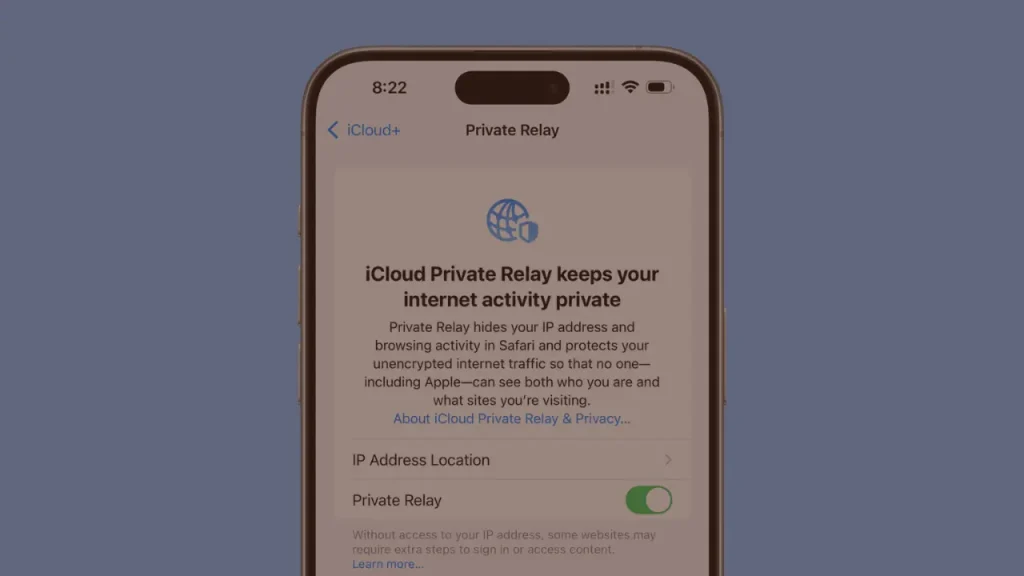
Private Relay is supposed to work like a two-layer shield: your internet provider sees a connection to Apple, and the website you visit sees a temporary IP address from a third party, so no single party can connect your identity to your destination. Security researchers found that a set of flaws in WebKit — the browser engine Apple requires on every iOS browser — broke that shield in practice. Passkey sign-ins, DNS prefetching in iOS 26, and the newer WebTransport protocol could each let a website see a user’s real IP address, sometimes without any visible prompt.
Plaintiff Edward Rickman filed suit through the Clarkson Law Firm on August 6, 2026, arguing subscribers paid a premium for protection that “has never been true” as advertised. The complaint claims Apple knew, or should have known, that its Private Relay claims didn’t match reality. You can read more about how Apple’s broader iCloud practices have drawn scrutiny in our coverage of the Apple iCloud antitrust lawsuit.
Here’s the part that stings: it didn’t matter whether the site you visited actually supported passkeys. Just pretending to could trigger the leak.
Related article: Dodge Durango Rear Spoiler Recall, Is Your SUV Affected? — NHTSA Campaign 26V528
Are You Part of the Apple Private Relay Lawsuit?
Here’s exactly how to know if this case includes you.
- Anyone who paid for an iCloud+ subscription and used Private Relay in Safari
- Subscribers on iOS or iPadOS who enabled Private Relay, including through iOS 26
- Mac users who relied on Private Relay while browsing with Safari or any WebKit-based browser
- People who signed into websites using passkeys while Private Relay was turned on
- Those who never noticed anything wrong — the leak reportedly happened without any visible warning
You likely don’t qualify if you never subscribed to iCloud+, or if you used a third-party VPN instead of Private Relay for your privacy protection.
Apple iCloud+ Subscribers Outside California — Are You Still Covered?
The case was filed in federal court, and the proposed class isn’t limited to California residents. Nationwide iCloud+ subscribers who used Private Relay are described in coverage of the complaint, though the court has not yet certified any class or defined its exact boundaries.
That number reframes things: iCloud+ has millions of subscribers, and Private Relay has been marketed as a headline feature since 2021. If the flaw affected the feature as broadly as alleged, this isn’t a niche complaint about one setting — it’s a question about a service most iPhone owners assumed was working quietly in the background.
Not sure if you qualify for the Apple Private Relay lawsuit? A free consultation with a data privacy attorney can help you understand your options while the case is still in its early stages.
What Is the Lawsuit Asking Apple to Pay?
There’s no settlement here, and no dollar figure has been confirmed by a court. The complaint seeks damages tied to what subscribers allegedly overpaid for Private Relay protection that didn’t work as promised, along with an order forcing Apple to fix the underlying flaws. No money has changed hands yet, and no claim form exists.
What Could iCloud+ Subscribers Receive If This Settles?
It’s genuinely impossible to predict a number this early. The amount would depend on how many subscribers join the class, what evidence Apple’s own testing records show, and how settlement talks go — if they happen at all. For scale, Clarkson’s earlier privacy case against Apple over delayed Siri features ended in a $250 million settlement, but that took years and followed a very different set of facts. Talk to a class action lawsuit attorney if you want to track how this compares as it develops.
What Should Apple iCloud+ Subscribers Do Right Now?
- Most affected subscribers will be automatically included if a class is certified — no action needed to preserve your rights yet.
- Save your iCloud+ billing records and any screenshots showing Private Relay was enabled.
- Note roughly how long you’ve subscribed and paid for iCloud+ with Private Relay active.
- Lead plaintiff deadline: not yet set. We’ll update this article the moment court records show one.
- Monitor the docket for Rickman v. Apple Inc., No. 5:26-cv-08218, in the U.S. District Court for the Northern District of California.
- If your losses are unusually large, ask an attorney whether an individual claim makes more sense than waiting on the class.
Apple iCloud Private Relay Lawsuit — Full Timeline
| Milestone | Date |
| Private Relay launched as iCloud+ feature | 2021 |
| WebKit privacy flaws reported by security researchers | August 4, 2026 |
| Rickman v. Apple Inc. filed | August 6, 2026 |
| Law360 coverage of filing | August 21, 2026 |
| Next scheduled hearing | UNVERIFIED — not yet on the public docket |
| Expected resolution | UNVERIFIED — too early in litigation to estimate |
Apple iCloud Private Relay — Frequently Asked Questions, No. 5:26-cv-08218
Is there a class action lawsuit against Apple for the Private Relay flaw right now?
Yes. Edward Rickman filed a proposed class action against Apple on August 6, 2026, in the U.S. District Court for the Northern District of California, case No. 5:26-cv-08218.
Do I need to do anything right now to be part of the Apple lawsuit?
No. The case is a proposed class action, and no class has been certified yet. If a class forms later, most iCloud+ subscribers who used Private Relay would likely be included automatically.
When will the Apple Private Relay case settle?
There’s no timeline yet. Cases like this typically take a year or more to reach a settlement or trial, and Apple hasn’t responded to the complaint publicly.
Can I file my own lawsuit against Apple instead of joining the class?
You can, particularly if your individual losses are significant, but most subscribers are better served letting the class action proceed. An attorney can weigh your specific situation.
How will I find out if the Apple Private Relay lawsuit settles?
We’ll update this article, and the case will also appear on the Northern District of California’s public docket and likely on the Clarkson Law Firm’s press page.
What does “lead plaintiff” mean for the Apple case and why does the deadline matter?
A lead plaintiff deadline sets the window for other affected subscribers to ask the court to represent the class instead of Rickman. None has been reported yet for this case.
What specific claims does Apple allegedly violate?
The complaint alleges fraud, false advertising, and misrepresentation tied to Private Relay’s marketing. The exact California statutes cited haven’t been confirmed from a published primary source as of this writing.
How much could iCloud+ subscribers get if this case settles?
Nobody can say yet. The amount would depend on class size, evidence, and negotiated terms — there’s no proposed figure on record.
Sources Used in This Apple Private Relay Article
- Court Docket — Rickman v. Apple Inc., No. 5:26-cv-08218, N.D. Cal., filed August 6, 2026: https://www.pacermonitor.com/public/case/66123480/RICKMAN_v_Apple_Inc
- Law360 — “Apple’s iCloud Private Relay Leaks User IP Address, Suit Says,” August 21, 2026: https://www.law360.com/articles/2516200/apple-s-icloud-private-relay-leaks-user-ip-address-suit-says
- Bloomberg Law — “Apple Sued Over Alleged Privacy Gaps in ‘Private Relay’ Service”: https://news.bloomberglaw.com/business-and-practice/apple-sued-over-alleged-privacy-gaps-in-private-relay-service
Researched and written by Israr Ahmad, legal content researcher and founder of AllAboutLawyer.com. All facts verified against the court docket for Rickman v. Apple Inc., No. 5:26-cv-08218, and Law360 reporting dated August 21, 2026. Last Updated: August 30, 2026.
This article is for informational purposes only and does not constitute legal advice. Laws vary by state and individual circumstances differ. For advice about your specific situation, consult a qualified attorney.
About the Author
Israr Ahmad is a legal content researcher with 4+ years of experience covering class action settlements and consumer rights cases. He has researched and published coverage of 2,500+ settlements using verified court records, settlement administrator filings, and government sources. Learn more about Israr.