
Whole Foods Guacamole Recall Upgraded to FDA’s Highest Risk Level
If you bought guacamole, salsa, or pico de gallo from the Produce or Prepared Foods section at Whole Foods in early August 2026, check your fridge before you check anything else. The FDA has classified this recall as Class I — its highest-risk category — after linking the products to Salmonella-contaminated jalapeños tied to a nationwide outbreak that has now sickened over 400 people.
Whole Foods Guacamole Recall — Key Facts
| Field | Detail |
| Products | Select salsas, guacamole, pico de gallo, and other prepared foods containing jalapeños |
| Recall Announced | August 12, 2026 |
| FDA Risk Classification | Class I — assigned August 20, 2026 |
| Units Affected (Guacamole) | 12,995 units of mild guacamole dip, best-by dates August 7–12, 2026 |
| Contaminant Source | Jalapeños from a grower in Sinaloa, Mexico, distributed by Coast Citrus Distributors |
| States Where Sold | Texas, Oklahoma, Louisiana, Arkansas, Wisconsin, Michigan, Illinois, Indiana, Iowa, Missouri, Kentucky, Ohio |
| Sold Where | Whole Foods stores (Produce and Prepared Foods departments) and online |
| Best Before/By Window | August 7, 2026 – August 16, 2026 |
| Broader Outbreak Case Count | 431 illnesses across 32 states, 57 hospitalizations, 0 deaths, as of the FDA’s most recent update |
| Remedy | Bring a valid receipt to any Whole Foods store for a full refund |
| Last Updated | August 29, 2026 |
What’s Actually in the Recalled Products
Whole Foods pulled 43 different prepared food items on August 12 — dips, salsas, guacamole, pico de gallo, and other products made with jalapeños. The common thread across all of them is the pepper supplier, not the recipe: every recalled item used jalapeños sourced from Coast Citrus Distributors, which in turn traced its jalapeños back to a single grower in Sinaloa, Mexico.
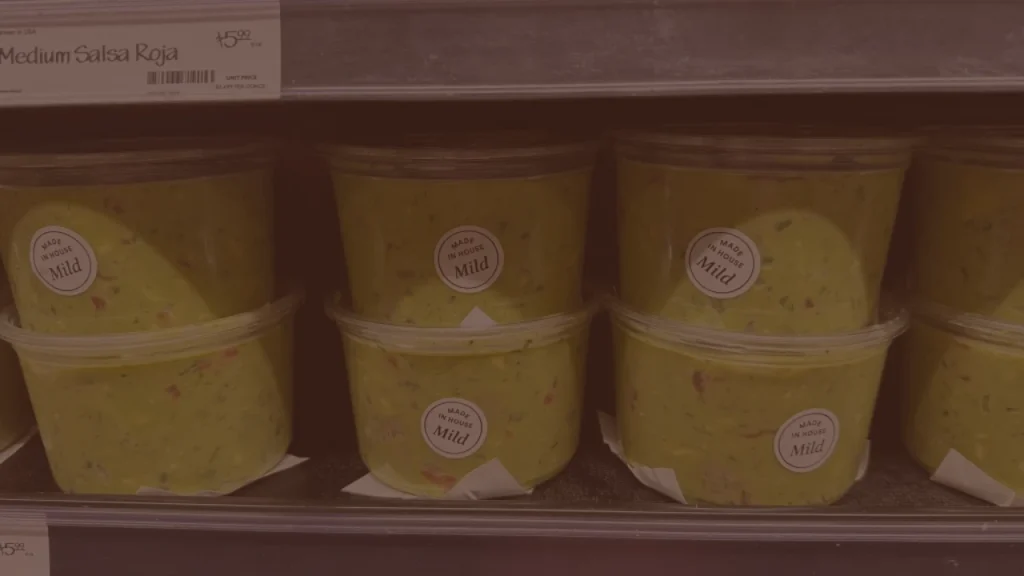
The FDA’s Class I classification specifically calls out roughly 12,995 units of Whole Foods’ mild guacamole dip, with best-by dates between August 7 and August 12, 2026. That’s the product getting the most attention right now, but the underlying recall covers the full range of jalapeño-containing prepared foods Whole Foods pulled that week — not guacamole alone.
Why This Jumped to Class I
Whole Foods issued this recall on August 12 with no illnesses reported in connection to its specific products at the time. Eight days later, on August 20, the FDA elevated the classification to Class I — the designation used when there’s a reasonable probability that using the product could cause serious health consequences or death.
That escalation didn’t happen because something new went wrong with the Whole Foods products themselves. It reflects how the broader outbreak has grown. As of the FDA’s most recent count, 431 people across 32 states have been sickened by the outbreak strain of Salmonella Javiana, with 57 hospitalizations and no deaths reported. The FDA still hasn’t confirmed any illnesses specifically tied to the recalled Whole Foods products — but given how large and serious the underlying outbreak has become, the agency raised the risk classification for every downstream recall connected to these jalapeños, Whole Foods included.
Related article: Lundberg Jasmine White Rice Recall Expands to 27,324 Packages Across 12 States
This Traces Back to One Pepper Grower
Whole Foods isn’t the source of the contamination — it’s one of many companies caught up in a much larger recall chain. The FDA identified a single grower in Sinaloa, Mexico, supplying Coast Citrus Distributors, as the likely source. Coast Citrus then distributed those jalapeños to distributors, restaurants, and food manufacturers across the country, some of whom used them directly and others of whom used them as an ingredient in prepared foods sold under other brand names — which is how they ended up in Whole Foods’ own dips and salsas.
That same supply chain has already prompted downstream recalls from other companies, and it’s connected to the salmonella cases tied to Chipotle and QDOBA locations that were reported earlier in August — both chains have since switched suppliers and are no longer considered an ongoing risk by the FDA. Our earlier coverage of the broader jalapeño recall as it grew to include Chipotle and QDOBA has more on how the outbreak reached that stage, and our Taylor Farms jalapeño recall coverage covers another major downstream recall tied to the same source.
What to Do Right Now
- Check your fridge for any Whole Foods-branded guacamole, salsa, or pico de gallo with a best-by date between August 7 and August 16, 2026.
- Don’t eat any of it, even if it looks and smells fine — Salmonella contamination isn’t something you can detect by sight or smell.
- Bring a valid receipt to any Whole Foods store for a full refund. If you don’t have a receipt, contact the store directly to ask about their process.
- If you already ate a recalled product, watch for symptoms: diarrhea, fever, and abdominal cramps typically start 12 to 72 hours after exposure and last four to seven days.
- Contact your healthcare provider right away if you develop these symptoms, particularly if you’re pregnant, over 65, a young child, or immunocompromised — these groups face a higher risk of severe infection.
- If you or a family member were hospitalized after eating a recalled product, that’s a situation worth discussing with a product liability attorney, separate from the retailer refund process.
Whole Foods Guacamole Recall — Frequently Asked Questions
Do I need a receipt to get a refund for recalled Whole Foods guacamole?
Whole Foods’ stated process asks for a valid receipt, but if you don’t have one, contact your local store directly — refund policies can vary by location for recalls like this.
Why did this go to Class I a week after the original recall?
The escalation reflects how much the underlying Salmonella outbreak has grown — case counts more than doubled between early and late August — not a new problem discovered in the Whole Foods products specifically.
Has anyone gotten sick from Whole Foods guacamole specifically?
As of the most recent FDA update, no illnesses have been confirmed as tied specifically to the recalled Whole Foods products, though the broader outbreak connected to the same jalapeño source has sickened 431 people.
Is this the same outbreak connected to Chipotle and QDOBA?
Yes. All of these recalls trace back to the same jalapeño supply chain — a grower in Sinaloa, Mexico, distributed by Coast Citrus Distributors — even though the products and companies involved are different.
What other Whole Foods products were recalled besides guacamole?
The recall covers 43 total prepared food items, including various salsas, pico de gallo, and other dishes made with the recalled jalapeños, not guacamole alone.
Should I still worry if I bought the product outside the affected states?
The recall specifically covers the 12 listed states where the product was sold in stores, plus online sales. If you’re unsure whether your purchase falls within scope, contact Whole Foods directly rather than assuming either way.
Sources Used in This Whole Foods Guacamole Recall Article
- U.S. Food and Drug Administration — “Whole Foods Market Announces a Recall of Select Salsas, Guacamole, Pico de Gallo, and Prepared Foods Products Because of Possible Health Risk,” August 12, 2026: https://www.fda.gov/safety/recalls-market-withdrawals-safety-alerts/whole-foods-market-announces-recall-select-salsas-guacamole-pico-de-gallo-and-prepared-foods
- U.S. Food and Drug Administration — “Outbreak Investigation of Salmonella: Jalapeño (August 2026),” updated August 21, 2026: https://www.fda.gov/food/outbreaks-foodborne-illness/outbreak-investigation-salmonella-jalapeno-august-2026
- NewsNation — “Whole Foods guacamole recall elevated to Class 1, highest warning level for salmonella concern: FDA,” August 2026: https://www.newsnationnow.com/us-news/recalls/whole-foods-guacamole-recall-class-1-salmonella/
Researched and written by Israr Ahmad, legal content researcher and founder of AllAboutLawyer.com. All facts verified against official FDA recall and outbreak notices, as of August 29, 2026.
Last Updated: August 29, 2026
This article is for informational purposes only and does not constitute legal or medical advice. Laws vary by state and individual circumstances differ. For advice about your specific situation, consult a qualified attorney or healthcare provider.
About the Author
Israr Ahmad is a legal content researcher with 4+ years of experience covering class action settlements and consumer rights cases. He has researched and published coverage of 2,500+ settlements using verified court records, settlement administrator filings, and government sources. Learn more about Israr.