
Uber Is Back in Court for Sexual Assault Trial 2 Begins After $8.5M Verdict. Here’s What Every Rider Needs to Know
A jury awarded a woman $8.5 million in February 2026 after finding Uber responsible for a driver who assaulted her during a ride. Now Uber is back in federal court for a second trial — this one in North Carolina — as thousands of other survivors watch to see what happens next. More than 3,700 people across the country have filed similar claims against the company.
Quick Facts
| Field | Detail |
| First Trial Verdict | $8.5 million (February 2026, Arizona) |
| Second Trial Location | U.S. District Court, Charlotte, North Carolina |
| Second Trial Start Date | April 14, 2026 |
| Expected Trial Length | Approximately three weeks |
| Total Lawsuits Filed | 3,700+ in federal MDL and state courts |
| MDL Case Name | In re: Uber Technologies, Inc., Passenger Sexual Assault Litigation (MDL No. 3084) |
| MDL Court | U.S. District Court, Northern District of California |
| Settlement Status | No settlement reached — active litigation |
Where Things Stand Right Now
- A jury trial in Charlotte, North Carolina federal court began April 14, 2026, and is expected to last about three weeks.
- Uber has repeatedly denied that it is responsible for assaults by drivers and said it plans to appeal the Arizona decision.
- The next two bellwether trials have been proposed to run consecutively in California court beginning September 14, 2026.
What These Lawsuits Are Actually About
Passengers who use Uber trust that the company has done something to make sure the person picking them up is safe. These lawsuits say Uber has not lived up to that responsibility.
The MDL centralizes cases alleging that Uber failed to implement adequate safety precautions — including background checks, training, safety measures, and complaint-response practices — resulting in passengers being sexually assaulted or harassed by Uber drivers. Plaintiffs argue that Uber knew about dangerous drivers, received complaints about them, and still kept them on the platform.
The first trial revealed something that had never been made public before. Evidence presented at trial showed that Uber calculates a risk of being sexually assaulted for every ride. Uber’s internal Safety Risk Assessed Dispatch (S-RAD) algorithm rated the Arizona plaintiff’s trip 0.81 out of 1, indicating an elevated risk level. Plaintiffs’ attorneys argued that Uber knew women riding alone late at night faced a higher risk but continued to promote itself as a safe option.
An executive with Uber acknowledged at trial that the company had ignored previous complaints about the driver from passengers. In addition, Uber failed to request proof of prior employment, references, or resumes when it hired the driver. The jury found the driver was acting as an agent of Uber — directly challenging the company’s long-standing argument that its drivers are simply independent contractors with no ties to the company.
Related article: Cardi B vs. Tasha K Defamation Lawsuit, The Full Story Behind the $3.9 Million Judgment
What Happened in the First Trial — and Why It Matters
The Arizona case was the first of these lawsuits to reach a federal jury. The plaintiff, an Oklahoma resident, said an Uber driver harassed and then raped her during a ride in 2023. A jury in February found that the driver was an agent of Uber, holding the company responsible for his actions. They awarded the woman $8.5 million in compensatory damages but declined to award punitive damages. Attorneys for the plaintiff had sought more than $140 million in damages.
The decision could set the stage for payments to thousands of other passengers who filed similar claims against the rideshare company. Legal experts say the verdict — and the evidence it surfaced — changes how both sides will approach the remaining cases.
These trials are called “bellwether” cases — a legal term for test cases that help both sides understand how juries respond to the evidence, which often leads to settlement negotiations. The verdicts could help determine the value of the remaining lawsuits for any potential settlement or resolution of the cases en masse.
What the Second Trial Is About
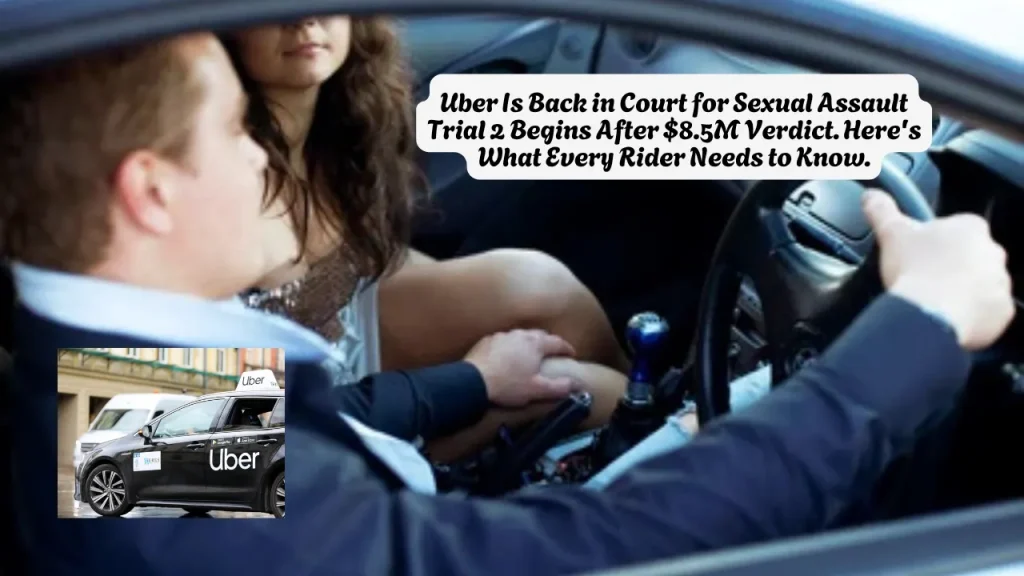
The anonymous plaintiff in the North Carolina case claims that upon arriving at her destination in Raleigh just before 2 a.m. in March 2019, her Uber driver grabbed her inner thigh and asked if he could “keep it with him,” prompting her to flee from the vehicle.
Uber has not denied that the incident took place, but claims in court filings that it is a software company and not a “common carrier” — such as a taxi service — that has a legal duty to protect passengers under North Carolina law. Even if the court disagrees, Uber argues it should not be held liable for what its drivers do independently.
An Uber spokesperson said the incident in the North Carolina trial was never reported to the company or to law enforcement and only came to light when the plaintiff filed a lawsuit. Uber also stated it takes sexual assault seriously and continues to invest in safety technology and partnerships.
How Big Is This Litigation?
As of March 2026, more than 3,700 plaintiffs in 30 states have joined the MDL, with this number expected to continue rising throughout 2026. Uber also faces a separate set of cases in California state courts.
A 2018 investigation by CNN identified at least 103 Uber drivers in the United States who had been accused of sexually assaulting or abusing their passengers in the previous four years. A year later, Uber released its first safety report, which revealed it had received 5,981 reports of sexual assault in 2017 and 2018.
The outcomes of the ongoing bellwether trials will not automatically decide every pending case, but they carry enormous weight. Juries that consistently side with survivors would put significant pressure on Uber to reach a broad settlement covering the thousands of remaining plaintiffs.
If You Were Assaulted by an Uber Driver
This litigation is not a class action — meaning there is no single claim form to fill out online. Each person who files must do so individually, typically through a private attorney. If you believe you were sexually assaulted or harassed by an Uber driver, here is what to know:
- Document everything. Save your ride receipts, trip history in the Uber app, and any communications you received from Uber afterward.
- Report to Uber. You can report safety incidents through the Uber app. Uber is legally obligated to keep records of complaints.
- Contact law enforcement. A police report creates an official record that can be critical in any legal action.
- Consult an attorney. Attorneys handling cases in MDL No. 3084 offer free, confidential consultations. You pay nothing unless they win.
- Statutes of limitations apply. The legal window to file a claim varies by state and the type of incident. Do not wait indefinitely.
Key Dates in This Litigation
| Milestone | Date |
| MDL Centralized in Northern District of California | October 2023 |
| First Bellwether Trial Begins (Arizona) | January 2026 |
| Arizona Jury Verdict — $8.5 Million | February 5, 2026 |
| Second Bellwether Trial Begins (North Carolina) | April 14, 2026 |
| Expected End of North Carolina Trial | Early May 2026 |
| Next California Bellwether Trials Proposed | September 14, 2026 |
| Settlement Negotiations | TBD — No deal announced |
Frequently Asked Questions
Can I file a claim if I was assaulted by an Uber driver?
Yes, if you were sexually assaulted or harassed by an Uber driver, you may be able to file an individual lawsuit. These cases are not part of a class action — each survivor files separately. Many attorneys handling these cases offer free consultations and work on a contingency basis, meaning you pay no legal fees unless they win.
What is a bellwether trial and why does it matter to me?
A bellwether trial is a test case that goes to a jury before the thousands of similar cases are resolved. The verdict does not automatically decide other cases, but it sends a powerful signal about how juries respond to the evidence. Strong verdicts for plaintiffs typically push companies toward settlement negotiations for the broader group of cases.
What did the first Uber trial reveal about the company’s safety practices?
The first trial revealed that Uber uses an internal algorithm called S-RAD that assigns each ride a risk score for sexual assault. Jurors also heard that Uber ignored prior passenger complaints about the driver in the Arizona case and did not require drivers to submit employment history, references, or resumes when signing up.
Is Uber planning to settle all these cases?
No settlement has been announced. Uber is contesting both the Arizona verdict and the new North Carolina trial. Legal analysts say both sides are likely watching the bellwether trial outcomes before engaging in serious settlement talks.
Does Uber check its drivers’ backgrounds before letting them pick up passengers?
Uber conducts background checks on drivers, but the central allegation against Uber in this litigation is the company’s failure to implement adequate safety measures and background checks to prevent sexual assault by its drivers. Plaintiffs argue those checks were insufficient and that Uber ignored red flags it already had access to.
What if I reported an assault to Uber and nothing happened?
That experience is at the heart of many of these lawsuits. Attorneys argue that Uber’s failure to act on complaints it received is part of the pattern of negligence. You should still consult an attorney — the fact that you reported the incident may actually strengthen your case.
Will filing a lawsuit mean my name becomes public?
Many plaintiffs in this litigation are proceeding anonymously, as allowed by federal courts in cases involving sexual assault. Your attorney can advise you on how to protect your identity during the legal process.
Sources & References
Last Updated: April 14, 2026
Disclaimer: This article is for informational purposes only and does not constitute legal advice. Legal claims and outcomes depend on specific facts and applicable law. For advice regarding a particular situation, consult a qualified attorney. If you are in crisis or need immediate support, contact the RAINN National Sexual Assault Hotline at 1-800-656-4673 or visit rainn.org.
About the Author
Israr Ahmad is a legal content researcher with 4+ years of experience covering class action settlements and consumer rights cases. He has researched and published coverage of 2,500+ settlements using verified court records, settlement administrator filings, and government sources. Learn more about Israr.