
Tesla Sued Over Fatal Katy, Texas Crash, Martha Avila Family Alleges Sudden Acceleration and Autopilot Defects
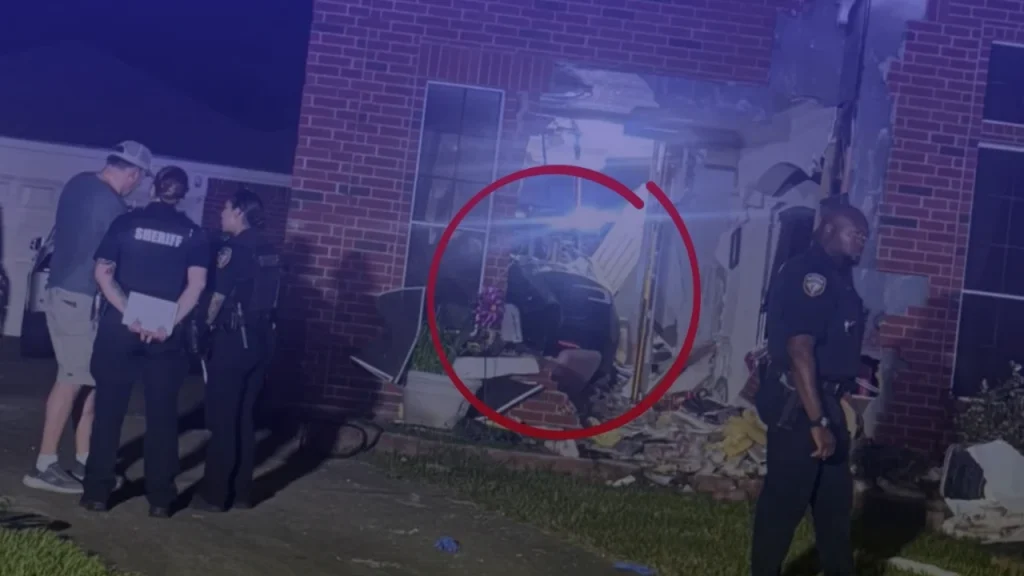
The family of Martha Avila, 76, has sued Tesla, Inc. and driver Michael Butler in Harris County, Texas, after a Tesla Model 3 left the road and crashed into her home in Katy on June 19, 2026. The petition alleges that Tesla’s Autopilot and Full Self-Driving systems were defectively designed, that Tesla failed to warn owners about their limits, and that the car may have suffered sudden unintended acceleration.
Those are allegations. The NTSB later reported that the accelerator pedal was pressed to 100% before impact, which complicates the sudden-acceleration theory. No court has found Tesla liable.
This is an individual wrongful death lawsuit, not a class action. There is no settlement, claim form or compensation program for other Tesla owners.
Tesla and Martha Avila Family Lawsuit: Quick Facts
| Issue | Details |
| Plaintiffs | Justin Barbour and Jennifer Barbour (Avila’s daughter and son-in-law), over Martha Avila’s death |
| Defendants | Tesla, Inc. and Michael Butler |
| Deceased | Martha Avila, 76 |
| Court | District Court of Harris County, Texas |
| Case number | Not independently verified from a court record |
| Crash date and place | June 19, 2026, Katy, Harris County, Texas |
| Vehicle | Tesla Model 3 (2025 model year, per reporting) |
| Claims against Tesla | Design defect, marketing defect, failure to warn and gross negligence |
| Claims against Butler | Negligence and gross negligence |
| Sudden acceleration allegation | The petition says the car may have experienced sudden unintended acceleration |
| Damages sought | Reported as more than $1 million |
| Status | Active civil litigation; no settlement or judgment reported |
| Class action | No |
| Claim form | None |
What the Martha Avila Tesla Lawsuit Says Happened in Katy
On the evening of June 19, 2026, a Tesla Model 3 driven by Michael Butler left the road and went through the front wall of a Katy home. Martha Avila was inside and later died at a hospital. Her family sued within days, and the suit was reported by June 24, 2026.
The petition says Tesla’s Autopilot and Full Self-Driving systems were defectively designed. It claims the car did not detect the end of the street and the house in its path, did not adequately monitor driver engagement, and that Tesla did not properly warn owners about the limits of its driver-assistance features. It also says the car may have suffered sudden unintended acceleration, and it points to a 2023 Washington Post analysis that linked Autopilot to at least 17 fatal incidents.
Against Butler, the family alleges negligence and gross negligence. Tesla has not been found responsible for anything, and Elon Musk has publicly denied that Autopilot caused the crash.
Tesla Model 3 Sudden Unintended Acceleration Claim: Allegation vs. NTSB Findings
The sudden-acceleration theory is the most disputed part of the case, so keep the two sides apart.
What the family alleges: that the Tesla either failed to detect the end of the street or suffered a sudden acceleration event.
What investigators have reported: the NTSB said recovered Tesla data showed the accelerator pedal was pressed to 100% before the crash, and that the car was going more than 70 mph when it hit the home. According to the NTSB, that pedal input overrode Full Self-Driving (Supervised). Reporting based on the event data recorder puts the pedal at 100% about six seconds before impact, with the car reaching 73 mph. The Harris County Sheriff’s Office also said it found no evidence of a mechanical malfunction in its preliminary review.
None of that settles every claim in the civil case. The family’s theories about system design and warnings, and any argument that Tesla’s technology contributed even if the driver pressed the pedal, are still for the court to test. NHTSA has opened its own special investigation into the crash, separate from the lawsuit.
Related article: Wauwatosa Approves $95,000 Joseph Mensah Workers’ Compensation Settlement
Michael Butler: Manslaughter Charge and the Civil Lawsuit Against Tesla
Butler was charged with manslaughter over the crash. He has said an automated driving assistance system was engaged, while Tesla says he overrode and disengaged it with the accelerator.
The criminal case and the civil lawsuit are separate and use different standards. A criminal charge does not make Tesla liable, and a wrongful death petition does not prove that Tesla’s technology caused the crash.
What Happens Next in the Tesla and Martha Avila Lawsuit
The case is in the early stages. It can move through discovery, motions and possibly trial, or end in a settlement.
Discovery would likely focus on the vehicle’s event data, software behavior, whether and when driver assistance was engaged, driver monitoring, warnings given to owners, and Tesla’s internal records. The parties will probably dispute whether the evidence points to a vehicle defect, driver error, or some combination.
Texas Wrongful Death Law and the Martha Avila Lawsuit
Texas allows a civil wrongful death action when a person’s death is caused by another’s wrongful act, neglect or default. Those rules are in Chapter 71 of the Texas Civil Practice and Remedies Code, which also covers who may sue and what damages are available. A Texas wrongful death claim generally has a two-year filing window, but any specific deadline is a question for a licensed Texas attorney.
For a plain-language overview of how these cases work, see What Is a Wrongful Death Lawsuit? What You Must Know Before Filing.
What the Martha Avila Lawsuit Means for Other Tesla Owners
It does not give other Tesla owners a claim. Someone in a different crash would need to look at their own facts: the model, the software or driver-assistance features in use, the crash data, any injuries, and the law of their state.
If you were in a crash you believe involved unintended acceleration or a driver-assistance system, evidence that tends to matter includes vehicle data, photos, the police report, witness details, repair records and any messages with the manufacturer. An attorney can tell you what applies to your situation.
Is There a Tesla Settlement or Claim Form for the Martha Avila Lawsuit?
No. No settlement or public claim form has been identified. This is active litigation between the named parties, not a consumer settlement with an administrator and notice process. Any future settlement, judgment or court order should be checked against the actual court record.
Tesla and Martha Avila Lawsuit: Key Dates
| Date | Event |
| June 19, 2026 | Tesla Model 3 crashes into a Katy home; Martha Avila dies |
| June 24, 2026 | Reporting on the family’s suit against Tesla and Michael Butler |
| July 15, 2026 | NTSB preliminary findings reported: accelerator pressed to 100% before the crash |
| October 1, 2026 | Status reviewed for this article; no settlement or judgment reported |
Tesla and Martha Avila Lawsuit FAQ
Where was the Martha Avila Tesla lawsuit filed?
In the District Court of Harris County, Texas, where the Katy crash happened. It is not a Travis County case. The case number has not been verified from a court record, so it isn’t listed.
Who filed the Martha Avila Tesla lawsuit?
Justin Barbour and Jennifer Barbour, Avila’s son-in-law and daughter, filed against Tesla, Inc. and driver Michael Butler.
What does the Martha Avila lawsuit allege against Tesla?
That Autopilot and Full Self-Driving were defectively designed, that Tesla failed to warn owners of their limits, and that the car may have experienced sudden unintended acceleration. It asserts design defect, marketing defect, failure to warn and gross negligence.
What did the NTSB find in the Martha Avila crash?
Recovered data showed the accelerator pedal pressed to 100% before the crash and a speed above 70 mph at impact. The NTSB said that input overrode Full Self-Driving (Supervised).
Has a court found Tesla responsible for Martha Avila’s death?
No. The petition contains allegations only, and no liability finding has been reported.
Was Michael Butler charged?
Yes. He was charged with manslaughter. That case is separate from the family’s civil lawsuit.
Is the Martha Avila Tesla lawsuit a class action?
No. It is an individual wrongful death lawsuit brought by Avila’s family.
Can other Tesla owners file claims because of this lawsuit?
Not automatically. This case creates no general claim program, and a different crash would be judged on its own facts and state law.
Is there a Tesla settlement claim form for the Martha Avila lawsuit?
No. None has been identified, and the case is still in litigation.
Sources for the Martha Avila Tesla Lawsuit
- Houston Chronicle: Katy family sues Tesla after elderly woman killed by crash into home: plaintiffs, defendants and claims.
- KPRC (Click2Houston): Family of woman killed after Tesla crashes into Katy home sues Tesla and driver: the lawsuit and the sudden-acceleration allegation.
- Electrek: Tesla sued over fatal crash in Texas home that killed 76-year-old woman: counts, allegations and the Sheriff’s Office preliminary finding.
- CarComplaints: Tesla lawsuit filed over death of Martha Avila: Harris County filing and event-data timeline.
- TechCrunch: Tesla driver in fatal Texas crash pressed accelerator 100%, NTSB confirms: NTSB findings, NHTSA investigation and manslaughter charge.
- Ars Technica: Elon Musk denies Tesla’s Autopilot caused crash that killed grandmother: Musk’s public response.
Disclaimer: This article is for information only and is not legal advice. Allegations in a complaint are not findings of fact or liability, and court records and investigations can change.
Researched and written by Israr Ahmad, legal content researcher and founder of AllAboutLawyer.com. All facts verified against reporting on the Harris County petition (Houston Chronicle, KPRC, Electrek, CarComplaints) and the NTSB’s preliminary findings as reported by TechCrunch, as of October 1, 2026. The court case number could not be retrieved from a public court record. Last Updated: October 1, 2026.
About the Author
Israr Ahmad is a legal content researcher with 4+ years of experience covering class action settlements and consumer rights cases. He has researched and published coverage of 2,500+ settlements using verified court records, settlement administrator filings, and government sources. Learn more about Israr.