
South Carolina SNAP Soda Ban 2026, What’s Allowed With EBT and When Can Stores Be Penalized?
South Carolina SNAP recipients can no longer use their EBT food benefits to buy certain sugary sodas, candy, energy drinks and sweetened beverages. The state’s Healthy Food SC restrictions took effect on November 1, 2026, and apply to all SNAP-authorized retailers in South Carolina.
But the restrictions have important exceptions.
Diet Coke, Coke Zero, qualifying sports drinks, cookies, cakes, granola bars and protein bars remain eligible under the South Carolina Department of Social Services’ official guidance.
For convenience stores and gas stations, the issue goes beyond checkout confusion. Retailers must update their electronic benefit transfer (EBT) systems and classify products correctly. Under USDA’s enforcement framework, repeated violations after an initial grace period can jeopardize a store’s authorization to accept SNAP.
A new federal lawsuit filed November 18, 2026, challenges the restrictions. The South Carolina Convenience & Petroleum Marketers Association is one of the plaintiffs.
The lawsuit seeks to invalidate USDA’s approvals in 18 states. It does not seek compensation for SNAP recipients or automatically suspend South Carolina’s current rules.
Here is what shoppers and retailers need to know.
South Carolina SNAP Soda Ban: Quick Facts
| Question | Current information |
| Program | Healthy Food SC |
| Effective date | November 1, 2026 |
| State agency | South Carolina Department of Social Services |
| Federal approval | USDA SNAP demonstration waiver |
| Prohibited categories | Candy, energy drinks, qualifying soft drinks and sweetened beverages |
| Regular sugary soda | Restricted |
| Diet and zero-sugar soda | Allowed |
| Gatorade and Powerade | Generally allowed as sports drinks |
| Energy drinks | Restricted when meeting the state’s definition |
| Candy bars and gummies | Restricted |
| Cookies, cakes and brownies | Allowed as bakery products |
| Granola and protein bars | Allowed |
| Federal retailer grace period | 90 days after implementation |
| Reported enforcement start | January 29, 2027 |
| Retailer attestation deadline | October 30, 2026 |
| Federal lawsuit | Meyer v. Rollins |
| Lawsuit number | 1:26-cv-04079 |
| Settlement or refund program | None |
| Official guidance | South Carolina DSS Healthy Food SC |
What Foods Are Banned With SNAP in South Carolina?
South Carolina’s USDA-approved waiver removes four categories from SNAP eligibility:
- Candy.
- Energy drinks.
- Certain soft drinks.
- Other sweetened beverages.
These are definitions under the Healthy Food SC demonstration project, not a blanket prohibition on purchasing all processed foods.
The state has published specific product exceptions.
South Carolina SNAP product eligibility table
| Product | Can SNAP generally buy it? |
| Regular Coca-Cola | No |
| Regular Pepsi | No |
| Diet Coke | Yes |
| Coke Zero | Yes |
| Zero-sugar soft drinks | Yes |
| Plain sparkling water | Yes |
| Gatorade sports drinks | Yes, under the sports-drink exception |
| Powerade sports drinks | Yes, under the sports-drink exception |
| Red Bull | No, when meeting the energy-drink definition |
| Monster Energy | No, when meeting the energy-drink definition |
| Unsweetened coffee | Yes |
| Unsweetened tea | Yes |
| Sweetened bottled iced tea | Generally no |
| Sweetened lemonade | Generally no |
| Chocolate candy bars | No |
| Gummies and hard candies | No |
| Granola bars | Yes |
| Protein bars | Yes |
| Cookies and muffins sold as bakery products | Yes |
| Cakes, brownies and pastries | Yes |
| Baking chocolate chips | Yes |
| Qualifying milk and milk substitutes | Yes |
| Qualifying fruit juice without added caloric sweeteners | Yes |
These classifications follow the state’s published definitions. Individual formulations and retailer product coding can affect checkout results.
Can You Buy Diet Coke or Coke Zero With EBT in South Carolina?
Yes. Diet and zero-sugar soft drinks remain eligible for purchase with South Carolina SNAP benefits.
The state expressly states this in its current household guidance and retailer handbook.
This is an important difference from Texas and Florida, where diet sodas are generally restricted under those states’ different rules.
What about regular Coke and Pepsi?
South Carolina restricts qualifying carbonated soft drinks containing more than five grams of sugar.
Regular sugar-sweetened colas generally meet that definition.
Does the five-gram rule apply to every beverage?
No.
South Carolina has a separate definition for noncarbonated sweetened beverages.
For example, sweetened tea and lemonade can be restricted even though they are not classified as carbonated soft drinks.
Do not assume a beverage is eligible simply because it falls below the soft-drink threshold.
Conversely, the state’s explicit diet-soda exception should not be overridden by a general assumption that every artificially sweetened drink is prohibited.
Are Gatorade and Powerade Allowed?
Yes. South Carolina’s official guidance exempts sports and rehydration beverages from its soft-drink and sweetened-beverage restrictions.
This generally allows conventional Gatorade and Powerade sports drinks, provided the particular product is properly classified.
The rule also contains an exception for certain beverages used for medical nutrition and oral rehydration.
A sports-drink label does not automatically override a separate classification, such as the high-caffeine energy-drink definition.
But ordinary sports and rehydration beverages are expressly identified as exempt.
What about Pedialyte?
Qualifying medical rehydration products can remain eligible.
South Carolina includes an exemption for beverages manufactured for medically necessary nutrition and certain oral rehydration electrolyte solutions intended to prevent or treat dehydration caused by illness.
Shoppers should check the particular formulation and retailer classification.
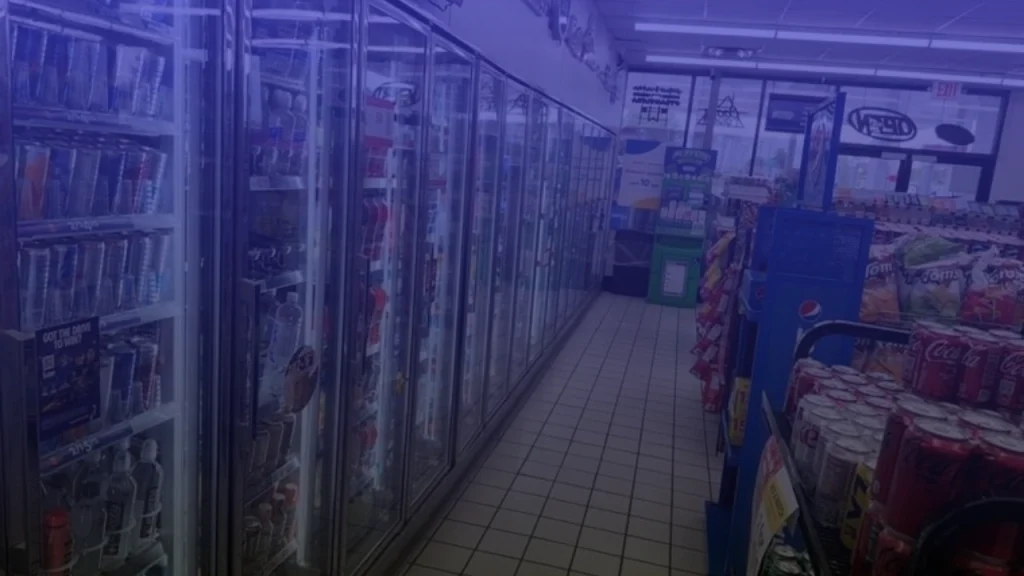
Are Energy Drinks Banned in South Carolina?
Yes, when they meet the state’s definition.
South Carolina defines a restricted energy drink as a beverage that:
- Contains at least 65 milligrams of caffeine per eight fluid ounces; and
- Is marketed as providing metabolic stimulation or increasing mental or physical energy.
Both caffeine content and marketing are important.
A beverage marketed as an energy booster may qualify even when it contains no sugar.
Are coffee and tea banned?
No.
Coffee and tea, including qualifying substantially coffee- or tea-based beverages, are expressly excluded from the energy-drink definition.
However, a sweetened ready-to-drink coffee or tea product may still require evaluation under the separate sweetened-beverage rule.
The state’s handbook specifically discusses exceptions for unsweetened or zero-sugar coffee and tea beverages.
Is Candy Banned, but Cookies Still Allowed?
Yes.
South Carolina’s candy definition generally covers products combining sweeteners with ingredients such as chocolate, fruit or nuts, sold in bars, drops or pieces.
Typical examples include:
- Chocolate candy bars.
- Gummies.
- Hard candies.
- Sweetened candy pieces.
- Caramels.
- Other products marketed as confectionery treats.
But the state excludes several products that shoppers might otherwise assume are candy.
Products excluded from the candy definition
The official retailer handbook identifies:
- Granola bars.
- Protein bars.
- Chocolate chips used for baking.
- Chocolate melting wafers.
- Toffee bits and baking sprinkles.
- Cookies.
- Cakes.
- Muffins.
- Brownies.
- Crackers.
- Pastries.
- Bread and similar bakery products.
This means South Carolina does not have the same packaged-cookie restriction as Florida.
For example, a cookie product primarily identified and sold as a cookie is excluded from South Carolina’s candy definition.
The item must still meet ordinary federal SNAP food eligibility requirements.
Why Are South Carolina Convenience Stores Challenging the Ban?
The South Carolina Convenience & Petroleum Marketers Association (SCCPMA) represents convenience stores and gas stations.
The association joined Meyer v. Rollins because its SNAP-authorized members say the restrictions create substantial financial and operational burdens.
Their principal concern is product classification.
A store must distinguish restricted products from permitted products across potentially thousands of different barcodes.
That becomes especially difficult for businesses selling a changing selection of beverages, snacks, seasonal candy and private-label products.
The problem with barcode classification
Most modern retailers use Universal Product Codes (UPCs) to manage checkout systems.
When a customer pays with EBT, the system must determine which items qualify for SNAP.
Stores therefore need accurate eligibility data.
But products can change.
A manufacturer may introduce a new flavor, reformulate a drink or release a special-edition package.
A retailer may need to review the product again.
What are retailers alleging?
The November 18 complaint includes examples from South Carolina businesses.
The Spinx Company: According to the complaint, one member evaluated approximately 12,700 product codes in preparation for implementation.
RaceTrac: An affiliated business described the difficulties of categorizing products and keeping up with frequent changes.
A retailer operating in South Carolina and North Carolina described having to maintain separate product records because the two states apply different SNAP rules.
These are descriptions and allegations contained in the plaintiffs’ filings, not independent findings by the court that every retailer experienced the same costs.
Does South Carolina publish a complete UPC list?
The plaintiffs contend that the state has not provided a complete binding list identifying every eligible and ineligible barcode.
South Carolina DSS instead provides category definitions, a retailer handbook and product-classification guidance.
That leaves individual retailers responsible for making many practical classification decisions.
This is one of the strongest reasons the new lawsuit is relevant to local convenience-store owners.
When Can South Carolina SNAP Retailers Be Penalized?
The state’s restrictions began November 1, but USDA’s nationwide food-restriction compliance framework provides an initial 90-day grace period for existing authorized retailers.
The November 18 complaint identifies January 29, 2027, as the expected start of federal enforcement for South Carolina retailers under that framework.
The distinction matters.
South Carolina SNAP retailer enforcement timeline
| Date | What happens |
| October 30, 2026 | State retailer attestation deadline |
| November 1, 2026 | New product restrictions begin |
| November 1, 2026–late January 2027 | Initial 90-day federal enforcement grace period |
| January 29, 2027 | Enforcement start identified in the federal complaint |
| After the grace period | USDA compliance investigations may test restricted-product purchases |
| First substantiated violation | Warning letter under USDA’s published framework |
| Subsequent violation after the corrective period | Potential involuntary withdrawal from SNAP |
| After an adverse decision | Applicable administrative review procedures may be available |
The grace period does not mean stores may legally ignore the restrictions until January 29.
SNAP retailers have been required to classify and restrict products since November 1.
The grace period concerns USDA’s approach to federal compliance investigations and sanctions.
What happens after a first violation?
USDA’s guidance describes an initial warning after a retailer is found selling a restricted product through SNAP.
The enforcement framework provides a corrective period before a subsequent finding can lead to involuntary withdrawal.
What happens after a second violation?
A subsequent substantiated violation can lead to involuntary withdrawal of SNAP authorization, subject to the applicable administrative procedures and review rights.
Losing authorization means the store would no longer be allowed to accept SNAP EBT payments.
The plaintiffs argue that this potentially severe consequence is disproportionate when a store makes an inadvertent product-classification mistake.
USDA’s position is that retailers must comply with federal SNAP requirements to maintain authorization.
A second checkout error does not automatically establish that authorization has already been revoked; the agency must follow its applicable process.
How Can Convenience Stores Avoid SNAP Classification Mistakes?
Retailers should use South Carolina DSS’s current Version 4 retailer operational handbook, rather than older versions containing the original August implementation date.
A practical compliance checklist includes:
- Review the definitions of candy, soft drinks, energy drinks and sweetened beverages.
- Check exclusions for bakery products, protein bars, sports drinks and diet soda.
- Update the store’s POS product database.
- Work with the EBT processor or software provider.
- Test mixed baskets containing allowed and restricted items.
- Train employees to explain payment rejections without making assumptions about customers.
- Maintain a documented method for reviewing new products and reformulations.
- Preserve records of classification decisions and corrections.
- Display the state’s approved informational materials.
- Follow USDA notices and any subsequent policy revisions.
What if a retailer missed the October 30 attestation deadline?
South Carolina’s current retailer page identifies October 30, 2026, as the deadline for the required attestation.
A store that did not complete it should contact South Carolina DSS immediately for instructions.
The published state page does not establish that every late attestation automatically results in immediate loss of SNAP authorization.
Retailers should request a written explanation of any applicable consequences rather than assume either that no action is necessary or that their authorization has already ended.
Do the Restrictions Apply to Walmart, Publix, Food Lion and Gas Stations?
Yes.
South Carolina DSS says all USDA-authorized SNAP retailers operating in the state must follow Healthy Food SC for SNAP transactions.
This includes qualifying supermarkets, small grocery stores, convenience stores and gas stations.
The type of business does not create a general exemption.
For example, a convenience store that sells both candy and bread may continue accepting SNAP for eligible bread while requiring another payment method for restricted candy.
A retailer should not reject an entire basket simply because it contains one restricted item when the transaction can be processed correctly using split payment.
The exact checkout workflow depends on the retailer’s system.
What if Your South Carolina EBT Card Is Declined?
If an item is restricted, the checkout system may require the customer to use another payment method.
But a rejected product does not necessarily mean the shopper’s SNAP case has been closed.
If you believe the product is eligible:
- Ask which specific item was rejected.
- Review the current South Carolina product definitions.
- Request a store-level review of the item classification.
- Keep the product name, packaging information and transaction details.
- Contact DSS with a general question about the Healthy Food SC program.
The state’s official webpage includes a Healthy Food SC Inquiry Form.
However, DSS cautions that it cannot necessarily respond with a definitive eligibility determination for each individual product.
That makes the published definitions and retailer handbook particularly important.
Do South Carolina SNAP Rules Apply When Shopping in North Carolina or Georgia?
Not automatically.
South Carolina’s household guidance states that an EBT cardholder shopping in another state is subject to that state’s applicable SNAP rules.
For example, a South Carolina household shopping at a qualifying store in North Carolina may find that an item restricted in South Carolina remains eligible there.
Likewise, a North Carolina EBT recipient shopping at a physical SNAP-authorized store in South Carolina is subject to South Carolina’s restrictions.
What about online SNAP orders?
South Carolina’s guidance distinguishes two situations.
Orders packed at a walk-in store: The retailer follows the SNAP rules of the state where the store is located.
Orders packed at a warehouse closed to customers: The retailer follows the SNAP rules of the state that issued the customer’s EBT card.
For example, if a South Carolina EBT cardholder orders groceries from a customer-inaccessible fulfillment warehouse, South Carolina’s restrictions apply under the published guidance.
This creates a practical compliance issue for retailers serving customers across state lines.
Does Healthy Food SC Reduce Monthly SNAP Benefits?
No.
South Carolina DSS expressly states that its food-restriction demonstration does not change household SNAP eligibility or monthly benefit allotments.
The rule changes which items can be bought using SNAP funds.
It does not reduce a household’s benefits simply because the household previously purchased soda or candy.
The program also does not change South Carolina’s WIC-approved foods.
WIC is administered separately and follows its own product eligibility rules.
Why Was the South Carolina SNAP Ban Delayed From August to November?
The state originally planned an August 31, 2026 rollout.
But an earlier federal case, Aragon v. Rollins, resulted in a June 22 ruling vacating similar USDA approvals involving five other states.
Those states were Colorado, Iowa, Nebraska, Tennessee and West Virginia.
On August 25, USDA instructed South Carolina DSS to postpone implementation until November 1.
The federal agency said it wanted additional time to publish notice in the Federal Register and review public comments.
USDA ultimately allowed South Carolina’s project to proceed.
In a November 3 federal notice, the department acknowledged that many commenters opposed the restrictions, citing consumer choice, potential health impacts, retailer burdens and checkout confusion.
USDA nevertheless concluded that the revised South Carolina waiver should proceed.
The delay explains why older retailer PDFs and articles may still display an August 31 start date.
The correct current date is November 1, 2026.
What Is the New South Carolina SNAP Lawsuit?
On November 18, 2026, a group of SNAP recipients and the South Carolina Convenience & Petroleum Marketers Association filed Meyer v. Rollins, Case No. 1:26-cv-04079, in the U.S. District Court for the District of Columbia.
The case challenges USDA’s approval of SNAP food restrictions in 18 states.
The defendants are USDA and Agriculture Secretary Brooke Rollins.
What are the legal allegations?
The plaintiffs argue that USDA exceeded its authority under 7 U.S.C. § 2026(b) by approving nutrition-focused restrictions through an administrative demonstration waiver.
They also argue that the agency failed to adequately explain why it reversed its earlier position opposing similar restrictions.
The complaint seeks relief under the Administrative Procedure Act, including 5 U.S.C. § 706.
For the South Carolina retailers, the practical allegations concern compliance expenses, unclear classifications and the risk of losing authorization to accept SNAP.
Has the class action been certified?
No class certification has been verified.
The lawsuit is a putative class action seeking declaratory and injunctive relief.
It does not establish that the plaintiffs have won.
Is there a settlement or compensation claim?
No.
There is no cash settlement, refund portal or payment deadline connected with the lawsuit.
The plaintiffs are seeking to invalidate the waivers.
For background on the earlier SNAP legal challenges, see SNAP Recipients Sue USDA Over Sugary Drink and Candy Bans, What Every Food Stamp User Needs to Know.
That earlier proceeding is different from the newly filed Meyer case.
Why the South Carolina Rules Create Problems for Small Businesses
The current dispute highlights a concern that extends beyond the classification of sugary products.
Large retailers may have dedicated legal, technology and compliance teams.
Smaller convenience stores may rely on a single checkout software provider and a small number of employees.
A small store may have difficulty evaluating thousands of products.
A seasonal candy assortment, newly introduced soft drink or changed ingredient list can require another classification decision.
The plaintiffs argue that these responsibilities increase operating costs and make accidental violations difficult to avoid.
They also argue that losing SNAP authorization could affect customer access to groceries, particularly in communities with limited shopping options.
These concerns are relevant to the court’s review of agency decision-making, but they do not establish that South Carolina’s current waiver has already been invalidated.
For a separate legal dispute involving grocery transactions and SNAP users, see Aldi SNAP,EBT Pricing Lawsuit Dismissed, What It Alleged and What Happens Next — La Tour II v. Aldi Foods, Inc., No. 2:26-cv-08737.
That case involved different allegations and is not part of Healthy Food SC.
Can South Carolina Retailers Lose SNAP Authorization for Fraud?
Food-restriction compliance and SNAP trafficking are different legal issues.
A retailer misclassifying a beverage is not automatically the same as intentionally exchanging SNAP benefits for cash.
USDA has separate enforcement rules for different types of SNAP violations.
The Healthy Food SC controversy concerns compliance with newly approved product restrictions.
Criminal fraud cases have different factual and legal requirements.
For comparison, Oregon SNAP Fraud Crackdown, 40 People Charged in EBT Theft Schemes Involving More Than $3 Million concerns a separate alleged benefits-theft operation.
No finding in that Oregon case determines whether South Carolina stores are complying with Healthy Food SC.
Where Can Shoppers and Retailers Get Official Help?
South Carolina DSS — Healthy Food SC
Shopper guidance
Retailer requirements, attestation information and handbook
Healthy Food SC email
USDA SNAP Retailer Service Center
1-877-823-4369
Retailers should use the current state materials and USDA instructions when resolving compliance issues.
Customers seeking assistance with SNAP eligibility, benefits or EBT card problems should use the official South Carolina DSS benefits portal or contact DSS through its published assistance channels.
Frequently Asked Questions About South Carolina SNAP Restrictions
When did South Carolina’s soda and candy ban start?
November 1, 2026.
Can you buy Diet Coke with EBT in South Carolina?
Yes. South Carolina expressly allows diet and zero-sugar soft drinks.
Is regular soda banned?
Qualifying sugary carbonated soft drinks are restricted under the state’s definition.
Can you buy Gatorade with SNAP?
Qualifying sports and rehydration beverages remain eligible.
Can you buy Red Bull or Monster with food stamps?
Products meeting South Carolina’s caffeine threshold and energy-drink marketing definition are restricted.
Can you buy cookies and cakes?
Yes. South Carolina excludes cookies, cakes, brownies and other specified bakery products from its candy definition.
Can you buy candy bars?
No. Ordinary candy bars generally fall within the restricted candy category.
Are granola bars eligible?
Yes. Granola and protein bars are expressly excluded from the candy definition.
Will South Carolina reduce monthly SNAP benefits?
No. The restrictions concern eligible purchases rather than automatic reductions to monthly allotments.
When does federal retailer enforcement begin?
The November 18 complaint identifies January 29, 2027 as the expected enforcement start following USDA’s 90-day grace period. Retailers were required to comply beginning November 1.
Can a convenience store lose SNAP authorization?
Potentially, under USDA’s retailer compliance framework after applicable enforcement findings and procedures.
Has the November lawsuit overturned the ban?
No. The lawsuit is pending, and no order suspending the South Carolina restrictions has been verified.
Can SNAP recipients receive settlement payments?
No compensation program has been established by the lawsuit.
Bottom Line: South Carolina’s SNAP Rules Are Different From Other States
South Carolina’s Healthy Food SC restrictions began November 1, 2026.
The state prohibits SNAP purchases of specified candy, sugary sodas, energy drinks and other sweetened beverages.
But diet and zero-sugar soft drinks, qualifying sports drinks, bakery products, granola bars and protein bars remain eligible.
For retailers, the most important issue is correctly classifying products and maintaining compliant EBT systems.
The state rules already apply. USDA’s initial 90-day grace period concerns the enforcement process, with January 29, 2027 identified as the expected start of ordinary post-grace enforcement.
Meanwhile, the South Carolina Convenience & Petroleum Marketers Association is challenging the federal approval process alongside SNAP recipients in a new 18-state lawsuit.
Until a court or authorized agency changes the rules, shoppers and stores should continue following the current South Carolina DSS guidance.
This article provides general South Carolina public-benefits and federal administrative-law information, not individualized legal advice. Product classifications, retailer enforcement practices and court proceedings may change.
Primary Sources and Official Documents
- South Carolina DSS — Healthy Food SC Program
- South Carolina DSS — Healthy Food SC Household Guidance
- South Carolina DSS — Retailer Requirements and FAQs
- South Carolina DSS — Retailer Operational Handbook, Version 4 (PDF)
- USDA — South Carolina SNAP Food Restriction Waiver
- USDA — Official October 29 Retailer Notice
- USDA — November 2026 South Carolina Waiver Approval Notice
- USDA — SNAP Food Restriction Waiver Tracker
- USDA — Food Restriction Waivers and Retailer Compliance Guidance
- USDA — August 25 Letter Postponing South Carolina Implementation (PDF)
- Meyer v. Rollins — November 18 Federal Complaint (PDF)
- National Center for Law and Economic Justice — November 18 Lawsuit Announcement
- 7 U.S.C. § 2026 — Federal SNAP Demonstration Authority
- 5 U.S.C. § 706 — Administrative Procedure Act
- 7 CFR § 278.1 — SNAP Retailer Authorization Requirements
Fact-check date: November 23, 2026. Product definitions were verified against South Carolina DSS’s current guidance and retailer handbook. The January 29 enforcement date is reported in paragraph 217 of the November 18 federal complaint and is consistent with USDA’s 90-day compliance framework; it is not a separate judicial deadline.
About the Author
Israr Ahmad is a legal content researcher with 4+ years of experience covering class action settlements and consumer rights cases. He has researched and published coverage of 2,500+ settlements using verified court records, settlement administrator filings, and government sources. Learn more about Israr.