
SNAP Soda and Candy Ban Lawsuit 2026, Which 18 States Are Affected and What Can You Still Buy?
A putative class action filed November 18, 2026 asks a federal court to throw out the USDA approvals behind SNAP soda and candy restrictions in 18 states. The case, Meyer v. Rollins, No. 1:26-cv-04079, is in the U.S. District Court for the District of Columbia. Seventeen SNAP recipients and the South Carolina Convenience & Petroleum Marketers Association are suing the U.S. Department of Agriculture and Agriculture Secretary Brooke Rollins.
The plaintiffs want the approvals set aside. They are not asking for money for SNAP recipients.
Filing the lawsuit did not suspend any restriction. Where a state’s rule is already in effect, such as Texas, Florida, South Carolina and Virginia, your EBT card still can’t pay for restricted items unless a court issues an order. States with later start dates are still on their published schedules.
There is no settlement, no claim form and no payout tied to this case.
SNAP Soda and Candy Ban Lawsuit: Quick Facts
| Detail | Information |
| Case | Meyer v. Rollins |
| Case number | 1:26-cv-04079 |
| Court | U.S. District Court, District of Columbia |
| Filed | November 18, 2026 |
| Plaintiffs | 17 SNAP recipients and the South Carolina Convenience & Petroleum Marketers Association |
| Defendants | USDA and Secretary Brooke Rollins (official capacity) |
| Plaintiffs’ lawyers | National Center for Law and Economic Justice and Shinder Cantor Lerner LLP |
| States challenged | 18 |
| SNAP participants in those states | More than 11 million as of October 2026, according to the complaint |
| Type of case | Putative class action; two proposed classes; declaratory and injunctive relief only |
| Class certified? | No |
| Money damages sought? | No |
| Main laws cited | 7 U.S.C. § 2026(b) and (k); Administrative Procedure Act, 5 U.S.C. § 706; 7 C.F.R. § 282.1(b) |
| Related earlier case | Aragon v. Rollins, No. 1:26-cv-00861 (D.D.C.) |
| Official state tracker | USDA SNAP Food Restriction Waivers (updated November 12, 2026) |
Which 18 States Does the Meyer v. Rollins SNAP Lawsuit Cover?
The complaint challenges the waivers in Arkansas, Florida, Hawaii, Idaho, Indiana, Kansas, Louisiana, Missouri, Montana, Nevada, North Dakota, Ohio, Oklahoma, South Carolina, Texas, Utah, Virginia and Wyoming. Dates and product summaries below come from USDA’s tracker and the complaint.
SNAP restrictions already in effect (12 states)
| State | In effect since | What’s restricted |
| Indiana | January 1, 2026 | Soft drinks and candy |
| Utah | January 1, 2026 | Soft drinks |
| Idaho | February 15, 2026 | Soda and candy |
| Oklahoma | February 15, 2026 | Soft drinks and candy |
| Louisiana | February 18, 2026 | Soft drinks, energy drinks and candy |
| Texas | April 1, 2026 | Sweetened drinks and candy |
| Florida | April 20, 2026 | Soda, energy drinks, candy and prepared desserts |
| Arkansas | July 1, 2026 | Soda, fruit and vegetable drinks with less than 50% juice, energy drinks, “unhealthy drinks” and candy |
| Montana | November 1, 2026 | High-sugar beverages, energy drinks, candy and prepared desserts |
| North Dakota | November 1, 2026 | Sweetened beverages, energy drinks and candy |
| South Carolina | November 1, 2026 | Candy, energy drinks, soft drinks and sweetened beverages |
| Virginia | November 1, 2026 | “Sweetened beverages” (carbonated; see below) |
SNAP restrictions scheduled for 2027 or 2028 (6 states)
| State | Scheduled start | What’s restricted |
| Wyoming | February 1, 2027 | Sweetened, carbonated beverages |
| Kansas | February 15, 2027 | Candy and soft drinks |
| Missouri | February 15, 2027 | Candy, prepared desserts and certain unhealthy beverages |
| Hawaii | April 1, 2027 | Soft drinks |
| Ohio | April 1, 2027 | Sugar-sweetened beverages and all fountain drinks |
| Nevada | February 1, 2028 | Candy and sugar-sweetened beverages |
A future date is not a current ban. These dates can change if a court, USDA or the state acts.
Why Aren’t Colorado, Iowa, Nebraska, Tennessee and West Virginia in the New Lawsuit?
Those five states were covered by Aragon v. Rollins. Judge Amy Berman Jackson ruled on June 22, 2026 that USDA had no statutory authority to approve those waivers under the provision it used, and the court vacated them. USDA’s tracker says the waivers’ implementation “may not proceed.” USDA appealed in August, and the appeal is pending.
Meyer targets the 18 waivers that remain. NCLEJ’s press release calls them “legally vulnerable” because they rely on the same legal authority. News reports say the new case was filed as related to Aragon and is before the same judge.
A note on Nebraska: USDA’s tracker still shows target dates for Nebraska (December 1, 2026, with candy added March 1, 2027) based on a separate request for public comment published October 2, 2026. Nebraska was one of the five Aragon states, and it is not among the 18 challenged in Meyer. The Food Research & Action Center has said Nebraska “may present additional issues” because it requested another waiver while the litigation was pending. Nebraska residents should check with the state’s Department of Health and Human Services.
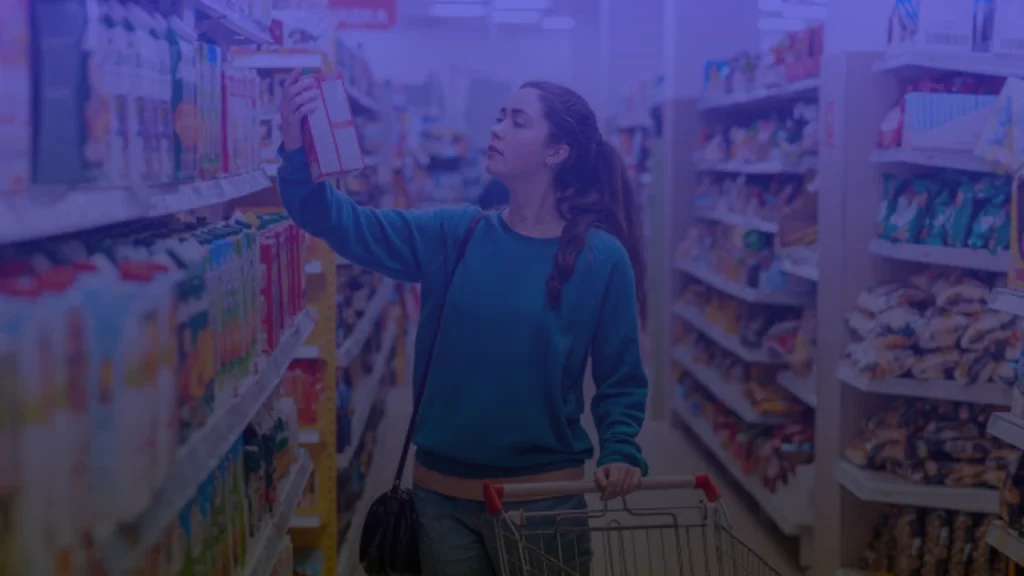
Why Are SNAP Recipients Suing USDA Over the Soda and Candy Waivers?
The complaint brings three claims under the Administrative Procedure Act (APA). They are about USDA’s authority and process, not about whether soda is healthy.
Did USDA use the wrong law to approve the waivers?
That is the lead claim. USDA approved all 18 waivers under 7 U.S.C. § 2026(b), which allows pilot projects to improve how SNAP is run and how benefits are delivered. The plaintiffs say projects meant to improve recipients’ diets or health can be approved, if at all, only under § 2026(k), which has stricter requirements, including publicly disseminated evaluation criteria and “rigorous” methods. Aragon held the same on June 22. Claim one rests on 5 U.S.C. § 706(2)(C), which lets a court set aside action in excess of statutory authority.
The plaintiffs also argue, in the alternative, that the waivers fail § 2026(b) on its own terms, because they don’t serve any of its four permitted purposes and lack an evaluation method that could measure program efficiency.
Did USDA explain reversing its 2018 position?
The complaint says USDA rejected similar proposals from Maine and Nevada in January 2018, citing higher administrative costs, burdens on small retailers, difficult line-drawing between products and restrictions on household choice without demonstrated health benefits. The plaintiffs say USDA reversed course without explaining why. An agency can change its mind, but the APA’s “arbitrary and capricious” standard (5 U.S.C. § 706(2)(A)) generally requires it to acknowledge the change and give reasons.
Were Federal Register notice and comment skipped?
For a subset of states, yes, the complaint says. Under 7 C.F.R. § 282.1(b), USDA must publish notice at least 30 days before starting a demonstration project likely to significantly affect the public. The plaintiffs say USDA decided once, in a December 30, 2025 memo, that the rule didn’t apply to food restriction waivers. Waivers in Arkansas, Florida, Idaho, Indiana, Louisiana, Oklahoma, Texas and Utah took effect before any notice, and USDA first asked for comment on September 15, 2026, after Aragon held that determination unlawful. The plaintiffs say late comment can’t cure the problem. This claim is brought for a separate proposed class, the “Notice and Comment Class.”
USDA and the states say the restrictions are meant to encourage healthier diets. USDA describes the waivers as giving states flexibility to promote more nutritious choices. The court has not decided any of these claims in Meyer, and a complaint contains allegations, not findings.
What Does the Meyer v. Rollins Complaint Ask the Court to Do?
The plaintiffs ask the court to:
- certify two classes under Federal Rule of Civil Procedure 23(b)(2): a Food Restriction Class (people who have received or will receive SNAP in a state with a challenged waiver since January 1, 2025) and a Notice and Comment Class (members of that class in the eight states where waivers started before notice);
- declare the approvals unlawful and vacate them;
- permanently block enforcement of waivers already in effect and implementation of those not yet started;
- bar USDA from approving future food restriction waivers under § 2026(b); and
- award attorneys’ fees and costs under 28 U.S.C. § 2412 (the Equal Access to Justice Act).
The complaint states that the plaintiffs “seek no damages and no individualized relief.” Nothing to claim, no deadline and no sign-up. Because the case seeks relief under Rule 23(b)(2), a certified class would not have an opt-out or objection process like a settlement class does.
The court could rule for USDA, narrow the remedy, treat states differently, or decide the issues after an appeal in Aragon. The government may also appeal an unfavorable ruling.
What Can You Buy With SNAP in Texas Under the Candy and Sweetened Drink Rules?
Texas’s restrictions began April 1, 2026 under Senate Bill 379 and an August 2025 USDA waiver. Per the Texas Health and Human Services Commission:
Not allowed with SNAP
- Candy: candy bars, gum, taffy, and nuts, raisins or fruit that are candied, glazed or coated with chocolate, yogurt or caramel.
- Sweetened drinks: nonalcoholic drinks made with water that have 5 grams or more of added sugar or any amount of artificial sweetener, including soda and drinks with less than 50% juice.
Still allowed
- Drinks with milk or milk substitutes, and drinks with more than 50% fruit or vegetable juice by volume.
- Drinks sweetened with natural sweeteners such as stevia or monk fruit and under 5 grams of added sugar.
- Medical-grade electrolyte drinks used to treat dehydration that are not labeled as sports drinks.
- Granola bars, popcorn and ordinary groceries.
Because of the “sports drink” language and the artificial-sweetener rule, many sports drinks and diet drinks are likely to fall under Texas’s restriction. Check the label.
Texas says the restrictions apply to online SNAP orders as well. Purchases outside Texas follow the rules of the state where the store is.
What Can You Buy With SNAP in Florida After the Healthy SNAP Rules?
Florida’s rules began April 20, 2026. According to Florida’s Healthy SNAP retailer guidance, SNAP can’t be used for:
- Soda, including regular, diet and zero-sugar soda.
- Energy drinks, meaning drinks with 65 milligrams or more of caffeine per 8 ounces that are marketed to boost energy or alertness (Monster, Red Bull, Celsius).
- Candy, including chocolate bars, gummies, hard candy and trail mix that contains candy.
- Ultra-processed prepared desserts, meaning shelf-stable, pre-packaged ready-to-eat sweets, such as snack cakes (Twinkies, Ho Hos), packaged cookies (Oreos, Chips Ahoy!) and similar brand-name products.
Still allowed, according to Florida: Gatorade and Powerade, sparkling water, drinks with more than 50% juice or under 5 grams of added sugar, coffee and tea, granola bars, Pop-Tarts and similar breakfast pastries, and freshly prepared baked goods.
What Can You Buy With SNAP in Virginia? Is Candy Banned?
No. Virginia’s waiver covers specified beverages, not candy. According to the Virginia Department of Social Services, since November 1, 2026, SNAP can’t buy carbonated sweetened drinks. That means soda, diet soda, zero-sugar soda, carbonated energy drinks and carbonated drinks with 5 grams or more of added sugar per serving.
Still allowed in Virginia: non-carbonated energy drinks, unsweetened seltzer, lemonade, juice, iced tea, iced coffee, milk and milk alternatives, kombucha, infant formula, sports drinks and nutritional shakes. Virginia says the change doesn’t affect eligibility or the amount of a household’s benefits.
South Carolina SNAP Restrictions: Why Is a Convenience Store Group Suing?
South Carolina’s waiver began November 1, 2026. It restricts candy, energy drinks, soft drinks and sweetened beverages. USDA approved a change to the state’s “soft drinks” definition on August 3, 2026. The South Carolina Convenience & Petroleum Marketers Association, whose members include SNAP-authorized convenience stores and gas stations, is a plaintiff.
The complaint says the waiver’s terms, such as “candy” and “sweetened beverages,” are undefined, and that South Carolina hasn’t published a list of restricted products. It says one member reviewed about 12,700 product codes, another said compliance “effectively adds a full-time position,” and a member operating in two states keeps three separate price books. The complaint also cites a 2025 study commissioned by national retail trade groups that estimated $1.558 billion in up-front compliance costs for retailers nationwide and more than $759.1 million in yearly costs.
Enforcement. According to the complaint, USDA’s December 30, 2025 guidance provides for a 90-day grace period, then investigations, including undercover ones. A first violation brings a warning letter. If further violations are found 30 days later, the store can be removed from SNAP. The complaint says USDA enforcement against South Carolina retailers is set to begin January 29, 2027. The plaintiffs say retailers could lose SNAP status over good-faith mistakes. The complaint doesn’t establish that stores have actually left SNAP. Official information: South Carolina SNAP Healthy Food Choice Project.
What About Missouri, Kansas and Ohio in 2027?
- Missouri (February 15, 2027): candy, prepared desserts and certain unhealthy beverages. Check Missouri’s Healthy SNAP page for product definitions.
- Kansas (February 15, 2027): candy and soft drinks. USDA’s summary doesn’t list prepared desserts.
- Ohio (April 1, 2027): sugar-sweetened beverages and all fountain drinks, which is broader than bottled soda.
Why Do Disabled and Chronically Ill People Appear in the Meyer Lawsuit?
The complaint’s individual plaintiffs describe how the waivers affect them. These are allegations, not court findings. Examples include:
- Kristin Meyer (Nampa, Idaho) says she has dysautonomia, autoimmune conditions and ME/CFS, needs electrolyte drinks and easy-to-eat foods such as granola bars, and has frequently been dehydrated since Idaho’s waiver started.
- Tamara Wagner (Fargo, North Dakota) says she has POTS and diabetes and relies on electrolyte drinks, candy for blood-sugar drops and diet soda for nausea.
- Stephanie Morgan (Tulsa, Oklahoma) says she lives in an extended-stay hotel without a kitchen and uses soda and candy for digestive and blood-sugar needs.
- Plaintiffs in Texas, Virginia, Florida, Montana and other states describe needs ranging from hydration at work to quick sugar for hypoglycemia.
The complaint says none of the waivers has an exception for medical need or lets anyone opt out. It also describes checkout mistakes, such as a Texas plaintiff being told she could only buy water and a Florida plaintiff being told he couldn’t buy vanilla pudding and juice that the plaintiffs say Florida’s waiver allows.
If you have a medical need, ask your healthcare provider about alternatives and contact your state SNAP agency about the rules. Don’t assume an individual exception exists.
Can You Use EBT for Restricted Foods in Another State or Online?
Rules follow where the store is or, for some online orders, where the card was issued.
- In-store purchases: Texas says its restrictions are specific to Texas retailers, and that purchases outside Texas follow the rules of the state where you shop.
- Online orders packed in a walk-in store: the store’s state rules apply, according to Florida’s retailer guidance.
- Online orders packed in a warehouse customers can’t enter: the rules of the state that issued the EBT card apply.
So the same drink can be eligible in one state and not another, or at one retailer and not another, depending on how the order is filled. The plaintiffs say this patchwork undermines the portability of SNAP benefits. Federal rules (7 C.F.R. § 274.8(b)(10)) require interoperability of SNAP benefits.
What If Your EBT Card Is Declined for a Soda or Candy?
A decline doesn’t mean your benefits were canceled. It usually means the register classified an item as restricted.
- Ask the cashier which item was declined.
- Check your state’s current rules (links above).
- If you think the item was classified wrongly, ask for a manager and ask the retailer or your state SNAP agency to review it.
- Pay for restricted items with cash or another non-SNAP payment. The restriction is on using SNAP, not on buying the product.
- Keep the receipt if you want the issue looked at.
Meyer v. Rollins doesn’t create an appeal process for individual declined purchases. Contact your state SNAP agency about its procedures.
What Happens If the Plaintiffs Win in Meyer v. Rollins?
If the court vacates the approvals, state restrictions could end or be blocked from starting. That isn’t guaranteed. The remedy could be limited, the government could appeal, and a ruling could treat states differently. Until a court order or an official policy change takes effect, follow your state’s current rules.
SNAP Food Restriction Lawsuit Timeline
| Date | Development |
| 2018 | USDA rejects similar Maine and Nevada proposals, according to the complaint |
| May 2025 | USDA begins approving food restriction waivers |
| December 30, 2025 | USDA issues retailer enforcement guidance |
| January 1, 2026 | Indiana and Utah restrictions begin |
| March 11, 2026 | Aragon v. Rollins filed |
| April 1 and April 20, 2026 | Texas and Florida restrictions begin |
| June 22, 2026 | Court vacates five waivers in Aragon |
| July 1, 2026 | Arkansas restrictions begin |
| August 2026 | USDA appeals Aragon |
| September 15, 2026 | USDA first requests public comment on eight waivers already in effect |
| November 1, 2026 | Montana, North Dakota, South Carolina and Virginia restrictions begin |
| November 18, 2026 | Meyer v. Rollins filed |
| January 29, 2027 | Scheduled start of USDA enforcement against South Carolina retailers, per the complaint |
| February to April 2027 | Wyoming, Kansas, Missouri, Hawaii and Ohio restrictions scheduled |
| February 1, 2028 | Nevada restrictions scheduled |
Each waiver is approved for two years, and a state may request up to three annual extensions, for five years total, according to the complaint.
SNAP Soda and Candy Ban Lawsuit: Frequently Asked Questions
Are soda and candy banned for SNAP in all 50 states?
No. Restrictions exist only in states with USDA-approved waivers, and each state’s rules differ.
Which states are in the Meyer v. Rollins lawsuit?
Arkansas, Florida, Hawaii, Idaho, Indiana, Kansas, Louisiana, Missouri, Montana, Nevada, North Dakota, Ohio, Oklahoma, South Carolina, Texas, Utah, Virginia and Wyoming.
Is the SNAP soda ban overturned?
Not in those 18 states. Five other states’ waivers were vacated in Aragon, and USDA’s appeal is pending.
Can I get money from the SNAP lawsuit?
No. The plaintiffs aren’t seeking damages, and no claim form or settlement exists. Be wary of sites that say otherwise.
Does Texas ban diet soda with EBT?
Texas excludes drinks with any amount of artificial sweetener, subject to its exceptions.
Can Florida SNAP users buy Gatorade?
Florida’s guidance says Gatorade and Powerade remain SNAP-eligible.
Is candy banned under Virginia’s SNAP rules?
No. Virginia’s waiver covers carbonated sweetened beverages only.
When do Missouri’s and Ohio’s SNAP rules start?
Missouri on February 15, 2027, and Ohio on April 1, 2027, unless the dates change.
Does the lawsuit change my monthly SNAP benefit?
No. The state waivers change what you can buy, not the benefit amount.
Is the class certified?
No. The court hasn’t ruled on class certification.
Bottom Line
Meyer v. Rollins is a serious new challenge to USDA’s approval of SNAP food restrictions in 18 states. It builds on the June 2026 Aragon ruling, which vacated five other states’ waivers and is on appeal. The new case is at the start, and no court has ruled on it. Until it does, the rules in your state still apply at the register. Check your state’s guidance and USDA’s tracker, and expect the answers to differ across state lines.
This article is for informational purposes only and does not constitute legal or medical advice. Laws vary by state and individual circumstances differ. For advice about your specific situation, consult a qualified attorney or your healthcare provider. The case involves allegations that a court has not decided.
Researched and written by Israr Ahmad, legal content researcher and founder of AllAboutLawyer.com. All facts verified against the filed Meyer v. Rollins complaint, the NCLEJ announcement (November 18, 2026), USDA’s SNAP Food Restriction Waivers tracker (updated November 12, 2026) and the Texas, Florida and Virginia state agency guidance, as of November 23, 2026. Last Updated: November 23, 2026.
For background on the earlier case, see SNAP Recipients Sue USDA Over Sugary Drink and Candy Bans, What Every Food Stamp User Needs to Know.
Update Log
- November 23, 2026: Published. Class not certified; no ruling in Meyer v. Rollins.
Sources and Verification
- Meyer v. Rollins, Class Action Complaint, No. 1:26-cv-04079 (D.D.C.) (PDF)
- NCLEJ, Class Action Lawsuit Targets Trump Admin’s Unlawful SNAP Waiver Restrictions Nationwide, November 18, 2026
- USDA, SNAP Food Restriction Waivers
- Texas Health and Human Services, SNAP Purchase Restrictions
- Florida Department of Children and Families, Healthy SNAP Retailer Guidance
- Virginia Department of Social Services, SNAP Healthy
- Aragon v. Rollins, No. 1:26-cv-00861 (D.D.C.), docket
- 7 U.S.C. § 2026
- 7 C.F.R. § 282.1
About the Author
Israr Ahmad is a legal content researcher with 4+ years of experience covering class action settlements and consumer rights cases. He has researched and published coverage of 2,500+ settlements using verified court records, settlement administrator filings, and government sources. Learn more about Israr.