
Regional Methodist Conference Sues Its Own Largest Church Over Governance Changes
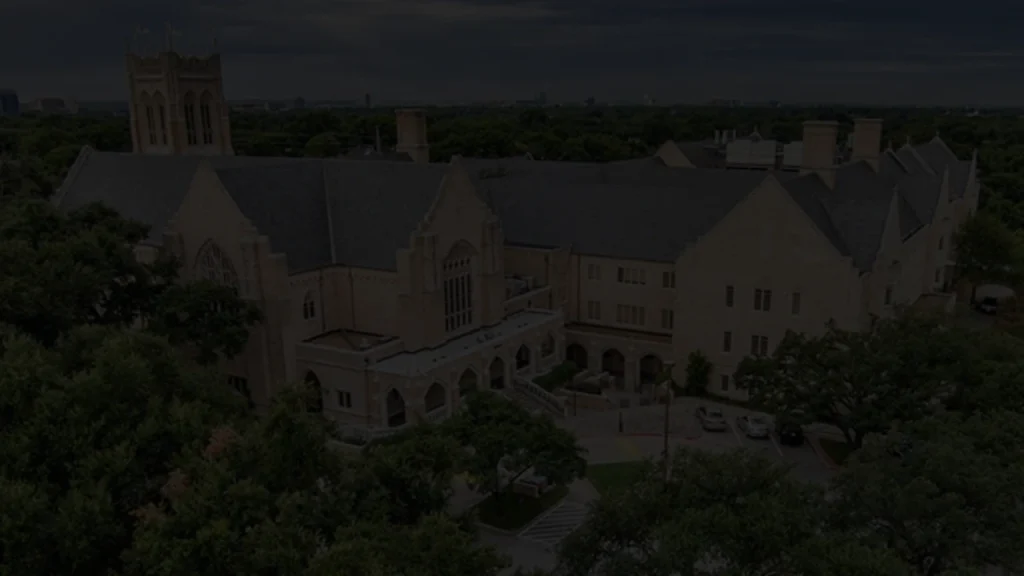
DALLAS — The Horizon Texas Conference of the United Methodist Church has filed a civil lawsuit against Highland Park United Methodist Church, one of the denomination’s largest and wealthiest congregations, accusing the Dallas megachurch of quietly altering its governing documents to sever ties with the denomination without a vote of its members.
The conference, the regional governing body overseeing North Texas UMC congregations, filed the lawsuit August 10 in Dallas County civil court. It asks the court to restore Highland Park’s corporate structure to what it was before changes the church’s council made starting in 2022.
What the lawsuit alleges
According to the complaint, Highland Park’s church council amended the congregation’s articles of incorporation in 2022, changing the legal name of the corporation from “Highland Park United Methodist Church” to “Highland Park Methodist Church” — dropping “United.” The church then filed a “doing business as” certificate with the state so it could continue operating publicly under its original name.
The conference alleges the church made further changes to its bylaws in 2022 and early 2023 that removed all references to the United Methodist Church, the conference, and the Book of Discipline — the denomination’s governing text. Those bylaw changes, the conference says, also stripped congregation members of the right to weigh in on the church’s denominational affiliation, concentrating that decision in the church council instead.
The lawsuit characterizes the combined changes as an attempt to “sever the connectional relationship” between the Highland Park corporation, its congregation, the conference, and the broader denomination — all without the member vote the conference says church governance requires.
Related article: FragranceNet Text Message Lawsuit, Were You Affected? Velazquez v. Telescents Inc., No. 2:26-cv-08890
How the dispute unfolded
The conference says it first learned of the changes in October 2025 and spent the following months trying to resolve the matter privately. It says it made repeated good-faith attempts to get Highland Park’s leadership to bring its governing documents back into alignment with United Methodist polity, including meetings in October and December 2025 and again in March 2026. When those talks failed to produce a resolution, the conference filed suit.
The church’s response
Rev. Matt Tuggle, Highland Park’s senior minister, said in a video message to the congregation that clergy and staff were “caught completely off guard” by the lawsuit. In a written statement, he called the suit “meritless,” adding it was “bewildering and disappointing” given that “we have been faithful United Methodists and have always supported United Methodist leadership.”
Tuggle said the church had met with the bishop twice in the week before the suit was filed and had offered proposals for moving forward together, with no indication beforehand that the conference had legal action in preparation. His predecessor, Rev. Paul Rasmussen, who led Highland Park for more than a decade before moving to an emeritus role earlier this year, also released a statement addressing the case.
Escalation
The conflict escalated through August. On August 20, Highland Park’s church council passed a resolution declaring that the church no longer recognizes the authority of its bishop or the conference to direct the congregation or its clergy, and said it would take steps to protect its clergy from punitive action. Church leadership separately said it “no longer recognizes ecclesiastical authority of the bishop and conference,” calling the lawsuit “unwarranted and unjust.”
On August 26, hundreds of Highland Park members packed a congregational meeting — the first opportunity for Tuggle and the church council to explain publicly why the governing documents were changed four years earlier.
Bishop Rubén Sáenz Jr., who leads the Horizon Texas Conference, addressed the congregation around the same time, telling members he is “not your adversary.” In an amended version of its lawsuit, the conference said it has made “repeated good-faith efforts” over “several months” to resolve the dispute and remains open to a “faithful resolution,” but has not received a proposal from Highland Park consistent with United Methodist governance and polity as required under the Book of Discipline. The conference has also noted that the case is a civil matter to be decided under “neutral principles” of Texas law — the legal doctrine courts typically apply to resolve church property and governance disputes without ruling on religious doctrine.
Context
The lawsuit lands roughly two years after the broader UMC schism over LGBTQ clergy and marriage policy formally concluded, a split in which roughly a quarter of American UMC congregations disaffiliated from the denomination. Highland Park did not leave at that time; the conference’s lawsuit suggests to some observers that the church’s 2022 document changes may have been laying groundwork for a quieter, later separation.
The dispute also follows a separate controversy at the church: in 2024, a Highland Park pastor was charged with soliciting prostitution, and the church faced criticism after it did not inform the congregation of the pending charge until it became public in early 2025.
As of this writing, no trial date has been reported, and neither side has signaled a near-term settlement.
This article is for informational purposes only and reflects publicly reported statements and court filings as of early September 2026.
About the Author
Israr Ahmad is a legal content researcher with 4+ years of experience covering class action settlements and consumer rights cases. He has researched and published coverage of 2,500+ settlements using verified court records, settlement administrator filings, and government sources. Learn more about Israr.