
Nordic Ware “Made in USA” Lawsuit, Did You Overpay for Bakeware Based on a False Claim?
A proposed class action lawsuit filed on March 25, 2026, accuses Nordic Ware, Inc. of falsely labeling and advertising its aluminum bakeware — including Bundt pans, baking sheets, and loaf pans — as “Made in the USA” when virtually all of the aluminum and raw materials used to make those products come from outside the United States. If you purchased Nordic Ware bakeware because of its American-made claims, you may have paid a premium you were not entitled to be charged.
Quick Facts
| Field | Detail |
| Defendant | Nordic Ware, Inc. (Minneapolis, MN) |
| Lawsuit Filed | March 25, 2026 |
| Case Number | 0:26-cv-02030 |
| Court | U.S. District Court, District of Minnesota |
| Products at Issue | Nordic Ware aluminum bakeware (Bundt pans, baking sheets, loaf pans, etc.) |
| What Is Alleged | False “Made in the USA” advertising while using foreign-sourced aluminum |
| Laws Cited | Minnesota False Statements in Advertising Act; Minnesota Prevention of Consumer Fraud Act |
| Settlement Amount | TBD — no settlement reached yet |
| Claim Deadline | TBD |
| Who May Qualify | U.S. consumers who purchased Nordic Ware aluminum bakeware labeled “Made in USA” |
Where Things Stand Right Now
- The March 25, 2026, lawsuit (Case No. 0:26-cv-02030) is a newly filed proposed class action. No class has been certified, and no settlement or trial date exists yet.
- This is at least the second separate federal class action filed against Nordic Ware over the same “Made in USA” labeling conduct. An earlier case (Case No. 0:25-cv-01379, plaintiff Michael Kaufmann) was filed in April 2025 and a court ruled in December 2025 that Nordic Ware must face that class action.
- Nordic Ware has already begun updating some product labels to read “made in America with domestic and imported materials” — a change the lawsuits specifically point to as an acknowledgment that the original unqualified claim was misleading.
What Did Nordic Ware Allegedly Do?
Nordic Ware is a well-known Minneapolis-based bakeware company, famous for popularizing the Bundt pan. For decades, the company has prominently marketed its aluminum bakeware with claims like “Made in the USA,” “Made in America,” and “American Made.” In some cases, those words are physically stamped into the baking pans themselves. Nordic Ware’s website states its “Made in America” label “signifies a deep-rooted commitment to providing American jobs that support families and their communities.”
The problem, according to the lawsuits, is that the most essential ingredient in all of Nordic Ware’s aluminum bakeware — aluminum itself — does not come from the United States.
The complaint contends that virtually all of the aluminum and bauxite used to make the bakeware is sourced from outside the United States, while all of the transformation of the raw materials occurs in Canada. The filing notes that bauxite has not been mined for commercial aluminum production in the United States in over 40 years.
The bauxite — the raw material from which aluminum is derived — is primarily imported from countries including Australia, Guinea, India, Brazil, and Jamaica. Nordic Ware’s own CEO acknowledged to CBS Minnesota that the aluminum arrives at a Wisconsin factory in the form of 5,000-pound coils sourced from Canada.
Related article: ICE Unlawful Stops and Warrantless Arrests Class Action, Were Your Rights Violated in New York?
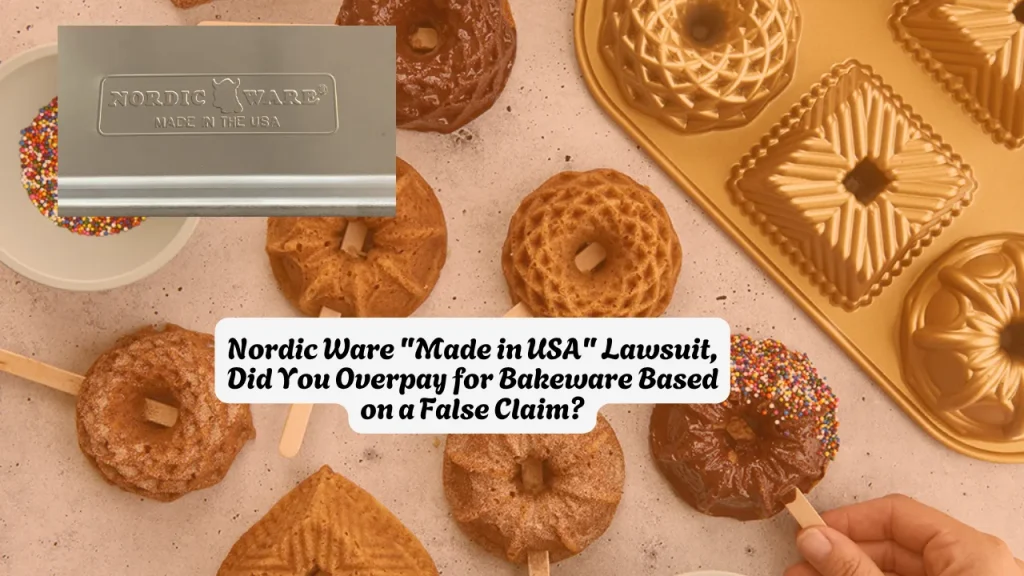
The lawsuits argue that under FTC regulations, a product can only carry an unqualified “Made in USA” claim if it is “all or virtually all” made in the United States — meaning all significant parts, processing, and labor must be of U.S. origin. The FTC has stated that if the gold in a gold ring is imported, claiming the ring was made in America is deceptive because gold is an integral component — only one step back from the finished article. The lawsuits apply that exact same logic to aluminum bakeware.
The lawsuit contends that Nordic Ware has profited handsomely from its bakeware, in part because of the reported 10 percent premium consumers are willing to pay for American-made items. Plaintiffs say they were charged that premium based on a claim that was not accurate.
Who May Qualify to Join This Lawsuit?
The proposed class is broad. You may qualify if all of the following apply:
- You purchased one or more Nordic Ware aluminum bakeware products — including but not limited to Bundt pans, baking sheets, loaf pans, or muffin tins
- The product packaging, label, or the pan itself carried an unqualified claim such as “Made in the USA,” “Made in America,” or “American Made” — without any qualifier about imported materials
- You purchased the product within the applicable statute of limitations period (this varies by state but is typically between two and six years before the lawsuit was filed)
- You are a U.S. resident
You likely do not qualify if:
- Your Nordic Ware product carried the newer qualified label reading “made in America with domestic and imported materials” — the updated language Nordic Ware rolled out in response to prior litigation
- You purchased non-aluminum Nordic Ware products (the lawsuit specifically targets aluminum bakeware)
How Much Could You Receive?
No settlement has been reached, so no confirmed payout amount exists yet. What the lawsuits seek includes:
- Compensatory damages — the price premium you paid based on the “Made in USA” claim, which research cited in the complaint suggests can amount to approximately 10 percent above what a comparable non-American-made product would cost
- Statutory damages under the Minnesota False Statements in Advertising Act and Minnesota Prevention of Consumer Fraud Act
- Disgorgement of profits Nordic Ware earned from the allegedly misleading labeling
- Declaratory relief — a court order requiring Nordic Ware to stop making unqualified “Made in USA” claims
- Attorney fees and costs
The per-person payout in a case like this depends heavily on how many class members are certified, the total amount of bakeware sold under the challenged labels, and whether the case settles or goes to trial. These figures are TBD.
What You Can Do Right Now
- Check your Nordic Ware bakeware — look at the packaging or the pan itself for the words “Made in USA,” “Made in America,” or “American Made” without any qualifier about imported materials
- Keep your proof of purchase — receipts, credit card statements, Amazon order confirmations, or any record showing when and where you purchased the product
- Photograph the labeling — take a clear photo of the “Made in USA” claim on your pan or packaging as documentation
- Monitor the case for updates — Case No. 0:26-cv-02030 is filed in the U.S. District Court for the District of Minnesota. Court filings are publicly accessible through PACER at pacer.gov
- Consult a consumer protection attorney — initial consultations are typically free and carry no obligation
Key Dates & Timeline
| Milestone | Date |
| First Nordic Ware “Made in USA” Class Action Filed | April 2025 (Case No. 0:25-cv-01379) |
| Court Rules Nordic Ware Must Face Class Action | December 2025 |
| Second Class Action Filed (Current Case) | March 25, 2026 |
| Class Certification Hearing | TBD |
| Settlement Negotiations | TBD |
| Trial | TBD |
| Claim Deadline | TBD |
Frequently Asked Questions
What Nordic Ware products does this lawsuit cover?
The lawsuit specifically targets Nordic Ware’s aluminum bakeware — products like Bundt pans, baking sheets, loaf pans, and muffin tins that carry unqualified “Made in USA,” “Made in America,” or “American Made” labels. Products with the newer qualified label reading “made in America with domestic and imported materials” are not covered by the unqualified claims challenge.
Do I need a lawyer to join this class action?
Not right now. The lawsuit is in its early stages and no formal claims process is open yet. If a settlement is eventually reached, eligible class members will receive notice and filing instructions at that time. Initial consultations with consumer protection attorneys are typically free.
Is Nordic Ware denying these allegations?
Nordic Ware has not publicly admitted wrongdoing. The company’s CEO stated that its aluminum is processed in Wisconsin, and the company’s website emphasizes job creation in the U.S. However, a federal judge already ruled in December 2025 that a nearly identical earlier case can proceed — meaning the court found the claims credible enough to move forward.
When will I receive a payment if the case settles?
No settlement exists yet. This case was just filed in March 2026. Settlements in false advertising class actions typically take one to several years to finalize. Once a settlement is reached and court-approved, eligible class members receive a mailed or emailed notice with instructions for filing a claim.
Will a settlement payment affect my taxes?
Payments from consumer false advertising settlements are generally treated as a refund of the purchase price premium you overpaid and are typically not taxable income. However, consult a tax professional for advice specific to your situation once any settlement is reached.
What does the FTC say about “Made in USA” claims?
The FTC requires that a product carrying an unqualified “Made in USA” claim must be “all or virtually all” made in the United States. The FTC’s standard requires that all significant parts, processing, and labor that go into the product must be of U.S. origin. Nordic Ware’s own use of foreign-sourced aluminum is the central issue in this case.
Has Nordic Ware changed its labeling?
Yes — partly. In response to a surge in litigation over “Made in USA” labeling, Nordic Ware began rolling out new labeling with a qualified claim that the aluminum bakeware is “made in America with domestic and imported materials.” The lawsuits focus on the older, unqualified “Made in USA” labels still found on products already sold and currently in consumers’ homes.
Last Updated: April 10, 2026
Disclaimer: This article is for informational purposes only and does not constitute legal advice. Legal claims and outcomes depend on specific facts and applicable law. For advice regarding a particular situation, consult a qualified attorney.
About the Author
Israr Ahmad is a legal content researcher with 4+ years of experience covering class action settlements and consumer rights cases. He has researched and published coverage of 2,500+ settlements using verified court records, settlement administrator filings, and government sources. Learn more about Israr.