
New Haven Public Schools Social Media Lawsuit, Why Connecticut’s City Sued Meta, TikTok, Snapchat and YouTube
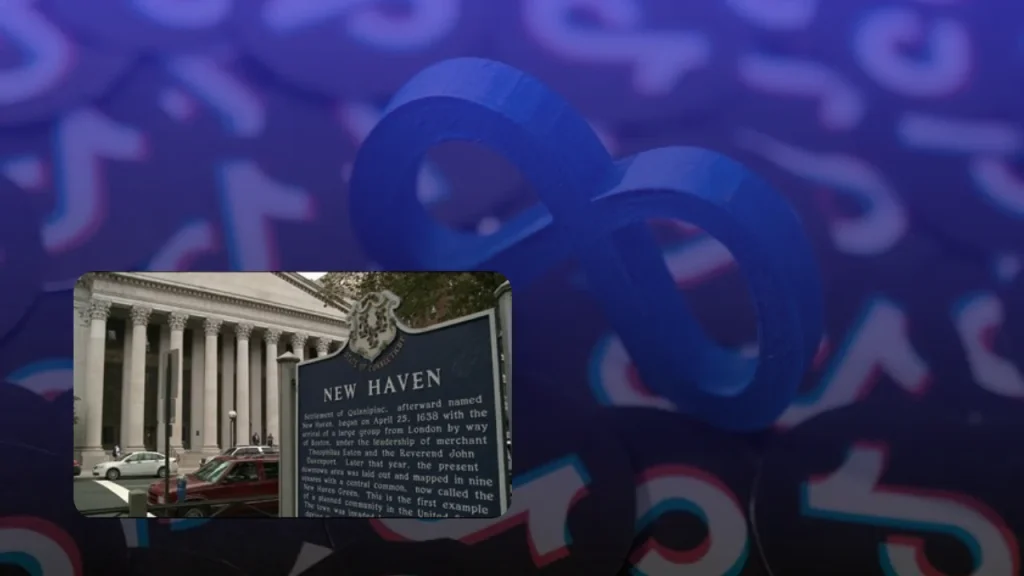
No. New Haven parents and students cannot claim personal payments through this lawsuit. New Haven Public Schools sued the companies behind Facebook, Instagram, TikTok, Snapchat and YouTube in the U.S. District Court for the Northern District of California, alleging their platform designs contributed to a youth mental health crisis and a heavy financial burden on schools. The suit was filed November 20, 2026 and announced by Mayor Justin Elicker on November 25.
The plaintiff is the school district, and it seeks money for its own costs plus changes to platform practices. No settlement, damages figure or individual claim form has been announced. This is an individual suit within national multidistrict litigation (MDL), not a class action. All allegations are unproven.
New Haven Public Schools v. Meta Platforms, Inc.: Quick Facts
| Detail | Information |
| Case | New Haven Public Schools v. Meta Platforms, Inc. et al., No. 4:26-cv-14308 |
| Filed | November 20, 2026 (original and amended complaint) |
| Announced | November 25, 2026 |
| Court | U.S. District Court, Northern District of California |
| Judge | Yvonne Gonzalez Rogers |
| Plaintiff | New Haven Public Schools |
| Defendants | 15 corporate defendants tied to five platforms |
| Principal claims | Negligence and public nuisance (per the city) |
| National litigation | MDL No. 3047, Master Case No. 4:22-md-03047-YGR |
| Relief sought | Compensation for school costs and changes to platform practices |
| Jury trial | Requested |
| Individual claim form | None |
| Settlement amount | None announced |
| Court record | Federal docket |
Why Is New Haven Public Schools Suing Meta, TikTok, Snapchat and YouTube?
The city alleges these companies built platforms that encourage compulsive use by young people without enough safeguards, leaving schools to deal with growing demand for mental health services, behavioral help and classroom support. Mayor Elicker said the companies put engagement ahead of children. Superintendent Madeline Negrón pointed to distraction, disengagement, disruptive behavior and depression. She also said federal pandemic-era emergency grants had helped pay for student support, and more resources are needed to sustain it.
The city’s position is that schools should not carry the full cost of problems allegedly caused by commercial products. A court has not found that the defendants caused New Haven’s student problems. Source: City of New Haven announcement, November 25, 2026.
Which Social Media Companies Is New Haven Suing?
Public announcements name the major platform groups, but the federal docket lists 15 corporate defendants.
| Platform | Defendants named on the docket |
| Facebook and Instagram | Meta Platforms Inc., Meta Payments Inc., Facebook Holdings LLC, Instagram LLC, Facebook Operations LLC, Siculus Inc., Facebook Payments Inc. |
| TikTok | ByteDance Inc., ByteDance Ltd., TikTok LLC, TikTok Ltd., TikTok Inc. |
| Snapchat | Snap Inc. |
| YouTube | YouTube LLC, Google LLC |
Alphabet is mentioned in the city’s announcement as part of the YouTube group, but Alphabet Inc. does not appear separately among the 15 defendants on the public docket I reviewed. Mark Zuckerberg is not individually named in the public listing.
What Social Media Features Are Being Challenged?
The broader national school district litigation targets features plaintiffs say drive excessive use by minors: continuous scrolling and autoplay, repeated notifications, personalized recommendations, weak age verification, limited parental tools, weak usage limits and protective defaults, and thin risk warnings. Courts have treated features differently under federal law, with some design-related claims surviving early challenges and others restricted or dismissed.
I could not access the full amended New Haven complaint, so New Haven’s specific platform-by-platform allegations are not confirmed.
What Does New Haven Want From the Social Media Lawsuit?
- Money for district costs. School district suits can seek recovery for counseling, intervention programs, added staff and similar costs. New Haven has not publicly stated a damages figure.
- Changes to platform practices. Such relief could come through a court order or negotiated changes. None has been verified.
The suit is not meant to distribute checks to families. Social media affects young people differently, and a link between use and a mental health condition does not automatically prove legal causation. The district must tie the defendants’ legally actionable conduct to its claimed expenses.
Why Was a Connecticut School District’s Lawsuit Filed in California?
New Haven’s case is part of In re: Social Media Adolescent Addiction/Personal Injury Products Liability Litigation, MDL No. 3047, created in the Northern District of California in October 2022 and led by Judge Yvonne Gonzalez Rogers. Under 28 U.S.C. § 1407, related federal cases can be coordinated for pretrial proceedings to manage shared discovery, experts and legal disputes. The city says about 1,800 school districts are involved in the broader litigation. New Haven keeps its own case and case number.
Is the New Haven Social Media Lawsuit a Class Action?
No. The public records show New Haven Public Schools as an institutional plaintiff in the MDL.
| Multidistrict litigation | Class action |
| Coordinates separately filed lawsuits | Representatives pursue claims for a defined class |
| Plaintiffs generally keep separate claims | Class members may be bound by one outcome |
| Recoveries can differ by plaintiff | Payouts follow class settlement or judgment terms |
| No automatic public enrollment | May create a public claim process after a settlement |
Parents and students do not become plaintiffs just because their district is in the MDL. For background, read Social Media Addiction Lawsuit, Did Excessive Use Cause Mental Health Harm?.
What Laws Are Involved in the New Haven Social Media Lawsuit?
Connecticut Negligence Law
Negligence generally requires a duty, breach, causation and legally compensable harm. New Haven argues the companies’ design decisions and weak safeguards foreseeably harmed students and burdened schools. The defendants can dispute duty, causation and whether the district’s costs are recoverable. Which state’s law governs each claim will depend on the full complaint and later rulings.
Connecticut Public Nuisance Law
Public nuisance generally concerns conduct that unreasonably interferes with rights shared by the public. Applying traditional nuisance doctrine to digital products raises hard questions. The district must show the law recognizes the claimed nuisance and allows the relief it seeks.
Ganim v. Smith & Wesson Corp., 258 Conn. 313 (2001)
In this Connecticut Supreme Court case, a city tried to recover public expenditures from firearm makers and sellers, and the court found its alleged injuries too remote to establish standing. The same question could matter here: are a school district’s costs too remote from the defendants’ conduct? The federal MDL court discussed Ganim in its November 15, 2024 public nuisance ruling, but Connecticut was not among the 19 states covered in the school district master complaint rulings then. Those rulings do not mean New Haven’s Connecticut-law claims will succeed. Read Ganim.
Connecticut General Statutes § 10-220
Imposes duties on boards of education, including a safe school setting and adequate staffing. It helps explain why districts spend on student support, but it does not say social media companies must repay those costs. Read § 10-220.
Section 230 of the Communications Decency Act (47 U.S.C. § 230)
Generally bars treating an online service as the publisher or speaker of third-party content. The line is between claims over third-party content and claims over a company’s own actionable conduct. In October 2024, the MDL court let some school district claims about platform design and safety measures go forward while restricting others under Section 230. The court has not found any defendant liable.
First Amendment
The companies argue some claims interfere with protected editorial choices. Courts must separate protected editorial decisions from claims about product design or business practices, and a ruling against one feature does not decide every feature.
Children’s Online Privacy Protection Act (15 U.S.C. §§ 6501 to 6506)
A children’s privacy law relevant to broader government cases, not a general compensation law for mental health harm. I have not verified a COPPA claim in New Haven’s complaint.
What Did the Ninth Circuit Decide About Section 230 in August 2026?
On August 10, 2026, the Ninth Circuit dismissed interlocutory appeals by Meta and TikTok entities in People of the State of California v. Meta Platforms, Inc., No. 24-7032 and related appeals. It held that Section 230 is a defense to liability, not immunity from suit, so the companies could not immediately appeal the preliminary rulings as of right. The court did not remove Section 230 protection, and the defendants can still raise it. Ninth Circuit opinion.
Is Connecticut’s $265.4 Million Meta Settlement the Same Case?
No. Connecticut Attorney General William Tong announced a separate multistate Meta settlement on August 26, 2026, with a potential nationwide value of $17.1 billion including conditional payments. According to the Attorney General:
- Connecticut could receive up to $265.4 million.
- At least half of Connecticut’s funds would go to youth harm tied to social media, such as mental health services, crisis intervention, after-school programs and phone-free school efforts.
- The nationwide base payment is $12.19 billion over ten years, with more depending on other platforms reaching comparable deals.
The agreement needed court approval, and I did not confirm its final approval status.
| Connecticut Meta settlement | New Haven school district lawsuit |
| Announced August 26, 2026 | Filed November 20, 2026 |
| Government enforcement action | Institutional civil lawsuit |
| Meta is the settling defendant | Five platforms’ corporate groups are defendants |
| Connecticut could receive up to $265.4 million | No verified damages amount |
| No individual claim form | No individual claim form |
New Haven is not known to have received any share of the statewide settlement. Source: Connecticut Attorney General announcement.
New Haven’s Cellphone-Free School Policy
New Haven says it completed a districtwide cellphone-free policy during the 2025-2026 school year. Students generally secure phones in locked pouches during the school day, with approved exceptions. It predates the lawsuit, is not a court order, and does not limit students’ social media use outside school. Families needing medical or disability accommodations should contact their child’s school. See the New Haven Academy phone-free policy.
Have Other School Districts Settled Social Media Lawsuits?
Yes. In May 2026, Kentucky’s Breathitt County School District settled with Meta, TikTok, Snap and YouTube before a planned federal trial. Reuters reported, based on settlement records, a combined value of about $27 million. Breathitt was a bellwether case, but its result does not set an amount for other districts. New Haven’s outcome would depend on its own evidence, claims and expenses.
Related government cases include Wisconsin TikTok Lawsuit 2026, Why the State Is Suing Over Children’s Social Media Use and South Dakota TikTok Lawsuit 2026, Why Five States Are Suing Over Children’s Safety.
How Have Meta and Other Companies Responded?
The New Haven Register reported on November 25 that Meta disputes how the lawsuits describe its conduct and points to safety measures such as Teen Accounts and parental supervision tools. In the wider litigation the companies challenge the legal theories, causation and damages. Having protective features does not settle whether past or current practices are actionable, and student mental health problems do not prove the companies caused them. I did not find formal responses to New Haven’s amended complaint on the public docket.
Can New Haven Parents or Students Get Compensation?
Not directly through this lawsuit. Any recovery would go to the district for its own costs.
| Circumstance | Position |
| Current New Haven student | No automatic personal compensation |
| Former New Haven student | No automatic personal compensation |
| Parent who paid for a child’s treatment | May wish to explore a separate individual claim |
| Teacher affected by disruptions | No payment program |
| Connecticut taxpayer | No automatic payment |
| Student in another Connecticut district | Not part of New Haven’s claim |
A separate personal injury lawsuit could seek compensation for legally attributable harm, but it would need evidence of specific injury, duty, causation and timely filing. Having an account or attending a school in the case does not create eligibility.
Deadline to File a Social Media Addiction Lawsuit in Connecticut
| Connecticut statute | General rule |
| Conn. Gen. Stat. § 52-584 | Generally two years from discovery of certain negligence injuries, with a three-year outer limit from the act or omission |
| Conn. Gen. Stat. § 52-577 | Generally three years from the act or omission for covered tort claims |
Other rules apply too, including product liability limits, exceptions, tolling and choice of law. Do not assume claims involving a minor are automatically protected until adulthood. New Haven’s suit does not pause anyone else’s deadline. See Connecticut’s limitations statutes and talk to a Connecticut attorney.
What Should New Haven Parents Do If Social Media Harmed Their Child?
Put medical care and school support first. If you want a legal evaluation, you can preserve account activity and usage records, medical and counseling records, school attendance and academic records, communications with school staff, treatment expense records and messages with the platforms. Keep your child’s sensitive information private.
Students whose conditions affect their education may qualify for help under Section 504 of the Rehabilitation Act or the Individuals with Disabilities Education Act (IDEA), regardless of the lawsuit. In Connecticut, call 211 for community help, and call or text 988 for mental health crisis support.
New Haven Social Media Lawsuit Timeline
| Date | Development |
| October 2022 | Federal social media MDL created |
| December 19, 2023 | School districts file a consolidated master complaint |
| October 24, 2024 | Court lets parts of school district claims proceed |
| November 15, 2024 | Public nuisance ruling |
| 2025-2026 school year | New Haven completes cellphone-free policy |
| May 2026 | Breathitt County settlement |
| August 10, 2026 | Ninth Circuit dismisses Section 230 interlocutory appeals |
| August 26, 2026 | Connecticut announces separate Meta settlement |
| November 20, 2026 | New Haven files original and amended complaints |
| November 25, 2026 | Mayor Elicker announces the lawsuit |
What Happens Next in the New Haven Social Media Lawsuit?
The case will move within the MDL. Possible steps include motions to dismiss, discovery, disputes over which law applies, expert testimony, settlement talks or trial. The MDL is expected to hold more school district bellwether trials in 2027, which may shape settlement views but will not decide New Haven’s case. No New Haven-specific trial date or payment schedule is verified.
Frequently Asked Questions About the New Haven Social Media Lawsuit
Is New Haven Public Schools suing TikTok? Yes. Several TikTok and ByteDance entities are among the 15 defendants.
Is there a settlement claim form? No. There is no court-approved public claim form or individual payment program.
Can students automatically join? No. The plaintiff is New Haven Public Schools.
How much is New Haven seeking? The announcement does not state a damages total.
Will New Haven get Connecticut’s $265.4 million Meta settlement? No allocation of that amount to New Haven has been established. It is Connecticut’s potential statewide recovery under a separate agreement.
Did the lawsuit ban TikTok in Connecticut? No.
Does the lawsuit cover Hamden, West Haven or East Haven students? Those districts are separate and are not automatically included.
Where can I track the case? Individual case 4:26-cv-14308 and MDL No. 3047, Case No. 4:22-md-03047-YGR.
Sources and References
- Federal docket, New Haven Public Schools v. Meta Platforms Inc. et al.
- City of New Haven announcement, November 25, 2026
- Northern District of California: multidistrict litigation
- MDL court school district ruling, October 24, 2024
- MDL court public nuisance ruling, November 15, 2024
- Ninth Circuit opinion, August 10, 2026
- 28 U.S.C. § 1407
- 47 U.S.C. § 230
- Connecticut Attorney General: Meta settlement
- Connecticut General Statutes, boards of education
- Ganim v. Smith & Wesson Corp.
- Meta Q3 2026 SEC filing
- Connecticut limitations statutes
Disclaimer: This article is general information, not legal or medical advice. The allegations against the defendants are unproven, and no individual compensation program or New Haven-specific settlement exists. Rights and remedies depend on the law, the evidence and later court decisions.
Researched and written by Israr Ahmad, legal content researcher and founder of AllAboutLawyer.com. All facts verified against the federal docket (No. 4:26-cv-14308), the City of New Haven’s November 25, 2026 announcement, the Connecticut Attorney General’s settlement announcement, the Ninth Circuit opinion and the cited court rulings and statutes, as of November 27, 2026. Last Updated: November 27, 2026.
About the Author
Israr Ahmad is a legal content researcher with 4+ years of experience covering class action settlements and consumer rights cases. He has researched and published coverage of 2,500+ settlements using verified court records, settlement administrator filings, and government sources. Learn more about Israr.