
Moises Freire Charged After FIT Student’s Death, Federal Indictment Alleges Fentanyl Was Disguised as Cocaine
Everything below describing what happened is an allegation in a federal indictment. The defendants are presumed innocent unless and until proven guilty.
Quick Facts: Why Is Moises Freire Trending?
Federal prosecutors unsealed a three-count superseding indictment on October 15, 2026, charging Moises Freire, 19, of the Bronx, and Brian Peralta Cabrera, 18, of Queens, with taking part in a fentanyl distribution conspiracy. Prosecutors allege it caused the death of one college student and the near-fatal poisoning of another in a Manhattan residence hall on March 18, 2026.
The indictment also alleges that after both women lost consciousness, Freire raped one of them, who never regained consciousness and later died. Freire is separately charged with distributing fentanyl with the intent to commit rape.
| Case detail | What is known |
| Defendants | Moises Freire, 19 (Bronx); Brian Peralta Cabrera, 18 (Queens) |
| Court | U.S. District Court, Southern District of New York |
| Case number | S1 26 Cr. 111 (SHS) |
| Indictment unsealed | October 15, 2026 (three-count superseding indictment) |
| Incident date | March 18, 2026 |
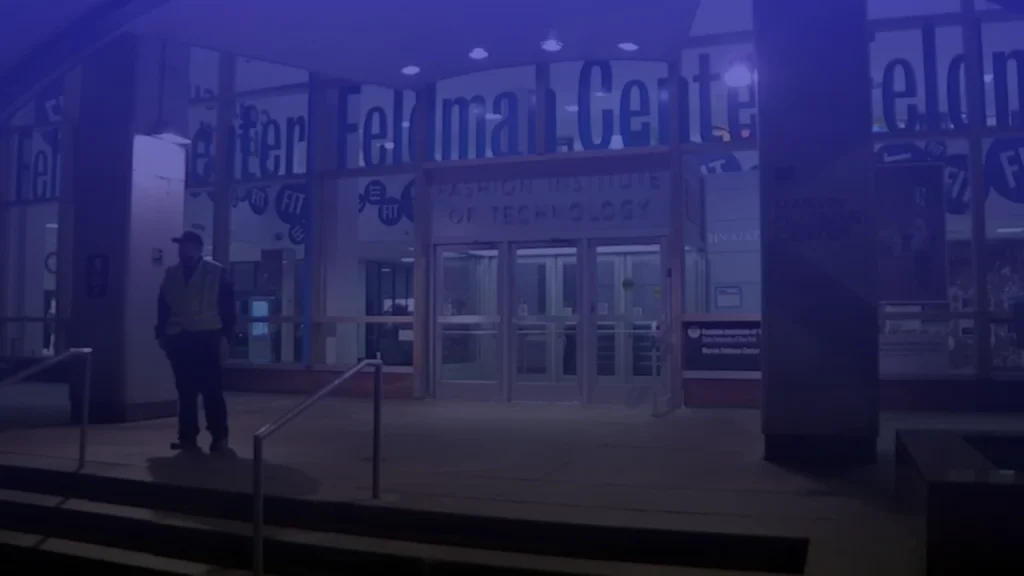
| Location | Undergraduate residence hall in Manhattan; news reports identify it as Fashion Institute of Technology (FIT), though the DOJ release does not name the school |
| Victims | Two female college students, identified only as Victim-1 and Victim-2 |
| Outcome | Victim-1 died of complications of acute fentanyl intoxication; Victim-2 survived |
| Both defendants charged with | Conspiracy to distribute a controlled substance resulting in death and serious bodily injury |
| Freire also charged with | Distribution resulting in death and serious bodily injury; distribution with intent to commit rape |
| Prosecuting office | U.S. Attorney’s Office, SDNY (Narcotics Unit) |
| Status | Charges pending; defendants presumed innocent |
What Does the Indictment Allege Happened?
The alleged plan
Prosecutors allege that from at least February 2026 through March 2026, Freire and Peralta Cabrera conspired to distribute fentanyl. According to the government, Freire told Peralta Cabrera he wanted drugs that would “last the entire night” and that, if they were strong enough, the women would get addicted, which he called a “win win situation.” Knowing Freire intended to give the drugs to the women, Peralta Cabrera allegedly supplied the fentanyl.
March 18, 2026
Freire allegedly brought the fentanyl to the residence hall where both women lived. Prosecutors say he falsely claimed it was “pure cocaine” and did not contain fentanyl, even though he had earlier described the substance as “fake” and “poison.” After he encouraged the women to take it, both lost consciousness almost immediately. Freire did not take the drug himself, the government says.
The alleged delay in getting help
While the women were incapacitated, prosecutors allege Freire raped Victim-1. He then allegedly waited about 45 minutes before seeking help, during which he sent photos of the women to others. When he finally approached campus security, he allegedly claimed the women had simply had too much alcohol.
Emergency response and toxicology
Campus security responded and gave emergency aid, including Narcan. Both women were taken to Manhattan hospitals. Toxicology later confirmed both had ingested fentanyl and no cocaine, according to prosecutors. Victim-2 regained consciousness after life-saving treatment. Victim-1 remained critical and later died.
What Charges Do Moises Freire and Brian Peralta Cabrera Face?
A superseding indictment replaces or updates an earlier indictment, and can add or change charges. It is an accusation, not proof of guilt.
| Count | Defendant(s) | Statutory penalty stated by DOJ |
| 1. Conspiracy to distribute a controlled substance resulting in death and serious bodily injury | Freire and Peralta Cabrera | Mandatory minimum 20 years; maximum life |
| 2. Distribution of a controlled substance resulting in death and serious bodily injury | Freire | Mandatory minimum 20 years; maximum life |
| 3. Distribution of a controlled substance with intent to commit rape | Freire | Maximum 20 years |
These are statutory ranges, not predictions. A judge would apply the sentencing rules, and the counts cannot simply be added together.
What Federal Laws Apply?
- 21 U.S.C. § 841(a)(1) makes it a federal crime to knowingly distribute a controlled substance, including fentanyl.
- 21 U.S.C. § 841(b)(1) sets enhanced penalties when death or serious bodily injury results from the use of the drug. This is the source of the 20-year mandatory minimum.
- 21 U.S.C. § 841(b)(7) separately punishes distributing a controlled substance with intent to commit a crime of violence, including rape. This was enacted through the Drug-Induced Rape Prevention and Punishment Act of 1996 and carries up to 20 years.
- 21 U.S.C. § 846 makes conspiracy to commit a drug offense punishable by the same penalties as the underlying offense.
What must prosecutors prove about the death?
In Burrage v. United States (2014), the Supreme Court held that for the death-results enhancement, the government must show the drug was a “but-for” cause of death, meaning the victim would not have died without it. Here, prosecutors point to toxicology showing fentanyl and no cocaine, and a medical cause of death of acute fentanyl intoxication.
Could there also be state charges?
Possibly. Under the “dual sovereignty” doctrine, confirmed in Gamble v. United States (2019), federal and state governments can each prosecute the same conduct. No state charges were reported in the sources reviewed.
Have the Defendants Been Convicted?
No conviction on the new indictment has been reported as of October 17, 2026. The Associated Press reported that both men were arrested earlier and pleaded not guilty to an earlier set of charges that did not include the rape allegation, remained in federal custody, and had not yet been arraigned on the superseding indictment as of October 16.
In federal court, prosecutors must prove each element beyond a reasonable doubt unless a defendant enters a valid guilty plea.
Who Is Brian Peralta Cabrera?
Peralta Cabrera, 18, of Queens, is charged only with the conspiracy count. Prosecutors allege he supplied the fentanyl knowing Freire intended to give it to the women. He is not charged with the intent-to-commit-rape count. He is presumed innocent.
Who Is Harry Rosales Pino?
The Associated Press reported that a third man, Harry Rosales Pino, pleaded guilty in September 2026 to a narcotics conspiracy charge involving death and serious bodily injury, with sentencing scheduled for December. He is not named in the October 15 indictment, and his plea says nothing about the guilt of Freire or Peralta Cabrera.
Was FIT Involved?
News reports identify the residence hall as part of the Fashion Institute of Technology (FIT), part of the State University of New York system. The DOJ release says only “a college residence hall in Manhattan.” The Associated Press reported that school officials did not immediately comment on the unsealed indictment, and that neither defendant was an FIT student.
No civil lawsuit against FIT and no official findings about the college’s responsibility were verified. A criminal prosecution of the defendants does not by itself make the college legally liable.
How Do Federal Cases Like This Proceed?
- Arraignment (Fed. R. Crim. P. 10). Defendants formally hear the charges and enter pleas.
- Speedy Trial Act (18 U.S.C. § 3161). Trial generally must begin within 70 days, but complex cases routinely exclude time for motions and preparation.
- Pretrial motions. These may challenge evidence, charges, or the venue.
- Trial or plea. Most federal cases end in pleas, but these defendants may contest the charges.
- Sentencing. The court considers the statute, the U.S. Sentencing Guidelines (§ 2D1.1 for drug offenses) and the factors in 18 U.S.C. § 3553(a). The federal system has no parole, and prisoners generally serve at least about 85% of their sentence (18 U.S.C. § 3624(b)).
Victim protections
The Crime Victims’ Rights Act (18 U.S.C. § 3771) gives victims, including families, the right to reasonable notice of proceedings, to be reasonably heard at plea and sentencing, and to be treated with fairness and respect for their privacy. Federal Rule of Evidence 412 (the rape shield rule) also limits use of a sexual assault victim’s past sexual history at trial.
Emergency Guidance: What To Do in a Suspected Overdose
A suspected opioid overdose is a medical emergency. Signs include being unresponsive, slow or stopped breathing, blue or gray lips, and not waking up.
- Call 911 immediately. Do not wait to find out what was taken.
- Give naloxone (Narcan) if you have it. More than one dose may be needed.
- Stay with the person and follow the operator’s instructions.
- Remember that counterfeit pills and powders can contain fentanyl. Anything not from a pharmacy may contain it.
New York’s 911 Good Samaritan Law (Penal Law § 220.78) provides legal protection from certain low-level drug possession charges for people who seek help for an overdose in good faith. Naloxone is also available in New York without an individual prescription at many pharmacies under state public health law.
If you or someone you know has been sexually assaulted, support is available:
- RAINN National Sexual Assault Hotline: 1-800-656-4673 (24/7)
- SAMHSA National Helpline (substance use): 1-800-662-4357
- 988 Suicide & Crisis Lifeline: call or text 988
For background on how a different type of sexual assault case is handled in civil court, see All About Lawyer’s article Joi Dickerson-Neal Lawsuit Against Sean “Diddy” Combs, Sexual Assault Allegations Under New York’s Adult Survivors Act. It is a separate case and does not involve the defendants here.
What Happens Next?
Watch for: (1) arraignment on the superseding indictment; (2) pretrial motions; (3) any plea agreement; (4) a trial date; and (5) Pino’s December sentencing. The best sources for updates are the DOJ announcement, the court docket and the redacted indictment.
Moises Freire Case: Frequently Asked Questions
Who is Moises Freire?
A 19-year-old from the Bronx named in a federal superseding indictment unsealed October 15, 2026, accused of fentanyl distribution resulting in death and of distribution with intent to commit rape. He is presumed innocent.
Was Moises Freire an FIT student?
No. The Associated Press reported that he was not a student at the school.
What happened to the students?
Prosecutors allege two women took fentanyl they were told was cocaine and lost consciousness. One was allegedly raped while incapacitated and later died. The other survived after emergency treatment.
What are the charges against Freire?
Conspiracy to distribute a controlled substance resulting in death and serious bodily injury; distribution resulting in death and serious bodily injury; and distribution with intent to commit rape.
What are the charges against Brian Peralta Cabrera?
One count of conspiracy to distribute a controlled substance resulting in death and serious bodily injury.
How much prison time could they face?
Per DOJ, the conspiracy and distribution-resulting-in-death counts each carry a 20-year mandatory minimum and a maximum of life. The intent-to-commit-rape count carries up to 20 years. Actual sentences, if any, would be set by the court.
Has Moises Freire pleaded guilty?
No guilty plea has been reported. He previously pleaded not guilty to earlier charges.
What is a superseding indictment?
An updated charging document that can add or revise charges. It does not mean the defendant has been convicted.
Why would a prosecutor say the drug was disguised as cocaine?
The indictment alleges Freire falsely told the women the powder was pure cocaine. Toxicology reportedly found fentanyl and no cocaine.
Who is Harry Rosales Pino?
A third man who reportedly pleaded guilty in September 2026 to a related narcotics conspiracy charge. His plea is separate from the charges against Freire and Peralta Cabrera.
Has FIT been sued?
No civil suit was verified. The confirmed development is the criminal indictment.
Where can I read the indictment?
The redacted indictment is linked from the U.S. Attorney’s Office press release, listed in the sources below.
Conclusion: Moises Freire Faces Federal Charges, but the Case Is Only Beginning
Prosecutors allege that Moises Freire and Brian Peralta Cabrera supplied fentanyl, disguised as cocaine, that killed one college student and nearly killed another, and that Freire sexually assaulted one of the women while she was unconscious. The October 15 indictment sets out those allegations in three counts, carrying mandatory minimums of 20 years on two of them. Neither man has been convicted on it, both are presumed innocent, and the next steps are arraignment and pretrial proceedings.
Sources and Official Records
- U.S. Attorney’s Office, SDNY, Two New York Men Indicted For Fentanyl Distribution Conspiracy That Involved The On-Campus Rape And Death Of One College Student And Near-Death Of Another (October 15, 2026): https://www.justice.gov/usao-sdny/pr/two-new-york-men-indicted-fentanyl-distribution-conspiracy-involved-campus-rape-and
- Redacted Superseding Indictment, United States v. Freire and Peralta Cabrera, S1 26 Cr. 111 (SHS): https://www.justice.gov/usao-sdny/media/1466321/dl?inline=
- Associated Press, A New York City College Student Died After Being Drugged and Raped in Her Dorm, Prosecutors Say: https://apnews.com/article/fit-drug-death-charges-4c70052fb8874da8482cced4a012d996
- CBS New York, Two NYC Men Charged in Fentanyl Death of College Student, Alleged Campus Rape: https://www.cbsnews.com/newyork/news/fentanyl-death-college-student-alleged-campus-rape-manhattan/
- 21 U.S.C. § 841: https://www.law.cornell.edu/uscode/text/21/841
- 21 U.S.C. § 846: https://www.law.cornell.edu/uscode/text/21/846
- Burrage v. United States, 571 U.S. 204 (2014); Gamble v. United States, 587 U.S. 678 (2019); 18 U.S.C. §§ 3161, 3553, 3624, 3771; Fed. R. Crim. P. 10; Fed. R. Evid. 412; N.Y. Penal Law § 220.78
This article provides general legal information, not legal advice. The defendants are presumed innocent unless proven guilty. Facts and case status reflect official records and reporting available as of October 17, 2026.
About the Author
Israr Ahmad is a legal content researcher with 4+ years of experience covering class action settlements and consumer rights cases. He has researched and published coverage of 2,500+ settlements using verified court records, settlement administrator filings, and government sources. Learn more about Israr.