
Lululemon Texas PFAS Agreement, State Did Not Identify PFAS in Products, but Two Vendors Had Missing Compliance Documents
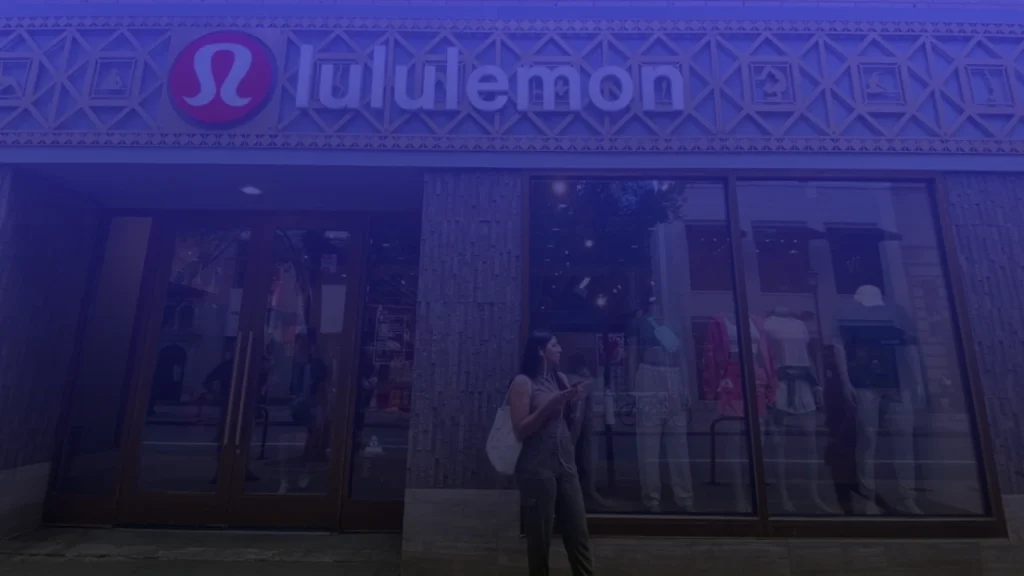
Texas has resolved its investigation into Lululemon USA Inc. over concerns that the company’s activewear could contain PFAS, commonly called “forever chemicals.” The most important detail is easy to miss: after reviewing the company’s submitted documents, including third-party laboratory reports, the state did not identify PFAS in Lululemon’s products or materials.
The specific compliance issue Texas alleged was administrative. Lululemon allegedly failed to collect and keep signed Restricted Substances List (RSL) acknowledgments from two vendors for one edition of the list. Both vendors have since signed.
Texas Attorney General Ken Paxton announced the Assurance of Voluntary Compliance (AVC) on October 22, 2026. It was filed in Collin County on October 19 in Texas v. Lululemon USA Inc., Case No. 380-08492-2026, in the 380th Judicial District Court. It runs for three years and requires Lululemon to keep up supplier testing and certification checks and to take corrective action when vendors fall out of compliance.
The agreement contains no financial penalty, no consumer compensation fund and no product recall. Lululemon denies wrongdoing, and the AVC says it is not an admission of any violation. This is a state enforcement agreement, not a class action.
Quick Facts: Texas v. Lululemon PFAS Agreement
| Detail | Information |
| Company | Lululemon USA Inc., d/b/a Lululemon |
| Government party | State of Texas, Attorney General Ken Paxton |
| State’s attorney | Madison Reightler |
| Case | Texas v. Lululemon USA Inc., No. 380-08492-2026 |
| Court | 380th Judicial District Court, Collin County, Texas |
| Document | Assurance of Voluntary Compliance |
| Signed | October 16, 2026 |
| Filed | October 19, 2026 |
| Publicly announced | October 22, 2026 |
| Civil Investigative Demand | March 26, 2026 |
| Investigation announced | April 13, 2026 |
| Specific state allegation | Missing signed RSL acknowledgments from two vendors for one RSL edition |
| State’s review of submitted documents | PFAS not identified in Lululemon products or materials |
| Term | Three years after entry |
| Financial penalty | None |
| Consumer payment or claim form | None |
| Recall | None announced |
| Admission of liability | None |
Sources: Texas Attorney General’s October 22 announcement and the Assurance of Voluntary Compliance.
Why Did Texas Investigate Lululemon Over PFAS?
Attorney General Paxton announced the investigation on April 13, 2026. His office said it was examining whether Lululemon misled consumers about the safety, quality and health impact of its apparel, including whether products contained PFAS that health-conscious customers would not expect based on the company’s marketing. The state issued its Civil Investigative Demand on March 26, 2026 under Section 17.61 of the Texas Business and Commerce Code.
At the time, Lululemon said it had phased out PFAS in 2023 and had used it only in a small number of water-repellent products. An investigation is an evidence-gathering process. It is not a finding that products were unsafe.
What Did Texas Actually Find in the Lululemon Investigation?
The AVC identifies one allegation: Lululemon did not collect and maintain signed RSL Certificates of Acknowledgment from two vendors for one RSL edition. These certificates are how vendors confirm they received the company’s Restricted Substances List and agree to follow it. The agreement states both have since been signed.
The AVC also records that, after the state reviewed the documents Lululemon produced, it did not identify PFAS in the company’s products or materials. Lululemon says the same in its own statement.
Did Texas find PFAS in Lululemon leggings, jackets or sports bras?
No. The agreement does not report PFAS in any named product. That is not the same as a public lab certification that every product ever made is PFAS-free. It describes what Texas concluded from the records it reviewed.
Did Texas find that two Lululemon suppliers used PFAS?
No. The allegation concerned missing paperwork. The vendors are not named, and the agreement does not say they violated a PFAS limit. Reporting that Texas caught suppliers using dangerous chemicals would be inaccurate.
How Does Lululemon’s Restricted Substances List Work Under the Texas Agreement?
The AVC defines the RSL as Lululemon’s Restricted Substances List, currently version 10.0 dated October 2025, as updated from time to time. Vendors can show compliance in two ways:
- Independent laboratory testing from a laboratory nominated by Lululemon, following the company’s RSL testing requirements.
- Valid third-party certifications accepted under the RSL, such as bluesign and OEKO-TEX STANDARD 100.
If a vendor uses a certification instead of PFAS-related testing, Lululemon’s designated laboratory must verify that the certification is valid. If a certification expires or is not renewed, Lululemon must require additional compliance testing. When a vendor fails to comply, Lululemon must take commercially reasonable corrective action, such as retesting, sourcing replacement materials or ending the relationship.
What Must Lululemon Do Under the Three-Year Texas Agreement?
| Requirement | What Lululemon must do |
| Supplier compliance | Require vendors to comply with the current and future RSL |
| Testing | Require qualifying third-party laboratory reports |
| Certifications | Accept only valid certifications recognized under the RSL |
| Verification | Have the designated laboratory confirm certificates are valid |
| Expired certifications | Require additional testing |
| Corrective action | Take commercially reasonable action when vendors do not comply |
| Duration | Three years; the AVC terminates automatically after that |
Does the agreement guarantee every supplier will always meet every chemical limit?
No. The agreement measures compliance by whether Lululemon verifies that vendors provide required reports or certifications and takes commercially reasonable corrective action. It does not impose strict liability for supplier-level violations that occur despite a maintained and enforced program. An isolated vendor failure is not automatically a breach if Lululemon did not know of it when materials were accepted, acts reasonably once it learns of it, and has not shown a pattern of failing to enforce compliance.
What Happens If Lululemon Violates the Texas PFAS Agreement?
The AVC uses a notice-and-cure process. If Texas believes Lululemon failed to meet an obligation, it must send written notice describing the alleged failure in reasonable detail. Lululemon then has 60 days to cure or show there was no violation, for example through more testing, a new supplier or terminating a noncompliant vendor. Texas agrees not to start enforcement proceedings or seek contempt without that notice and opportunity to cure.
The release covers the claims based on the facts alleged in the AVC. It does not give blanket immunity. The agreement preserves actions by other regulators and agencies, and Texas Business and Commerce Code § 17.58(d) allows matters closed by an assurance to be reopened.
Related article: Target Class Action Lawsuit Claims “Sugar-Free” Up & Up Hydration Powder Contains Sugar, Williams v. Target Corporation
Did Lululemon Admit Using PFAS or Misleading Customers?
No. The AVC states it is not an admission that Lululemon violated any law, and Lululemon denies liability. In its statement, Lululemon said the agreement “reiterates how the company already operates,” that it gave the Attorney General’s office requested documents including third-party laboratory reports, that the state did not identify PFAS in its products and materials, and that it does not use PFAS in its products.
Has a Judge Approved the Lululemon Texas Agreement?
Not necessarily. Under Texas Business and Commerce Code § 17.58, an assurance is filed with and subject to approval by a district court. The parties signed on October 16 and filed on October 19, 2026. The agreement says it takes effect on the date the court signs it. The posted copy reviewed for this article does not show a judge’s signature, so do not assume a final effective date until the court enters the order.
What Are PFAS, and Why Did Texas Look at Lululemon’s Activewear?
PFAS are a large group of manufactured chemicals used for their resistance to heat, oil, water and stains. In apparel they have been used in water- and stain-repellent treatments. They are called “forever chemicals” because many break down very slowly.
The U.S. Environmental Protection Agency says research on certain PFAS has found possible links to effects such as reduced fertility, developmental effects in children, increased risk of some cancers, reduced immune response, hormonal interference and higher cholesterol. There are thousands of PFAS, and effects vary by chemical and exposure level. That research does not show that wearing a particular garment caused an illness, and Texas did not report identifying PFAS in the materials it reviewed here.
Sources: EPA: Our Current Understanding of the Human Health and Environmental Risks of PFAS and CDC/ATSDR PFAS information.
Can Lululemon Customers Get Money or a Refund From the Texas Settlement?
No. The agreement is between Texas and Lululemon. It does not create a consumer payment, a reimbursement program, a claim form, an administrator or a deadline. It also states that it creates no private rights or causes of action. Section 17.58(d) preserves individual rights of action under the Texas Deceptive Trade Practices Act, subject to its terms, but the AVC does not decide whether any customer has such a claim.
There is no recall, replacement or stop-use warning. The settlement alone is not a reason to stop wearing your clothing. If you have health or exposure concerns, talk to a qualified professional. You do not need to save receipts or register for anything.
How Did Texas Use the Deceptive Trade Practices Act Against Lululemon?
The legal framework is the Texas Deceptive Trade Practices-Consumer Protection Act, Chapter 17 of the Texas Business and Commerce Code.
- Section 17.61 lets the Consumer Protection Division demand documents from a business during an investigation. Texas issued that demand to Lululemon on March 26, 2026.
- Section 17.58 authorizes the Division to accept a written assurance of voluntary compliance, filed with and subject to approval by a district court. An assurance is not an admission of a prior violation.
This is a civil enforcement arrangement, not a criminal conviction and not a finding of guilt. Read Texas Business and Commerce Code, Chapter 17, including §§ 17.58 and 17.61.
Timeline: Texas Lululemon PFAS Investigation and Agreement
| Date | Event |
| October 2025 | Lululemon RSL version 10.0 dated |
| March 26, 2026 | Texas issues Civil Investigative Demand under § 17.61 |
| April 13, 2026 | Attorney General Paxton announces the investigation |
| October 6, 2026 | Texas announces separate investigations of Hanes and Fruit of the Loom |
| October 16, 2026 | Texas and Lululemon sign the AVC |
| October 19, 2026 | AVC filed in Collin County district court |
| October 22, 2026 | Texas announces the agreement; Lululemon issues its statement |
| October 30, 2026 | Posted copy reviewed shows no judge’s signature; court approval sets the effective date |
| Three years after entry | AVC terminates automatically |
Is Texas Investigating Other Clothing Brands Over Chemicals?
Yes. On October 6, 2026, Attorney General Paxton announced separate investigations involving Hanes and Fruit of the Loom over chemicals in materials used in children’s undergarments, including PFAS and phthalates, and issued Civil Investigative Demands to both. Those are investigations, not findings, and the Lululemon agreement says nothing about those companies. See the Texas Attorney General’s announcement.
Related PFAS and Product Safety Coverage on AllAboutLawyer
- Apple Watch Band Class Action Lawsuits, PFAS Forever Chemicals and Milanese Loop Burn Cases April 2026 Update
- Thinx Period Underwear Lawsuit, What The $5 Million Settlement Reveals About PFAS In Your Intimates
- Huggies Lawsuit, Two Active Cases Over PFAS Chemicals And Hypoallergenic Claims, No Settlements Yet
These involve different products, defendants and evidence. A PFAS allegation in one case does not show that another company’s products contain the same substances.
Frequently Asked Questions About the Lululemon Texas PFAS Agreement
Did Texas find PFAS in Lululemon products?
No. After reviewing the documents Lululemon submitted, the state did not identify PFAS in its products or materials.
Why did Texas investigate if it found no PFAS?
The investigation looked at PFAS concerns, marketing claims and supply-chain testing. The agreement identifies missing signed RSL acknowledgments from two vendors for one RSL edition, which have since been signed.
Did Lululemon admit its clothing contained forever chemicals?
No. The agreement contains no admission of liability, and Lululemon says it does not use PFAS in its products.
How much did Lululemon pay Texas?
The AVC specifies no financial penalty or restitution.
Can Lululemon customers claim money?
No. There is no fund, claim form or administrator.
How long does the agreement last?
Three years after it is entered by the court.
What happens if a supplier fails a test?
Lululemon must take commercially reasonable corrective action, which may include retesting, new materials or terminating the vendor.
Can Texas take action again?
Yes, after written notice and a 60-day cure period. The agreement also preserves other regulatory actions.
Is this a class action?
No. It is a state consumer-protection enforcement agreement. No consumer class exists.
Primary Sources and Official Records
- Texas Attorney General, October 22, 2026: Attorney General Paxton Secures Settlement with Lululemon to Enforce Chemical Safety Standards and Protect Consumers from Harmful Chemicals in Activewear.
- Assurance of Voluntary Compliance, Case No. 380-08492-2026: Read the agreement.
- Texas Attorney General, April 13, 2026: Investigation announcement.
- Texas Business and Commerce Code, Chapter 17: Sections 17.58 and 17.61.
- EPA: PFAS health and environmental risks.
- Texas Attorney General, October 6, 2026: Hanes and Fruit of the Loom investigations.
Verification note: The AVC was signed by the parties and filed in Collin County on October 19, 2026. Its effective date depends on court approval, and the posted copy reviewed does not show a judge’s signature. The key finding is that Texas did not identify PFAS in Lululemon’s products or materials, while its specific allegation concerned missing RSL acknowledgments from two vendors.
Researched and written by Israr Ahmad, legal content researcher and founder of AllAboutLawyer.com. All facts verified against the Texas Attorney General’s October 22, 2026 announcement and the Assurance of Voluntary Compliance filed in Collin County, as of October 30, 2026. Last Updated: October 30, 2026.
AllAboutLawyer.com is an independent consumer information site, not a law firm. This article is not legal, medical or product-safety advice. The agreement contains no admission of wrongdoing by Lululemon.
About the Author
Israr Ahmad is a legal content researcher with 4+ years of experience covering class action settlements and consumer rights cases. He has researched and published coverage of 2,500+ settlements using verified court records, settlement administrator filings, and government sources. Learn more about Israr.