
Former Pardon Attorney Liz Oyer Sues DOJ Over ‘Unlawful’ Firing Tied to Mel Gibson Case
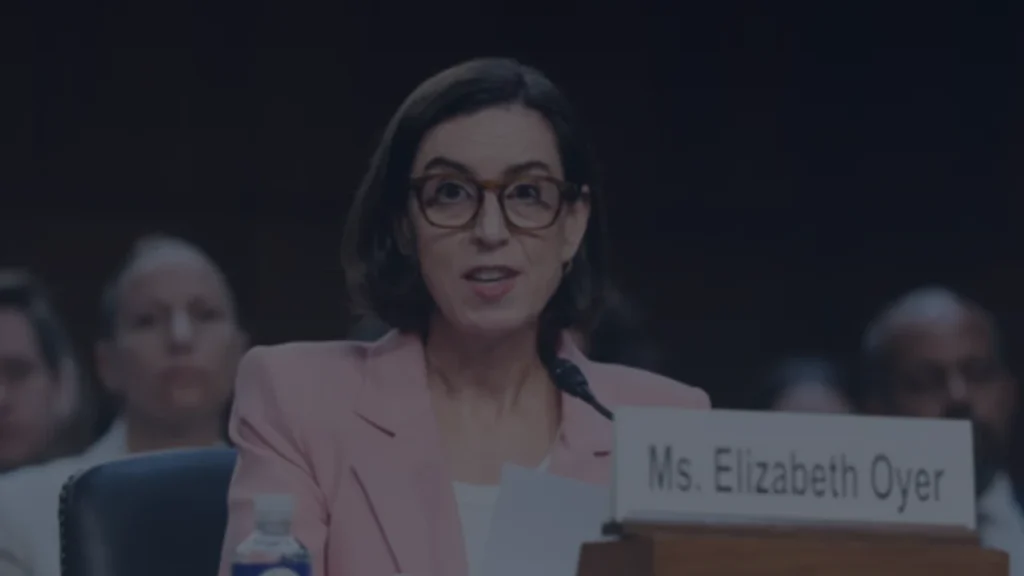
Elizabeth Oyer, the U.S. Department of Justice’s pardon attorney from April 2022 until March 2025, filed suit against DOJ and Attorney General Todd Blanche on September 3, 2026, in the U.S. District Court for the District of Columbia. The case is Oyer v. Blanche et al., No. 1:26-cv-03092. Oyer says she was fired after refusing to recommend restoring actor Mel Gibson’s gun rights, and she’s asking a federal judge to declare her termination unlawful and order her reinstated.
What the Lawsuit Says Happened
According to the complaint, Oyer was placed on a DOJ working group shortly after President Trump’s 2025 inauguration to review people who’d lost their gun rights to old convictions and might merit having them restored. Her office built a list of roughly 95 candidates — people with old, nonviolent convictions who’d been vetted as low-risk. Staff for then-Deputy Attorney General Todd Blanche trimmed that list to nine and asked Oyer to draft a formal recommendation memo. She did.
Then, the complaint says, Blanche’s staff asked her to add a tenth name: Mel Gibson, whose gun rights had been revoked over a 2011 domestic violence conviction. Gibson hadn’t been through the same background review as the other nine, and Oyer raised public safety concerns given the well-documented link between domestic violence and firearm access. On March 6, 2025, she told Blanche’s staff by email that she couldn’t recommend Gibson for restoration. A senior Blanche aide called her that same day and, the complaint says, pushed her to recommend Gibson anyway because of his personal relationship with President Trump.
The next day, Oyer sent a revised memo that still didn’t recommend Gibson. A few hours later, DOJ security officers pulled her out of an unrelated meeting, handed her a termination memo signed by Blanche, and walked her out of the building. The memo cited no misconduct — it said only that she was removed “pursuant to Article II of the Constitution and the laws of the United States.”
The Legal Argument
Oyer’s suit rests on a specific procedural gap. As a career Senior Executive Service employee past her one-year probation, federal law says she could only be removed “for misconduct, neglect of duty, malfeasance, or failure to accept a directed reassignment,” and only after 30 days’ written notice and a chance to respond — protections spelled out in 5 U.S.C. § 7543. DOJ gave her none of that.
The complaint also points out an inconsistency in DOJ’s own legal position: the department has argued elsewhere that only the Attorney General personally — not the Deputy Attorney General — can invoke Article II removal authority. Blanche signed Oyer’s termination memo while he was still Deputy Attorney General; Pam Bondi was Attorney General at the time. By DOJ’s own stated standard, the complaint argues, that makes the removal “void ab initio” — invalid from the moment it was issued.
Related article: Target Up&Up Baby Wipes Lawsuit, Were You Affected? — Finek et al. v. Target Corporation, No. 1:26-cv-06966
The suit brings six claims: violations of the Fifth Amendment (due process) and First Amendment (political-affiliation discrimination), an Appointments Clause and separation-of-powers challenge, an Administrative Procedure Act claim, and an ultra vires claim. It asks the court to declare the firing unlawful, order Oyer reinstated with back pay, and block DOJ from retaliating against her further.
Why She’s in Federal Court Instead of Before the MSPB
Oyer first challenged her firing before the Merit Systems Protection Board — the standard venue for federal personnel disputes — in April 2025. Sixteen months later, she still hadn’t gotten a substantive review. On June 2, 2026, the MSPB dismissed her appeal without prejudice for at least another six months. The complaint also notes a March 2026 MSPB ruling in an unrelated case holding that the board generally lacks jurisdiction over firings framed as Article II removals rather than ordinary Civil Service Reform Act actions — meaning the MSPB likely couldn’t have heard Oyer’s case even if it had tried. That combination is what pushed her into district court.
DOJ’s Response
Blanche, now confirmed as Attorney General, addressed the firing at his own Senate confirmation hearing. He denied any connection to Gibson: “I didn’t even know of that… Nothing,” he told senators, saying he’d instead acted over commutation recommendations Oyer made under the Biden administration. Oyer told lawmakers that was the first time she’d heard that explanation. DOJ has not yet filed a response to the complaint itself.
Trump later installed Ed Martin, a former Jan. 6 defense attorney whose own U.S. attorney nomination had stalled in the Senate, as pardon attorney.
What Happens Next
DOJ has not yet responded in court. Given the pattern in similar Trump-administration personnel suits, expect a motion to dismiss before any ruling on the merits — Oyer’s own complaint cites DOJ’s shifting position on Article II removal authority in other, similar cases now working through the courts. AllAboutLawyer.com will update this page as the docket develops.
Sources Used in This Article
- Court Filing — Complaint, Oyer v. Blanche et al., No. 1:26-cv-03092 (D.D.C.), filed September 3, 2026: https://democracyforward.org/wp-content/uploads/2026/09/Oyer-Complaint-FILED-w-Header.pdf
- Democracy Forward Foundation — Press release, “Former U.S. Pardon Attorney Liz Oyer Sues Justice Department Over Unlawful Firing After Refusing Political Pressure,” September 3, 2026: https://democracyforward.org/news/press-releases/former-u-s-pardon-attorney-liz-oyer-sues-justice-department-over-unlawful-firing-after-refusing-political-pressure/
- Associated Press, “Justice Department pardon lawyer who says she was fired in dispute over Mel Gibson’s gun rights sues,” September 3, 2026: https://www.clickondetroit.com/news/politics/2026/09/03/justice-department-pardon-lawyer-who-says-she-was-fired-in-dispute-over-mel-gibsons-gun-rights-sues/
Researched and written by Israr Ahmad, legal content researcher and founder of AllAboutLawyer.com. All facts verified against the filed complaint in Oyer v. Blanche et al., No. 1:26-cv-03092, and the Democracy Forward Foundation press release, as of September 4, 2026. Last Updated: September 4, 2026.
This article is for informational purposes only and does not constitute legal advice. Laws vary by state and individual circumstances differ. For advice about your specific situation, consult a qualified attorney.
About the Author
Israr Ahmad is a legal content researcher with 4+ years of experience covering class action settlements and consumer rights cases. He has researched and published coverage of 2,500+ settlements using verified court records, settlement administrator filings, and government sources. Learn more about Israr.