
Is THCA Legal in Texas? What the Law Says Right Now (September 2026)
You can’t legally buy THCA flower at a Texas store anymore, and whether you can legally possess it is a question even state officials won’t answer. Texas health regulators pushed smokable hemp off retail shelves in 2026, then re-listed most hemp THCs as Schedule I drugs on July 31. Police departments across Texas are reading that change differently. Here’s where things actually stand, and what that means if you live in Austin, Dallas, Houston, San Antonio or anywhere else in the state.
Texas THCA Law at a Glance
| Question | Where It Stands (Sept. 28, 2026) |
| Can stores sell THCA flower, pre-rolls or concentrates? | No. Blocked by the state’s “total THC” rule since March 31, 2026 |
| Can stores sell hemp vapes? | No. Banned since September 1, 2025 (Senate Bill 2024) |
| Are delta-8, delta-10 and THCP legal? | No. Schedule I controlled substances since July 31, 2026 |
| Is THCA named on the Schedule I list? | Not by name, but the new schedule appears to sweep it in |
| Is possessing THCA flower a crime? | Unsettled. Police and prosecutors disagree, and courts haven’t ruled |
| Are hemp delta-9 gummies and drinks legal? | Yes, at 0.3% delta-9 THC or less by dry weight, adults 21+ |
| Is medical cannabis affected? | No. The Texas Compassionate Use Program is untouched |
| Is a court blocking any of this? | Not as of mid-September 2026. Several lawsuits are pending |
What Is THCA, and Why Does Texas Care?
THCA is the raw, non-intoxicating form of THC found in fresh cannabis. It doesn’t get you high on its own. But light it, vape it or cook it, and it converts into delta-9 THC, the compound that produces the high.
That chemistry created a loophole. Federal law and Texas’s 2019 hemp law (House Bill 1325) only counted delta-9 THC when deciding what’s legal hemp, and the cutoff is 0.3% by dry weight. THCA-heavy flower could test under that number in the lab and still hit like marijuana once lit.
So for years, Texas smoke shops sold flower that looked, smelled and acted like marijuana, all labeled legal hemp. That’s the gap regulators spent 2026 closing. And the way they closed it is why the answer is so messy.
How Texas Got Here: Two Separate Rules
Most of the confusion comes from mixing up two different government actions. They work differently and they’ve been fought in court differently.
Rule one: the “total THC” math (business rule). In March 2026, the Texas Department of State Health Services (DSHS) changed how hemp products are tested. Instead of counting only delta-9 THC, the formula now adds 87.7% of a product’s THCA to its delta-9 number, and the total can’t top 0.3%. Natural THCA flower fails that test every time.
The rule took effect March 31, 2026. It also raised hemp business fees sharply, by as much as 4,000%, according to KUT’s reporting. A Travis County judge paused the rule in April and May, but the Fifteenth Court of Appeals put it back in force on June 5, 2026.
Rule two: the Schedule I list (criminal rule). Back in 2021, DSHS tried to add most hemp-derived THCs to Texas’s list of the most heavily restricted drugs. Courts froze that for nearly five years. In May 2026, the Texas Supreme Court dissolved the freeze in a case focused on delta-8, and DSHS reinstated the 2021 definitions effective July 31, 2026.
That’s the one that put delta-8, delta-10 and similar compounds in the same schedule as heroin and LSD. Delta-9 at or under 0.3% is the exception.
Here’s the part most articles skip. The first rule is about what businesses can sell. The second is about what’s a controlled substance. THCA flower is caught by the first for sure. Whether it’s caught by the second is the open question.
Related article: Can You Go to Jail for Having THCA in Texas?
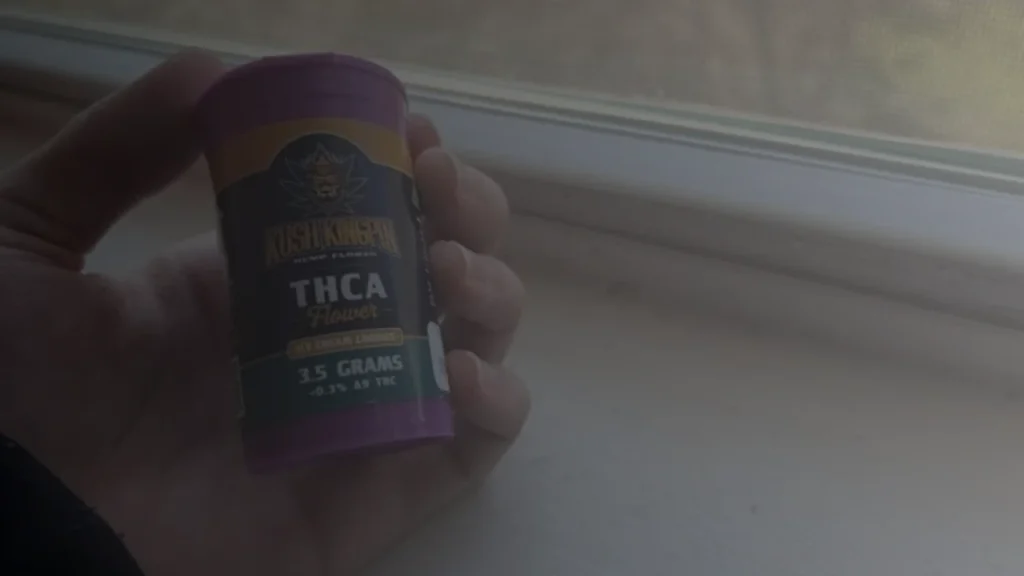
Can You Legally Possess THCA Flower in Texas?
Honestly, nobody knows for certain, and that’s not an exaggeration. KUT News, Austin’s NPR station, asked agencies across the state in September 2026 and got answers that contradicted each other.
DSHS told KUT it doesn’t regulate possession of consumable hemp and sent the question to law enforcement. The Texas Department of Public Safety said legality is decided by the courts. Then the local answers:
- Austin: Police said their policy is not to seize or arrest over hemp flower or concentrate that’s labeled at 0.3% delta-9 THC or less
- Round Rock: Police suggested possession would be a felony
- Hays County: The sheriff’s office said THCA won’t be legal under the state’s position, but products labeled hemp or 0.3% delta-9 would be treated as legal
- Travis County Sheriff: It’s up to the individual deputy’s discretion
- Dallas: Police pointed to the 87.7% rule but said that doesn’t automatically make it illegal
- Fort Worth: An officer said possessing less than 0.3% delta-9 is legal
Travis County District Attorney José Garza put it plainly: the risk of arrest is real, but enforcement will be difficult without clarity. That’s a prosecutor telling you the law is murky, not telling you you’re safe.
Here’s the legal tension. Texas’s 2019 hemp law protects hemp and the THC “in” hemp, including acids like THCA, as long as delta-9 stays under 0.3%. The new DSHS schedule seems to contradict that. Sarah Todd of the Texas Cannabis Policy Center told KUT the question hasn’t been decided because DSHS rules conflict with state law.
So what does that mean for you? An officer makes the first call on the roadside, minutes after a stop, before any court has settled it. You can be arrested and later have charges dropped. You can’t un-arrest yourself.
What Is Clearly Legal in Texas Right Now?
Some things aren’t in dispute. Here’s the short list.
- Hemp-derived delta-9 THC products (gummies, drinks, tinctures, edibles) at 0.3% delta-9 THC or less by dry weight, sold by licensed retailers to adults 21 and over
- CBD products that meet the same THC limit
- Medical cannabis through the Texas Compassionate Use Program, for patients with qualifying conditions (House Bill 46 expanded the list in 2025)
One catch on gummies. The 0.3% limit is a concentration, not a dose cap, so a legal gummy can still carry a real amount of THC. And how a product is weighed in a criminal case can differ from how it’s measured for hemp compliance, which is one reason defense lawyers warn about edibles.
What’s Banned or Off the Shelves?
- THCA flower, pre-rolls and concentrates at retail (fails the total-THC test)
- All hemp vapes, whatever cannabinoid is inside (banned since September 1, 2025)
- Delta-8, delta-10, delta-6, THCP and related compounds (Schedule I since July 31, 2026). Austin police said possession of these will be a felony
- Recreational marijuana, which has never been legal in Texas
What Are the Penalties?
This is where the stakes get real, and where product form matters. Texas treats marijuana plant material and THC extracts very differently.
Under the Texas Controlled Substances Act, small amounts of marijuana flower are usually misdemeanors. Possession of THC concentrates, oils, waxes and extracts is typically a felony in Texas, even in tiny amounts, and criminal defense firms across the state have warned about this for years. If THCA rosin or a THCA vape falls on the wrong side of the line, you may be looking at felony exposure over “a few crumbs,” as KUT put it.
We’re not going to guess at exact charges for THCA specifically, because no court has ruled on it since July 31. If you’re facing a real situation, talk to a criminal defense attorney in your county. It’s the only advice that fits this moment.
What About Driving, Drug Tests and Work?
THCA turns into delta-9 THC when you smoke or vape it. That means it can show up on a drug test and it can count toward a DWI. Texas law treats THC as an intoxicant for driving, and having a hemp product or a medical recommendation isn’t a defense to a DWI charge.
Roadside test kits used by some agencies measure delta-9 THC concentration in a product. Lab methods can differ, and heat-based testing can convert THCA to THC and change results. That’s one more reason product labels don’t protect you the way people assume.
Can You Order THCA Online and Have It Shipped to Texas?
Sellers outside Texas argue federal law allows interstate shipping of hemp. But you’re receiving it in Texas, where the state’s own rules now treat high-THCA flower as noncompliant hemp. Ordering from out of state doesn’t change what’s in the package, and it doesn’t change how a Texas officer or prosecutor reads it.
What Lawsuits Could Change This?
Several cases are pending, and none had an injunction in effect as of mid-September 2026.
- Texas Hemp Business Council v. DSHS challenges the total-THC rule and fees. It’s on appeal at the Fifteenth Court of Appeals, and the earlier injunction is no longer in effect
- Monti v. Garcia (No. 3:26-cv-00254) is a federal suit filed July 31, 2026, arguing the schedule conflicts with the Legislature’s hemp law. The Texas Tribune reported a federal judge denied an emergency restraining order on August 10
- SS Distro USA v. DSHS is a Travis County case. Trade coverage reports a restraining order was denied September 6, with a temporary injunction hearing set for October 30, 2026 (we couldn’t confirm that date against the docket, so check before relying on it)
A ruling in any of these could flip the rules again, in either direction.
What Changes Federally in November and December 2026?
Texas isn’t the only moving piece. A federal redefinition of hemp is set to replace the 2018 Farm Bill definition, and the Texas State Law Library’s cannabis guide flags November 12, 2026 as the start date. Trade reporting says Congress delayed most of it to December 11, while keeping the November 12 date for cannabinoids the plant can’t make naturally. Those secondary details are worth confirming closer to the date.
The broader federal standard would count total THC, the same idea Texas already adopted. Even if a court knocks down Texas’s rule, the federal change could close the same door.
What Should You Do Right Now?
- Don’t assume a “hemp” or “0.3%” label makes THCA flower or concentrate safe to carry. Officers, labs and prosecutors may not agree with the label
- Keep any product in its original packaging with its lab report (COA), and don’t mix products into unmarked containers
- Don’t drive after using any THC product. A DWI doesn’t depend on whether the product was hemp
- If you use delta-9 gummies or drinks, buy from a licensed retailer and keep the receipt
- If you’re stopped, stay calm, don’t consent to searches you don’t have to, and ask for a lawyer before answering questions about the product
- If you’re arrested or charged, call a Texas criminal defense attorney before you sign or say anything. Local practice varies a lot between counties
Facing THC-related charges in Texas? A free consultation with a drug crimes attorney can explain your options before you make any decision you can’t undo. You can also read more about drug charges and your rights in our criminal law section.
Is THCA Legal in Texas? Frequently Asked Questions
Is THCA legal in Texas right now?
Not to sell at retail. Since March 31, 2026, Texas’s total-THC rule keeps high-THCA flower off shelves. Whether personal possession is a crime is unsettled, and enforcement differs by city and county.
Is THCA flower a Schedule I drug in Texas?
THCA isn’t named on DSHS’s list, but the schedule reinstated July 31, 2026 covers naturally occurring hemp THCs other than delta-9. Legal experts and agencies disagree on whether that reaches THCA flower.
Is delta-9 THC still legal in Texas?
Yes, when hemp-derived, at 0.3% delta-9 THC or less by dry weight, and sold to adults 21 and over by licensed retailers.
Can I get arrested for having THCA flower in Texas?
It’s possible. Austin police say they won’t arrest over hemp-labeled products under the delta-9 limit, but other agencies say differently, and officers decide at the scene.
Are THCA vapes legal in Texas?
No. Hemp vapes have been banned since September 1, 2025, regardless of cannabinoid.
Can I buy THCA online and ship it to Texas?
Sellers say federal hemp law allows it, but the product would still fail Texas’s total-THC standard, so receiving it carries risk.
Does the Texas Compassionate Use Program still work?
Yes. Medical cannabis for qualifying patients isn’t affected by the hemp rules.
Will THCA become legal in Texas again?
It could if courts strike down the rules, but that’s uncertain, and a federal hemp redefinition is scheduled for late 2026 either way.
Sources Used in This Article
- KUT News (NPR, Austin) — “Is possessing smokable hemp flower and concentrate legal in Texas? No one knows,” September 15, 2026: https://www.kut.org/business/2026-09-15/texas-thca-hemp-flower-concentrate-schedule-i-legal
- Texas State Law Library — Consumable Hemp Products research guide: https://guides.sll.texas.gov/cannabis/hemp-products
- The Texas Tribune — “Texas THC ban continues as federal judge denies emergency motion,” August 10, 2026: https://www.texastribune.org/2026/08/10/texas-hemp-thc-ban-federal-court-emergency/
- KUT News — “Texas rule targeting smokable hemp is back in effect, but enforcement is unclear,” June 9, 2026: https://www.kut.org/business/2026-06-09/austin-tx-hemp-cannabis-marijuana-court-appeals-decisin
Researched and written by Israr Ahmad, legal content researcher and founder of AllAboutLawyer.com. All facts verified against KUT News reporting, the Texas State Law Library’s cannabis guide and Texas Tribune coverage, as of September 28, 2026. Last Updated: September 28, 2026.
This article is for informational purposes only and does not constitute legal advice. Laws vary by state and individual circumstances differ. For advice about your specific situation, consult a qualified attorney.
About the Author
Israr Ahmad is a legal content researcher with 4+ years of experience covering class action settlements and consumer rights cases. He has researched and published coverage of 2,500+ settlements using verified court records, settlement administrator filings, and government sources. Learn more about Israr.