
Is Lethal Injection Still Legal in the United States? What US Law Says in 2026
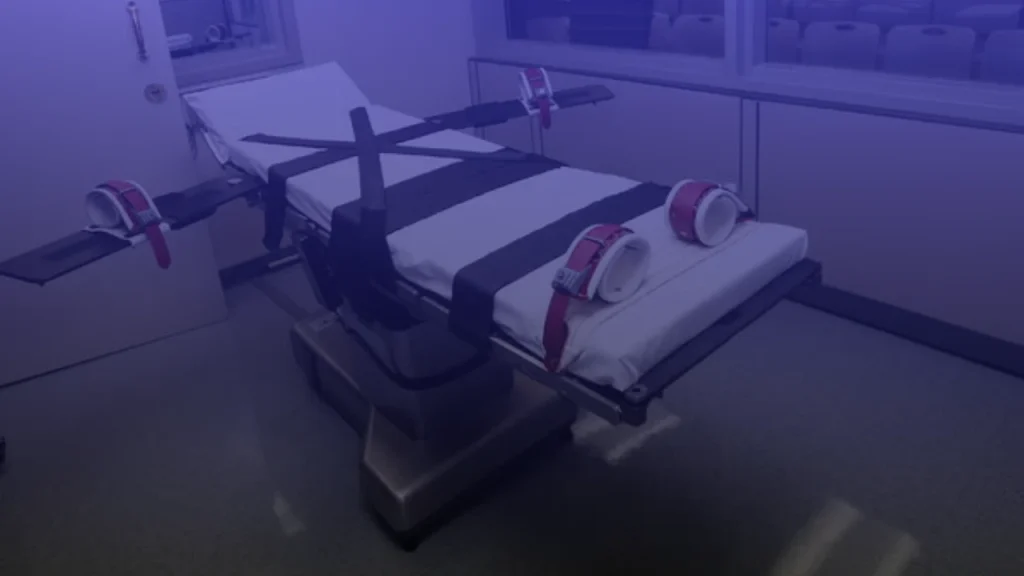
Yes. Lethal injection remains a legally authorized method of execution in the United States in 2026. It is authorized by the federal government and by states that keep capital punishment. The U.S. Supreme Court has not banned it, but individual execution protocols can still be challenged in court.
The question has returned to the news after Tennessee’s September 30, 2026 attempt to execute Christa Gail Pike. According to the Tennessee Department of Correction (TDOC), officials administered two rounds of lethal-injection drugs but did not complete the execution, and Pike was taken to an outside medical facility. That incident does not by itself make lethal injection illegal nationwide.
Lethal Injection Legal Status in the U.S.: Quick Facts
| Issue | Current legal position |
| Is lethal injection legal in the U.S.? | Yes |
| Federal government | Authorized; DOJ reinstated its federal protocol in April 2026 |
| Death-penalty states | Each state sets its own execution laws and protocols |
| U.S. Supreme Court | Upheld a challenged protocol in Baze v. Rees (2008) |
| Constitutional challenges | Methods and protocols can still be challenged under the Eighth Amendment |
| Tennessee | Lethal injection is the primary method |
| Florida | Lethal injection unless the person affirmatively elects electrocution |
| Does a failed execution invalidate lethal injection? | No, not automatically |
What Did the Supreme Court Decide in Baze v. Rees About Lethal Injection?
In Baze v. Rees, 553 U.S. 35 (2008), the Court considered Kentucky’s three-drug lethal-injection protocol. Prisoners argued it created an unconstitutional risk of severe pain under the Eighth Amendment, which bars cruel and unusual punishment. The Court upheld Kentucky’s protocol.
That does not mean every lethal-injection procedure is automatically constitutional. A particular protocol can still be challenged.
How Did Glossip v. Gross, Bucklew v. Precythe and Nance v. Ward Change Lethal Injection Challenges?
- Glossip v. Gross, 576 U.S. 863 (2015): In a challenge to Oklahoma’s protocol, the Court held that prisoners must show the method creates a risk of severe pain and identify a feasible, readily implemented alternative that significantly reduces that risk.
- Bucklew v. Precythe, 587 U.S. 119 (2019): The Court reinforced that the Eighth Amendment does not guarantee a painless execution and that the alternative-method requirement applies.
- Nance v. Ward, 597 U.S. 159 (2022): The Court held a prisoner may use a federal civil rights suit under 42 U.S.C. § 1983 to challenge a state’s execution method and propose an alternative.
The result: a prisoner cannot win just by showing a method might cause pain. The outcome depends on the protocol and the evidence in each case.
Is Federal Lethal Injection Still Authorized in 2026?
Yes. In April 2026, the U.S. Department of Justice announced that the Bureau of Prisons would reinstate the lethal-injection protocol used during the first Trump administration. DOJ said the protocol relies on pentobarbital, and it directed the Bureau of Prisons to expand the protocol to include additional methods, including the firing squad.
Federal capital sentences are carried out under 18 U.S.C. § 3596, which provides for implementation under federal procedures and addresses situations where the state where the sentence was imposed does not provide a method.
Related article: Joseph Perez Fresno Settlement, City and County Pay More Than $10 Million Over 2017 Police Restraint Death
Is Lethal Injection Legal in Florida in 2026?
Yes. Under Florida Statutes § 922.105, a death sentence is carried out by lethal injection unless the person sentenced to death affirmatively elects electrocution. Florida law separately allows other methods that are not held unconstitutional.
Is Lethal Injection Legal in Tennessee in 2026?
Yes. TDOC says legislation enacted in 2000 made lethal injection the state’s primary execution method. Certain prisoners whose crimes occurred before January 1, 1999 may still elect electrocution.
In December 2024, TDOC announced a revised protocol using the single drug pentobarbital. TDOC reported that Anthony Hines was executed by lethal injection at Riverbend Maximum Security Institution on August 13, 2026.
What Happened in Christa Pike’s September 30, 2026 Tennessee Execution Attempt?
Pike’s case produced litigation over Tennessee’s lethal-injection procedure. The U.S. Supreme Court docket lists the matter as Kenneth Nelsen, Warden v. Christa Gail Pike, No. 26A428, which reached the Court after proceedings in the Sixth Circuit. The Court allowed the execution to proceed after considering Tennessee’s application to vacate the lower-court stay.
According to TDOC, officials followed the established protocol, administered two rounds of the lethal-injection chemical, and did not complete the execution. The department said the protocol did not authorize additional procedures. Pike was taken to an outside medical facility.
After the attempt, Tennessee Gov. Bill Lee ordered an outside review and halted the state’s remaining scheduled 2026 execution, according to Associated Press reporting.
Does Christa Pike’s Failed Execution Make Lethal Injection Unconstitutional?
Not automatically. A failed execution and an unconstitutional method are different legal questions. Tennessee law still authorizes lethal injection, and TDOC still identifies it as an authorized method as of October 1, 2026. Any constitutional challenge arising from Pike’s case will depend on the facts, the evidence, the protocol and the court proceedings. A review of the procedure is also not a court ruling.
What Drugs and Methods Are Used in U.S. Executions?
Many states historically used a three-drug sequence (a sedative or barbiturate, a paralytic and potassium chloride). Because of supply problems, many jurisdictions have moved to a single drug such as pentobarbital, and some have used midazolam. Several states also authorize alternatives, including electrocution, firing squad and nitrogen hypoxia. Alabama carried out its first nitrogen hypoxia execution in January 2024. Which alternatives exist depends on state law.
Why Do U.S. Lethal Injection Laws Differ From State to State?
There is no single nationwide procedure. The federal government has its own system, and each state sets its own laws and protocols within constitutional limits. Two states can both authorize lethal injection but use different drugs, rules and backup methods.
What Can a Death-Row Prisoner Challenge About Lethal Injection?
Litigation can address whether a protocol creates an unconstitutional risk of severe pain, whether a feasible alternative exists, whether the state followed its own procedures, whether new medical evidence matters, and whether a stay should be granted. Those challenges do not mean lethal injection has been prohibited.
U.S. Lethal Injection Legal Status FAQ
Is lethal injection still legal in the United States in 2026?
Yes. It remains authorized under federal law and in states that retain capital punishment and authorize it.
Did the U.S. Supreme Court ban lethal injection?
No. In Baze v. Rees (2008), the Court upheld Kentucky’s challenged protocol.
Can a death-row prisoner challenge lethal injection?
Yes. Prisoners can challenge particular methods and protocols, and the Supreme Court has set standards for those challenges.
Is lethal injection the only execution method in the United States?
No. Some jurisdictions also authorize electrocution, firing squad, nitrogen hypoxia or other methods.
Does Florida still use lethal injection?
Yes. Florida’s statutes provide for lethal injection unless the person elects electrocution.
Does Tennessee still use lethal injection?
Yes. It is Tennessee’s primary method.
What happened during Christa Pike’s execution attempt?
On September 30, 2026, TDOC said it followed its protocol but did not complete the execution, and Pike was taken to an outside medical facility.
Did Christa Pike’s failed execution make lethal injection illegal?
No. The legality of the method and the constitutional questions from a particular execution are litigated separately.
Does federal law still permit lethal injection?
Yes. DOJ announced in April 2026 that the Bureau of Prisons would reinstate its pentobarbital protocol.
What Current U.S. Law Means for Lethal Injection
As of October 1, 2026, lethal injection remains legal in the United States. The Supreme Court has not declared it categorically unconstitutional, but the legality of a particular protocol can still be tested under the Eighth Amendment, and state protocols can change. The September 30 Tennessee attempt puts those questions back in the spotlight without changing the basic legal position.
This article is general information, not legal advice. AllAboutLawyer.com is not a law firm. Death-penalty law is highly jurisdiction-specific.
Sources: U.S. Department of Justice, April 24, 2026 announcement on the federal death penalty; Baze v. Rees, 553 U.S. 35 (2008); Glossip v. Gross, 576 U.S. 863 (2015); Bucklew v. Precythe, 587 U.S. 119 (2019); Nance v. Ward, 597 U.S. 159 (2022); U.S. Supreme Court docket, No. 26A428; Tennessee Department of Correction (death penalty page, December 2024 protocol review, August 13, 2026 and September 30, 2026 advisories); Associated Press reporting on the Tennessee review; Fla. Stat. §§ 922.10 and 922.105; 18 U.S.C. § 3596.
Researched and written by Israr Ahmad, legal content researcher and founder of AllAboutLawyer.com. All facts verified against U.S. Department of Justice announcements, U.S. Supreme Court opinions and dockets, Tennessee Department of Correction advisories and the Florida Statutes, as of October 1, 2026. Last Updated: October 1, 2026.
About the Author
Israr Ahmad is a legal content researcher with 4+ years of experience covering class action settlements and consumer rights cases. He has researched and published coverage of 2,500+ settlements using verified court records, settlement administrator filings, and government sources. Learn more about Israr.