
IEEPA Tariff Consumer Class Actions, Were You Overcharged? Litigation Update
If you paid a “tariff surcharge” or noticed prices jump on something you bought between early 2025 and early 2026 — you weren’t imagining it. The Supreme Court has since ruled those tariffs were never legal to begin with. Now more than 80 lawsuits argue the companies that passed those costs on to you never gave the money back. Here’s where things actually stand.
IEEPA Tariff Consumer Class Actions — Key Facts
| Lawsuits Filed | 80+ putative class actions since March 2026 (Holland & Knight count, June 2026) |
| Defendants Sued | FedEx, UPS, Costco, Lululemon, EssilorLuxottica, Walmart, Fabletics, and others |
| Underlying Ruling | Learning Resources, Inc. v. Trump, 146 S. Ct. 628 (2026) |
| Alleged Harm | Tariff surcharges/price increases passed to consumers, not refunded |
| Law Alleged | Unjust enrichment, money had and received, state consumer protection statutes |
| Who Is Affected | Consumers who bought tariff-affected goods, Feb. 2025 – Feb. 24, 2026 |
| Court & Case Numbers | Multiple federal districts — see Step by Step section below |
| Current Stage | Early stage; no ruling yet on core legal theories |
| Lead Plaintiff Deadline | N/A — case-specific, varies by lawsuit |
| Settlement Status | No settlement in any case. No claim form exists yet. |
| Last Updated | August 19, 2026 |
Who’s Being Sued, and Why?
The companies named share one thing: they imported goods subject to tariffs the government collected under the International Emergency Economic Powers Act, then raised prices or added surcharges tied to those tariffs. When the Supreme Court ruled the tariffs illegal, importers got a path to get their money back from the government. Consumers didn’t. That gap is why lawyers are now suing the companies directly instead.
What Happened Between February 2025 and February 2026?
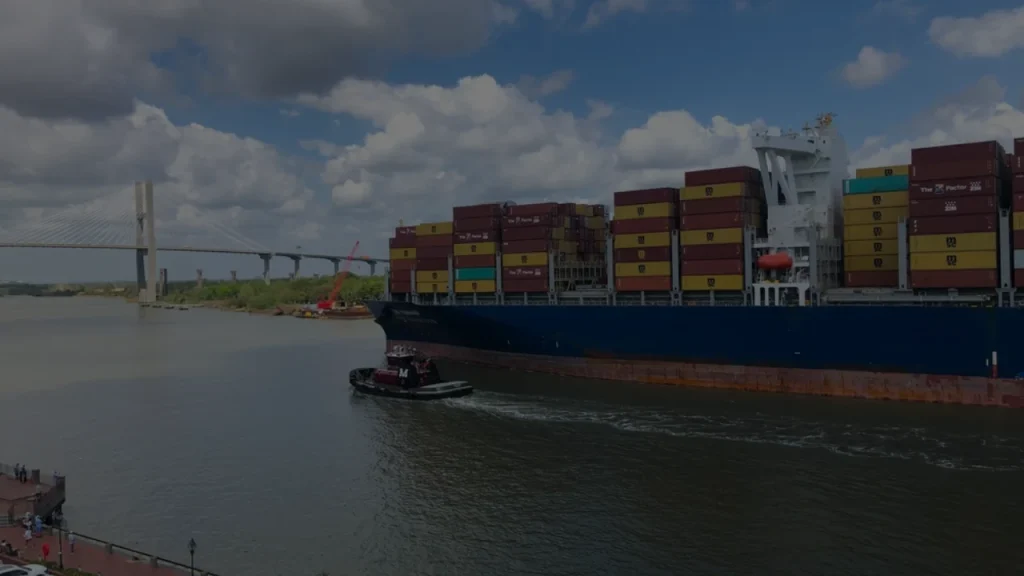
Starting in February 2025, the Trump administration used IEEPA to impose sweeping “reciprocal” and “fentanyl” tariffs on imports from nearly every trading partner. Companies paid those tariffs to Customs and Border Protection, then folded the cost into retail prices or itemized it as a separate charge at checkout.
On February 20, 2026, the Supreme Court decided that IEEPA does not authorize the president to impose tariffs, in a ruling that consolidated Learning Resources, Inc. v. Trump with Trump v. V.O.S. Selections, Inc. The Court found tariff power belongs to Congress, not the executive branch acting alone under an emergency-powers law. Tariff collection stopped days later, and CBP estimates it had taken in something on the order of $133 billion to $175 billion in duties that now had to be sorted out.
Related article: Americold Data Breach Settlement, Check If You Qualify — Bracy v. Americold Logistics, LLC, No. 1:23-cv-05743-TWT
Here’s the catch: only the importer of record — usually the company, not you — can apply for a government refund. So plaintiffs’ firms started asking a different question: if the company gets its money back from Washington, shouldn’t the customer who covered that cost at checkout get a share too?
That’s the theory behind the Fabletics IEEPA tariff surcharge lawsuit AllAboutLawyer.com covered in April — and it’s the same theory now running through cases against Walmart, Costco, Lululemon, FedEx, UPS, and EssilorLuxottica.
If you paid one of these surcharges and the company later collects a refund on the exact same tariffs — that money didn’t come out of thin air. It came out of your receipt.
Are You Part of This Litigation?
Here’s exactly how to know if one of these cases might include you.
- Shoppers who bought goods from a named defendant between February 2025 and February 24, 2026, and paid a price increase or line-item tariff surcharge
- Customers who received a shipment from FedEx or UPS and were separately billed for import duties or tariff fees
- Members who bought private-label or imported goods where the company later sought its own IEEPA refund on those same products
- Anyone who kept a receipt, invoice, or shipping bill showing a “tariff,” “duty,” or “import fee” charge during that window
You do not need to have filed anything with the government — these are private lawsuits against companies, separate from the importer refund process at Customs. And you’re not automatically excluded if you bought from a company not yet named; more suits are being filed monthly as plaintiffs’ firms move through major retailers and shippers.
Affected Nationwide — Not Limited by State
These are federal class actions brought under nationwide unjust enrichment and money-had-and-received theories, alongside state consumer protection claims layered on top in several filings. Coverage isn’t limited to one state — if you bought from a named company anywhere in the U.S. during the class period, the theory potentially reaches you, though the exact class definition varies case by case.
Not sure if your purchase falls inside one of these cases? A free consultation with a consumer fraud attorney can walk through your receipts before any deadline in a specific case arrives.
What Are Plaintiffs Asking the Court to Award?
Plaintiffs aren’t asking for a fixed dollar figure — there’s no formula yet. Complaints generally ask the court to order defendants to return the tariff-related amount charged, or to share any government refund the company later receives, plus damages, declaratory relief, and attorneys’ fees.
No money yet. No claim form yet. Some individual complaints do cite eye-catching numbers tied to the alleged scale of the conduct — the Lululemon suit references roughly $240 million in tariff costs allegedly passed through, and the Walmart suit references up to $10.2 billion in refunds Walmart is positioned to receive without sharing it. Those are allegations about the company’s exposure, not promised individual payouts.
What Could Affected Consumers Receive If Any of These Cases Settles?
Impossible to predict right now. It depends on class certification, how many companies actually receive government refunds, and how courts value the “double recovery” theory that hasn’t been tested yet anywhere. A securities or consumer fraud attorney can flag which pending case, if any, might eventually apply to your specific purchases.
What Should You Do Right Now?
- Don’t panic, and don’t file anything yet. No claim process exists in any of these cases.
- Save your documents now — order confirmations, receipts, and shipping invoices showing a tariff, duty, or import-fee line item from purchases made between February 2025 and February 2026.
- Note which company you bought from and whether the charge was baked into the price or itemized separately — that distinction matters for which legal theory applies.
- Watch for CBP refund news. As of early August 2026, the government reported it had refunded roughly $100 billion of the tariffs collected — about 60% of the total — which is exactly the kind of event that can trigger the “double recovery” claims against a specific company.
- Check back on named cases. Glase v. Walmart Inc. (N.D. Ohio, No. 1:26-cv-00988-DAR) and the Lululemon suit (E.D. Mich., No. 2:26-cv-11029) are two of the more developed filings to track.
- Talk to an attorney before assuming you’re covered. Class definitions differ case by case, and only a handful of these 80-plus suits have moved past the complaint stage.
IEEPA Tariff Litigation — Full Timeline
| Milestone | Date |
| IEEPA “fentanyl” tariffs begin | February 4, 2025 |
| IEEPA “reciprocal” tariffs begin | April 5, 2025 |
| Supreme Court strikes down IEEPA tariffs | February 20, 2026 |
| CBP stops assessing IEEPA duties | February 22, 2026 |
| First consumer class actions filed (EssilorLuxottica, Feb. 26; FedEx) | Late February 2026 |
| CIT orders CBP to begin refunds (Atmus Filtration) | March 4, 2026 |
| Costco consumer suit filed | March 11, 2026 |
| Lululemon consumer suit filed | March 27, 2026 |
| CBP launches CAPE refund portal, Phase 1 | April 20, 2026 |
| Walmart consumer suit filed (Glase v. Walmart) | April 27, 2026 |
| CAPE Phase 2 opens | June 29, 2026 |
| CIT hears class certification arguments, importer side (V.O.S. Selections) | August 6, 2026 |
| CBP reports ~$100 billion refunded to date | August 5, 2026 (court filing) |
| Next scheduled hearing on consumer-side theories | UNVERIFIED — no consumer-class-action merits ruling scheduled as of this writing |
| Expected resolution | UNVERIFIED — legal analysts expect final resolution may extend into 2027 given appeals |
IEEPA Tariff Consumer Class Actions — Frequently Asked Questions
Is there a class action lawsuit over IEEPA tariff charges right now?
Yes. More than 80 putative class actions have been filed since March 2026 against companies including Walmart, Costco, Lululemon, FedEx, UPS, and EssilorLuxottica, alleging they kept tariff-related charges collected from consumers.
Do I need to do anything right now to be part of one of these lawsuits?
No. These cases haven’t been certified as classes, and no claim form exists. If a company you bought from is named and a class is certified, notice typically goes out automatically to affected purchasers.
When will the IEEPA tariff consumer cases settle?
No court has ruled on the core legal theories yet. Given related importer-refund litigation at the Court of International Trade is still working through appeals as of August 2026, a resolution likely won’t come until 2027 at the earliest.
Can I file my own lawsuit instead of joining a class?
Yes, if your losses are large enough to justify individual litigation. Most consumers with a single purchase are better served waiting to see if a class is certified in the case involving their specific retailer.
How will I find out if one of these cases settles?
Class counsel is required to notify identifiable class members, usually by mail or email tied to loyalty accounts or order records, once a settlement or certification order is reached.
What does “double recovery” mean in these cases?
It’s the plaintiffs’ core argument: that a company shouldn’t get to collect a government refund on tariffs it already passed on to customers through higher prices, and keep both.
What specific laws are companies accused of violating?
Filings rely mainly on common-law unjust enrichment and money-had-and-received claims, layered with state consumer protection or unfair-trade-practice statutes depending on where the suit is filed.
How much could affected consumers get if one of these cases settles?
There’s no way to know yet. No case has reached a proposed settlement, and any eventual payout would depend on how many purchasers file claims and how courts value the underlying theory.
Sources Used in This Article
- U.S. Supreme Court Opinion — Learning Resources, Inc. v. Trump, 146 S. Ct. 628 (Feb. 20, 2026)
- Holland & Knight — “Tariff Consumer Class Actions: What Businesses Need to Know,” June 2026: https://www.hklaw.com/en/insights/publications/2026/06/tariff-consumer-class-actions
- Thompson Coburn LLP — “Consumer Class Actions Targeting Post-Tariff Pricing”: https://www.thompsoncoburn.com/insights/consumer-class-actions-targeting-post-tariff-pricing-an-emerging-risk-for-importers-and-retailers/
- Sidley Austin LLP — “IEEPA Tariff Refund Claims: Key Considerations,” April 2026: https://www.sidley.com/en/insights/newsupdates/2026/04/ieepa-tariff-refund-claims-key-considerations-for-lenders-borrowers-and-claims-purchasers
- Varnum LLP — “IEEPA Tariff Refund Process Sparks Consumer Class Actions”: https://www.varnumlaw.com/insights/ieepa-tariff-refund-process-sparks-consumer-class-actions/
- Openclassactions.com — “Walmart Tariff Class Action” (Glase v. Walmart Inc., N.D. Ohio, No. 1:26-cv-00988-DAR): https://openclassactions.com/news/walmart-tariff-consumer-refunds-class-action.php
- CNBC — “Trump admin refunds $100 billion in ‘liberation day’ tariffs,” August 2026: https://www.cnbc.com/2026/08/05/trump-tariffs-refunds-ieepa-lawsuit.html
- RVIA — “Latest Tariff Developments” (CIT/CAPE hearing tracker): https://www.rvia.org/news-insights/latest-tariff-developments
Researched and written by Israr Ahmad, legal content researcher and founder of AllAboutLawyer.com. All facts verified against the U.S. Supreme Court’s opinion, CBP/CIT court filings, and named law firm litigation trackers as of August 19, 2026. Last Updated: August 19, 2026.
This article is for informational purposes only and does not constitute legal advice. Laws vary by state and individual circumstances differ. For advice about your specific situation, consult a qualified attorney.
About the Author
Israr Ahmad is a legal content researcher with 4+ years of experience covering class action settlements and consumer rights cases. He has researched and published coverage of 2,500+ settlements using verified court records, settlement administrator filings, and government sources. Learn more about Israr.