
Do You Need Identity Theft Protection If You Freeze Your Credit?
Probably yes, but not for the reason most people think. A credit freeze is free, and it’s the single best tool for stopping someone from opening a new credit card or loan in your name. It doesn’t touch the rest of identity theft — and that’s the part nobody explains clearly.
What a Credit Freeze Actually Blocks
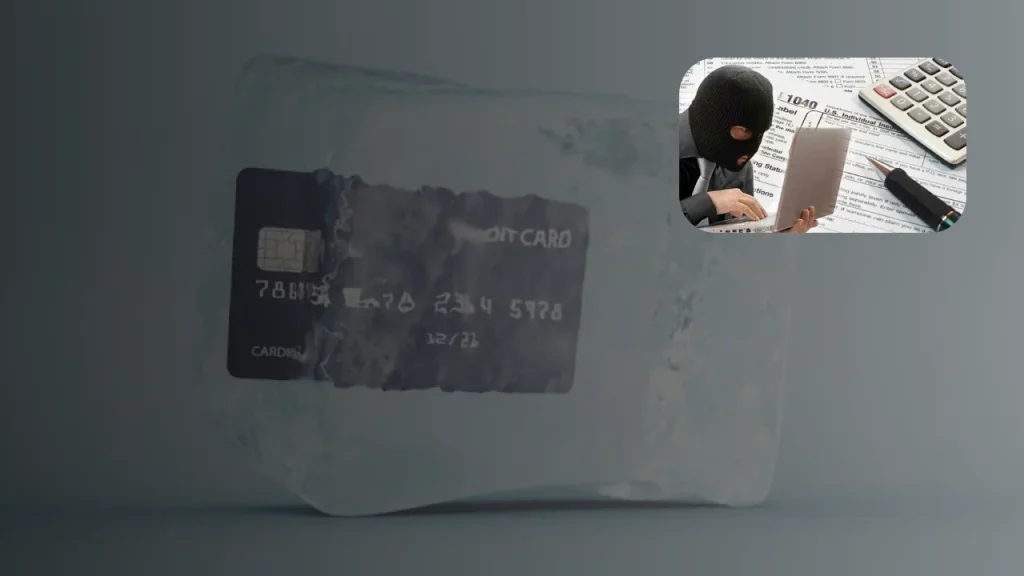
A freeze locks down your credit report at Equifax, Experian, and TransUnion. While it’s active, nobody — including you — can open a new credit account using your Social Security number. Lenders can’t even see your report to approve an application. It costs nothing, doesn’t hurt your credit score, and stays in place until you lift it.
That’s the whole job of a freeze. One job. It’s a lock on one specific door.
What It Doesn’t Cover
Here’s where people get burned. A freeze does nothing about:
- Tax refund fraud — someone files a return in your name before you do
- Account takeovers — a thief logs into an existing bank, brokerage, or email account you already have
- Medical identity theft — your insurance information gets used for someone else’s treatment
- Existing account misuse — a criminal who already has your card number racking up charges
- Government benefits fraud — unemployment or SSA benefits claimed under your name
- Synthetic identity fraud — your SSN gets mixed with fake details to build a new identity that doesn’t map cleanly back to you
None of that runs through a credit check. A freeze can’t stop what it never sees.
The Gap Nobody Points Out
Here’s the number that actually matters, and it’s the one most identity-theft-protection articles skip. If you’ve been notified of a data breach, the free credit monitoring the company offers almost always runs 1-2 years. But the elevated risk window for stolen SSNs and personal data typically runs 3-5 years — thieves often sit on stolen data and use it later, specifically to avoid triggering fraud alerts during the monitoring period everyone’s watching. That gap between “free coverage ends” and “risk actually ends” is exactly where identity theft protection services earn their cost, if you decide to pay for one at all.
Related article: Why Is It So Important to Have Restoration Services With Your ID Theft Protection?
When a Freeze Alone Is Actually Enough
If your main concern is a stranger opening a credit card with your name on it, a freeze plus a fraud alert covers most of that risk for free. You don’t need a paid service just to stop new-account fraud — that’s exactly what the freeze already does.
When You Should Add Protection on Top
Add paid monitoring or at least the free tools below if any of this applies to you:
- You got a data breach notification letter and your free monitoring window is running out
- Your SSN, not just a card number, was exposed
- You’ve already been a victim once
- You manage finances for an aging parent or a minor
- You want someone else watching accounts you don’t check often
The value isn’t really the “protection” — nothing fully prevents identity theft. It’s the monitoring and the recovery help after something slips through.
How to Actually Place the Freeze
You have to contact all three bureaus separately — freezing one doesn’t freeze the others:
- Experian — experian.com/freeze/center.html
- Equifax — equifax.com/personal/credit-report-services/credit-freeze
- TransUnion — transunion.com/credit-freeze
Phone numbers change occasionally, so for the current one at each bureau, use the FTC’s own contact list at IdentityTheft.gov’s Credit Bureau Contacts page rather than a number copied from an old article.
Freezing a child’s credit works differently. For a child under 16, each bureau has a separate minor-freeze process — Experian, Equifax, and TransUnion each spell out the exact steps.
Free Steps Worth Doing Either Way
- Initial fraud alert alongside your freeze — free, lasts a year, and only requires contacting one bureau; it notifies the other two automatically
- Extended fraud alert if you’ve already filed an FTC identity theft report or police report — lasts seven years instead of one, and also gets you off prescreened credit offer lists for five years
- AnnualCreditReport.com — pull your three free reports and actually read them
- IdentityTheft.gov — the FTC’s own recovery site if something already happened
- Bank and card alerts — free, and they catch account-takeover activity a freeze can’t
If you’re weighing a paid option, our breakdowns of LifeLock’s actual coverage and what Credit Karma does and doesn’t monitor go through the specifics — and our comparison of the major identity theft protection services lays out where each one is strong and where it isn’t.
It also helps to know what you’re actually protecting against. Our piece on the real financial and legal fallout of identity theft covers what victims deal with once it happens, and how identity theft is charged criminally if you’re dealing with a known offender.
FAQ
Does a credit freeze stop identity theft completely?
No. It stops new credit accounts from being opened in your name. It does nothing about tax fraud, account takeovers, or misuse of an SSN outside the credit system.
Is a credit freeze free?
Yes, at all three bureaus — Equifax, Experian, and TransUnion. There’s no cost to place or lift one, and it doesn’t affect your credit score.
What’s the difference between a credit freeze and a fraud alert?
A freeze blocks anyone, including you, from opening new credit until you lift it. A fraud alert just requires lenders to verify your identity first. Alerts are easier to use short-term; freezes are stronger long-term.
What’s the difference between an initial and an extended fraud alert?
An initial alert lasts one year and anyone can place it. An extended alert lasts seven years but requires an FTC identity theft report or police report to set up.
If I already have a credit freeze, do I still need paid monitoring?
Only if you want coverage for things a freeze doesn’t touch — dark web alerts, SSN misuse, medical ID theft, or recovery help. If new-account fraud is your only worry, the freeze already handles it.
Can identity theft still happen with a freeze in place?
Yes. Existing accounts, tax filings, and medical records aren’t protected by a freeze. That’s the part most people miss.
How do I freeze a child’s credit?
Each bureau has a separate minor-freeze process since kids under 16 don’t usually have credit files yet — you’ll need to submit ID and proof of guardianship directly through each bureau’s minor-freeze page.
Sources Used in This Article
- FTC Consumer Advice — Credit Freezes and Fraud Alerts, updated September 2025: consumer.ftc.gov/articles/credit-freezes-and-fraud-alerts
- FTC IdentityTheft.gov — Credit Bureau Contacts: identitytheft.gov/#/CreditBureauContacts
- Equifax — Credit Freeze Service Page: equifax.com/personal/credit-report-services/credit-freeze
Researched and written by Israr Ahmad, legal content researcher and founder of AllAboutLawyer.com. All facts verified against the sources above.
This article is for informational purposes only and does not constitute legal advice. For advice about your specific situation, consult a qualified attorney.