
ATF Stops Enforcing National Firearms Act Rules for Suppressors, Short-Barreled Rifles, Short-Barreled Shotguns and AOWs (October 9, 2026)
On October 9, 2026, the Bureau of Alcohol, Tobacco, Firearms and Explosives (ATF) announced it will no longer enforce the National Firearms Act (NFA) approval, registration, tax-stamp and marking requirements for suppressors (silencers), short-barreled rifles (SBRs), short-barreled shotguns (SBSs) and “any other weapons” (AOWs). Machine guns and destructive devices are not part of the change. They stay fully regulated, including the $200 tax.
This is an enforcement policy, not a repeal. The NFA is still in the U.S. Code, the Gun Control Act of 1968 (GCA) still applies, and state and local laws are untouched. ATF itself warns that the policy can be reversed.
Quick Facts: ATF’s October 9, 2026 NFA Enforcement Policy
| Issue | Where things stand (as of October 10, 2026) |
| Agency | Bureau of Alcohol, Tobacco, Firearms and Explosives (ATF) |
| What was issued | Open Letter and Frequently Asked Questions, effective October 9, 2026 |
| Items covered | Suppressors, SBRs, SBSs, and AOWs as defined in 26 U.S.C. § 5845(e) |
| Making and transfer tax on covered items | $0 under the One Big Beautiful Bill Act (Pub. L. 119-21) |
| Items not covered | Machine guns and destructive devices ($200 tax and full NFA rules remain) |
| Court case | Silencer Shop Foundation v. ATF, No. 6:25-cv-056 (N.D. Tex. Aug. 5, 2026) |
| Scope of the court’s injunction | Plaintiffs and certain related persons only |
| Scope of ATF’s policy | Nationwide, as a matter of enforcement discretion |
| Background checks (Form 4473 and NICS) | Still required for dealer transfers |
| State and local laws | Still apply in full |
| Voluntary registration | ATF will keep accepting and approving NFA forms |
What Did ATF Stop Enforcing on October 9, 2026?
According to ATF’s FAQ, the agency ceased enforcing these NFA provisions as applied only to SBRs, SBSs, silencers and AOWs:
- The requirement to apply for and receive ATF approval before making the firearm (Form 1).
- The requirement for those in the business to register a firearm within 24 hours of making it.
- The requirement to apply for and receive ATF approval before transferring the firearm (Form 4).
- The requirement to register the firearm in the National Firearms Registration and Transfer Record (NFRTR).
- The prohibitions on making, receiving, transferring and possessing unregistered NFA firearms, except the ban on firearms with obliterated serial numbers (26 U.S.C. § 5861(h)) and on illegally imported firearms (26 U.S.C. § 5861(k)).
- The ban on moving unregistered NFA firearms in interstate commerce (26 U.S.C. § 5861(j)).
- The NFA marking requirement.
- Any other NFA provision specifically enjoined by the district court.
The non-enforcement applies only to items for which Congress eliminated the making and transfer taxes. It does not reach machine guns or destructive devices.
How Did the One Big Beautiful Bill Act and Silencer Shop Foundation v. ATF Lead to This?
1934: The National Firearms Act and the taxing power
Congress passed the NFA in 1934 as a tax law, 26 U.S.C. Chapter 53. A $200 making tax and transfer tax applied to most covered items, and registration came with it. AOW transfers carried a smaller $5 tax. The Supreme Court upheld the NFA’s tax in Sonzinsky v. United States, 300 U.S. 506 (1937), treating it as a valid exercise of the taxing power.
1968: The Gun Control Act
The GCA (principally 18 U.S.C. Chapter 44) was enacted in 1968 and rewrote parts of the NFA after Haynes v. United States, 390 U.S. 85 (1968), which dealt with the Fifth Amendment problem of compelled registration. The GCA is a separate law. It governs licensing, dealer sales, background checks and prohibited persons, and ATF’s October 2026 policy leaves it in place.
1986: The Hughes Amendment
The Firearm Owners Protection Act of 1986 added 18 U.S.C. § 922(o), which generally bars civilian possession or transfer of machine guns made after May 19, 1986. This is why machine guns are outside the new policy.
July 4, 2025: Congress sets the tax to $0
The One Big Beautiful Bill Act, Pub. L. 119-21, signed July 4, 2025, cut the NFA making and transfer taxes to $0 for SBRs, SBSs, suppressors and AOWs, effective January 1, 2026. It left the $200 tax in place for machine guns and destructive devices. The special occupational tax on businesses (26 U.S.C. § 5801) was not eliminated.
August 5, 2026: The Northern District of Texas rules
In Silencer Shop Foundation v. ATF, No. 6:25-cv-056, the court reasoned that once Congress reduced the tax to $0, the NFA’s making, registration and transfer provisions were no longer valid uses of the taxing power for those four categories. It also held that Congress had not relied on its Commerce Clause power when it enacted the NFA. The court enjoined enforcement of those provisions, but only for the plaintiffs and certain related persons, including members and current and future customers of the plaintiff organizations.
October 9, 2026: Nationwide enforcement discretion
Because an injunction that protects only some people creates an uneven system, ATF said it would extend non-enforcement to everyone, “as a matter of enforcement discretion.” That is the policy at the center of this article. A court did not order it for the whole country.
What Does the ATF Policy Mean for Suppressors, SBRs, SBSs and AOWs?
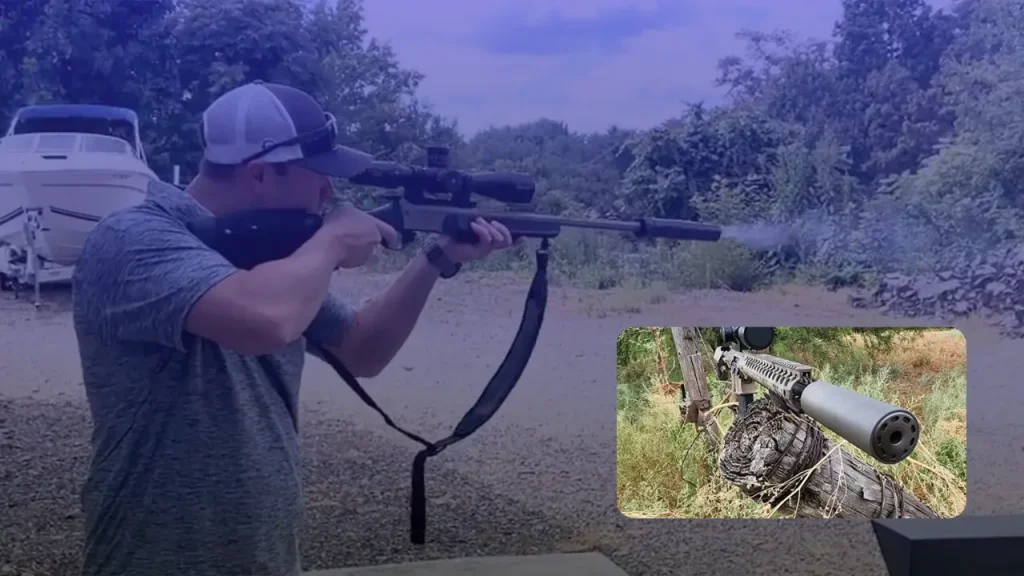
Suppressors (silencers). No Form 1 or Form 4 approval is needed to make or transfer one under federal enforcement policy. A dealer still treats a silencer as a “firearm” under the GCA, which means a Form 4473 and a NICS check. Businesses that manufacture silencers must serialize them, and ATF’s FAQ notes that businesses manufacturing silencers before November 20, 2026 must also register with the Department of State under the International Traffic in Arms Regulations (ITAR).
Short-barreled rifles (26 U.S.C. § 5845(a)(3), (4)). The NFA covers rifles with a barrel under 16 inches, or an overall length under 26 inches. NFA approval is no longer enforced. A separate GCA rule still matters, covered below.
Short-barreled shotguns (26 U.S.C. § 5845(a)(1), (2)). The NFA covers shotguns with a barrel under 18 inches, or an overall length under 26 inches. The same logic applies as for SBRs.
Any Other Weapons (26 U.S.C. § 5845(e)). AOWs are concealable firearms other than pistols and revolvers. Whether a particular item is an AOW depends on the statutory definition and its design, so owners should not guess.
What Federal Laws Still Apply After the October 9, 2026 ATF Announcement?
| Law or provision | What it does | Status after Oct. 9, 2026 |
| 26 U.S.C. §§ 5811, 5821 | NFA transfer and making taxes | $0 for the four categories; $200 remains for machine guns and destructive devices |
| 26 U.S.C. § 5801 | Special occupational tax for businesses | Still applies to those manufacturing, importing or dealing |
| 26 U.S.C. § 5845 | NFA definitions | Determines which items fall in the policy |
| 26 U.S.C. § 5861(h), (k) | Obliterated serial numbers; illegal imports | Still enforced |
| 26 U.S.C. §§ 5871, 5872 | Criminal penalties and forfeiture | Still on the books for unregistered items outside the policy |
| 18 U.S.C. § 922(b)(2) | Dealers may not sell in violation of state or local law | Applies in full |
| 18 U.S.C. § 922(b)(4) | Dealers may not sell SBRs or SBSs unless authorized by the Attorney General | Temporary enforcement discretion until a new process exists |
| 18 U.S.C. § 922(a)(4) | Interstate transport of SBRs and SBSs requires approval (Form 20) | Still applies |
| 18 U.S.C. § 922(g), (d) | Prohibited persons; selling to them | Still applies |
| 18 U.S.C. § 922(o) | Machine-gun restriction (Hughes Amendment) | Untouched |
| 18 U.S.C. § 925(a) | Government-entity exception | Dealers may still transfer SBRs and SBSs to state and local governments for official use |
| 27 C.F.R. Parts 478 and 479 | ATF GCA and NFA regulations | Must be read with the new guidance |
| ITAR (22 C.F.R. Parts 120-130) | Export-control rules for silencer manufacturers | Registration duty noted in ATF’s FAQ |
What Has Not Changed Under the Gun Control Act of 1968?
Background checks for GCA firearms: Form 4473 and NICS
ATF says these items remain statutory “firearms” under the GCA. A licensed dealer must complete ATF Form 4473, run a NICS check unless an exemption applies, and keep transaction records.
Prohibited persons under 18 U.S.C. § 922(g)
People barred from possessing firearms, including felons and those convicted of domestic violence offenses, are still barred. No one may sell or deliver one of these items to a person they know or have reasonable cause to believe is prohibited.
Interstate transport of SBRs and SBSs: Form 20 under 18 U.S.C. § 922(a)(4)
ATF says an individual must still file a Form 20 before transporting an SBR or SBS across state lines, even if it is unregistered. Silencers and AOWs do not face this GCA transport rule.
Dealer transfers of SBRs and SBSs under 18 U.S.C. § 922(b)(4)
This provision bars a dealer from selling an SBR or SBS except as authorized by the Attorney General. In the past, the NFA approval process satisfied it. ATF says no replacement process exists yet, is drafting forms and regulations to create one, and will not enforce § 922(b)(4) until those rules exist.
Out-of-state sales and private transfers
ATF’s FAQ says dealers can generally sell these items only to residents of the state where they are licensed. Unlicensed individuals may not transfer them to residents of other states or to prohibited persons, and may not engage in the business of manufacturing or transferring them.
Business licensing and the special occupational tax
Congress did not remove the special occupational tax. Dealers, manufacturers and importers must still pay it for each business activity, and a licensed dealer cannot deal in these items without it. Dealers who sell between SOT-paying licensees no longer need Form 3 approval, but may file one voluntarily.
Machine guns and destructive devices
ATF says these remain taxable and subject to every NFA provision. The $200 tax, registration and approval requirements all stay in place. The Hughes Amendment freeze on post-May 19, 1986 machine guns is a separate law and also stays.
Can Someone Still Be Prosecuted Under State Law for Owning an Unregistered NFA Item?
Possibly. This is the biggest practical risk. ATF’s FAQ tells readers to check with state and local authorities and says most states require that people who possess NFA items comply with federal law or register them. ATF says it cannot say whether holding an unregistered item under federal enforcement discretion counts as lawfully held under any given state’s law.
ATF also says some states have no state-level restrictions on some or all NFA items, and many states do not regulate silencers at the state level. A minority of states prohibit most or all of these items outright, and the federal policy does not change that. Under 18 U.S.C. § 922(b)(2), a dealer who willfully sells in violation of state or local law faces federal criminal penalties and license revocation.
What Are the Legal Risks of Relying on ATF’s Enforcement Discretion?
ATF is direct about this. Its FAQ lists the ways enforcement could resume:
- Congress could impose a new tax on these firearms.
- The district court’s injunction could be dissolved or overturned.
- The Department of Justice could withdraw the enforcement guidelines.
The NFA treats unregistered firearms as contraband, and under 26 U.S.C. §§ 5861, 5871 and 5872 and 49 U.S.C. §§ 80302 and 80303, making, possessing, transferring or receiving one can bring felony penalties and forfeiture. A person who holds an unregistered item and later faces a change in the law has no automatic protection. Federal law generally does not allow late registration of unregistered NFA items, and the Attorney General may, but is not required to, declare an amnesty of up to 90 days.
Nonenforcement is also not a court ruling for everyone. ATF notes that the Texas decision does not bind other federal or state courts, and other courts could reach different conclusions on Congress’s taxing and commerce powers. The court did not decide the plaintiffs’ Second Amendment claims.
Is Voluntary Registration Still Available With ATF’s NFA Division?
Yes. ATF says it will continue to maintain the NFRTR and approve NFA forms, including Forms 1 and 4, for anyone who chooses to submit them. This can matter where a state law ties lawful possession to federal registration.
ATF also says anyone who wants to withdraw an application, or to unregister a previously registered item, can write to the NFA Division at [email protected]. Once an item is removed it cannot be registered again unless the Attorney General declares an amnesty.
What Should Gun Owners, Dealers and Manufacturers Do Next?
Individual owners and buyers. Confirm the category of the item under 26 U.S.C. § 5845, check your state and local law before buying, making or moving it, and read ATF’s full FAQ. For an SBR or SBS, remember Form 20 for interstate travel. Consider voluntary registration if your state ties legality to it, and speak to a firearms attorney in your state.
Federal firearms licensees. Keep using Form 4473 and NICS, keep records, sell only within your state’s residency rules, and follow state and local law. Pay the special occupational tax before engaging in the business. Watch for ATF’s new § 922(b)(4) rules for SBRs and SBSs.
Manufacturers and importers. Hold the correct GCA manufacturing license, serialize every firearm and silencer, and review ITAR registration with the Department of State.
Frequently Asked Questions About ATF’s October 9, 2026 NFA Policy
Did ATF repeal the National Firearms Act on October 9, 2026?
No. The NFA is still federal law. ATF announced it will not enforce certain provisions for suppressors, SBRs, SBSs and AOWs.
Is the $200 NFA tax gone for suppressors and short-barreled rifles?
Yes for the four covered categories. The One Big Beautiful Bill Act set the making and transfer taxes to $0. The $200 tax remains for machine guns and destructive devices.
Do suppressors still need ATF Form 4 approval after October 9, 2026?
Not under ATF’s enforcement policy. A dealer must still complete Form 4473 and a NICS check, and state law may still restrict or ban suppressors.
Do I still need ATF Form 20 to travel with a short-barreled rifle across state lines?
Yes. ATF says Form 20 is still required under 18 U.S.C. § 922(a)(4) for interstate transport of an SBR or SBS, even if the firearm is unregistered.
Does Silencer Shop Foundation v. ATF apply to everyone in the United States?
No. The injunction covers the plaintiffs and certain related persons. ATF’s nationwide policy is a separate choice to exercise enforcement discretion.
Are machine guns covered by the October 9, 2026 ATF policy?
No. Machine guns and destructive devices remain subject to every NFA provision, and 18 U.S.C. § 922(o) is unaffected.
Can states still prosecute unregistered suppressors or short-barreled rifles?
Yes. ATF says state and local laws are not displaced and that it cannot say whether an unregistered item qualifies as lawfully held for state-law purposes.
Will unregistered NFA items be grandfathered if ATF changes course?
Not automatically. ATF says federal law does not generally allow late registration and has no automatic grandfathering. Only an Attorney General amnesty of up to 90 days could provide a registration window, and none is required.
Can I still register a suppressor or SBR voluntarily with the NFA Division?
Yes. ATF says it will continue to maintain the NFRTR and approve forms submitted voluntarily.
Related Reading on AllAboutLawyer.com
For another example of how federal agency positions and state firearms laws can point in different directions, read Are FRT Triggers Legal by State?
Official Sources and Legal References
- ATF: Update to NFA Transfer Guidance (Open Letter and FAQs, October 9, 2026)
- ATF Press Release: ATF issues guidance on National Firearms Act transfers for short-barreled rifles, short-barreled shotguns, suppressors, and certain other firearms
- ATF: National Firearms Act
- ATF: NFA Division
- Silencer Shop Foundation v. ATF, No. 6:25-cv-056 (N.D. Tex. Aug. 5, 2026)
- 26 U.S.C. § 5811 (transfer tax)
- 26 U.S.C. § 5821 (making tax)
- 26 U.S.C. § 5845 (definitions)
- 26 U.S.C. § 5861 (prohibited acts)
- 18 U.S.C. § 922 (Gun Control Act provisions)
This article is for general information only and is not legal advice. AllAboutLawyer.com is not a law firm. Firearms law changes quickly and varies by state, so confirm current rules and consult a licensed firearms attorney before acting.
Researched and written by Israr Ahmad, legal content researcher and founder of AllAboutLawyer.com. All facts verified against the official ATF Open Letter and Frequently Asked Questions on atf.gov, as of October 10, 2026. Last Updated: October 10, 2026.
About the Author
Israr Ahmad is a legal content researcher with 4+ years of experience covering class action settlements and consumer rights cases. He has researched and published coverage of 2,500+ settlements using verified court records, settlement administrator filings, and government sources. Learn more about Israr.