
Alani Nu Energy Drink Lawsuit, Texas Family Sues Over 17-Year-Old’s Death
A Texas family filed a wrongful death lawsuit on April 9, 2026, after their 17-year-old daughter died from heart failure in October 2025. The lawsuit targets Glazer’s Beer and Beverage — the company that distributed Alani Nu energy drinks to local stores — and claims the product carried dangerously inadequate warnings, particularly for young consumers. The case is pending in Hidalgo County District Court in Texas.
Case at a Glance
| Field | Detail |
| Case Name | Rodriguez Family v. Glazer’s Beer and Beverage, LLC |
| Court | Hidalgo County District Court, Texas |
| Date Filed | April 9, 2026 |
| Defendant | Glazer’s Beer and Beverage, LLC; Glazer’s Beer and Beverage of Texas, LLC |
| Product Involved | Alani Nu Energy Drink |
| Cause of Death | Cardiomyopathy caused by excessive caffeine consumption |
| Damages Sought | More than $1 million |
| Case Type | Wrongful Death (individual lawsuit — not a class action) |
| Case Status | Active / Litigation Phase |
What Is Happening Right Now
- The wrongful death lawsuit was filed April 9, 2026, in Hidalgo County District Court.
- Glazer’s Beer and Beverage had not responded to media requests for comment as of the filing date.
- The family’s attorney said additional defendants — potentially including Alani Nu directly — could be added to the lawsuit.
- Celsius Holdings, which acquired Alani Nu in April 2025, is not currently named as a defendant.
Who Was Larissa Rodriguez?
Larissa Nicole Rodriguez was a 17-year-old high school senior at Weslaco High School in South Texas. She was co-captain of the varsity cheerleading squad, a tennis player, student council president, and a member of the National Honor Society.
She had been accepted to 20 colleges, including the University of Texas at Austin, where she planned to study law. She won the Junior Miss Weslaco title in 2022 and Miss Texas Onion Fest in 2024. She was her parents’ only daughter.
On October 20, 2025, Larissa suffered a fatal cardiac event. The Hidalgo County Medical Examiner determined her cause of death was cardiomyopathy — a disease of the heart muscle — caused by excessive caffeine consumption. Her family’s attorney stated at a press conference that toxicology tests found no other substances in her system. The only thing she had in her system, they said, was caffeine.
Related article: $60.5M Tinder Age Discrimination Settlement, California Users Over 29 File For Claim Before August 18, 2026 Are You Owed Money?
What Does the Lawsuit Claim?
The family’s legal team, led by Houston attorney Benny Agosto Jr., filed the lawsuit against Glazer’s Beer and Beverage, LLC and its Texas affiliate. Glazer’s distributes Alani Nu to retail locations across the region, including H-E-B stores — where Larissa and her family purchased the drinks.
According to the lawsuit, Larissa routinely consumed Alani Nu energy drinks, including in the days leading up to her death. Each 12-ounce can contains 200 milligrams of caffeine — an amount that exceeds the American Academy of Pediatrics’ recommendation of no more than 100 milligrams per day for adolescents aged 12 to 17.
The lawsuit does not stop at caffeine content alone. The suit also states that Alani Nu energy drinks contain an undisclosed amount of taurine, L-theanine, guarana seed extract, and other stimulants that “compound the cardiac risks of the product.” The family argues these ingredients together create a far more dangerous product than the caffeine number alone suggests.
On the question of warnings, the lawsuit states the only cautionary language on the can is “printed in small, inconspicuous text that is easily overlooked and wholly inadequate to warn consumers of the serious risks of cardiac injury and death.” The suit also notes that the can carries no maximum daily consumption guidance and no prominent warning that the product may be dangerous for children or when multiple cans are consumed.
The lawsuit describes the product as “defective in its design, unreasonably dangerous, and unsafe for its intended purpose because it did not provide adequate protection and/or warning against the foreseeable risk of cardiac-related injuries and death.”
How Was Alani Nu Marketed to Teens?
The lawsuit raises serious questions about how Alani Nu reached a 17-year-old in the first place. The family’s attorney said Larissa started drinking the product because of its heavy presence on social media, where influencers promoted it as a wellness and lifestyle beverage.
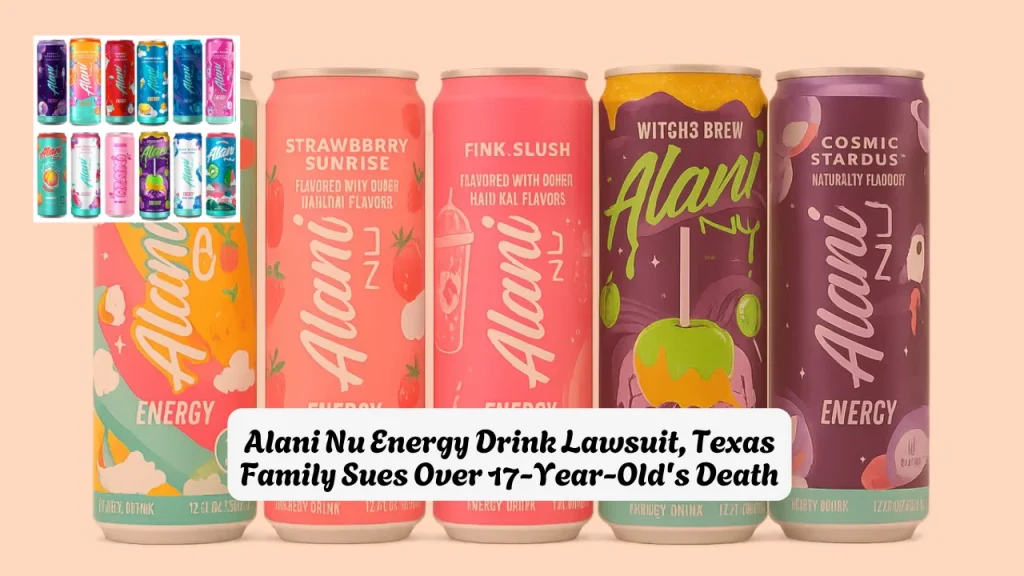
The lawsuit claims Alani knowingly targets young women through a network of influencers who promote the drinks as a “better-for-you wellness and lifestyle beverage” without adequate warnings about the dangers of high caffeine doses. The product’s bright, colorful packaging and influencer-driven marketing positioned it alongside health and fitness content — not as a high-caffeine product that carries cardiac risk.
The connection between Larissa and the brand ran deep in her community. In 2024, Larissa participated in the ribbon-cutting event for Glazer’s new distribution center in Weslaco on behalf of the local Chamber of Commerce. A homecoming invitation made by her classmates even featured an image of an Alani Nu can with the message: “Hope you have the energy to go to homecoming with me.”
Agosto said Larissa was “fooled that this drink is not a wellness drink, it’s not a get-well drink — it’s causing problems to her heart, which ultimately took her life.”
What Is Alani Nu and Who Makes It?
Alani Nu is an energy drink brand founded in Louisville, Kentucky. It built its following largely through social media and influencer marketing, targeting young women with a health-forward image. Celsius Holdings completed its acquisition of Alani Nu in February 2025 for $1.8 billion. Celsius is not named as a defendant in this lawsuit.
After the lawsuit was filed, a Celsius spokesperson issued a statement saying the company is “saddened by this loss” and that its “products comply with applicable federal labeling requirements,” adding that its “policy is not to market or sample to anyone under 18, consistent with those label warnings.”
The brand has faced regulatory scrutiny before. In August 2023, the Canadian Food Inspection Agency issued a safety warning for Alani Nu energy drinks due to non-compliant caffeine content and labeling, and advised Canadians not to drink, sell, or distribute the product. The CFIA stated the brand was “non-compliant” in its caffeine content and labeling requirements, with all caffeine-containing flavors that lacked bilingual labeling affected.
Why Is the Distributor Being Sued — Not Alani Nu?
Many people reading this story will ask the same question: if the product is Alani Nu, why is the lawsuit against Glazer’s Beer and Beverage?
The family’s attorney explained that distributors are the companies that physically place products on store shelves. Agosto said the lawsuit was filed against the beverage distributor because “they’re the ones that receive it, distribute it and put it all over the place, and they also fail to give any warnings.”
Importantly, the attorney said it is possible more defendants could be added to the lawsuit — meaning Alani Nu itself, or Celsius Holdings as its parent company, could potentially be named in a future amended complaint as the case develops.
What the Family Wants
The family is seeking more than $1 million in damages. But money is not the only goal. Agosto said at the press conference that the family’s primary hope is to prevent this from happening to another child.
“They lost their only daughter. She was two months from 18. What ultimately they want is that this doesn’t happen to a single child. If they can save one life, that’s what they want,” Agosto said.
The lawsuit does not represent a class action — it is an individual wrongful death case brought on behalf of the Rodriguez family. However, if the case gains traction, it could open the door to broader scrutiny of how energy drink companies market high-caffeine products to minors and what warnings the law requires.
Frequently Asked Questions
Is this a class action lawsuit against Alani Nu?
No. This is an individual wrongful death lawsuit filed by the family of Larissa Rodriguez against Glazer’s Beer and Beverage — the regional distributor that supplied Alani Nu to stores in South Texas. It does not involve a settlement fund or claims process open to other consumers at this time.
Can other consumers join this lawsuit?
Not at this stage. This is not a class action, so there is no process for other people to join it. If the case evolves or a separate class action is filed in the future, that would be a separate legal proceeding. No such action has been filed as of April 2026.
Is Alani Nu being sued directly?
As of the April 2026 filing, Alani Nu and its parent company Celsius Holdings are not named defendants. The family’s attorney has said additional defendants could be added as the case moves forward.
Is Alani Nu safe to drink?
Alani Nu is a legally sold product in the United States. Each can discloses 200 mg of caffeine and carries a label stating the product is not recommended for children, people sensitive to caffeine, or pregnant women. The FDA’s general guidance for healthy adults is a daily caffeine limit of 400 mg. The American Academy of Pediatrics recommends no more than 100 mg per day for adolescents. Consult a doctor if you have concerns about caffeine intake.
Did Alani Nu respond to the lawsuit?
Celsius Holdings, which owns Alani Nu, issued a statement saying it is saddened by the loss and that its products comply with federal labeling requirements. The company stated its policy is not to market or sample to anyone under 18. Glazer’s Beer and Beverage had not responded to media requests as of the filing date.
Has Alani Nu faced regulatory issues before?
Yes. In August 2023, Canada’s Food Inspection Agency issued a safety warning for Alani Nu over non-compliant caffeine content and labeling and advised Canadians not to consume, sell, or distribute the product.
What is cardiomyopathy and how does caffeine cause it?
Cardiomyopathy is a disease that makes it harder for the heart to pump blood effectively, often involving an enlarged or thickened heart muscle. High doses of caffeine can strain the heart by raising heart rate and blood pressure. Medical experts note that adolescents face heightened risk because their cardiovascular systems are still developing. The lawsuit also alleges that additional stimulants in Alani Nu — including taurine, guarana seed extract, and L-theanine — may compound these cardiac risks.
Last Updated: April 11, 2026
Disclaimer: This article is for informational purposes only and does not constitute legal advice. Legal claims and outcomes depend on specific facts and applicable law. For advice regarding a particular situation, consult a qualified attorney.
About the Author
Israr Ahmad is a legal content researcher with 4+ years of experience covering class action settlements and consumer rights cases. He has researched and published coverage of 2,500+ settlements using verified court records, settlement administrator filings, and government sources. Learn more about Israr.