
Airline Price-Fixing Putative Class Action Lawsuits 2026, Can American, Delta, United and Southwest Passengers Get Refunds?
Millions of Americans who bought domestic airline tickets since late 2022 could be affected by two new putative class action lawsuits. They accuse major U.S. airlines of using shared pricing and shopping data to keep domestic airfares artificially high.
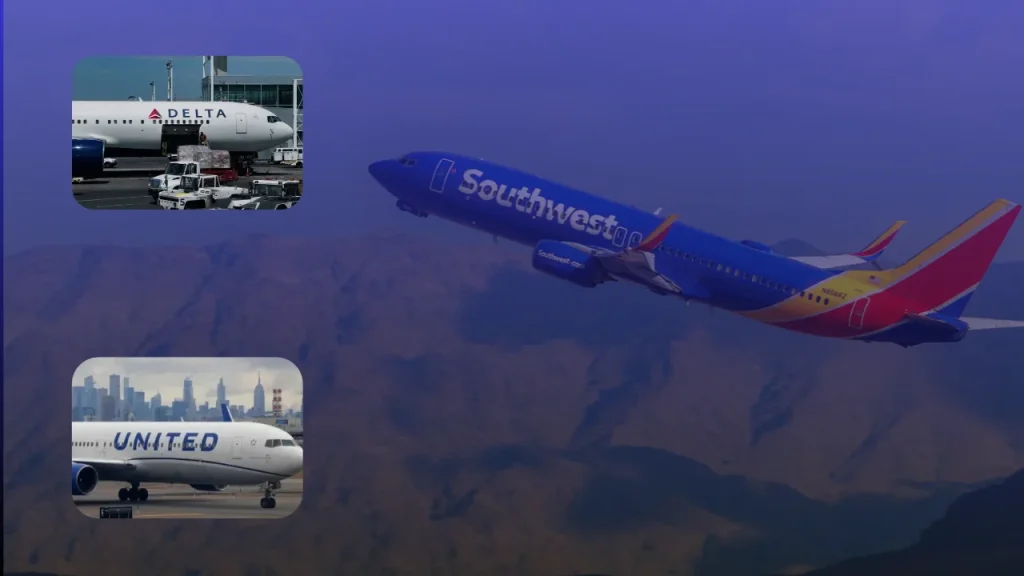
The lawsuits were filed on November 3 and November 4, 2026. They name American Airlines, Delta Air Lines, United Airlines, Southwest Airlines, Alaska Airlines, JetBlue Airways and Hawaiian Airlines-related companies. They also name Airline Tariff Publishing Company (ATPCO), an airline-owned data company, and its subsidiary 3Victors.
The plaintiffs allege the airlines exchanged non-public, competitively sensitive fare and passenger-shopping data through ATPCO and 3Victors. They say this let carriers watch rivals’ private discounts and dynamic pricing almost in real time, which reduced the incentive to compete on price. One attorney involved has publicly estimated that affected fares may have been inflated by 10–20%. One complaint also alleges that average one-way fares across 693 U.S. routes rose about 30.7% between the first quarter of 2022 and the first quarter of 2026.
That increase alone does not prove illegal price-fixing. The airlines dispute the allegations, and no court has decided that the challenged data exchange violates antitrust law. The suits seek damages for alleged overcharges, which can be tripled under federal antitrust law, and court orders to stop the alleged data practices.
There is no certified class, no approved settlement, no refund amount, no claim form and no payment deadline as of November 11, 2026. Passengers cannot currently file claims or receive refunds from these lawsuits.
Airline Price-Fixing Putative Class Actions: Quick Facts
| Detail | Latest information |
| Lawsuits | Brown v. ATPCO; Ward v. ATPCO |
| Filed | November 3–4, 2026 |
| Courts | U.S. District Court, Eastern District of Virginia (Alexandria Division); U.S. District Court, Western District of Washington (Seattle) |
| Virginia case number | 1:26-cv-03646 |
| Washington case number | 2:26-cv-04289 |
| Airlines named across the cases | American, Delta, United, Southwest, Alaska, JetBlue and Hawaiian-related entities |
| Other defendants | ATPCO and 3Victors |
| Alleged misconduct | Sharing non-public airline pricing and passenger-demand information |
| Main federal law | Sherman Antitrust Act, Section 1 (15 U.S.C. § 1) |
| Relief requested | Damages, potentially trebled, and injunctions |
| Earliest proposed class period | November 1, 2022 (Virginia) |
| Class certified? | No |
| Settlement reached? | No |
| Refund available? | No |
| Claim form | None |
| Official settlement website | None (no settlement exists) |
| Payment date | Not announced |
| Latest status | Complaint stage; defendants have not filed answers and no court has ruled on the claims |
Why Are Major U.S. Airlines Being Sued Over Fare Data?
The lawsuits allege that competing airlines shared information they would normally keep confidential. Airlines routinely change ticket prices based on demand, available seats, departure dates and competing offers. The plaintiffs argue that competition works differently when airlines can learn about rivals’ pricing decisions before those decisions show up in ordinary public market activity.
According to the complaints, the defendants used a common data infrastructure run by ATPCO and 3Victors to exchange information about flight searches, offers and passenger demand. The plaintiffs say that let airlines spot competitors’ discounts quickly and hold prices higher instead of competing independently for passengers.
What information was allegedly shared?
The disputed information includes:
- Routes and travel dates searched by passengers.
- Prices displayed in response to flight searches.
- Dynamically generated ticket offers.
- Changes in competitors’ pricing.
- Emerging passenger demand.
- Information about where rival airlines may be offering lower fares.
The complaints allege this information moved through connected technology products including Iris and PriceEye. The central claim is not that airlines merely watched publicly advertised prices. The plaintiffs challenge the alleged exchange of non-public, competitively sensitive information through a shared system.
Which Airlines Are Named in the Airline Price-Fixing Lawsuits?
The two cases have overlapping but different defendants.
| Airline | Virginia lawsuit (Brown) | Washington lawsuit (Ward) |
| American Airlines | Named | Named |
| Delta Air Lines | Named | Named |
| United Airlines | Not named | Named |
| Southwest Airlines | Named | Named |
| Alaska Airlines / Alaska Air Group | Named | Named |
| JetBlue Airways | Named | Named |
| Hawaiian Airlines-related entities | Covered through Alaska-related allegations | Hawaiian Holdings named |
| ATPCO | Named | Named |
| 3Victors | Named | Named |
United’s absence from the Virginia lawsuit does not put it outside the litigation. It is expressly named in the separate Washington case. The proposed passenger classes also differ between the two suits.
First Lawsuit: Brown v. ATPCO, Filed November 3 in Virginia
The first complaint was filed in the U.S. District Court for the Eastern District of Virginia, Alexandria Division.
Case: Brown et al. v. Airline Tariff Publishing Company d/b/a ATPCO et al. Case number: 1:26-cv-03646
The named plaintiffs are Clinton Brown, Megan Fragola, Joshua Sauberman and Rebekka Lien. They are represented by Levi & Korsinsky LLP, including Eduard Korsinsky, Elizabeth K. Tripodi and Ellen T. Noteware. The 43-page complaint names ATPCO, 3Victors and five airline defendants: American, Delta, Southwest, Alaska and JetBlue.
Why isn’t United a defendant in the Brown case?
The complaint explains that United’s contract of carriage requires passengers to give notice of a dispute and allow 60 days for a response before filing certain lawsuits. The plaintiffs dispute whether that requirement is enforceable but say they intend to give notice out of caution. United is identified as a potential co-conspirator but is not a named defendant in Brown. That is a procedural choice, not a finding that United did anything unlawful.
Contracts of carriage can also contain other terms, such as dispute-resolution or class-action provisions, that the airlines may try to enforce, and courts decide how far such terms apply.
Who is included in the proposed Virginia class?
The complaint proposes a nationwide class of people and entities in the United States who bought qualifying tickets for travel between two U.S. points from American, Delta, Southwest, Alaska or JetBlue. The proposed class period begins November 1, 2022, and continues until the alleged conduct’s effects end. It covers purchases made directly from the airlines or through agents acting for them. Alaska-related coverage includes Hawaiian Airlines beginning September 18, 2024, under the complaint’s treatment of the companies after Alaska Air Group’s acquisition.
This is a proposed class definition, not a court-approved eligibility finding. Exact definitions and periods may be refined as the case proceeds.
Second Lawsuit: Ward v. ATPCO, Filed November 4 in Washington
The second complaint was filed in the U.S. District Court for the Western District of Washington in Seattle.
Case: Ward et al. v. Airline Tariff Publishing Company et al. Case number: 2:26-cv-04289
The named plaintiffs are Ashley Ward of California and Gregory Morris of New Jersey. Reporting says Ward bought tickets from Southwest and Morris bought flights from United, and both say they paid artificially inflated fares. They are represented by Hagens Berman Sobol Shapiro LLP, including Steve W. Berman. The 99-page complaint alleges that ATPCO’s information-sharing infrastructure let competing airlines monitor prices and reduce competition in domestic air travel. It names ATPCO, 3Victors, American Airlines Group, Delta, United, Alaska Air Group, Hawaiian Holdings, Southwest and JetBlue.
Who qualifies under the proposed Washington classes?
The Washington suit proposes two purchaser classes:
| Proposed class | Potential purchasers |
| Southwest, Alaska and JetBlue Purchaser Class | People who bought one or more qualifying domestic tickets from Southwest, Alaska or JetBlue within the past four years |
| United Purchaser Class | People who bought one or more qualifying domestic tickets from United within the past four years |
The complaint alleges conduct beginning at least as early as November 4, 2022. American and Delta are defendants in this lawsuit, but the two specifically proposed Washington purchaser classes are not defined by American or Delta ticket purchases. American and Delta purchasers may instead fall within the broader proposed Virginia class if they meet its requirements.
Note: The plaintiffs’ law firm describes a broader group on its public intake page (including Hawaiian and American purchasers). That marketing page is not the complaint. Confirm the exact class definitions against the filed Ward complaint before telling readers whether they qualify. Contacting a firm does not make anyone a member of a certified class.
What Is ATPCO, and Why Is It Central to Both Lawsuits?
ATPCO stands for Airline Tariff Publishing Company. It is an airline-owned data and technology company that distributes fare information across the airline and travel industry. Airlines, travel agencies and reservation systems use ATPCO-related services to process and communicate ticket pricing. The complaints allege ATPCO’s ownership and governance structure gave competing airlines a central way to exchange commercially sensitive information. According to counsel’s published description, ATPCO’s 2023 board included representatives from 11 airlines, including American, Delta and United.
What is 3Victors?
3Victors is an aviation data analytics company that ATPCO acquired in December 2023. It makes tools that analyze passenger flight-search and airline pricing data. The lawsuits focus on several products:
- Iris: Described in the complaints as a centralized repository of flight-shopping information contributed by participating airlines.
- PriceEye: An analytics tool that allegedly lets airlines monitor competitors’ pricing, spot unusual price differences and respond to lower offers.
- DemandView: A newer product discussed in the Virginia complaint that analyzes large volumes of flight-search data to identify emerging demand.
The plaintiffs say these systems reduced the uncertainty that would normally push airlines to offer competitive discounts. Counsel’s description says American, Alaska and JetBlue were publicly identified as 3Victors customers and that a Southwest pricing manager spoke at ATPCO’s 2026 industry conference. Using pricing software or receiving market analytics is not automatically illegal. The legal question is whether the defendants entered an unlawful agreement or took part in an information exchange that unreasonably restrained competition.
Did Airline Ticket Prices Really Rise 30.7%?
The Virginia complaint includes an analysis of Bureau of Transportation Statistics data covering 693 U.S. routes. It alleges passenger-weighted average one-way fares rose as follows:
| Period | Average one-way fare |
| First quarter 2022 | $198.71 |
| First quarter 2026 | $259.66 |
| Increase | About 30.7% |
The complaint describes this as about 6.9% compounded annual growth. These figures are part of the plaintiffs’ economic allegations, and no court has found them to be damages caused by illegal coordination.
Does rising airfare prove price-fixing?
No. Airfares can rise because of fuel costs, labor, airport fees, demand, available seating and other market conditions. Similar prices among competitors are not enough to prove an agreement, and an airline can lawfully see a public price and decide to match it. To recover, the plaintiffs must show that unlawful conduct occurred and caused qualifying passengers to pay more than they would have in a competitive market. The gap between actual prices and the prices that likely would have existed without the alleged misconduct is the core of the damages question.
What Have American Airlines, Delta and ATPCO Said?
American Airlines has rejected the allegations. In a statement reported by Forbes on November 10, it said it independently develops and prices its products, competes for customers and follows antitrust laws, and it denies that its fares resulted from improper coordination. ATPCO also disputes the allegations, and a spokesperson told Travel Weekly it intends to vigorously defend itself. Delta declined to comment on the pending litigation, according to Forbes. Other airlines had not given substantive public responses in the coverage reviewed. No court has determined liability.
Is It Illegal for Airlines to Use the Same Pricing Information?
Not necessarily. Airlines can lawfully look at public fares, use revenue-management software and set prices independently based on market conditions. The lawsuits target a narrower question: whether competitors unlawfully exchanged non-public, current or forward-looking information in a way that reduced price competition.
Sherman Antitrust Act, Section 1
15 U.S.C. § 1 prohibits contracts, combinations and conspiracies that unreasonably restrain interstate trade. Some agreements among competitors, such as direct price fixing, are treated as especially serious (“per se”) violations. Information-sharing arrangements are usually judged under the “rule of reason,” which weighs competitive effects. Courts have treated exchanges of current or future price information among competitors as potentially unlawful in some circumstances (see United States v. Container Corp. of America, 393 U.S. 333 (1969)), and exchanges of historical or aggregated data differently (see United States v. United States Gypsum Co., 438 U.S. 422 (1978)).
What is a hub-and-spoke conspiracy?
In this theory, a central organization acts as a hub that connects businesses that would otherwise compete. The plaintiffs allege ATPCO and 3Victors served as the hub and the participating airlines as the spokes. They say the data-sharing system created a common understanding that let airlines coordinate pricing. Courts have recognized hub-and-spoke conspiracies when a “rim” connecting the spokes is shown (see Interstate Circuit, Inc. v. United States, 306 U.S. 208 (1939); United States v. Apple, Inc., 791 F.3d 290 (2d Cir. 2015)). Whether the evidence proves a legally sufficient agreement is unresolved.
What is the Clayton Act?
Under 15 U.S.C. § 15 (Clayton Act § 4), qualifying private antitrust plaintiffs can recover three times proven damages plus certain costs and attorney’s fees. The complaints also seek injunctive relief under 15 U.S.C. § 26. Treble damages are a legal remedy, not an automatic triple refund for every ticket.
Why do the class periods look back about four years?
Federal antitrust damages claims generally must be filed within four years (15 U.S.C. § 15b), which helps explain the “past four years” language. Plaintiffs may argue the limit was tolled or extended, for example because of alleged concealment.
What will the airlines likely argue?
Based on how similar antitrust cases are litigated, defendants commonly move to dismiss, arguing the complaint does not plausibly allege an agreement (Bell Atlantic Corp. v. Twombly, 550 U.S. 544 (2007)). They may say that parallel pricing and independent use of data tools is lawful and that any information shared was available to the market. Defendants may also argue that federal law governing airline pricing preempts some state-law claims (the Airline Deregulation Act, 49 U.S.C. § 41713(b); see American Airlines, Inc. v. Wolens, 513 U.S. 219 (1995)), although the federal antitrust claims are not affected by that argument. Which defenses any airline raises has not been reported.
Can people who bought through travel agents or online travel sites recover?
Federal antitrust damages claims are generally limited to direct purchasers (Illinois Brick Co. v. Illinois, 431 U.S. 720 (1977)). The Virginia complaint specifically includes purchases through agents acting for the airlines. Whether a given online-travel-site or agency purchase qualifies depends on the transaction and the final class definition, and some states allow indirect purchasers to sue under their own laws. Eligibility is not settled.
Have Airlines Been Accused of Using ATPCO to Fix Prices Before?
Yes. The Department of Justice filed a separate antitrust lawsuit on December 21, 1992, against ATPCO and eight airlines. The government alleged that carriers used ATPCO’s fare-distribution system to communicate about proposed price changes and coordinate increases. The case ended with consent decrees limiting certain communications, and those decrees later expired (around 2003–2004). The new plaintiffs point to that history, but the 1992 case did not establish that the airlines committed the violations described in the November 2026 complaints, which concern newer pricing and shopping-data technology.
Is This the Same as the Older Airline Price-Fixing Case?
No. A separate case, In re Domestic Airline Travel Antitrust Litigation (MDL No. 2656, D.D.C.), alleged that American, Delta, Southwest and United coordinated seat capacity to keep ticket prices high. Southwest agreed to a $15 million settlement and American to a $45 million settlement in that case. Reporting indicates the case has continued against Delta and United. It concerns a different alleged conspiracy and a different purchase period.
The November 2026 Brown and Ward cases concern alleged information-sharing through ATPCO and 3Victors. Any earlier airline settlement or claim process does not create a payout program for these new lawsuits.
Can American, Delta, United or Southwest Passengers Get Refunds?
Potentially, but only if the lawsuits eventually produce recoverable damages or an approved settlement. The plaintiffs seek compensation for alleged ticket overpayments, and a successful case could produce a recovery for qualifying purchasers. The courts have not decided whether the alleged misconduct occurred or caused compensable harm.
Is there an airline price-fixing claim form?
No. There is no court-approved settlement administrator, claim form, settlement website or compensation deadline for either November 2026 lawsuit. Anyone soliciting fees to “join” these lawsuits or promising immediate refunds is likely running a scam.
How much could passengers receive?
No reliable payout estimate exists. A recovery could depend on ticket purchases, the proven size of any overcharge, class definitions, legal fees and the terms of any settlement or judgment. Flying more often does not automatically mean a larger payment, because the legal basis for an overcharge must come first.
How Can Passengers Join the Airline Price-Fixing Lawsuits?
For now, passengers generally do not need to do anything to preserve potential membership in a future certified class. The suits are putative class actions under Federal Rule of Civil Procedure 23. A federal judge must decide whether class treatment is proper, including whether there are common questions, typical claims, adequate representation and, for a damages class, whether common questions predominate and a class action is superior (Rule 23(b)(3)). If a class is certified, class members would get court-ordered notice (Rule 23(c)(2)) and a chance to opt out. If any settlement is reached, it would require court approval under Rule 23(e), and only then would an official settlement website and claim process exist.
Do you need to hire a lawyer?
Not just to be considered for membership in a future certified class. Law firms in the cases have published pages inviting passengers to share their experience. Those are attorney intake pages, not court-approved claim forms. Contacting a firm does not guarantee compensation or make anyone a member of a certified class.
What records should passengers keep?
- Airline booking confirmations.
- E-ticket receipts.
- Travel itineraries and ticket numbers.
- Credit card statements showing airfare purchases.
- Corporate travel invoices.
- Frequent-flyer account purchase histories.
Passengers who bought domestic tickets from the named airlines beginning in late 2022 may want to keep these records while the cases proceed. There is no requirement to upload payment information to an unofficial claims website.
What About International Flights?
The proposed classes focus on U.S. domestic air travel. International purchases are not automatically included just because a defendant airline flew the route. The Virginia complaint concerns travel between two points in the United States, and the Washington complaint likewise focuses on tickets for domestic passenger air transportation. Travelers with international itineraries should not assume eligibility without checking the class definition.
What If You Bought Tickets Through Expedia or a Travel Agent?
The Virginia complaint includes certain purchases made through agents acting for the defendant airlines. Whether a purchase on an online travel platform or through an agency qualifies may depend on that company’s relationship with the airline and on the final court-approved class definition. Such purchases are not automatically included or excluded at this stage.
How Do These Lawsuits Compare With Other Ticket-Pricing Cases?
The new airline suits concern alleged restraints on competition, not an undisclosed checkout fee. For comparison, Ninth Circuit Reinstates NFL Sunday Ticket Liability Verdict, Orders New Damages Trial involves antitrust allegations about distributing and pricing professional football broadcasts.
Another consumer case, Boston Red Sox Class Action, Fans Sue Over Hidden Fees That Allegedly Doubled the Price of Fenway Tickets, concerns allegedly misleading ticket prices and added fees.
The federal REPS & Company Ticket Resale Lawsuit, What the DOJ and FTC Allege, the BOTS Act and What Happens Next addresses separate allegations about bulk ticket buying and resale. These matters involve different defendants and legal claims, and none creates eligibility for compensation in the airline lawsuits.
Airline Price-Fixing Lawsuit Timeline
| Date | Development |
| December 21, 1992 | DOJ files earlier antitrust action against ATPCO and eight airlines |
| 2003–2004 | Earlier consent decrees expire |
| November 1, 2022 | Beginning of the proposed Virginia class period |
| July 2023 | ATPCO announces a shared airline shopping-data initiative |
| December 2023 | ATPCO acquires 3Victors |
| October 5, 2026 | DemandView launches, according to the Virginia complaint |
| November 3, 2026 | Brown lawsuit filed in Virginia |
| November 4, 2026 | Ward lawsuit filed in Washington |
| November 5, 2026 | Washington allegations receive national legal-news coverage |
| November 9–10, 2026 | Additional aviation and mainstream reporting; American and ATPCO respond |
| November 11, 2026 | Neither class certified; no settlement or claim form |
Frequently Asked Questions About the Airline Price-Fixing Lawsuits
Are American Airlines and Delta being sued for price-fixing?
Yes. Both are named in the two November 2026 federal lawsuits alleging unlawful airline pricing-data exchanges. The allegations are unproven.
Is United Airlines part of the lawsuit?
United is a defendant in the Washington case, Ward v. ATPCO. It is not a named defendant in the Virginia case.
Is Southwest Airlines included?
Yes. Southwest is named in both complaints and is included in a proposed purchaser class.
Are Alaska and JetBlue included?
Yes. Both carriers are named in the two lawsuits.
Is Hawaiian Airlines included?
Hawaiian-related entities are named in the Washington case. The Virginia complaint treats Hawaiian purchases through Alaska-related allegations beginning September 18, 2024. Eligibility depends on the class definition.
Who may qualify?
People who bought qualifying domestic tickets from specified airlines during the proposed class periods could potentially be affected. No class has been certified.
Do I qualify if I flew in 2023?
Potentially, depending on the airline, the ticket purchase and the proposed class definition. Flying in 2023 does not by itself establish eligibility.
Do I qualify if I flew in 2020?
The proposed periods in these lawsuits begin in late 2022, so a 2020-only purchase falls outside the periods currently proposed.
Are airlines required to refund tickets now?
No. No court has ordered refunds in these lawsuits.
Is there an airline price-fixing settlement?
Not for the November 2026 Brown and Ward cases. Older airline antitrust settlements involve different litigation.
How much money will passengers receive?
No compensation amount has been approved or reliably calculated.
Do passengers need to file a claim?
No claim form exists. If the litigation reaches that stage, a court-approved notice will explain any steps.
Is dynamic airline pricing illegal?
Not by itself. Airlines may adjust prices based on legitimate market conditions. The lawsuits challenge alleged anticompetitive information-sharing.
Have airlines admitted wrongdoing?
No. American Airlines disputes the allegations and ATPCO says it will defend itself.
Could the two cases be combined?
Possibly. No order consolidating them has been verified. Related federal cases can be transferred or coordinated, for example under 28 U.S.C. § 1404(a) or by the Judicial Panel on Multidistrict Litigation under 28 U.S.C. § 1407, but none has been reported here.
When will the lawsuits go to trial?
No trial date or settlement distribution schedule has been set.
What Happens Next in the Airline Price-Fixing Lawsuits?
The cases are at an early stage. The defendants must respond to the complaints, and courts may consider motions challenging whether the allegations are legally sufficient. If the cases continue, discovery could cover contracts, internal communications, pricing data, ATPCO participation arrangements and records showing how airline revenue-management teams used the challenged systems. The plaintiffs may later seek class certification. Because similar allegations are pending in two districts, questions about coordinating the cases could arise, but no consolidation order has been verified.
The most important future developments are the defendants’ substantive responses, rulings on any motions to dismiss and decisions on class certification. Outcomes could take months or years. If a settlement is reached or judgment is entered for passengers, a claims process would be set up and publicly announced then.
The Bottom Line
Two new putative class actions accuse major U.S. airlines of exchanging non-public pricing and passenger-demand information through ATPCO and 3Victors. The plaintiffs argue the shared technology let airlines monitor each other’s offers and keep fares higher than normal competition would. American Airlines and ATPCO dispute the allegations.
The cases could affect many people who bought domestic tickets beginning in late 2022, but the two lawsuits have different proposed class definitions. Passengers are not currently entitled to an approved refund. There is no settlement fund, no claim form and no payment date. Travelers can keep their booking records and follow the cases, but any compensation depends on future court proceedings or a settlement that has not happened.
Primary Court Documents and Sources
- Original Complaint — Brown v. ATPCO (PDF). November 3, 2026; 43-page federal complaint, Eastern District of Virginia, No. 1:26-cv-03646.
- Original Complaint — Ward v. ATPCO (PDF). November 4, 2026; 99-page federal complaint, Western District of Washington, No. 2:26-cv-04289.
- Courthouse News Service — Airlines Accused of Sharing Pricing Data to Inflate Fares. Reporting on the Ward complaint, plaintiffs and defendants.
- Federal Court Docket — Ward v. ATPCO. Filing details and defendants.
- Levi & Korsinsky — Brown Airline Price-Fixing Lawsuit. Counsel’s case overview and proposed class.
- Hagens Berman — Airline Pricing Information-Exchange Litigation. Counsel’s case overview for the Washington action.
- View From the Wing — U.S. Airlines Face New Collusion Lawsuits. Independent analysis of the claims and the parallel-pricing issue.
- U.S. Department of Justice — 1992 ATPCO Price-Fixing Lawsuit. Earlier government enforcement history.
- Forbes — Two New Airline Price-Coordination Class Actions. November 10, 2026 reporting and American Airlines’ response.
- Travel Weekly — Lawsuit Claims U.S. Airlines Are Violating Antitrust Laws. November 9 reporting and ATPCO’s response.
- Sherman Act, Section 1 — 15 U.S.C. § 1.
- Clayton Act, Section 4 — 15 U.S.C. § 15.
Verification note: Case numbers, courts, filing dates, defendants and named plaintiffs were cross-checked against counsel pages, the Justia docket and Courthouse News reporting. The complete complaints were not independently reviewed here, so the proposed class definitions should be confirmed against the filed documents. As of November 11, 2026, no class certification order, settlement, liability judgment or court-approved refund program was identified. The airfare increase and the 10–20% overcharge estimate are plaintiffs’ allegations or counsel’s statements, not judicial findings.
Disclaimer: AllAboutLawyer.com is an independent legal-information website, not a law firm. This article is general legal news and information, not legal advice. The lawsuits’ allegations are unproven, and no defendant has been found liable in these cases.
Researched and written by Israr Ahmad, legal content researcher and founder of AllAboutLawyer.com. All facts verified against the Justia docket, plaintiffs’ counsel pages, Courthouse News, Forbes, Travel Weekly and View From the Wing reporting, and the statutes cited, as of November 11, 2026. Last Updated: November 11, 2026.
About the Author
Israr Ahmad is a legal content researcher with 4+ years of experience covering class action settlements and consumer rights cases. He has researched and published coverage of 2,500+ settlements using verified court records, settlement administrator filings, and government sources. Learn more about Israr.