
Trader Joe’s Wage and Hour Settlement, Check If You Qualify, Trader Joe’s Wage and Hour Cases, No. JCCP 5196
There’s $12.47 million set aside for Trader Joe’s workers in California — and unlike most settlements, you don’t have to file anything to get your share. Trader Joe’s agreed to pay $12,470,000 to resolve claims that it shorted Crew, Merchants, and Mates on overtime, sick pay, meal breaks, and more between 2016 and 2024. Here’s exactly who qualifies and how the money gets split.
Trader Joe’s Wage and Hour Settlement — Key Facts
| Settlement Amount | $12,470,000 (Gross Settlement Amount, all-inclusive) |
| Claim Deadline | None — payment is automatic. Deadline to dispute your workweeks or opt out: October 2, 2026 |
| Who Qualifies | Non-exempt Crew, Merchants, or Mates employed by Trader Joe’s in California between December 4, 2016 and March 31, 2024 |
| Estimated Payout | Calculated per person based on workweeks worked; no flat per-person figure has been published |
| Proof Required (Yes/No) | No — payment is based on Trader Joe’s own employment records |
| Settlement Status | Preliminarily approved March 12, 2026; final approval hearing set for April 22, 2027 |
| Court & Case Number | Superior Court of California, County of San Mateo, No. JCCP 5196 |
| Law Alleged | California Labor Code §§ 201-204, 226, 226.7, 233, 246, 248.5, 510, 512, 516, 1174(d), 1182.12, 1194, 1197, 1197.1, 1198, 2802; California Business and Professions Code § 17200; California Labor Code § 2698 (PAGA) |
| Administrator | Apex Class Action, LLC |
| Official Claim Site | apexclassaction.com/traderjoes/ |
| Last Updated | September 7, 2026 |
Who Is Trader Joe’s and Why Are They Being Sued Over Wages?
Trader Joe’s runs its stores with a lean, cross-trained staff of Crew Members, Merchants, and Mates who ring up groceries, stock shelves, and run the register interchangeably during a shift. That flexible staffing model is exactly where wage calculations get complicated — when someone’s pay includes bonuses like “Thank You” pay on top of an hourly rate, every overtime calculation has to account for it correctly, or workers get shorted without anyone necessarily intending it. The lawsuit claims Trader Joe’s math didn’t always add up.
What Did Trader Joe’s Do to Crew, Merchants, and Mates Between 2016 and 2024?
The case actually began as three separate lawsuits — Bartlett I, Bartlett II, and a related case called Silicani — filed starting in December 2020, before a San Mateo judge coordinated them into one proceeding in November 2021. Plaintiffs Gregory Bartlett, Cassandra Vaglienty, Carla Cobian, Randy Meirose, Antonio Arzate, and Shannon Lash alleged Trader Joe’s rounded time punches in a way that shorted workers between December 2016 and May 2021, and separately failed to fold “Thank You” pay — a bonus paid on top of hourly wages — into the regular rate used to calculate overtime and other premium pay between March 2020 and May 2021.
Beyond those two core claims, the lawsuits alleged Trader Joe’s failed to pay minimum wages, failed to pay accrued sick pay, didn’t provide legally compliant meal and rest breaks, issued wage statements that didn’t meet California’s itemization requirements, and didn’t reimburse employees for necessary business expenses. Trader Joe’s disputes every bit of it. The company maintains it properly paid all legally required compensation — “Thank You” pay included — and that its policies complied with California law throughout. It settled anyway, saying in court filings it preferred spending money on compensating workers over years of continued litigation expense.
Our earlier roundup of Trader Joe’s ongoing legal disputes covers the union trademark fight and 401(k) litigation the company is separately navigating, if you want the fuller picture of what’s currently on Trader Joe’s docket.
Related article: Judge Slams County’s “Obvious Conflict of Interest” in Suit Seeking Use-of-Force Records
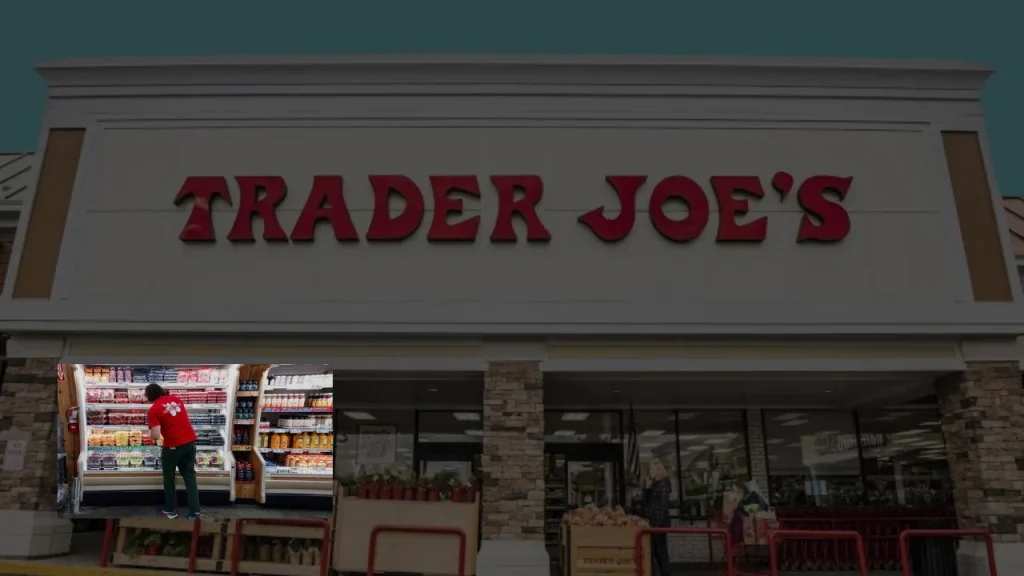
Are You Part of the Trader Joe’s Wage and Hour Settlement?
Here’s exactly how to know if this case includes you.
You’re covered if you:
- Worked for Trader Joe’s in California as a non-exempt Crew Member, Merchant, or Mate
- Held that position anytime between December 4, 2016 and March 31, 2024
- Are still receiving mail at the address Trader Joe’s has on file (or update it with the administrator if not)
Former employees separated from the company aren’t excluded — anyone who held a qualifying position during the class period counts, whether or not they still work there. If you also worked in a qualifying position between December 4, 2019 and September 5, 2025, you’re separately entitled to a share of the settlement’s PAGA payments, on top of your class payment.
You’re likely not covered if you worked for Trader Joe’s outside California, or if your role was classified as exempt (salaried management) rather than non-exempt hourly.
Trader Joe’s Employees Outside California — Are You Still Covered?
No. This settlement is specific to California, built around California Labor Code violations. If you worked for Trader Joe’s as an hourly employee in another state, this particular case doesn’t apply to you, though wage-and-hour rules in your own state may give you separate rights worth checking on.
Not sure if you qualify for the Trader Joe’s wage settlement? A free consultation with an employment law attorney can help you sort out your specific situation before the October 2 deadline to dispute your records.
How Much Can Trader Joe’s Wage and Hour Settlement Class Members Get?
There’s no flat “up to $X” figure here, because the formula is proportional rather than tiered. Trader Joe’s provided the settlement administrator with records of how many workweeks each person worked during the class period. Mates get a 2x multiplier applied to their workweeks specifically for this settlement’s calculation, reflecting their typically broader role. Everyone’s workweek count — Mates’ doubled count included — gets divided by the total workweeks worked by the entire class, giving each person a proportional share, which is then multiplied against the Net Settlement Amount (the $12.47 million minus attorney fees, administration costs, and other court-approved deductions) to land on an individual payment.
More filers doesn’t shrink individual shares here the way it does in some settlements, since there’s no claims process to file — the entire class gets paid automatically based on records Trader Joe’s already has.
Tax treatment is split: one-fifth of each person’s Class Fund share is treated as wages, subject to normal payroll withholding and reported on a W-2. The remaining four-fifths is treated as interest and penalties, reported on a 1099 with no withholding. PAGA payments are entirely penalty money, reported on a 1099, with no wage withholding at all. Payments over $600 may appear on a 1099 — check with a tax professional about how that affects your filing.
How to Get Your Trader Joe’s Settlement Payment
This is the rare settlement where there’s genuinely nothing to file:
- Do nothing — if you don’t opt out, you’re automatically included and will be mailed a check
- If you moved since working at Trader Joe’s, notify the settlement administrator of your current address so your check doesn’t go missing
- If your settlement notice understates your workweeks, gather pay stubs or other proof and submit a written dispute by October 2, 2026
- Watch your mail for the notice packet, which will show your Trader Joe’s records-based estimate
- After final approval, expect a check combining your Class payment and any PAGA payments in one mailing
- Cash the check within 180 days of the date printed on it, or the funds go to California’s Unclaimed Property Fund in your name
Takes about 5 minutes if you’re just confirming your address — no forms, no proof required for the base payment.
⚠️ Only if you believe your workweek count is wrong: October 2, 2026 is your deadline to dispute it or opt out — file now if that applies to you.
Should Trader Joe’s Class Members Opt Out or Object Before October 2, 2026?
What Opting Out of the Trader Joe’s Settlement Actually Means
Opting out means you get no payment from the Class Fund and keep your right to sue Trader Joe’s individually over these same wage claims. Most people shouldn’t opt out without talking to a lawyer first, since giving up a guaranteed automatic payment for the uncertainty of individual litigation is a real trade-off. The opt-out deadline is October 2, 2026, and it must be submitted in writing to the settlement administrator.
How to Object to the Trader Joe’s Settlement
Objecting keeps you in the class and your payment intact, while formally telling the court you think some part of the deal is unfair. Objections must be submitted in writing to Apex Class Action LLC by the same October 2, 2026 deadline, or made orally at the Final Approval Hearing on April 22, 2027, at the San Mateo County Superior Court, 1050 Mission Road, South San Francisco, CA 94080. You can’t do both — filing an opt-out voids any objection you also submit.
Talk to a class action lawsuit attorney before October 2, 2026 if you’re considering either option.
Trader Joe’s Wage and Hour Settlement — Key Dates, 2026
| Milestone | Date |
| Preliminary Approval Granted | March 12, 2026 |
| Class Notice Packets Mailed | 2026 (following data transfer from Trader Joe’s) |
| Deadline to Dispute Workweeks / Opt Out / Object | October 2, 2026 |
| Final Approval Hearing | April 22, 2027, 3:00 p.m., Dept. 2 |
| Expected Payment Date | Following final approval and resolution of any appeals — no fixed date set |
Trader Joe’s Wage and Hour — Frequently Asked Questions, No. JCCP 5196
Do I need a lawyer to file a Trader Joe’s wage and hour settlement claim?
No. There’s no claim form to file at all — payment is automatic based on Trader Joe’s own records, so most class members don’t need an attorney unless they’re disputing their workweek count or considering opting out.
Is the Trader Joe’s wage and hour settlement legitimate?
Yes. It’s a court-supervised settlement in the Superior Court of California, County of San Mateo, administered by Apex Class Action LLC and subject to judicial approval at every stage, including a final fairness hearing.
When will Trader Joe’s settlement payments be sent?
Not until after the Final Approval Hearing on April 22, 2027, and only once any appeals of that approval are resolved. No specific mailing date has been set yet.
What if I missed the Trader Joe’s claim deadline?
There isn’t one to miss for the payment itself — it’s automatic. The only deadline that matters is October 2, 2026, and only if you want to dispute your workweek count, opt out, or object.
Will my Trader Joe’s settlement payment go on a 1099?
Partly. One-fifth of your Class Fund payment is treated as wages on a W-2; the rest, plus any PAGA payment, is reported on a 1099 as non-wage income.
What’s the difference between the Class payment and the PAGA payment?
The Class payment compensates you directly for the alleged wage violations during your employment. PAGA payments are penalties sought on behalf of the State of California and all affected employees — you get a share automatically if you worked a qualifying position during the PAGA periods, and you cannot opt out of that portion even if you opt out of the Class.
Can Mates expect a bigger check than Crew Members with the same tenure?
Often yes, since the settlement applies a 2x multiplier to Mates’ workweeks specifically for calculating their proportional share, reflecting the broader scope of that role.
Sources Used in This Trader Joe’s Article
- Official Settlement Website — Apex Class Action LLC, “Gregory Bartlett, et al. v. Trader Joe’s Company”: https://apexclassaction.com/traderjoes/
- Court Filing — Class Action and PAGA Settlement Agreement, Trader Joe’s Wage and Hour Cases, Case No. JCCP 5196, Superior Court of California, County of San Mateo: https://apexclassaction.com/wp-content/uploads/2026/06/Trader-Joes-Company-Class-Action-and-PAGA-Settlement-Agreement.pdf
Researched and written by Israr Ahmad, legal content researcher and founder of AllAboutLawyer.com. All facts verified directly against the executed Class Action and PAGA Settlement Agreement and the official settlement administrator website on September 7, 2026. Last Updated: September 7, 2026.
Disclaimer: This article is for informational purposes only and does not constitute legal advice. Laws vary by state and individual circumstances differ. For advice about your specific situation, consult a qualified attorney.
About the Author
Israr Ahmad is a legal content researcher with 4+ years of experience covering class action settlements and consumer rights cases. He has researched and published coverage of 2,500+ settlements using verified court records, settlement administrator filings, and government sources. Learn more about Israr.