
State Department Green Card Lawsuits, Every Active Case Explained (September 2026)
If you searched “State Department green card lawsuit,” you likely have one of four very different situations in mind — and which one applies to you depends on your country of origin, where your case sits in the process, and whether you’re applying from abroad or already in the U.S. Here’s a plain-English breakdown of all four, what’s actually been decided, and what’s still up in the air as of today.
Quick Reference — Active Green Card & Visa Lawsuits, September 2026
| Case | Who It Affects | Status |
| CLINIC v. Rubio | Immigrant visa applicants abroad from 75 designated countries | Policy vacated Aug. 21, 2026; compliance dispute ongoing |
| De Moura Gomes v. Rubio | An individual EB-5 investor’s family (Brazil) | Decided July 31, 2026; ordered individualized review |
| Doe v. Trump / Dorcas v. USCIS | Green card, naturalization, EAD, and asylum applicants inside the U.S. from 39 countries | Adjudicative holds vacated for named plaintiffs and by broader ruling; some relief already granted |
| Ivanov v. Trump / Medani v. Trump | DV-2026 diversity visa lottery selectees | Subclasses certified; processing ordered resumed before Sept. 30, 2026 deadline |
The 75-Country Immigrant Visa Ban — CLINIC v. Rubio
CLINIC v. Rubio — Key Facts
| Detail | Information |
| Case Name & Number | Catholic Legal Immigration Network, Inc. (CLINIC) v. Rubio, No. 1:26-cv-00858-JAV |
| Court | U.S. District Court for the Southern District of New York |
| Filed | February 2, 2026 |
| Who Sued | CLINIC, African Communities Together, U.S. citizens sponsoring family members, and individual visa applicants |
| Policy Challenged | State Department suspension of immigrant visa issuance to nationals of 75 designated countries, effective January 21, 2026, over stated “public charge” concerns |
| Law Alleged | Administrative Procedure Act; Immigration and Nationality Act’s bar on nationality-based discrimination in visa issuance; Fifth Amendment due process |
| Current Status | Policy vacated by the court on partial summary judgment; plaintiffs’ emergency motion to enforce compliance is pending |
| Last Updated | September 4, 2026 |
On January 14, 2026, the State Department announced it would pause immigrant visa issuance — meaning green cards processed at U.S. consulates abroad — for applicants from 75 countries, citing concerns those applicants were more likely to depend on U.S. public benefits. CLINIC and co-plaintiffs sued, arguing the policy amounted to a blanket, nationality-based ban that skipped the individualized review the law requires.
On August 21, 2026, Judge Jeannette A. Vargas ruled for the plaintiffs, finding the policy exceeded Secretary of State Marco Rubio’s statutory authority and violated the INA’s ban on nationality discrimination in visa issuance. The court vacated the policy entirely and set aside any visa denial based solely on it.
Related article: Kind Patches Dopamine Lawsuit, Were You Affected? Maggi v. Kind Patches Limited, No. 1:26-cv-01466
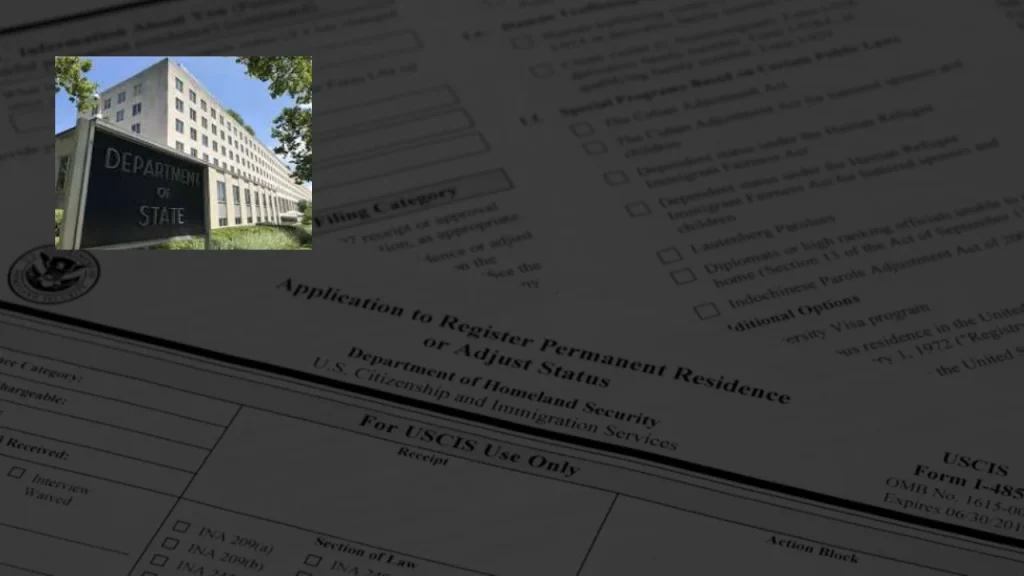
That should have meant consulates resumed normal, case-by-case processing immediately. Instead, days after the ruling, the State Department announced a worldwide pause on immigrant visa interviews, describing it as a training initiative unrelated to the ruling. Plaintiffs filed an emergency motion on August 26, 2026, arguing this new pause is the vacated ban “under another name.” That motion is still pending, and the department has not said when normal interviews will resume.
If your visa was denied solely because of the 75-country ban, that denial has been set aside — but if a consular officer found you ineligible on other or additional grounds, this ruling does not automatically reverse that. To understand how a federal case like this differs from the class action settlements this site typically covers, our guide to how class action lawsuits work explains the mechanics, though it’s worth noting CLINIC v. Rubio is not itself structured as a class action.
One Family’s Case Set an Early Precedent — De Moura Gomes v. Rubio
Before the broader CLINIC ruling, a single case out of Washington, D.C. showed which way the wind was blowing. A Brazilian entrepreneur who invested $500,000 in an Arizona hotel project in 2018 through the EB-5 immigrant investor program had his green card petition approved and his consular interview scheduled — then got caught in the 75-country pause. He had also been diagnosed with advanced, incurable cancer in the years since his qualifying investment.
On July 31, 2026, the U.S. District Court for the District of Columbia ruled the blanket refusal policy was inconsistent with the INA and ordered individualized review of his case specifically. It was a narrower ruling — covering his family, not a class — but it previewed the reasoning the Southern District of New York would later apply on a much larger scale in CLINIC v. Rubio.
The 39-Country USCIS Benefits Freeze — Doe v. Trump and Related Cases
This is a separate freeze from the one above. Where CLINIC v. Rubio deals with people applying for green cards from outside the U.S., this thread covers green card holders and applicants already inside the country — including people applying to become citizens.
39-Country USCIS Freeze — Key Facts
| Detail | Information |
| Policy Challenged | USCIS Policy Memoranda 602-0192 (Dec. 2, 2025) and 602-0194 (Jan. 1, 2026), placing pending green card, naturalization, work permit, and asylum applications from 39 “high-risk” countries into indefinite holds |
| Key Case | Dorcas International Institute of Rhode Island v. U.S. Citizenship and Immigration Services, U.S. District Court for the District of Rhode Island |
| Related Case | Doe v. Trump, U.S. District Court for the District of Massachusetts (Judge Julia E. Kobick) |
| Also Related | A separate suit filed by Project Citizenship and the Harvard Immigration and Refugee Clinical Program on behalf of 14 green card holders whose naturalization ceremonies were paused |
| Ruling | Dorcas: policy memos vacated, June 5, 2026. Doe: adjudicative hold lifted for 266 named plaintiffs |
| Current Status | Government retains the right to appeal; relief has already reached some individual plaintiffs |
| Last Updated | September 4, 2026 |
USCIS’s December 2025 and January 2026 memos froze processing of green card applications (Form I-485), work permits (I-765), naturalization applications (N-400), asylum claims (I-589), and family petitions (I-130) for applicants from 39 designated countries — regardless of how long someone had lived in the U.S. or how close they were to finishing the process.
Multiple lawsuits followed. In Boston, Project Citizenship — a nonprofit representing 14 green card holders from Haiti, Venezuela, and Côte d’Ivoire, several of whom had already been pulled out of naturalization ceremonies at Faneuil Hall — sued to force USCIS to act on their applications. In a related case, Doe v. Trump, a Massachusetts federal judge ordered USCIS to lift its hold for 266 named plaintiffs. And on June 5, 2026, a Rhode Island federal judge issued a 135-page ruling in Dorcas v. USCIS vacating the underlying policy memos altogether — the broadest ruling in this thread so far.
By August 2026, twelve green card holders connected to the Massachusetts case had completed their naturalization and become U.S. citizens. That doesn’t mean the freeze is fully resolved nationwide; it means relief has reached specific plaintiffs and classes while litigation over the broader policy continues.
If you’re a green card holder trying to understand your standing more generally while these cases play out, our overview of legal immigrant status and enforcement in 2025 covers related due-process protections that apply regardless of this litigation.
The DV-2026 Diversity Visa Lottery Deadline Lawsuits
This last thread is on the clock in a way the others aren’t. Diversity Visa lottery selectees for fiscal year 2026 lose their eligibility entirely if their visa isn’t issued by September 30, 2026 — a hard statutory cutoff that no court can extend once it passes, based on prior D.C. Circuit rulings in earlier DV litigation.
DV-2026 Lottery Lawsuits — Key Facts
| Detail | Information |
| Case Name & Number | Ivanov v. Trump, No. 1:26-cv-00915 |
| Court | U.S. District Court for the District of Columbia |
| Related Case | Medani v. Trump, U.S. District Court for the Northern District of California (Judge Davila) |
| Who Sued | Approximately 1,622 DV-2026 selectees from 72 countries in Ivanov; additional certified subclasses in Medani |
| Policy Challenged | Suspension of Diversity Visa processing tied to the 75-country freeze and a separate DHS-ordered pause following a security incident |
| Ruling | Medani: three nationwide subclasses certified; court found plaintiffs likely to succeed on APA claims; ordered resumed processing before the deadline |
| Hard Deadline | September 30, 2026 — after which unprocessed FY2026 diversity visas are permanently lost |
| Last Updated | September 4, 2026 |
Two related lawsuits are pushing to get DV-2026 selectees processed before the deadline. Ivanov v. Trump, filed in Washington, D.C. in March 2026 on behalf of more than 1,600 selectees from 72 countries, seeks to force the government to resume adjudications. A separate case, Medani v. Trump, in the Northern District of California, resulted in the court certifying three nationwide subclasses and ordering the government to take reasonable steps to process affected selectees’ cases before the fiscal year closes. The court also ordered the parties to file a joint status report by September 18, 2026, on how that processing is going.
If you were selected for DV-2026 and your case has stalled, a word of caution: several private law firms are running paid “group lawsuit” sign-up campaigns online, charging selectees a fee to be added as a plaintiff. That’s a legitimate legal service model, not a scam by definition, but it’s a paid legal service — not a class you’re automatically part of. Read any such arrangement’s terms carefully and understand the September 30 deadline applies regardless of which case you’re part of.
What Should You Do Right Now?
- Identify which of the four situations above actually applies to you — country of origin and whether you’re applying from abroad or already in the U.S. determines which case is relevant
- If you’re a DV-2026 selectee, treat September 30, 2026 as an absolute deadline — there is no court that can extend it once the fiscal year closes
- Save any written communication from a consulate or USCIS referencing a “pause,” “hold,” or “training” delay — that documentation matters if your case needs individualized review later
- Don’t pay anyone who claims they can “guarantee” faster processing outside the official court or agency process
- If your visa or application was denied and you believe it was based solely on one of these now-vacated policies, talk to an immigration attorney about whether that denial can be reopened
- Monitor official case trackers from the organizations litigating these cases (CLINIC, the National Immigration Law Center, and Project Citizenship all publish public updates) rather than relying on unofficial social media claims
Not sure which of these situations applies to your case, or whether a denial you’ve already received can be challenged? A free consultation with an immigration attorney can help you sort that out — these are fast-moving cases, and what applied to your situation in February 2026 may not reflect where things stand today.
Frequently Asked Questions
Is the 75-country green card ban still in effect?
The underlying policy was vacated by a federal court on August 21, 2026. However, the State Department has since paused immigrant visa interviews worldwide for what it calls training purposes, and whether that pause is a lawful implementation of the ruling or a workaround is currently disputed in court.
Do I need to join a lawsuit to benefit from these rulings?
Not necessarily. CLINIC v. Rubio and the Dorcas ruling are not structured as class actions requiring you to opt in, and their vacatur of the underlying policies applies broadly to affected applicants. Individual relief in named-plaintiff cases like Doe v. Trump, however, generally applies most directly to the people actually named in that case.
I’m a DV-2026 selectee and haven’t heard anything. What should I do?
Don’t wait passively. The September 30, 2026 deadline is unforgiving under prior court rulings, and both Ivanov v. Trump and Medani v. Trump are pushing for processing before that date. Contact an immigration attorney promptly if your case hasn’t moved.
Can the government appeal these rulings?
Yes. The government retains the right to appeal any of these decisions, and further litigation is likely, particularly around the CLINIC v. Rubio compliance dispute and a stricter public charge rule set to take effect September 18, 2026.
Does a court ruling in one of these cases guarantee I’ll get my visa or green card?
No. These rulings generally restore your right to individualized, case-by-case review rather than guaranteeing approval. You still need to meet all other eligibility requirements.
Sources Used in This Article
- U.S. District Court for the Southern District of New York — CLINIC v. Rubio, No. 1:26-cv-00858-JAV, Memorandum Opinion and Order, August 21, 2026
- Catholic Legal Immigration Network, Inc. — official press release, “CLINIC Welcomes Federal Court Decision Vacating Discriminatory 75-Country Visa Ban,” August 2026
- National Immigration Law Center — official case page, CLINIC v. Rubio litigation updates, accessed September 2026
- Center for Constitutional Rights — official case page, CLINIC v. Rubio, including August 26, 2026 emergency motion filing
- U.S. District Court for the District of Rhode Island — Dorcas International Institute of Rhode Island v. USCIS, Memorandum and Order, June 5, 2026
Note on Verification
This article covers four distinct, actively litigated cases rather than a single settlement, so several figures — including precise plaintiff counts in Ivanov v. Trump and the exact terms of the Medani v. Trump subclass certification — come from contemporaneous legal-industry reporting rather than a court order this site could independently confirm at the time of writing, and are presented with that caveat. Readers with a pending case should confirm current status directly with their attorney or the relevant court docket, since these cases are changing quickly.
Researched and written by Israr Ahmad, legal content researcher and founder of AllAboutLawyer.com. All facts verified against official court opinions and litigating organizations’ published case materials for CLINIC v. Rubio, De Moura Gomes v. Rubio, Dorcas International Institute of Rhode Island v. USCIS, Doe v. Trump, Ivanov v. Trump, and Medani v. Trump, as of September 4, 2026. Last Updated: September 4, 2026.
This article is for informational purposes only and does not constitute legal advice. Immigration law changes quickly and depends heavily on individual circumstances. For advice about your specific situation, consult a qualified immigration attorney.
About the Author
Israr Ahmad is a legal content researcher with 4+ years of experience covering class action settlements and consumer rights cases. He has researched and published coverage of 2,500+ settlements using verified court records, settlement administrator filings, and government sources. Learn more about Israr.